








 Contact Platform Support
 Help Center
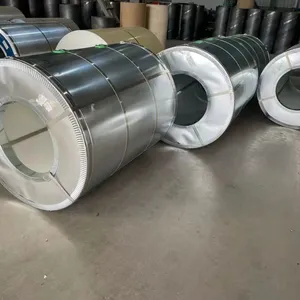
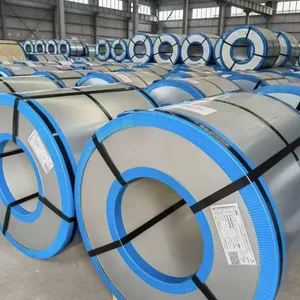
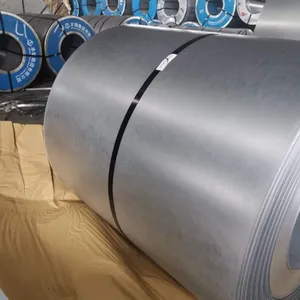
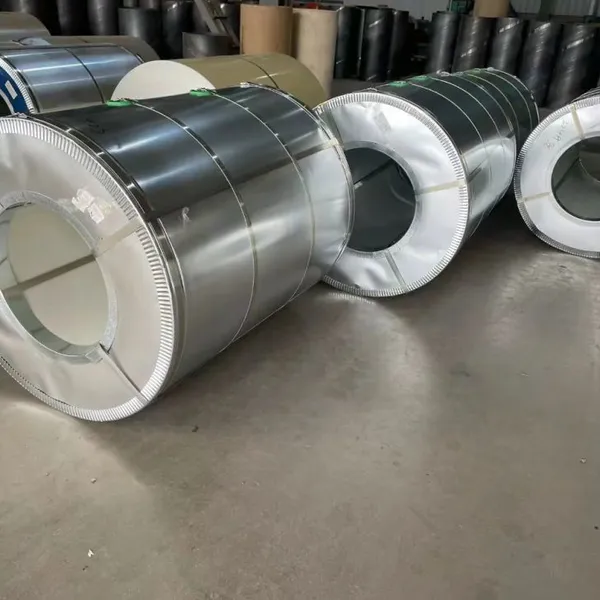
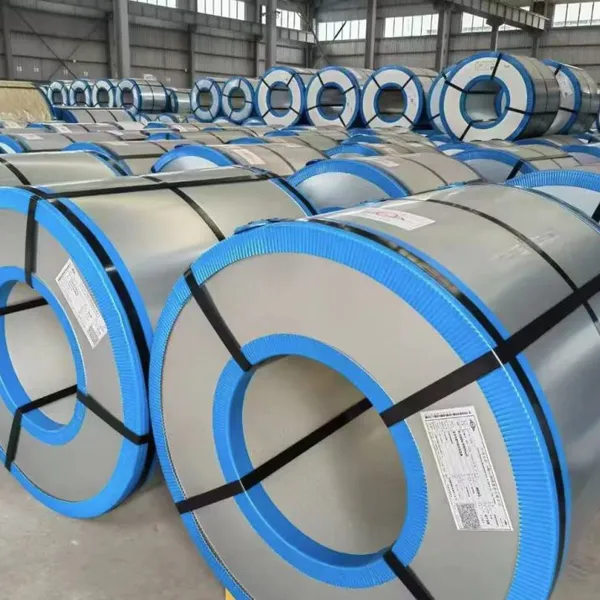
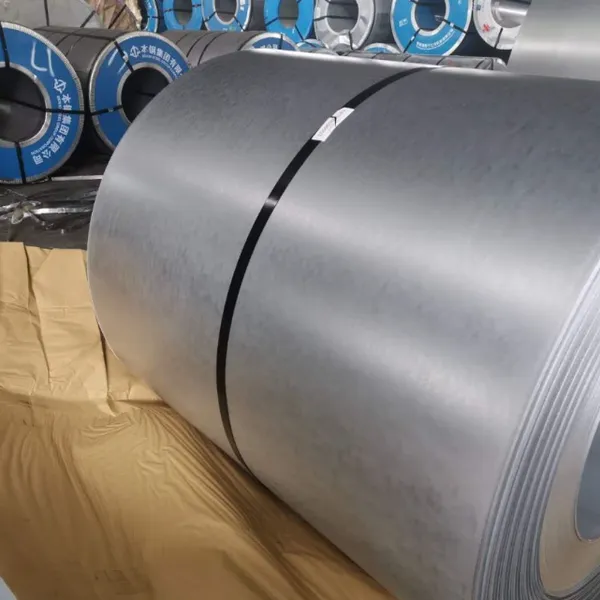
Steel Coil & Strip & Cold Rolled Steel Coil,St37、St44、St52、Q195、Q215、Q235


Related Products
-
 Steel Coil & Strip & Cold Rolled Steel Coil,St37、St44、St52、Q195、Q215、Q235NegotiableMOQ: 5 Metric Tons
 -
Steel Coil & Strip & Cold Rolled Steel Coil,St37、St44、St52、Q195、Q215、Q235NegotiableMOQ: 5 Metric Tons
-
Steel Pipe & Tube & Cast Pipe,ISO2531、EN545、AWWA C151NegotiableMOQ: 5 Metric Tons
-
Steel Pipe & Tube & Cast Pipe,ISO2531、EN545、AWWA C151NegotiableMOQ: 5 Metric Tons
-
Steel Pipe & Tube & Cast Pipe,ISO2531、EN545、AWWA C151NegotiableMOQ: 5 Metric Tons
I. Product Definition
Cold-rolled coils, full name cold-rolled steel coils, are steel products processed by cold continuous rolling at room temperature using hot-rolled steel coils as raw materials after pickling to remove oxide scale. The finished products are mostly in coil form (some can be leveled into cold-rolled plates as required), and they are one of the widely used basic steel categories in modern industry. Its core processing feature is no need for high-temperature heating; it relies on cold rolling technology to achieve precise control of steel thickness and refined surface treatment, which is different from the high-temperature rolling process of hot-rolled coils. Subsequently, further treatments such as annealing, degreasing, and finishing can be carried out according to requirements to adapt to different application scenarios.
II. Core Specifications and Parameters
The specifications and parameters of cold-rolled coils directly determine their application scenarios, with core parameters covering three categories: material, size, and mechanical properties, as detailed below:
(I) Materials and Grades
The core materials are mainly low-carbon steel and ultra-low carbon steel, and some include high-strength low-alloy steel and stainless steel. Different grades correspond to different properties to meet different processing needs. Common grades and corresponding standards are as follows:
Low-carbon/Ultra-low carbon steel: SPCC (for general use), SPCD (for stamping), SPCE (for deep drawing), DC01-DC07 (corresponding to different deep drawing levels), complying with standards such as GB/T 5213-2019 and JIS G3141. With low carbon content and excellent processing performance, it is the most commonly used type of cold-rolled coil.
Carbon structural steel: St37, St44, St52, Q195, Q215, Q235, etc., complying with GB/T 11253-2019 standard, suitable for simply processed structural parts.
High-strength cold-rolled steel: Including phosphorus-added high-strength (B170P, B210P, etc.), bake-hardened high-strength (140BH, 180BH, etc.), dual-phase steel (250/450DP, 300/500DP, etc.), and transformation-induced plasticity steel (380/590TR, etc.), complying with GB/T 20564 series standards, used for high-strength structural parts.
(II) Dimensional Specifications
Dimensional accuracy is one of the core advantages of cold-rolled coils. The conventional specifications are as follows, and special sizes can be customized according to customer requirements:
Thickness: Conventional range is 0.3mm-2.5mm; special processes can produce 0.05mm-3.5mm. The thickness tolerance is strict; for 0.4-1.0mm thickness, the tolerance can be controlled within ±0.05mm, and the special precision grade can reach ±0.03mm.
Width: Conventional range is 1000mm-2150mm; some specifications can cover 750mm-2280mm, with small width deviation, suitable for subsequent processing needs.
Coil weight and inner diameter: Conventional coil weight is 6-13.5 tons, and the inner diameter is uniformly 610mm, which is convenient for storage, transportation and subsequent processing.
Others: Flatness ≤3mm/m, camber ≤2mm/2m, surface roughness Ra ≤1.6μm (high surface grade), ensuring the flatness and aesthetics of subsequent processing.
(III) Mechanical Properties
Mechanical properties vary greatly according to materials and processing technologies (whether annealed or not), and the core indicators are as follows:
Unannealed (as-rolled hard coil): High hardness (HRB>90), increased strength and hardness, decreased toughness and plasticity indicators, poor stamping performance, and only simple bending processing less than 90 degrees can be performed.
After annealing: Eliminates work hardening, restores plasticity. The yield strength is 110MPa-980MPa (depending on the grade), the tensile strength is 270MPa-1800MPa, the elongation after fracture is ≥32% (up to 41% or more for deep drawing grade), and the yield ratio is ≤0.65, which is convenient for complex processing such as stamping, bending and welding.
III. Product Classification
Cold-rolled coils can be divided into multiple categories according to processing state, surface treatment, and application, with core classifications as follows:
(I) Classification by Processing State
As-rolled hard coil: Without annealing treatment, high hardness, poor mechanical processing performance, mainly used for simple parts that do not require bending or stretching, or as raw materials for subsequent processing such as hot-dip galvanizing and electroplating.
Annealed coil: After intermediate annealing or finished product heat treatment, it eliminates work hardening and restores plasticity and toughness. It can be divided into ordinary annealed coil and deep-drawing annealed coil to meet different processing needs.
(II) Classification by Surface Treatment
Ordinary cold-rolled coil: No additional coating on the surface, only pickled, rolled and finished, with a smooth surface, suitable for conventional processing scenarios.
Coated cold-rolled coil: Including hot-dip galvanized, aluminum-zinc coated, electrolytic tin-plated (tinplate), color-coated, etc. Among them, aluminum-zinc coated coils have good durability, heat resistance and heat reflectivity; electrolytic tin-plated coils are mainly used for food packaging; color-coated coils are used for decoration, home appliance casings, etc.
(III) Classification by Application
Automotive cold-rolled coils: Including those for outer covers (engine cover, door outer panel), structural parts (crossbeam, longitudinal beam), and safety parts (A-pillar, B-pillar, bumper), requiring high strength, high stamping performance and high surface quality.
Home appliance cold-rolled coils: Used for casings, inner tanks and structural parts of refrigerators, air conditioners, washing machines and other home appliances, requiring smooth surface, precise size and good processing performance.
General structural cold-rolled coils: Used for building steel structures, cabinets, sports equipment, mechanical parts, etc., requiring certain strength and processing performance.
Special-purpose cold-rolled coils: Including electrical steel (silicon steel sheet, used for motors and transformers), chrome-plated coils (used for decoration and corrosion protection), deep-drawing special coils (used for complex-shaped parts), etc.
IV. Core Performance Characteristics
Compared with hot-rolled coils, cold-rolled coils have the following core advantages due to their unique processing technology, and also have certain limitations:
(I) Advantageous Characteristics
Excellent surface quality: After pickling, multiple passes of rolling and finishing, the surface is smooth, free of oxide scale, inclusions and microcracks, and can be directly used for products with appearance requirements without additional grinding.
High dimensional accuracy: Small deviation in thickness and width, good flatness and strong dimensional stability, no frequent adjustment during subsequent processing, which can improve processing efficiency and product qualification rate.
Good processing performance: Annealed cold-rolled coils have good plasticity and toughness, and are easy to perform complex processing such as stamping, bending, shearing and welding, and can be made into various special-shaped parts to adapt to different scenarios.
Controllable mechanical properties: By adjusting the annealing process and material, different strengths and hardness can be customized, which can not only meet the needs of ordinary structural parts, but also meet the high-strength needs of automotive safety parts.
Strong adaptability to subsequent treatment: It can be directly subjected to surface treatments such as galvanizing, tin plating and color coating, as well as subsequent processing such as phosphating and spraying to further improve corrosion resistance and aesthetics.
(II) Limitations
Limited processing of as-rolled hard coils: Unannealed as-rolled hard coils have high hardness, can only be simply processed, and cannot meet complex stamping and stretching needs.
Low upper thickness limit: The thickness of conventional cold-rolled coils does not exceed 3.5mm, which cannot be used for thick-walled and heavy-duty structural parts, and needs to be used with hot-rolled coils.
High cost: Compared with hot-rolled coils, the cold rolling process is complex, the processing cost is higher, and the price is relatively higher.
V. Production Process
Cold-rolled coils are produced by longitudinal rolling. The core processes include raw material preparation, pickling, rolling, degreasing, annealing, finishing, etc. Some special products need to add special processes. The specific process is as follows:
Raw material preparation: Select qualified hot-rolled steel coils as raw materials, and inspect the raw materials to ensure that their chemical composition and dimensional accuracy meet the requirements of cold rolling processing.
Pickling: Remove the oxide scale and rust on the surface of hot-rolled steel coils to ensure the surface of the steel is clean during cold rolling, and avoid oxide scale affecting product quality and processing accuracy.
Rolling: Use four-high rolling mill (the most widely used) or multi-high rolling mill (for producing thinner products) to continuously roll the pickled steel coils at room temperature, and achieve the required thickness through multi-pass rolling. During rolling, process lubrication and cooling are adopted to reduce deformation resistance and maintain stable rolling.
Degreasing: Remove the lubricating oil attached to the steel surface during rolling to avoid polluting the steel surface during subsequent annealing and prevent carburization for stainless steel products.
Annealing: Divided into intermediate annealing and finished product heat treatment. Intermediate annealing is used to eliminate work hardening caused by cold deformation and restore material plasticity; finished product heat treatment is used to obtain the required structure and performance to meet the technical requirements of different products. Annealing is carried out in a continuous annealing furnace or bell-type annealing furnace with protective gas.
Finishing: Including inspection, shearing, straightening (leveling), printing, classification and packaging, etc., to ensure that the product size and surface quality meet the standards, and at the same time, strict packaging is carried out to prevent surface scratches during transportation.
Special processes: When producing silicon steel sheets, decarburization annealing needs to be carried out before cold rolling, and film coating, high-temperature annealing, etc. after rolling; when producing coated cold-rolled coils, additional processes such as galvanizing, tin plating and color coating need to be added.
VI. Application Fields
With excellent performance, cold-rolled coils are widely used in automotive manufacturing, home appliance production, construction engineering, machinery manufacturing, electronic equipment, food packaging and many other fields. The specific applications are as follows:
Automotive manufacturing: It is one of the core raw materials in the automotive industry, used for manufacturing automotive body outer covers (engine cover, roof, door outer panel), structural parts (crossbeam, longitudinal beam, seat frame), safety parts (A-pillar, B-pillar, bumper, central channel), etc. Some high-strength cold-rolled coils can improve automotive safety and lightweight level.
Electronic equipment: Used for casings, heat sinks, connectors and other components of electronic equipment. Utilizing its characteristics of high dimensional accuracy and smooth surface, it ensures the stability and aesthetics of electronic equipment.
Food packaging: Electrolytic tin-plated cold-rolled coils (tinplate) are used to make food cans, beverage cans and other packaging containers, with good sealing and corrosion resistance.
Other fields: Used for medical equipment, decorative materials, sports equipment, hardware products, etc. For example, stainless steel cold-rolled coils are used for medical equipment and high-end decoration, and electrical steel is used for motor and transformer manufacturing.
VII. Quality Standards and Inspection
(I) Core Quality Standards
The quality of cold-rolled coils complies with national, industrial and international standards, and the core standards are as follows:
Basic material standards: GB/T 11253-2019 "Cold-Rolled Carbon Structural Steel Plates and Strips", GB/T 5213-2019 "Cold-Rolled Low-Carbon Steel Plates and Strips", GB/T 13237-2013 "High-Quality Carbon Structural Steel Cold-Rolled Plates and Strips", GB/T 3280-2015 "Stainless Steel Cold-Rolled Plates and Strips".
Dimensional and surface standards: GB/T 708-2019 "Dimensions, Shape, Weight and Allowable Deviations of Cold-Rolled Steel Plates and Strips", GB/T 2523-2022 "Test Methods for Surface Roughness, Peak Count and Waviness of Cold-Rolled Metal Sheets and Strips".
Industry-specific standards: GB/T 30068-2013 "Cold-Rolled Steel Plates and Strips for Home Appliances", GB/T 20564 series "High-Strength Cold-Continuous Rolled Steel Plates and Strips for Automobiles", GB/T 2520-2008 "Cold-Rolled Electrolytic Tin-Plated Steel Plates and Strips".
International reference standards: EN 10130 (Europe), ASTM A1008 (United States), JIS G3141 (Japan), suitable for international trade scenarios.
(II) Quality Inspection Items
Each batch of cold-rolled coils must undergo strict inspection before leaving the factory, and the core inspection items include:
Chemical composition inspection: Detect the content of carbon, manganese, phosphorus, sulfur and other elements to ensure compliance with the corresponding grade standards.
Dimensional accuracy inspection: Detect thickness, width, flatness, camber, etc., to ensure compliance with dimensional deviation requirements.
Surface quality inspection: Check whether the surface has scratches, pitting, oxide scale, inclusions and other defects to ensure a smooth surface.
Mechanical performance inspection: Detect yield strength, tensile strength, elongation, hardness, etc., to ensure compliance with use requirements.
Other inspections: According to the product use, additional inspections such as stamping performance, welding performance and corrosion resistance are carried out.
VIII. Storage and Transportation Precautions
Storage: Store in a dry, ventilated and cool warehouse to avoid moisture, rain and exposure to the sun to prevent steel rust; coil products should be stored vertically to avoid extrusion deformation when placed horizontally; products of different grades and specifications should be stored separately with clear labels.
Transportation: Use special transport vehicles to avoid extrusion and collision to prevent coil deformation and surface scratches; take rainproof and moisture-proof measures during transportation; additional protection should be taken for coated cold-rolled coils to avoid coating damage; handle with care during loading and unloading, and use special spreaders to avoid product damage.
IX. Common Problems and Solutions
Surface scratches: The cause may be improper protection during storage and transportation, or friction of equipment during processing; Solution: Strengthen protection during storage and transportation, check the equipment surface before processing, and avoid contact with sharp objects.
Dimensional deviation: The cause may be improper adjustment of the rolling process or unqualified raw material size; Solution: Strictly control the rolling process parameters, strengthen raw material inspection, and do not process unqualified raw materials.
Stamping cracking: The cause may be improper material selection or inadequate annealing process leading to insufficient plasticity; Solution: Select the appropriate grade of annealed coil according to stamping needs, optimize the annealing process to ensure that the plasticity meets the standard.
Rust: The cause is moisture during storage and transportation, or insufficient surface protection; Solution: Improve the storage environment, take moisture-proof measures, and perform anti-rust treatment on the product if necessary.

Send Inquiry to This Supplier



You May Also Like
-
Steel Pipe & Tube & Cast Pipe,ISO2531、EN545、AWWA C151NegotiableMOQ: 5 Metric Tons
-
Steel Pipe & Tube & Cast Pipe,ISO2531、EN545、AWWA C151NegotiableMOQ: 5 Metric Tons
-
Steel Pipe & Tube & Cast Pipe,ISO2531、EN545、AWWA C151NegotiableMOQ: 5 Metric Tons
-
Steel Pipe & Tube & Cast Pipe,ISO2531、EN545、AWWA C151NegotiableMOQ: 5 Metric Tons
-
Steel Pipe & Tube & Cast Pipe,ISO2531、EN545、AWWA C151NegotiableMOQ: 5 Metric Tons
-
Steel Pipe & Tube & Cast Pipe,ISO2531、EN545、AWWA C151NegotiableMOQ: 5 Metric Tons
-
Steel Pipe & Tube & Cast Pipe,ISO2531、EN545、AWWA C151NegotiableMOQ: 5 Metric Tons
-
Steel Pipe & Tube & Precision Steel Pipe,GB/T 3639-2021、DIN 2391-2、ASTM A519、GB/T 699NegotiableMOQ: 5 Metric Tons
-
Steel Pipe & Tube & Precision Steel Pipe,GB/T 3639-2021、DIN 2391-2、ASTM A519、GB/T 699NegotiableMOQ: 5 Metric Tons
-
Steel Pipe & Tube & Precision Steel Pipe,GB/T 3639-2021、DIN 2391-2、ASTM A519、GB/T 699NegotiableMOQ: 5 Metric Tons


