








 Contact Platform Support
 Help Center
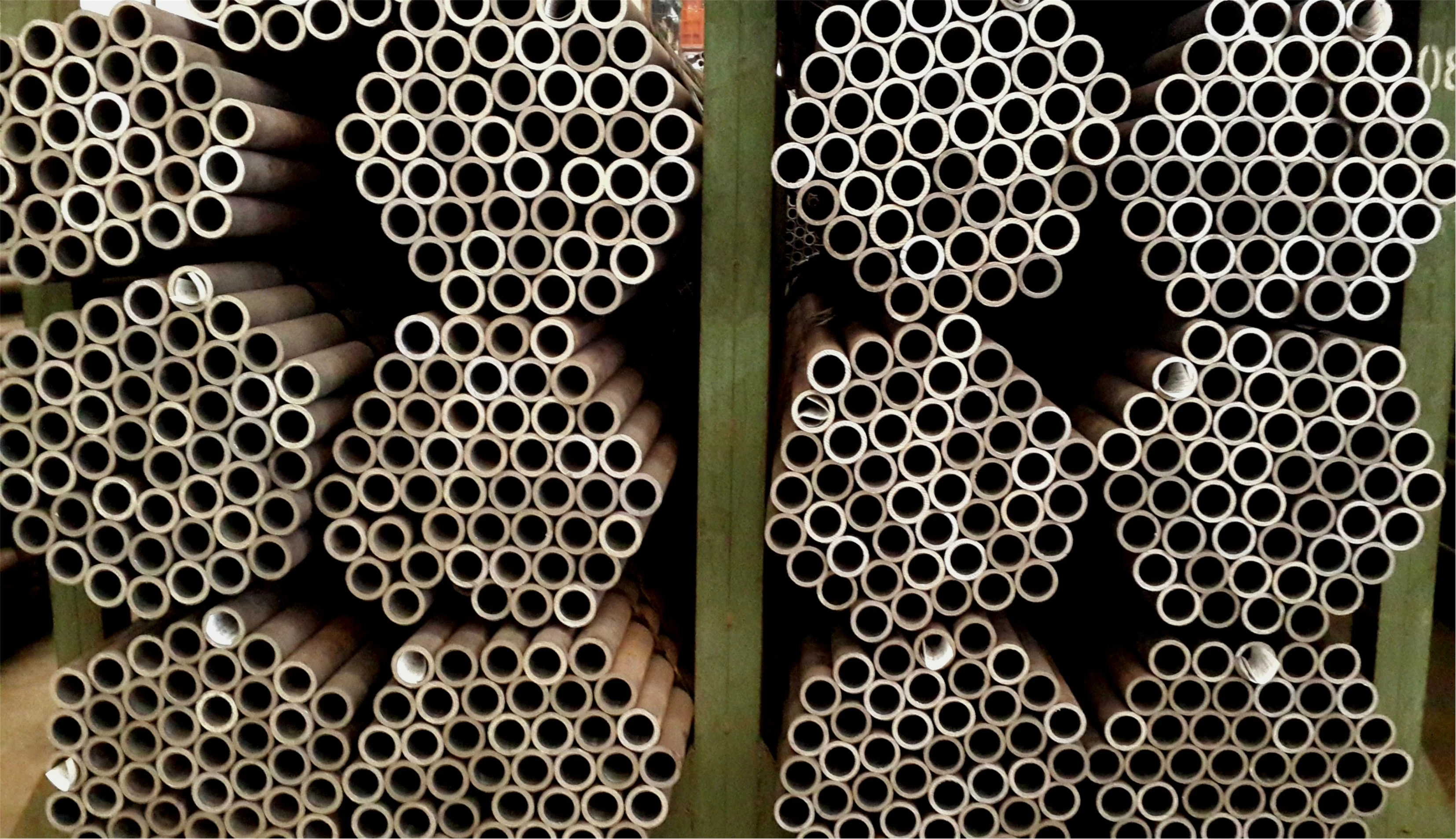
ASME SA213 Seamless Ferritic and Austenitic Alloy Steel Tube For Heat Exchanger Service – High Temperature and Corrosive Environments
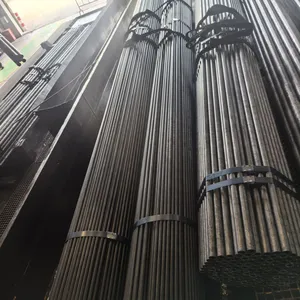
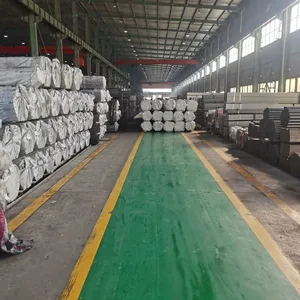
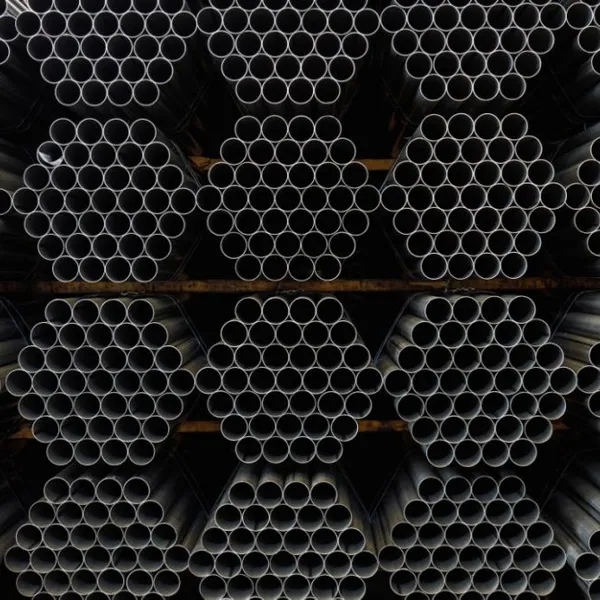
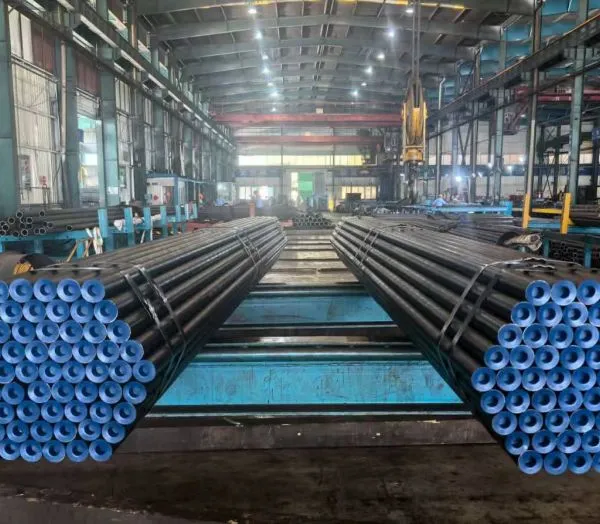
Product Spotlights
For Heat Exchanger Service – High Temperature and Corrosive Environments
Grades T5, T11, T22, T91, TP304, TP304L, TP304H, TP316, TP316L, TP316H, TP321, TP321H, TP347, TP347H
ASME Boiler & Pressure Vessel Code Section II

Related Products
-
 ASME SA213 Seamless Ferritic and Austenitic Alloy Steel Tube – Heat Exchanger ServiceNegotiableMOQ: 1 Metric Ton
 -
ASME SA213 Heat Exchanger Tube – ASTM SA213 Seamless Steel PipeNegotiableMOQ: 1 Metric Ton
-
ASME SA213 – Heat Exchanger Tube Technical DataNegotiableMOQ: 1 Metric Ton
-
ASME SA213 Seamless Ferritic and Austenitic Alloy Steel Tube For Superheater Service – Grades T5, T9, T11, T12, T22, T91, T92NegotiableMOQ: 1 Metric Ton
-
ASME SA213 Seamless Ferritic and Austenitic Alloy Steel Tube – Superheater ServiceNegotiableMOQ: 1 Metric Ton
ASME SA213 Seamless Ferritic and Austenitic Alloy Steel Tube
For Heat Exchanger Service – High Temperature and Corrosive Environments
Grades T5, T11, T22, T91, TP304, TP304L, TP304H, TP316, TP316L, TP316H, TP321, TP321H, TP347, TP347H
ASME Boiler & Pressure Vessel Code Section II
Product Overview
ASME SA213 / ASTM A213 seamless ferritic and austenitic alloy steel tubes are specifically designed for heat exchanger service in accordance with the ASME Boiler and Pressure Vessel Code Section II. These tubes are essential for heat exchangers operating in high temperature, high pressure, and corrosive environments where carbon steel tubes (SA179) cannot provide adequate performance.
Heat exchanger applications include:
Shell and tube heat exchangers – High temperature process streams
Feedwater heaters – Power plant service
Condensers – Special duty (corrosive cooling water)
Coolers and intercoolers – Petrochemical and refinery services
Re-boilers and evaporators – Chemical processing
Waste heat recovery units – High temperature gas cooling
Ferritic Alloy Grades (Chrome-Moly) – Up to 1,200°F (650°C):
T5 (5Cr-0.5Mo) – 5% Chrome, 0.5% Molybdenum – oxidation resistance
T11 (1.25Cr-0.5Mo) – Low chrome alloy, moderate temperature service
T22 (2.25Cr-1Mo) – High creep strength, elevated temperature service
T91 (9Cr-1Mo-V) – Enhanced creep strength, high temperature service
Austenitic Stainless Grades – Excellent Corrosion Resistance Up to 1,500°F (815°C):
TP304/TP304L/TP304H – General purpose austenitic – excellent formability and weldability
TP316/TP316L/TP316H – Molybdenum addition for improved pitting and chloride resistance
TP321/TP321H – Titanium stabilized – prevents sensitization in welding
TP347/TP347H – Columbium stabilized – excellent creep strength, high temperature service
💡 For heat exchanger service, SA213 tubes are typically furnished as straight lengths for shell and tube equipment, or as U-bend tubes for floating head designs.
✅ ASME SA213 certified – Compliant with ASME Boiler & Pressure Vessel Code Section II
✅ Seamless construction – No weld seam – no crevice corrosion in tube bundle
✅ Ferritic grades – Chrome-Moly alloys for high temperature service
✅ Austenitic grades – Stainless steels for corrosion resistance and high temperature
✅ L-grade (low carbon) – Improved weldability, prevents sensitization
✅ H-grade (high carbon) – Higher creep-rupture strength for elevated temperature
✅ U-bend capability – Available for floating head heat exchangers
✅ 100% hydrostatic and NDT tested – Eddy current or ultrasonic
✅ EN 10204 Type 3.1 MTC provided with full traceability
✅ Factory direct | Stock available for common grades (TP304, TP316, T11, T22)
Key Specifications – Heat Exchanger Tubes
| Parameter | Details |
|---|---|
| Standard | ASME SA213 / ASTM A213 |
| ASME Code | Boiler & Pressure Vessel Code Section II |
| Product Type | Seamless Ferritic and Austenitic Alloy Steel Tube |
| Primary Application | Heat Exchanger Service (shell and tube, feedwater heaters, condensers) |
| Ferritic Grades | T5, T11, T22, T91 |
| Austenitic Grades | TP304, TP304L, TP304H, TP316, TP316L, TP316H, TP321, TP321H, TP347, TP347H |
| OD Range | 1/8″ – 5″ (3.2mm – 127mm) – heat exchanger standard sizes: 3/4″, 1″, 1-1/4″ |
| Wall Thickness | 0.015 – 0.500 inch (0.4 – 12.7 mm) – BWG gauges 10-22 |
| Length | 3m – 12m (heat exchanger tubes typically 16-40 ft / 5-12m) |
| Surface Finish | Bright annealed (austenitic) / Black annealed (ferritic) |
| End Finish | Plain (for rolling) / Beveled (for welding) / Rolled |
| Form | Straight tubes / U-bend tubes |
Ferritic Alloy Grades – Heat Exchanger Service
| Grade | Cr (%) | Mo (%) | Other | Max Temp (°F) | Max Temp (°C) | Heat Exchanger Application |
|---|---|---|---|---|---|---|
| T5 | 4.0-6.0 | 0.45-0.65 | — | 1,200 | 650 | High temperature refinery heat exchangers |
| T11 | 1.0-1.5 | 0.44-0.65 | — | 1,200 | 650 | Power plant feedwater heaters |
| T22 | 2.0-2.5 | 0.87-1.13 | — | 1,125 | 605 | High temperature heat exchangers |
| T91 | 8.0-9.5 | 0.85-1.05 | V 0.18-0.25 | 1,200 | 650 | High pressure/high temperature service |
Ferritic alloys for heat exchangers provide:
High temperature strength – Maintains integrity at elevated process temperatures
Creep resistance – Prevents deformation under long-term stress
Oxidation resistance – Chrome content forms protective scale
Cost effectiveness – Lower cost than austenitic stainless for non-corrosive high temp service
Austenitic Stainless Grades – Heat Exchanger Service
| Grade | Cr (%) | Ni (%) | Mo (%) | Other | Key Feature | Heat Exchanger Application |
|---|---|---|---|---|---|---|
| TP304/304L/304H | 18.0-20.0 | 8.0-11.0 | — | — | General purpose | Most common stainless heat exchanger |
| TP316/316L/316H | 16.0-18.0 | 10.0-14.0 | 2.0-3.0 | — | Chloride resistance | Marine, chemical, high chloride |
| TP321/321H | 17.0-19.0 | 9.0-12.0 | — | Ti 5×C min | Titanium stabilized | Welded heat exchangers |
| TP347/347H | 17.0-19.0 | 9.0-13.0 | — | Nb 8×C min | Columbium stabilized | High temperature, creep resistant |
💡 304/304L is the most common stainless steel for heat exchangers – providing good corrosion resistance and fabricability at moderate cost.
Key differences between austenitic grades for heat exchangers:
| Feature | TP304 | TP316 | TP321 | TP347 |
|---|---|---|---|---|
| Corrosion resistance | Good | Better (Mo addition) | Good | Good |
| Chloride pitting | Moderate | Excellent | Moderate | Moderate |
| Sensitization resistance | Low | Low | High | High |
| Creep strength (high temp) | Moderate | Moderate | Good | Excellent |
| Cost | $ | $$ | $$ | $$ |
| Typical use | General HE | Marine/Chemical | Welded HE | High temp HE |
L-grade vs H-grade for Heat Exchangers
| Suffix | Carbon Content | Best For | Heat Exchanger Application |
|---|---|---|---|
| L (Low Carbon) | ≤0.03% | Welded applications – prevents sensitization | Shell and tube heat exchangers with welded tube-to-tubesheet joints |
| Standard | ≤0.08% | General service | General heat exchanger service |
| H (High Carbon) | 0.04-0.10% | High temperature service – superior creep strength | High temperature heat exchangers, feedwater heaters |
💡 Use L-grade for heat exchangers requiring extensive welding (e.g., welded tube-to-tubesheet joints). Use H-grade for elevated temperature service above 900°F where creep is a concern.
Heat Exchanger Tube Size Reference – ASME SA213
| OD (inch) | OD (mm) | BWG Gauge | WT (mm) | Typical Application | Common Grade |
|---|---|---|---|---|---|
| 1/2″ | 12.7 | 16, 18 | 1.2-1.6 | Small heat exchanger | TP304, TP316 |
| 3/4″ | 19.1 | 14, 16 | 1.6-2.1 | General heat exchanger | TP304, TP316, TP321 |
| 1″ | 25.4 | 12, 14 | 2.1-2.8 | Shell and tube – most common | TP304, TP316, TP347 |
| 1-1/4″ | 31.8 | 12, 13 | 2.4-3.2 | Large heat exchanger | T11, T22, TP316 |
| 1-1/2″ | 38.1 | 10, 11, 12 | 2.8-3.4 | Process heat exchanger | T22, TP304H |
| 2″ | 50.8 | 10, 11 | 3.0-3.5 | Very large heat exchanger | T22, TP347H |
💡 Most common heat exchanger tube size: 1″ OD (25.4mm) × 14 BWG (2.11mm wall) – industry standard for shell and tube heat exchangers. 3/4″ OD is also very common.
Chemical Composition – Ferritic Heat Exchanger Grades
| Grade | C max | Mn max | P max | S max | Si | Cr | Mo | V |
|---|---|---|---|---|---|---|---|---|
| T11 | 0.15 | 0.30-0.60 | 0.025 | 0.025 | 0.50-1.00 | 1.00-1.50 | 0.44-0.65 | — |
| T22 | 0.15 | 0.30-0.60 | 0.025 | 0.025 | 0.50 max | 2.00-2.50 | 0.87-1.13 | — |
| T91 | 0.07-0.14 | 0.30-0.60 | 0.020 | 0.010 | 0.20-0.50 | 8.00-9.50 | 0.85-1.05 | 0.18-0.25 |
Chemical Composition – Austenitic Heat Exchanger Grades
| Grade | C | Mn max | P max | S max | Si max | Cr | Ni | Mo | Other |
|---|---|---|---|---|---|---|---|---|---|
| TP304L | ≤0.03 | 2.00 | 0.045 | 0.030 | 0.75 | 18.0-20.0 | 8.0-11.0 | — | — |
| TP304 | ≤0.08 | 2.00 | 0.045 | 0.030 | 0.75 | 18.0-20.0 | 8.0-11.0 | — | — |
| TP304H | 0.04-0.10 | 2.00 | 0.045 | 0.030 | 0.75 | 18.0-20.0 | 8.0-11.0 | — | — |
| TP316L | ≤0.03 | 2.00 | 0.045 | 0.030 | 0.75 | 16.0-18.0 | 10.0-14.0 | 2.0-3.0 | — |
| TP316 | ≤0.08 | 2.00 | 0.045 | 0.030 | 0.75 | 16.0-18.0 | 10.0-14.0 | 2.0-3.0 | — |
| TP316H | 0.04-0.10 | 2.00 | 0.045 | 0.030 | 0.75 | 16.0-18.0 | 10.0-14.0 | 2.0-3.0 | — |
| TP321 | ≤0.08 | 2.00 | 0.045 | 0.030 | 0.75 | 17.0-19.0 | 9.0-12.0 | — | Ti 5×C min |
| TP347 | ≤0.08 | 2.00 | 0.045 | 0.030 | 0.75 | 17.0-19.0 | 9.0-13.0 | — | Nb 8×C min |
Mechanical Properties – ASME SA213 Heat Exchanger Grades
| Grade | Tensile Strength (MPa) | Yield Strength (MPa) | Elongation (%) | Hardness (max) |
|---|---|---|---|---|
| T11, T22 | ≥415 | ≥205 | ≥30 | 85 HRB |
| T91 | ≥585 | ≥415 | ≥20 | 250 HB |
| TP304L, TP304, TP304H | ≥515 | ≥205 | ≥35 | 90 HRB |
| TP316L, TP316, TP316H | ≥515 | ≥205 | ≥35 | 90 HRB |
| TP321, TP321H | ≥515 | ≥205 | ≥35 | 90 HRB |
| TP347, TP347H | ≥515 | ≥205 | ≥35 | 90 HRB |
Grade Selection Guide – Heat Exchanger Service
| Service Environment | Temperature | Corrosion Concern | Recommended Grade | Why |
|---|---|---|---|---|
| High temperature gas (non-corrosive) | 800-1,200°F | Oxidation | T11, T22, T91 | Creep strength + economy |
| High temperature gas (corrosive) | 800-1,200°F | Oxidation + corrosion | TP304H, TP316H | Stainless oxidation resistance |
| Chemical processing (non-chloride) | Ambient-800°F | General corrosion | TP304, TP304L | Standard stainless |
| Chemical processing (chloride) | Ambient-800°F | Pitting | TP316, TP316L | Molybdenum addition |
| Marine / Seawater cooling | Ambient-500°F | Chloride pitting | TP316, TP316L | Best chloride resistance |
| Welded tube-to-tubesheet | Any | Sensitization | TP304L, TP316L, TP321, TP347 | Stabilized or low carbon |
| High temperature + creep sensitive | 900-1,200°F | Creep | TP347H | Highest creep strength |
| Power plant feedwater heater | 400-800°F | General | T11, T22 | Standard chrome-moly |
| Condenser (fresh water) | Ambient-200°F | General | TP304 | Standard stainless |
| Condenser (seawater) | Ambient-200°F | Severe pitting | TP316, Titanium | High pitting resistance |
Key Advantages – ASME SA213 for Heat Exchanger Service
| Feature | Benefit for Heat Exchanger |
|---|---|
| Seamless construction | No weld seam – no crevice corrosion in tube bundle |
| Ferritic Cr-Mo alloys | High temperature strength up to 1,200°F – cost effective |
| Austenitic stainless | Excellent corrosion resistance for aggressive process fluids |
| L-grade (low carbon) | Prevents sensitization – ideal for welded tube-to-tubesheet joints |
| H-grade (high carbon) | Superior creep strength for high temperature shell and tube HE |
| Wide size range | 1/8″ to 5″ OD – all standard heat exchanger tube sizes |
| U-bend capability | Available for floating head heat exchanger designs |
| 100% NDT tested | Eddy current or ultrasonic – detects surface flaws |
| Bright annealed surface (austenitic) | Clean, smooth – optimal heat transfer |
| Full traceability | EN 10204 3.1 MTC with heat number |
💡 U-bend tubes allow the tube bundle to be removed from the shell – essential for heat exchangers in fouling services.
Heat Exchanger Connections – Tube-to-Tubesheet
| Connection Method | Recommended Grade | Notes |
|---|---|---|
| Rolled / Expanded | All grades | SA213 has excellent ductility for rolling |
| Welded (seal weld) | L-grade or stabilized | TP304L, TP316L, TP321, TP347 – prevents sensitization |
| Weld + Roll | L-grade or stabilized | Best for high pressure service |
Quality Testing & Inspection – Heat Exchanger Tubes
| Test | Method | Standard | Coverage | Critical for Heat Exchanger |
|---|---|---|---|---|
| Hydrostatic Test | Water pressure | ASME SA213 | 100% | Leak-free tube bundle |
| Eddy Current (ECT) | Non-destructive | ASTM E309 | 100% | Surface defect detection |
| Ultrasonic (UT) | Optional | ASTM E213 | On request | Internal defect detection |
| Tensile Test | Properties | ASTM E8 | Per heat | Strength verification |
| Hardness Test | Rockwell B/C | ASTM E18 | Per batch | Consistent properties |
| Flattening Test | Ductility | ASME SA213 | Per lot | Rolling capability |
| Flaring Test | Expansion | ASME SA213 | Per lot | Tube end expansion |
| Dimensional | Micrometer | ASME SA213 | 100% | Tube-to-tubesheet fit |
Heat Treatment Requirements – ASME SA213
| Material Type | Heat Treatment Required | Temperature Range |
|---|---|---|
| Ferritic (T11, T22) | Fully annealed or isothermal annealed | 1,300-1,450°F |
| Ferritic (T91) | Normalize + Temper | 1,900-1,950°F + 1,350-1,450°F |
| Austenitic – L-grade/Standard | Solution annealed | 1,900-2,100°F |
| Austenitic – H-grade | Solution annealed | 1,900-2,100°F |
💡 Solution annealing restores corrosion resistance – critical for austenitic stainless heat exchanger tubes.
U-Bend Heat Exchanger Tubes – ASME SA213
| Feature | Capability |
|---|---|
| Minimum bend radius (austenitic) | 1.5 × OD |
| Minimum bend radius (ferritic) | 2.0 × OD |
| Maximum tube OD for U-bend | Up to 2″ (50.8mm) standard |
| Leg length tolerance | ±1.6mm (±1/16″) |
| Bend angle | 180° standard (custom available) |
| Stress relief | After bending – required for ferritic |
| Solution anneal | After bending – recommended for austenitic |
💡 U-bend tubes are supplied for floating head heat exchanger designs – allow tube bundle removal for maintenance.
Mill Test Certificate – Heat Exchanger Tubes
ASME SA213 Certificate of Compliance – Standard
EN 10204 Type 3.1 MTC – Provided with heat number
EN 10204 Type 3.2 – Available upon request (third-party: SGS, BV, TUV, DNV)
Traceability: Full traceability from melt to finished tube
Test report includes: Heat analysis, tensile results, hardness, flattening/flaring
Packaging & Shipping – Heat Exchanger Tubes
| Item | Details |
|---|---|
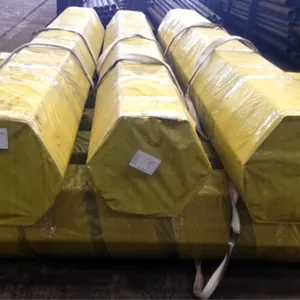
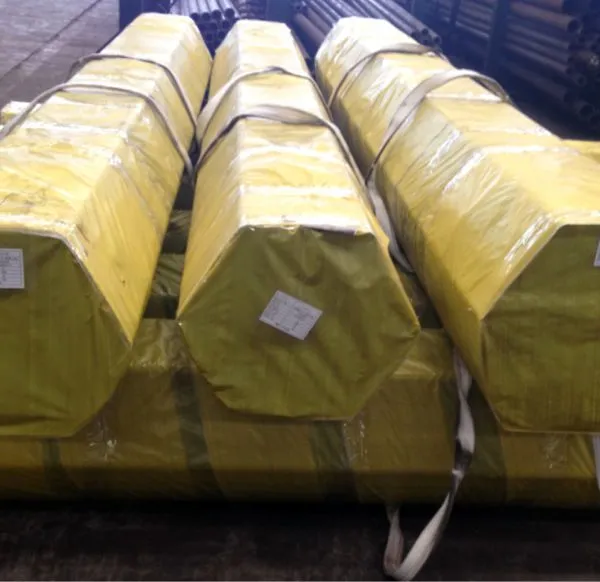
| Packaging | Hexagonal bundles with steel strapping |
| Protection | Anti-rust oil + plastic end caps (ferritic) |
| Austenitic | Plastic caps + protective paper – bright annealed surface |
| Marking | Stencil: Grade, size, heat number, ASME SA213 |
| Lead time | 7-15 days (stock grades: TP304, TP316, T11, T22), 20-30 days (other grades) |
| Port | Tianjin / Shanghai / Guangzhou |
Why Choose Our ASME SA213 Heat Exchanger Tubes?
| Advantage | Description |
|---|---|
| Full range of alloys | T11, T22, TP304, TP304L, TP316, TP316L – one-stop sourcing |
| Heat exchanger specialist | Dedicated finishing line for heat exchanger tubes |
| Most common sizes in stock | 3/4″ and 1″ OD – ready to ship |
| U-bend capability | Available for floating head heat exchangers |
| L-grade available | For welded tube-to-tubesheet joints |
| 100% ECT tested | Critical for heat exchanger reliability |
| Bright annealed surface | Clean, smooth – optimal heat transfer |
| Full traceability | EN 10204 3.1 MTC with heat number |
| Global export | Shipped to heat exchanger fabricators worldwide |
Contact for Quote – ASME SA213 Heat Exchanger Tubes
Please provide the following details for your heat exchanger project:
Grade : T11 / T22 / TP304(L) / TP304H / TP316(L) / TP316H / TP321 / TP347 / Other _______
OD (inch / mm) : _______ (3/4″ and 1″ are most common)
BWG / WT (mm) : _______
Length (m) : _______
Quantity : _______ (pieces / meters / tons)
Configuration : Straight tube / U-bend
End Finish : Plain (for rolling) / Beveled (for welding)
Inspection : Standard / Third-party (SGS/BV/TUV/DNV)
📧 Email: yjhtrade@gmail.com
📞 WhatsApp: +86 15106174543
🌐 Website:
Reply within 24 hours.
FAQ – ASME SA213 Heat Exchanger Tubes
Q1: What is ASME SA213 used for in heat exchangers?
A: ASME SA213 seamless ferritic and austenitic alloy steel tubes are used for high temperature or corrosive service heat exchangers where carbon steel (SA179) cannot perform adequately.
Q2: What is the most common stainless steel for heat exchangers?
A: TP304 / TP304L is the most common – provides good corrosion resistance at moderate cost . For seawater or chloride service, use TP316.
Q3: What is the difference between TP304 and TP316 for heat exchangers?
A: TP316 contains 2-3% Molybdenum , providing significantly better pitting and crevice corrosion resistance in chloride environments (seawater, brackish water).
Q4: When should I use L-grade (low carbon) for heat exchangers?
A: Use L-grade (TP304L, TP316L) when the heat exchanger has welded tube-to-tubesheet joints – prevents sensitization and intergranular corrosion in the heat-affected zone.
Q5: When should I use H-grade (high carbon) for heat exchangers?
A: Use H-grade (TP304H, TP316H, TP347H) for high temperature service above 900°F (482°C) – provides superior creep-rupture strength.
Q6: What is the most common heat exchanger tube size?
A: 1″ OD (25.4mm) × 14 BWG (2.11mm wall) is the industry standard for shell and tube heat exchangers . 3/4″ OD is also very common.
Q7: What is the difference between TP321 and TP347?
A: TP321 is titanium stabilized . TP347 is columbium (niobium) stabilized . Both prevent sensitization. TP347 has superior creep strength at high temperature.
Q8: Can ASME SA213 tubes be U-bent for heat exchangers?
A: Yes . SA213 tubes can be U-bent for floating head heat exchanger designs . Minimum bend radius: 1.5× OD for austenitic, 2.0× OD for ferritic.
Q9: What testing is required for heat exchanger tubes?
A: 100% hydrostatic testing and 100% eddy current (ECT) or ultrasonic (UT) testing per ASME SA213 – critical for leak-free bundles.
Q10: Do you provide third-party inspection?
A: Yes. SGS, BV, TUV, DNV, or any customer-specified agency.
Q11: Do you offer free samples?
A: 30cm sample available for common grades (TP304, TP316, T11, T22). Shipping fee applies.
Related Products – Heat Exchanger Components
ASME SA213 – Heat exchanger tubes (this product)
ASME SA179 – Carbon steel heat exchanger tubes
ASME SA249 – Welded austenitic heat exchanger tubes
ASME SA334 – Low temperature heat exchanger tubes
ASME SA240 – Heat exchanger tube sheets (plate)
Tags: ASME SA213 Heat Exchanger Tube Stainless Steel Tube Ferritic Steel Austenitic Stainless Shell and Tube Heat Exchanger TP304 TP316 T11 T22 U-Bend Tube ASME Code
Quick Reference – ASME SA213 Heat Exchanger Grade Selection
| Service | Grade | Key Feature |
|---|---|---|
| General stainless HE | TP304/304L | Most common – good corrosion resistance |
| Marine/Chloride service | TP316/316L | Molybdenum – pitting resistance |
| Welded tube-to-tubesheet | TP304L/316L | Low carbon – prevents sensitization |
| High temperature (>900°F) | TP304H/316H | High carbon – creep strength |
| High temp + creep | TP347H | Columbium – highest creep strength |
| High temp gas (non-corrosive) | T11, T22 | Chrome-moly – cost effective |
| Most popular size | 1″ OD × 14 BWG | Industry standard |

Send Inquiry to This Supplier


You May Also Like
-
ASME SA213 Seamless Alloy Steel Tube – Superheater ServiceNegotiableMOQ: 1 Metric Ton
-
ASME SA213 – Superheater Tube Technical DataNegotiableMOQ: 1 Metric Ton
-
ASME SA213 Seamless Ferritic and Austenitic Alloy Steel Tube For Boiler, Superheater, and Heat-Exchanger ServiceNegotiableMOQ: 1 Metric Ton
-
ASME SA213 Seamless Ferritic and Austenitic Alloy Steel Tube – Boiler & Superheater ServiceNegotiableMOQ: 1 Metric Ton
-
ASME SA213 Seamless Alloy Steel Tube – Superheater & BoilerNegotiableMOQ: 1 Metric Ton
-
ASME SA213 Boiler Tube – Technical DataNegotiableMOQ: 1 Metric Ton
-
ASME SA213 Seamless Ferritic and Austenitic Alloy Steel Tube Supplier – Heat Exchanger ServiceNegotiableMOQ: 1 Metric Ton
-
Seamless Superheater Tube – ASME SA213 / SA210 OD 6mm – 256mm | WT 1mm – 18mmNegotiableMOQ: 1 Metric Ton
-
DIN 17175 Seamless Heat-Resistant Steel Tube For Boiler, Superheater, and High Temperature ServiceNegotiableMOQ: 1 Ton
-
DIN 17175 Seamless Heat-Resistant Steel Tube Grades St35.8, St45.8, 15Mo3, 13CrMo44, 10CrMo910NegotiableMOQ: 1 Metric Ton


