








 Contact Platform Support
 Help Center
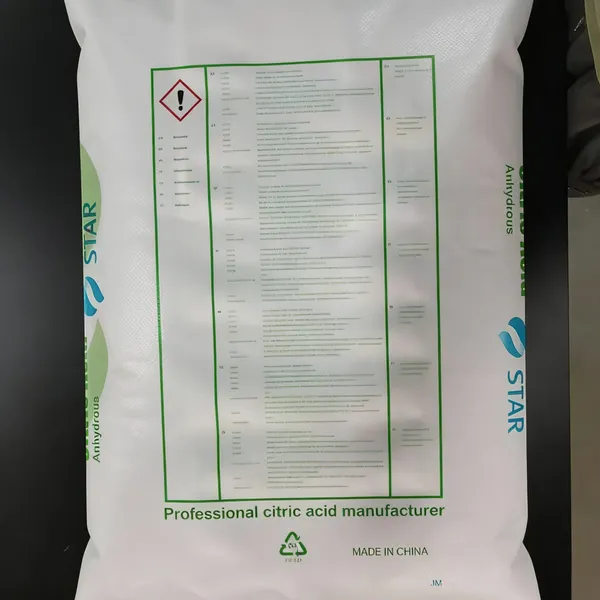
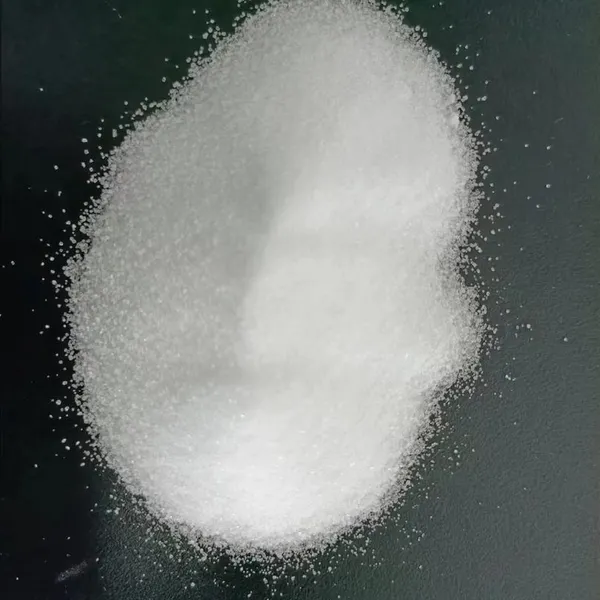
Anhydrous Citric Acid
Product Spotlights



Related Products
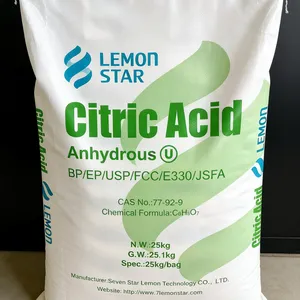
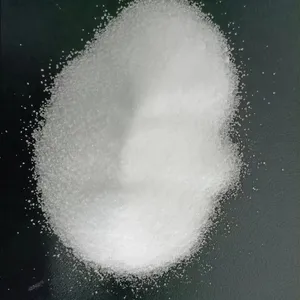
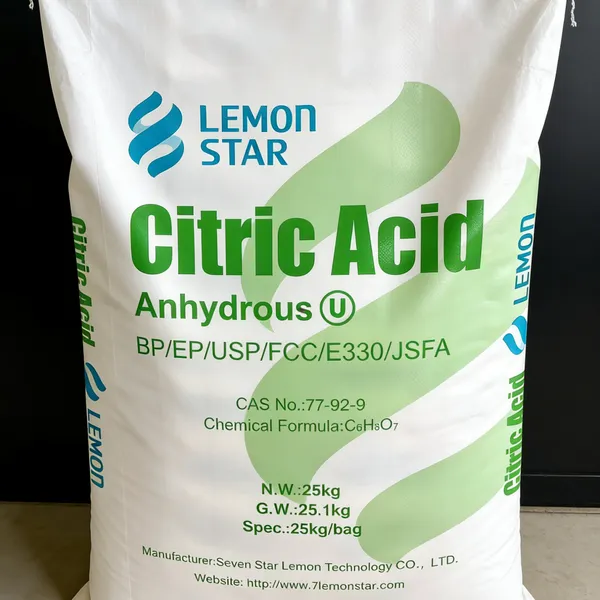
Anhydrous citric acid, with the chemical formula C₆H₈O₇ and CAS number 77-92-9, is a colorless, odorless weak organic acid that exists as a white crystalline powder or granular solid. As a water-free form of citric acid, it is obtained through controlled dehydration of citric acid monohydrate, featuring high solubility in water, ethanol and ether, but insoluble in benzene and chloroform. It has a pure and mild sour taste, strong buffering capacity, and excellent chelating, antioxidant and preservative properties, making it a versatile multifunctional ingredient widely used in food, beverage, chemical, cosmetic, detergent and other industries. Its annual global production exceeds 2.8 million metric tons, and it is recognized as a safe and reliable additive in various fields due to its biological compatibility and compliance with international regulatory standards.
1. Applications in Food and Beverage Industry
The food and beverage industry is the largest application field of anhydrous citric acid, where it mainly serves as an acidulant, flavoring agent, preservative and fresh-keeping agent, playing an irreplaceable role in improving product quality, extending shelf life and optimizing taste experience.
1.1 Acidulant and Flavoring Agent
With its pure, mild and non-irritating sour taste, anhydrous citric acid can accurately simulate the natural sourness of citrus fruits such as lemons and oranges, and is widely used in various food and beverage products to adjust taste and balance sweetness. In carbonated drinks (such as lemon-flavored sparkling water), it provides a refreshing sour taste to neutralize the sweetness of sweeteners, making the taste more layered and refreshing. In fruit juices (such as orange juice and apple juice), it helps restore the original flavor of fruits, masks the astringency caused by processing, and enhances the fresh fruit flavor. In confectionery (such as lemon hard candies and QQ fudge) and dried fruits (such as freeze-dried strawberries and mangoes), it creates a distinct sweet and sour taste, and can cooperate with aspartame and other artificial sweeteners to reduce the aftertaste of artificial sweeteners and improve palatability. In baked goods such as cakes and soda crackers, it reacts with baking soda to produce carbon dioxide, making the products porous and fluffy, while also adjusting the sour taste to enrich the flavor
1.2 Preservative and Fresh-Keeping Agent
Most pathogenic bacteria and molds multiply in a neutral or weakly alkaline environment, and anhydrous citric acid can reduce the pH value of food to below 4.5, a range where pathogenic bacteria cannot grow, thereby destroying the cell membrane and enzyme activity of microorganisms and delaying food spoilage. In pickled products (such as Korean kimchi and pickled vegetables), it can replace part of the salt, reduce the saltiness while inhibiting the growth of mold and extending the pickling time. In sauces (such as tomato sauce and salad dressing), it can prevent bottle swelling and flavor degradation caused by bacterial reproduction, ensuring the stability of product quality during storage. For prepared dishes and frozen fruits, treating them with a low-concentration anhydrous citric acid solution can slow down oxidation and microbial contamination, maintain the fresh color and nutritional components of the products, and extend the shelf life. In fresh-cut fruits (such as apple chunks and carrot strips), it can chelate the copper ions required by polyphenol oxidase, inhibit browning and keep the fresh appearance.
1.3 Other Food Processing Applications
In dairy products such as cheese and vegetable oil, anhydrous citric acid adjusts the pH value to 4.0-5.0, preventing casein coagulation, making the texture more delicate and avoiding caking during stirring. In the production of jams and jellies, it promotes the cross-linking and solidification of pectin, preventing product stratification and making the texture more elastic and chewy. It also acts as an antioxidant in bread and pastries to maintain freshness and prevent oxidation-induced deterioration.
2. Applications in Chemical Industry
In the chemical industry, anhydrous citric acid is widely used as an antioxidant, plasticizer, chelating agent and pH regulator due to its excellent chemical properties, and is involved in the production of various chemical products, improving product performance and environmental friendliness.

Send Inquiry to This Supplier


You May Also Like
-
 Complete Raw Cut Chicken Freeze-Dried Dog FoodNegotiableMOQ: 200 Cartons
 -
Complete Grain-Free Cat FoodNegotiableMOQ: 200 Cartons
-
Grain-Free Fresh Meat Hypoallergenic Cat FoodNegotiableMOQ: 200 Cartons
-
Complete & Balanced Dog Food for All Life StagesNegotiableMOQ: 200 Cases
-
Complete Intestinal Care Cat FoodNegotiableMOQ: 200 Cartons
-
Complete Milk Pate Cat FoodNegotiableMOQ: 200 Cartons
-
Complete Grain-Free Cat FoodNegotiableMOQ: 200 Cartons
-
Cold-Water Cod Milled Process Feline Dry FoodNegotiableMOQ: 100 Cartons
-
Pet Treats Beef Cheese Stuffed CubesNegotiableMOQ: 500 Cartons
-
Duck Wrapped Calcium BoneNegotiableMOQ: 500 Cartons


