








 Contact Platform Support
 Help Center
Sodium Citrate
Product Spotlights



Related Products
-
 Bird Food Nutritious Egg Yolk RiceNegotiableMOQ: 200 Cartons
 -
Husk-Free Food Specially for ParrotsNegotiableMOQ: 200 Barrels
-
Mixed Seed Bird Treat With Fruits and VegetablesNegotiableMOQ: 200 Barrels
-
Complete Raw Cut Chicken Freeze-Dried Dog FoodNegotiableMOQ: 200 Cartons
-
Complete Grain-Free Cat FoodNegotiableMOQ: 200 Cartons
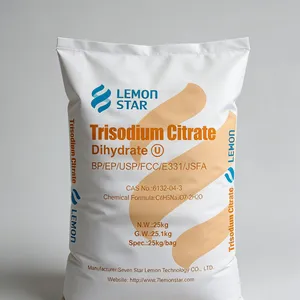
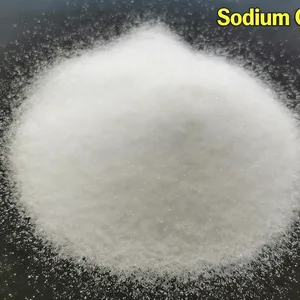
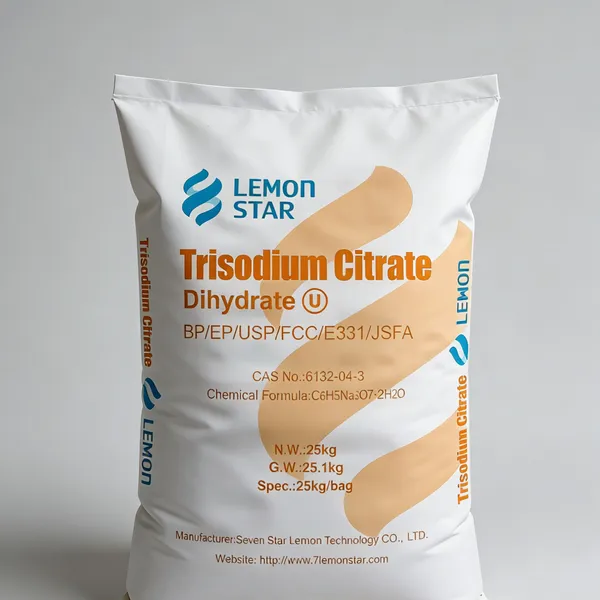
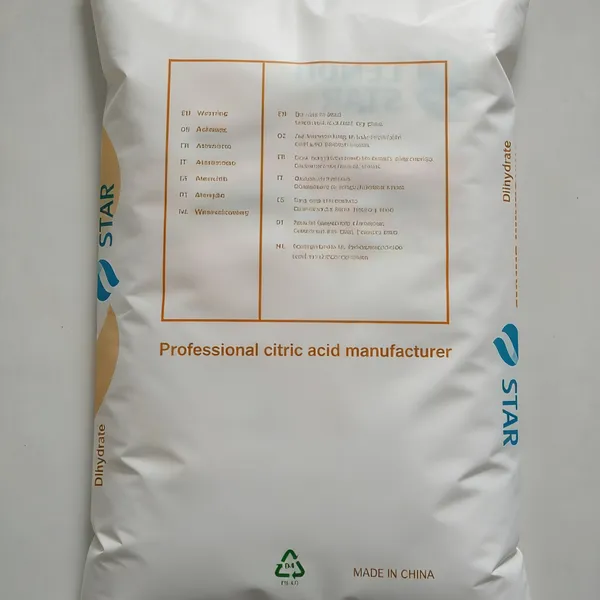
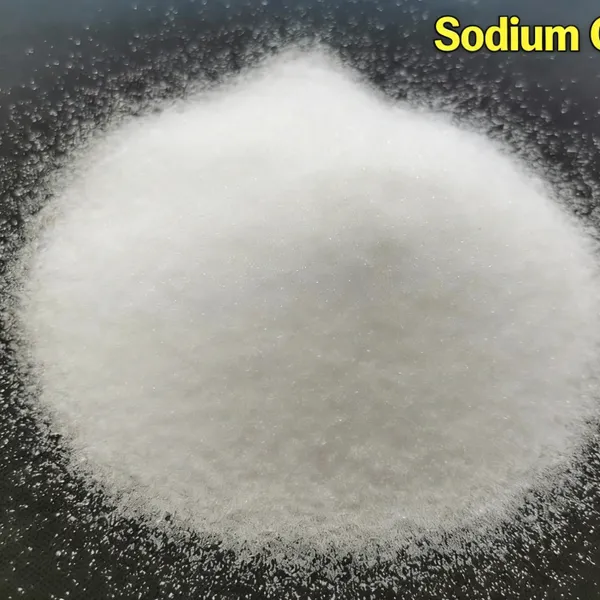
Sodium citrate, also known as trisodium citrate, is a versatile organic sodium salt derived from citric acid through neutralization reactions. With the chemical formula Na₃C₆H₅O₇, it exists in two common hydrate forms: trisodium citrate dihydrate (CAS 6132-04-3) and trisodium citrate pentahydrate (CAS 6858-44-2), both appearing as white crystalline powder or colorless crystals with a saline, slightly tart taste and mild alkaline aqueous solution. Characterized by high water solubility, excellent chemical stability, non-toxicity, and biodegradability, sodium citrate has been widely applied in multiple industries, including food and beverage, pharmaceutical, detergent, and electroplating, playing an irreplaceable role in product quality improvement and process optimization.
Applications in the Food and Beverage Industry
As a widely used food additive (designated as E331 in the European Union), sodium citrate serves multiple key functions in the food and beverage industry, contributing to flavor enhancement, product stability, and shelf-life extension, while complying with global food safety standards such as GB 2760-2014 in China and USP 30 internationally.
Flavoring Agent: It imparts a mild tart and salty taste, which can moderate the acidity of acidic beverages, improve the overall flavor harmony, and reduce the harshness of excessive sourness. It is commonly added to carbonated drinks, fruit juices, and beverage mixes to enhance the refreshing taste, and is also used in processed meats such as bratwurst to adjust the flavor profile.
Stabilizer: Due to its excellent chelating ability to bind metal ions (such as calcium and magnesium), sodium citrate can prevent the precipitation of impurities, maintain the uniform texture of food and beverages, and avoid (stratification) or crystallization. In ice cream and frozen desserts, it acts as an emulsifier and stabilizer (added at 0.2%-0.3%) to prevent fat separation and ice crystal formation, ensuring a smooth and creamy texture. In dairy products like yogurt and processed cheese, it stabilizes the system, preventing curdling and extending shelf life by inhibiting acidification.
Acidity Regulator and Preservative: As a weak acid-strong base salt, it has excellent pH buffering capacity, which can stabilize the pH value of food and beverage systems, preventing excessive acidity or alkalinity that may affect product quality. It is widely used in jams, jellies, gelatin mixes, and milk powder to maintain consistent flavor and texture. Additionally, it can inhibit the growth of harmful microorganisms, extending the shelf life of products without affecting their natural taste.

Send Inquiry to This Supplier


You May Also Like
-
Grain-Free Fresh Meat Hypoallergenic Cat FoodNegotiableMOQ: 200 Cartons
-
Complete & Balanced Dog Food for All Life StagesNegotiableMOQ: 200 Cases
-
Complete Intestinal Care Cat FoodNegotiableMOQ: 200 Cartons
-
Complete Milk Pate Cat FoodNegotiableMOQ: 200 Cartons
-
Complete Grain-Free Cat FoodNegotiableMOQ: 200 Cartons
-
Cold-Water Cod Milled Process Feline Dry FoodNegotiableMOQ: 100 Cartons
-
Pet Treats Beef Cheese Stuffed CubesNegotiableMOQ: 500 Cartons
-
Duck Wrapped Calcium BoneNegotiableMOQ: 500 Cartons
-
Freeze-Dried Raw Fresh Meat Mixed Staple Food for DogsNegotiableMOQ: 200 Cartons
-
Complete Endurance Dog FoodNegotiableMOQ: 50 Bags


