








 Contact Platform Support
 Help Center
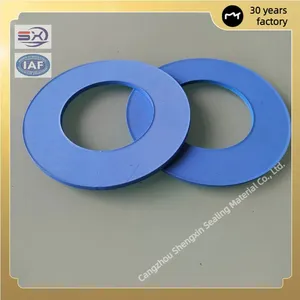
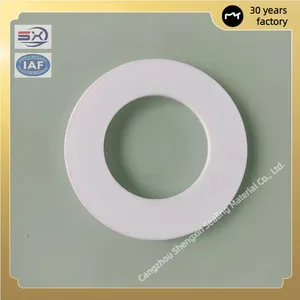
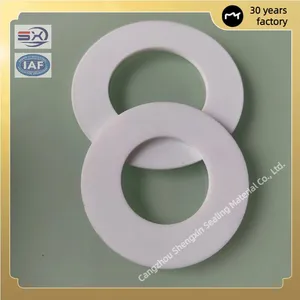
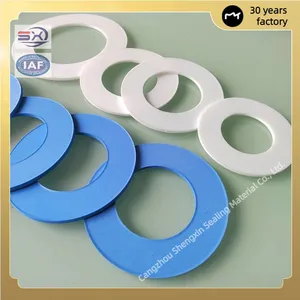
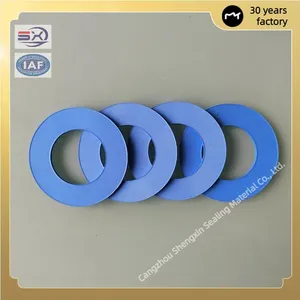
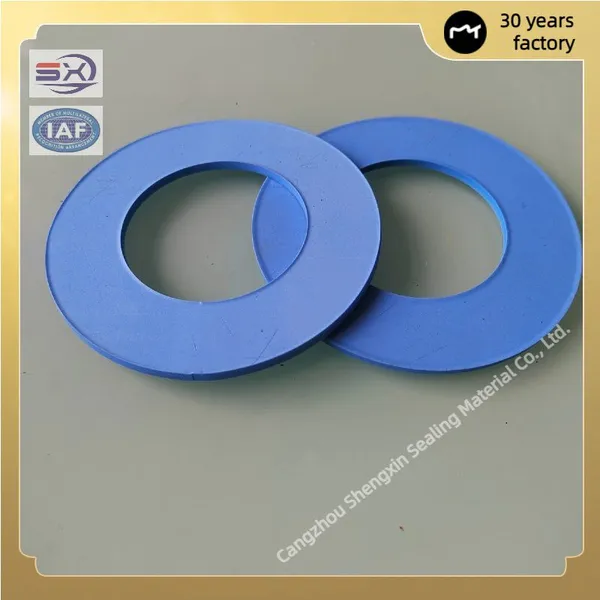
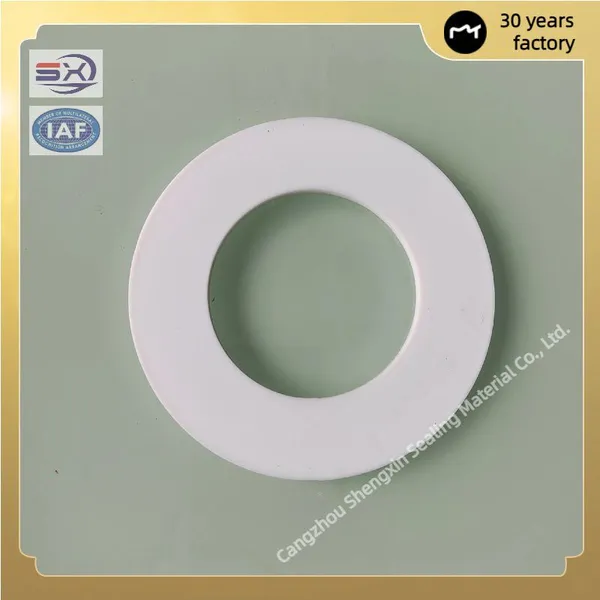
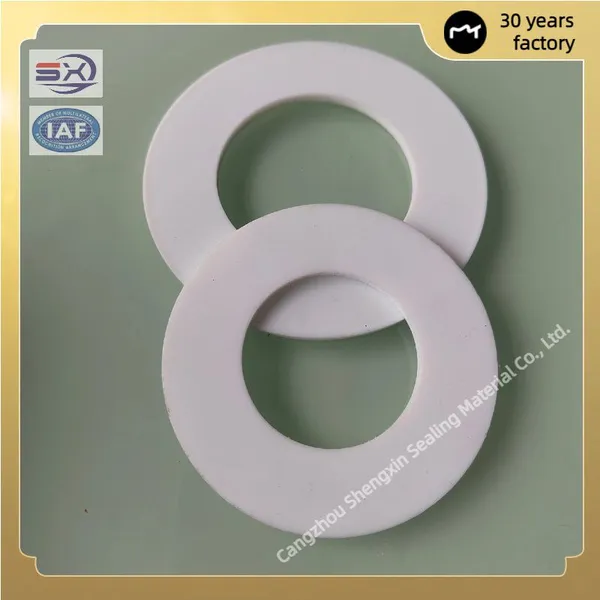
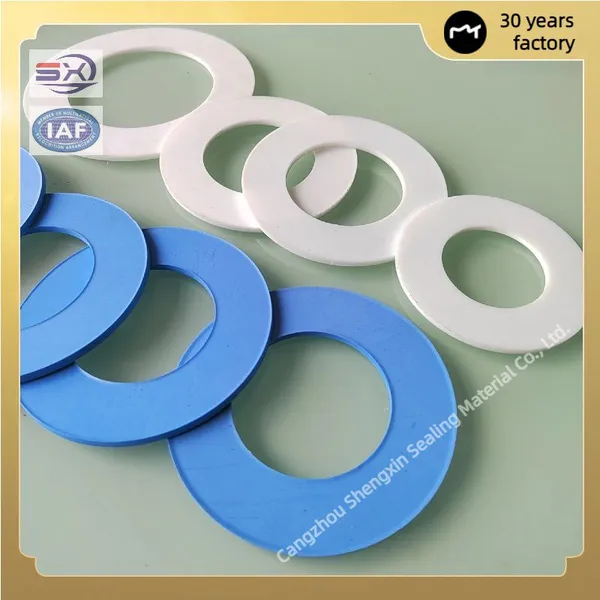
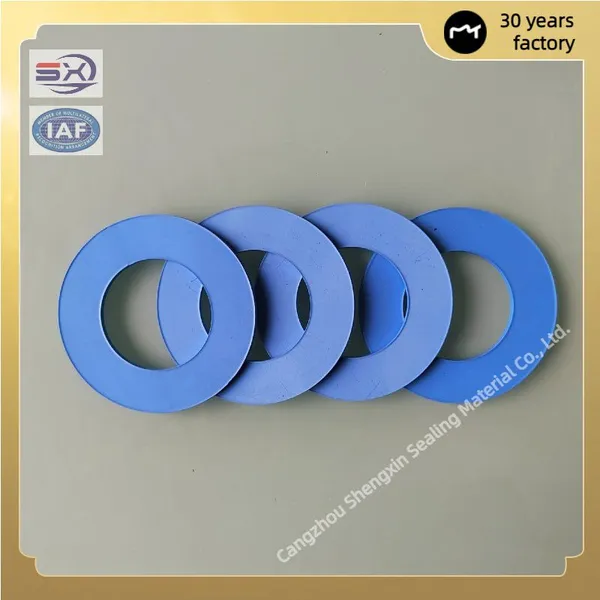
Customized Non-Standard Flange Sealing White and Blue PTFE O-Ring Gaskets


Related Products
-
 Flange Sealing White PTFE Gasket, Resistant to High Pressure and Corrosion.NegotiableMOQ: 100 Pieces
 -
Flange Sealing White PTFE Gasket EPTFEgasketNegotiableMOQ: 100 Pieces
-
ASME Flange Sealing White PTFE Gasket EPTFEgasketNegotiableMOQ: 100 Pieces
-
Special Outer Ring Metal Spiral Wound Sealing Gasket for Heat ExchangersNegotiableMOQ: 100 Pieces
-
Spiral Wound Gasket Graphite Filled for Flange High Temperature SealingNegotiableMOQ: 100 Pieces
PTFE gaskets
PTFE gaskets, are made of polytetrafluoroethylene (PTFE). With its unique chemical and physical properties, they are widely used in many fields. The following is a detailed analysis of its uses and performance:
Main Applications
1. Chemical Industry
* Sealing and Anti-corrosion: Used for sealing of pipelines, valves, and reactors, resistant to strong acids, strong alkalis, and organic solvents
* High Temperature Environment: Maintains performance at extreme temperatures of -200°C to +260°C, suitable for heat exchangers and high-temperature reaction equipment.
2. Food and Medicine Hygiene and Safety: Meets FDA standards, used for sealing of food processing equipment and pharmaceutical machinery to avoid contamination.
3. Electronic and Electrical High-Frequency Insulation: Used as sealing gaskets for cable insulation layers and high-frequency electronic components, with stable dielectric constants and reduced signal loss.
4. Mechanical Industry Low-Friction Seals: Used for dynamic sealing of hydraulic systems, compressors, etc. to reduce wear; Provides airtightness protection in vacuum equipment.
Core performance
1. Chemical corrosion resistance: Almost insoluble in all solvents (except molten alkali metals and high-temperature fluorine gas), resistant to aqua regia corrosion.
2. Wide temperature range adaptability Working temperature range: -200ºC to +260ºC, no brittleness at low temperature, no decomposition at high temperature.
3. Self-lubrication and non-stickiness: The friction coefficient is as low as 0.05-0.10, the surface is anti-sticky, easy to clean, and suitable for viscous medium sealing.
4. Excellent electrical insulation: The dielectric strength is as high as 20kV/mm, the dielectric loss is small, and it is suitable for high-frequency and high-voltage environments.
5. Flexibility and plasticity: It can be processed into special-shaped gaskets through molding, turning and other processes to adapt to complex sealing surfaces.
Limitations and precautions
1. Poor creep resistance: It is easy to deform under long-term high pressure, and needs to be checked regularly or used in combination with reinforcing materials (such as graphite and glass fiber).
2. Low mechanical strength: The tensile strength is about 20-35MPa, and it is not suitable to be used alone in high-pressure impact scenarios.
3. Poor thermal conductivity: The thermal conductivity coefficient is 0.25 W/(m·K), and it should be avoided in key heat dissipation parts.
4. Insufficient wear resistance: It may wear during high-load dynamic sealing, and fillers (such as carbon fiber) can be added to improve wear resistance.
PTFE gaskets are ideal sealing materials for chemical, food, electronics and other fields, especially in corrosion, high temperature and insulation scenarios. However, their mechanical performance limitations require users to select reinforced PTFE or composite gaskets according to specific working conditions (such as pressure, dynamic load) to ensure long-term reliability.

Send Inquiry to This Supplier

You May Also Like
-
Stainless Steel Gasket per ASME Standard for High Pressure PipelineNegotiableMOQ: 100 Pieces
-
Carbon Steel Spiral Gasket Good Elasticity for Industrial Flange JointNegotiableMOQ: 100 Pieces
-
Composite Metal Gasket Anti-corrosion for Chemical Equipment SealingNegotiableMOQ: 100 Pieces
-
Round Spiral Wound Gasket Durable for Boiler and Pump ConnectionNegotiableMOQ: 100 Pieces
-
Alloy Steel Gasket Heat Resistant for High Temperature Working ConditionNegotiableMOQ: 100 Pieces
-
Multi-layer Wound Gasket Compression Resistant for Heavy Industry UseNegotiableMOQ: 100 Pieces
-
Duplex Steel Gasket Heat Insulated for Industrial Furnace FacilitiesNegotiableMOQ: 100 Pieces
-
Low Wear Spiral Gasket Long Service Life for Frequent Use ValvesNegotiableMOQ: 100 Pieces
-
High Strength Spiral Gasket Strict Testing for Oil Field EquipmentNegotiableMOQ: 100 Pieces
-
Flexible Graphite Gasket Leak Proof for Heat Exchanger ConnectionsNegotiableMOQ: 100 Pieces


