Contact Platform Support
 Help Center
Ammonia Nitrogen Degrading Bacteria
Product Spotlights


Related Products
Product Description
Description
Ammonia-nitrogen degrading bacteria, also known as ammonia-oxidizing bacteria (AOB) and ammonia-oxidizing archaea (AOA), have several important applications in various fields due to their role in nitrification and nitrogen cycle regulation.
Ammonia is a compound that contains nitrogen and hydrogen, and it is commonly found in various environments, including soil and water. Ammonia can be produced through natural processes, such as the breakdown of organic matter or the excretion of waste by animals. High levels of ammonia in certain environments, such as water bodies, can be detrimental to aquatic life and ecosystems.
Ammonia-nitrogen degrading bacteria, also known as ammonia-oxidizing bacteria (AOB) and ammonia-oxidizing archaea (AOA), play a crucial role in the nitrogen cycle by converting ammonia into nitrite and subsequently into nitrate. This process, called nitrification, is essential for converting ammonia, which is toxic to many organisms, into forms of nitrogen that can be taken up by plants or further transformed by other bacteria.
Ammonia-oxidizing bacteria and archaea are autotrophic microorganisms, meaning they derive their energy from inorganic sources and do not require organic compounds for growth. They are commonly found in soil, water, and other environments with high ammonia concentrations. These bacteria utilize specialized enzymes to catalyze the oxidation of ammonia. This oxidation process releases energy that the bacteria use for their metabolic activities.
Ammonia-oxidizing bacteria and archaea are significant contributors to maintaining the balance of nitrogen in ecosystems. They help regulate ammonia levels, preventing its accumulation to toxic levels. The nitrates produced as a result of their activity are essential nutrients for plants, supporting their growth. Additionally, nitrates produced by nitrifying bacteria can also be subject to denitrification, another microbial process that converts nitrates back into atmospheric nitrogen, completing the nitrogen cycle.
The study and understanding of ammonia-nitrogen degrading bacteria are essential for managing nitrogen levels in various environments, including wastewater treatment, agricultural systems, and aquatic ecosystems. By harnessing the capabilities of these bacteria, it is possible to mitigate the harmful effects of excess ammonia while promoting a healthier and more sustainable nitrogen cycle.
Name: Ammonia nitrogen-degrading bacteria
Component&Content: Nitrosomonas, Nitrobacter, nutrient substance, and so on. Total bacteria ≥10 billion pcs/g.
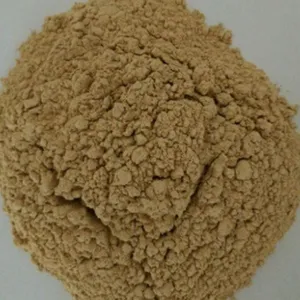
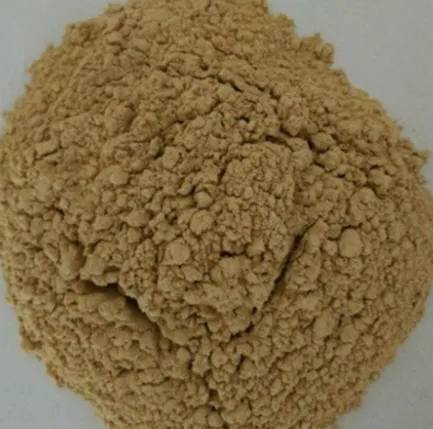
Appearance: Light yellow powder
Application
Wastewater Treatment: Ammonia-oxidizing bacteria are used in wastewater treatment plants to remove ammonia from sewage and industrial wastewater. These bacteria convert toxic ammonia into nitrite and then into nitrate, which is less harmful to the environment. This process helps in reducing ammonia levels in the effluent and ensures that treated water released back into the environment is less harmful to aquatic life.
Agriculture: In agriculture, ammonia-oxidizing bacteria play a significant role in soil health and nutrient management. These bacteria convert ammonia from fertilizers and organic matter into nitrate, a form of nitrogen that plants can readily absorb. This enhances nutrient availability to crops and minimizes the loss of excess ammonia, which could otherwise leach into groundwater or contribute to air pollution.
Aquaculture: In aquaculture systems, where fish and other aquatic organisms are reared, ammonia buildup can be a major concern. Ammonia-oxidizing bacteria help in maintaining water quality by converting the ammonia produced from fish waste into less toxic nitrate. This contributes to a healthier environment for aquatic organisms and reduces the need for frequent water changes.
Bioremediation: Ammonia-oxidizing bacteria can be used in bioremediation efforts to clean up contaminated environments. These bacteria can help mitigate ammonia pollution in soil and water by converting ammonia into nitrate, which is less harmful and can be more easily managed.
Environmental Monitoring: Monitoring the presence and activity of ammonia-oxidizing bacteria can serve as an indicator of the health of ecosystems. Changes in their populations can signal shifts in nitrogen levels and nutrient cycling, which are critical for maintaining ecosystem balance.
Biofertilizers: Certain strains of ammonia-oxidizing bacteria can be formulated into biofertilizers, which are used to enhance plant growth and soil fertility. These biofertilizers promote nitrification in the soil, leading to the release of nutrients in a controlled manner, reducing nutrient runoff, and improving nutrient use efficiency.
Research and Biotechnology: Studying the genetics and biochemistry of ammonia-oxidizing bacteria has implications for advancing our understanding of microbial ecology, biogeochemical cycles, and metabolic processes. Additionally, researchers are exploring the potential for utilizing these bacteria in biotechnological applications, such as the development of novel enzyme systems for industrial processes.
Main functions
1. Remove organic ammonia nitrogen and inorganic ammonia nitrogen from water.
2. Decompose the dirt the bacteria, low cost of water treatment.
3. Quickly recover from nitrification chaos caused by organic matter or inhibitory impact loads, excessive hydraulic load or sudden solid loss.
4. Improve water biodiversity and self-purification.
5. Improve the stability of the water treatment system and reduce the frequency and severity of the failure.
6. Increase the number and diversity of protozoa.
7. Quickly recover from failures caused by loads and poisons.
Conditions of Use
1. PH: The range of action is 6 - 8.5, the best use range is 6.5 -7.5.
2. Temperature: The range of action is 10-38 degrees, the best use range is 22-35 degrees. Above 60 °C will cause bacterial death; below 10 °C, bacterial growth will be limited.
3. Dissolved oxygen: In the aeration tank, the dissolved oxygen should be kept at 3-6 mg / l.
4. Salinity: Suitable for both seawater and fresh water, not high than 0.5% salinity.
Usage and Dosage
1. The influent and effluent of the activated sludge tank or biological pool are closed, and the aeration state is maintained, and the pH is adjusted to be between 6.5 and 7.5.
2. According to the ratio of 1 kg of 1 cubic water, ammonia nitrogen degrading bacteria are uniformly put into the aeration tank at one time, and the proportion can be increased or decreased according to the amount of sewage.
3. Continuous aeration for 24 hours, the microbes are activated, and the bacteria bed is attached and propagated to an active state.
4. It is recommended to adjust the influent water in a phased manner to reduce the impact on microorganisms. The first day is 1/3 of the normal water intake, the second day is 2/3, and the third day can be fully opened. If the water intake design is too small, it can be fully opened at one time.
5. Monitoring and adapting system operation, if the system is stable after about 30 days, no need to add bacteria.
Storage & Shelf life
Store: Store in a cool, dry place, and do not store it with toxic materials.
Shelf life: 18 Mouth.
Package
20kg per bag, or as your requirement.

Send Inquiry to This Supplier

You May Also Like
-
 Ammonia Nitrogen Wastewater MVR Evaporator for Efficient Treatment and ConcentrationUS$ 14600 - 812000MOQ: 2 Combos
 -
Ammonia Nitrogen Stripping Tower,Ammonia Nitrogen Absorption TowerUS$ 1,000 - 100,000MOQ: 1 Unit
-
Ammonia Nitrogen /nitrite Removal BacteriaNegotiableMOQ: 1 Kilogram
-
COD/ammonia Nitrogen/total Phosphorus/total Nitrogen Analyzer/multi Paramenter Water Analyzer/manufacturerNegotiableMOQ: 1 Unit
-
Electrochemical Water Treatment Equipment, for COD Degradation, Ammonia Nitrogen Removal, Total Nitrogen Reduction and Disinfection.US$ 799 - 9999MOQ: 1 Unit
-
Ammonia Nitrogen TesterUS$ 3,000 - 8,000MOQ: 1 Piece
-
Ammonia Nitrogen RemoveNegotiableMOQ: 1 Bag
-
Ammonia Nitrogen AnalyzerNegotiableMOQ: 1 Bag
-
Degradable Anti-bacteria Mesh SpunlaceUS$ 1 - 2MOQ: 2 Tons
-
Ammonia Nitrogen Removal ResinNegotiableMOQ: 10000 Kilograms