








 Contact Platform Support
 Help Center
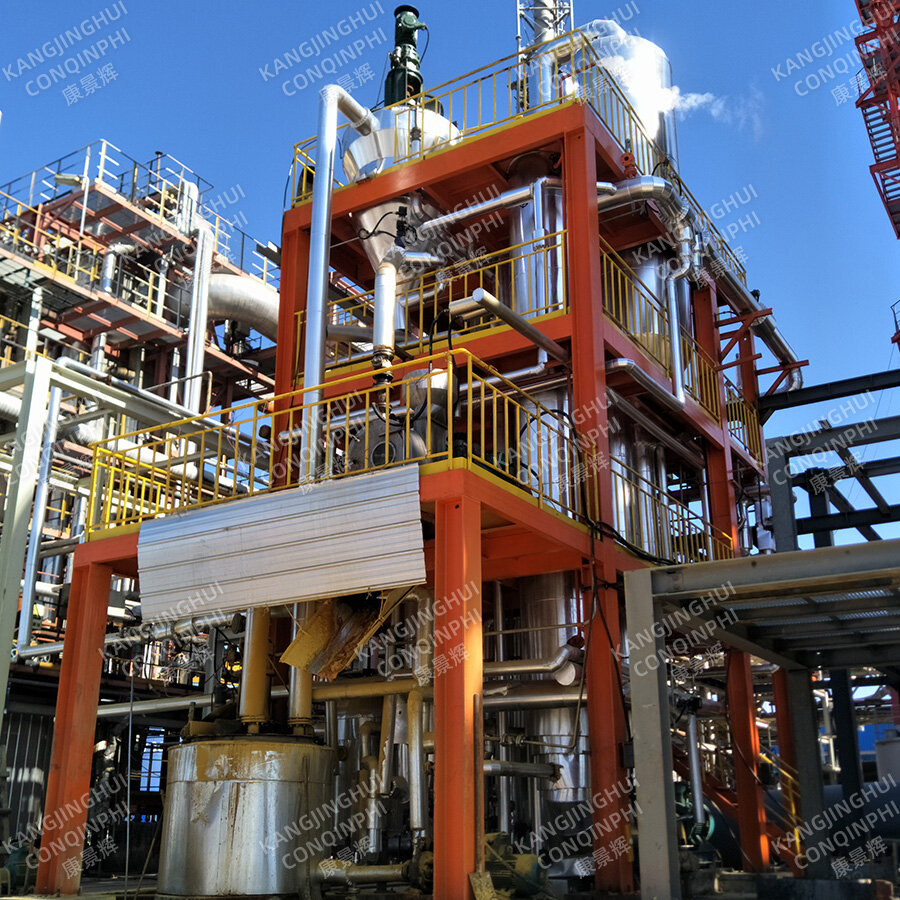
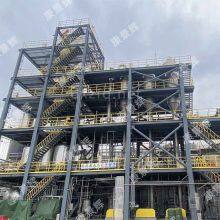
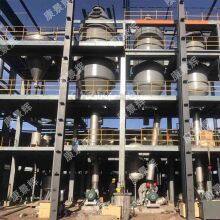
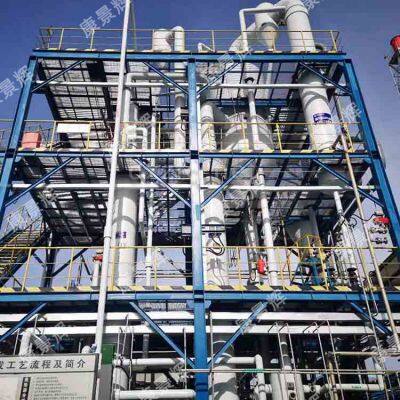
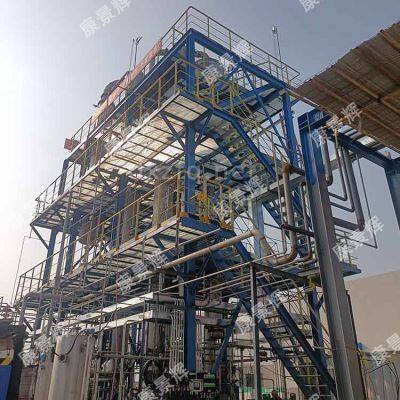
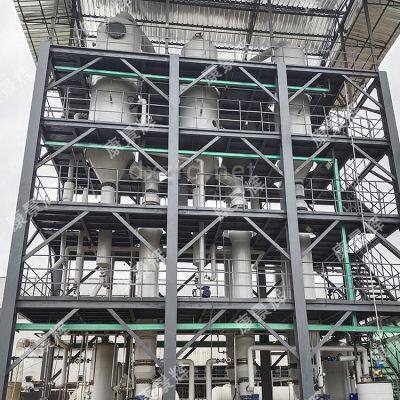
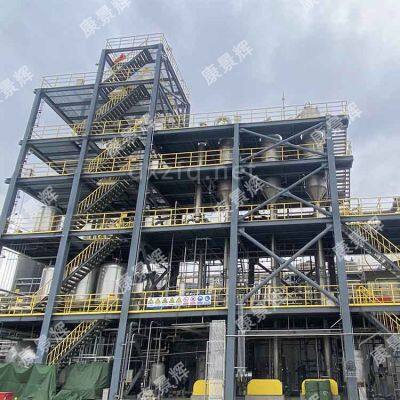
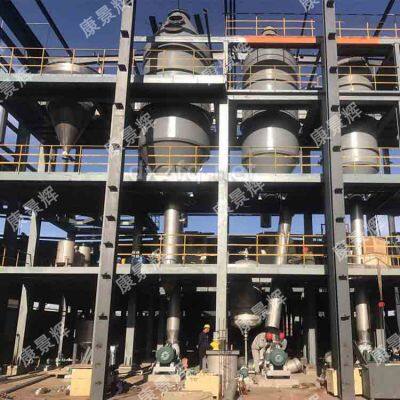
High-Performance Plate-Type Evaporator for Fine Chemicals With Three Effects


Related Products
-
 Tubular Large-Scale Evaporator With Three-Effect Design for High EfficiencyUS$ 7840 - 69500MOQ: 1 Combo
 -
Low-Temperature Forced Circulation Evaporator for Fine Chemicals ProcessingUS$ 8790 - 254100MOQ: 1 Combo
-
Advanced Carbon Steel Three-Effect Evaporator for Efficient Heat ExchangeUS$ 2100 - 427800MOQ: 1 Combo
-
Low-Temperature Plate-Type Evaporator for Stable Operation in IndustriesUS$ 7690 - 498000MOQ: 1 Combo
-
Carbon Steel Three-Effect Evaporator Designed for Fine Chemicals ApplicationsUS$ 3180 - 176900MOQ: 1 Combo
Triple-Effect evaporator
A triple-effect evaporator is a highly efficient and energy-saving evaporation device consisting of three evaporators connected in series. By repeatedly utilizing the latent heat of steam, it achieves efficient heat recovery and utilization, significantly reducing energy consumption. Its operation is as follows: raw steam heats the first-effect evaporator, and the resulting secondary steam serves as the heat source for the second and third effects, respectively. Finally, the steam generated by the third effect enters the condenser for condensation. This equipment is suitable for large-scale production and is widely used in the food, chemical, and pharmaceutical industries. It is particularly well-suited for processing heat-sensitive materials to ensure product quality.
System composition
A triple-effect evaporator consists of three evaporators connected in series (single-effect, double-effect, and triple-effect). Each evaporator contains the following core components:
1.Heating chamber: Heats the material using steam or secondary steam.
2.Separation chamber: Separates the steam from the concentrate.
3.Condenser: Condenses unused steam into water.
4.Vacuum system: Maintains negative pressure in the system, lowering the boiling point.
5.Circulation pump: Circulates the material within the system.
Triple-Effect evaporator Operating Principle
The triple-effect evaporator utilizes three evaporators in series to repeatedly utilize the latent heat of steam. Raw steam heats the first effect, generating secondary steam as the heat source for the second effect. This secondary steam in turn heats the third effect, whereupon the steam from the third effect is condensed. This process achieves cascaded utilization of thermal energy, significantly saving energy. The system maintains negative pressure through a vacuum system, lowering the boiling point and improving
efficiency. Widely used in the food, chemical, and pharmaceutical industries, it is suitable for large-scale production, reducing energy consumption, and ensuring product quality.
Advantages and Disadvantages
Advantages
1.Energy-saving and high efficiency: The latent heat of steam is reused multiple times, achieving a thermal energy utilization rate of 70%-80%, significantly reducing energy consumption.
2.High evaporation efficiency: Three evaporators connected in series achieve efficient evaporation, making it suitable for large-scale production.
3.Stable operation: A high degree of automation allows precise control of each effect parameter to ensure stable operation.
4.High product quality: Precise control of the evaporation temperature prevents high-temperature decomposition of materials, ensuring product quality.
5.Environmentally friendly: Reduced exhaust emissions and recyclable condensate reduce environmental pollution.
Disadvantages
Large initial investment: Complex equipment with high purchase, installation, and commissioning costs, placing a significant strain on small businesses or projects with limited funds.
2.High operating costs: Requires large amounts of cooling water to condense the secondary steam, increasing operating costs; maintenance and cleaning costs are also high.
3.Large equipment size: Requires a large footprint, limiting space requirements for businesses with limited space.
4.Complex operation: Involves multiple steps and parameter controls, requiring high operator expertise and experience. Limited adaptability to materials: High viscosity, easy to crystallize, containing suspended matter or heat-sensitive materials are prone to coking and clogging, affecting evaporation effect and product quality.
Triple-Effect evaporator are widely used in the following areas:
1.Food Industry
Fruit Juice Concentration: Used to concentrate fruit juices such as orange juice and apple juice, increasing their concentration for easier transportation and storage while preserving their flavor and nutritional content.
Milk and Dairy Product Concentration: During the milk concentration process, a triple-effect evaporator effectively removes water and increases the dry matter content of milk, which is used in the production of dairy products such as milk powder and condensed milk.
Sugar Concentration: Used to concentrate sugar solutions such as syrup and glucose, increasing their sugar concentration and reducing packaging and transportation costs.
2.Chemical Industry
Salt Crystallization: In the production of salts such as sodium chloride and sodium sulfate, a triple-effect evaporator is used to evaporate water and crystallize the salts.
Organic Solvent Recovery: Used in organic chemical production to recover organic solvents, reducing solvent waste and environmental pollution.
Acid and Alkali Concentration: Used to concentrate acid and alkaline solutions such as sulfuric acid, hydrochloric acid, and sodium hydroxide, increasing their concentration to meet industrial production needs.
3.Pharmaceutical Industry
Drug Concentration: In the pharmaceutical production process, it is used to concentrate drug solutions, increasing their concentration and facilitating subsequent drying and formulation.
Extract Concentration: Used to concentrate plant extracts, such as Chinese herbal medicine extracts, to retain active ingredients and improve extraction efficiency.
Solvent Recovery: Used to recover organic solvents during drug synthesis, reducing production costs and minimizing environmental pollution.
4.Environmental Protection
Wastewater Treatment: Used to treat high-concentration industrial wastewater, removing water from the wastewater through evaporation, concentrating pollutants for subsequent treatment and recovery.
Waste Liquid Concentration: Used in the electronics and electroplating industries to concentrate wastewater, reducing wastewater discharge and lowering treatment costs.
5.Seawater Desalination
Seawater Pretreatment: In the seawater desalination process, triple-effect evaporators can be used as pretreatment equipment to remove some salt from seawater, reducing the load on subsequent desalination processes.
6.Petrochemical Industry
Petroleum Refining: Used to process petroleum fractions during the petroleum refining process to improve product quality.
Natural Gas Processing: Used to dehydrate natural gas, removing water from it and improving its quality.
7.Textile Printing and Dyeing Industry
Dye Concentration: Used to concentrate dye solutions, increase dye concentration, and reduce dye usage.
Dyeing Wastewater Treatment: Used to treat dyeing wastewater, removing water through evaporation to concentrate pollutants for subsequent treatment and recovery.

Send Inquiry to This Supplier


You May Also Like
-
High-Efficiency Plate-Type Evaporator for Fine Chemicals With Forced CirculationUS$ 5000 - 62700MOQ: 1 Combo
-
Robust Three-Effect Evaporator for Tubular Heat Exchange ApplicationsUS$ 790 - 132000MOQ: 1 Combo
-
Durable Titanium Three-Effect Evaporator for Fine Chemicals ManufacturingUS$ 790 - 132000MOQ: 1 Combo
-
High-Performance Plate-Type Evaporator Designed for Stable Chemical ProcessingUS$ 3710 - 42700MOQ: 1 Combo
-
Forced Circulation Evaporator for Fine Chemicals With Three EffectsUS$ 7480 - 65800MOQ: 1 Combo
-
300t/d Sodium Chloride and Sodium Sulfate Triple-effect Evaporation SystemUS$ 5890 - 536900MOQ: 1 Combo
-
Forced Circulation Three-Effect Evaporator for Enhanced Chemical ProcessingUS$ 790 - 96500MOQ: 1 Combo
-
Plate-Type Triple-Effect Evaporator for Optimal Heat Exchange PerformanceUS$ 5000 - 214000MOQ: 1 Combo
-
Triple-Effect Plate-Type Evaporator for Fine Chemicals Processing SystemUS$ 8790 - 254100MOQ: 1 Combo
-
Hot Oil to Air Shell and Tube Tubular Heat ExchangerUS$ 800 - 6700MOQ: 1 Set
