








 Contact Platform Support
 Help Center
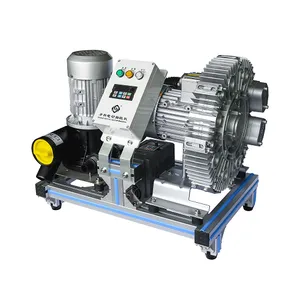
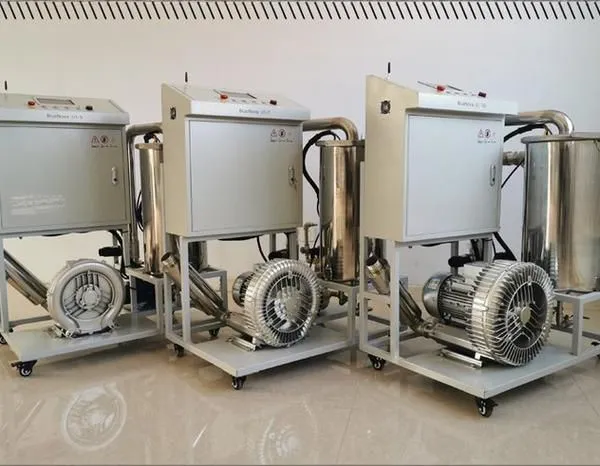
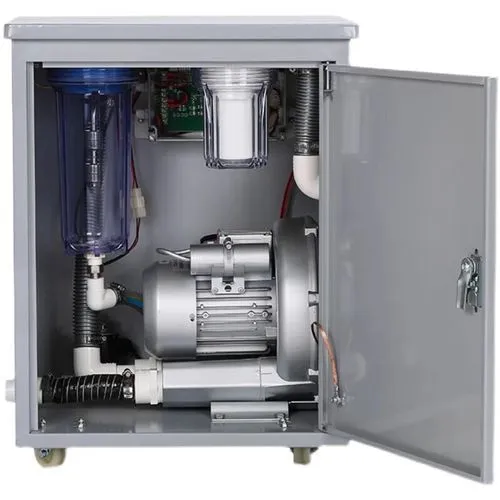
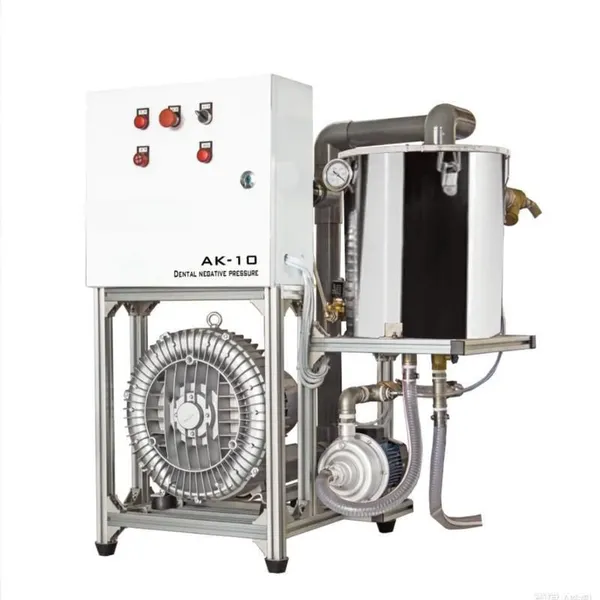
Dental Suction Machine, Dental Electric Suction Machine, Dental Suction Machine Negative Pressure Pump, Wind Vic Blower



Related Products
-
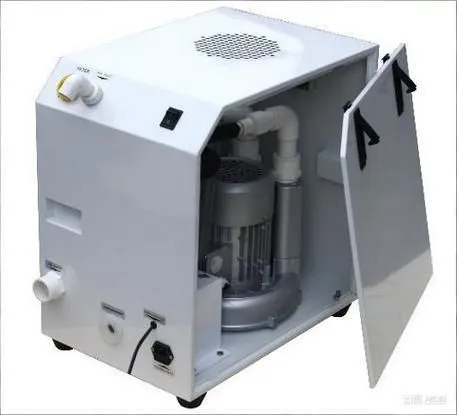
 Fengweike High-pressure Fan, Environmental Protection Sewage Treatment, Industrial Application Food Cleaning, Photovoltaic Application CleaningNegotiableMOQ: 1 Case
 -
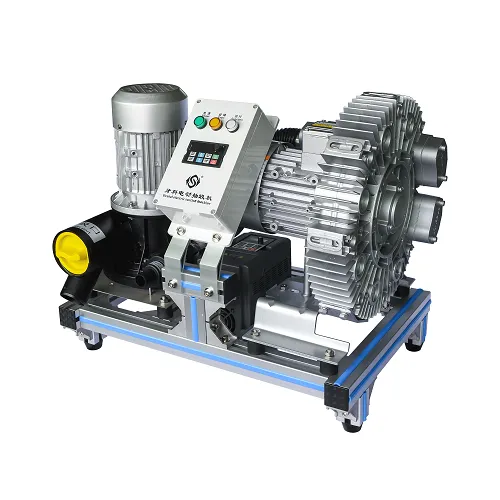
Fengweike Explosion-proof Fan, Gas Explosion-proof Blower - Dust Explosion-proof Blower, Gas and Dust Composite Explosion-proof High-pressure FanNegotiableMOQ: 1 Piece
-
Dental Suction Machine Surgical Suction Machine (DFX-J.A)US$ 30 - 100MOQ: 10 Sets
-
Hot Sell LC002 Movable Dental Suction / Dental Suction MachineUS$ 100 - 1,000MOQ: 5 Sets
-
Hospital Suction Unit Dental Suction MachineNegotiableMOQ: 1 Set
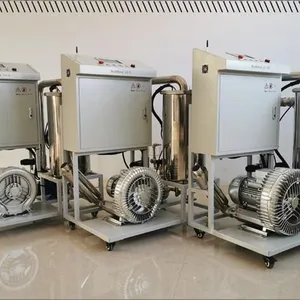
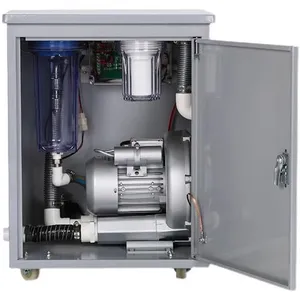
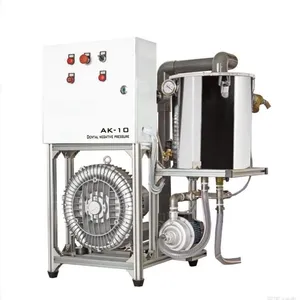
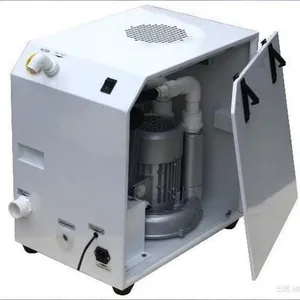
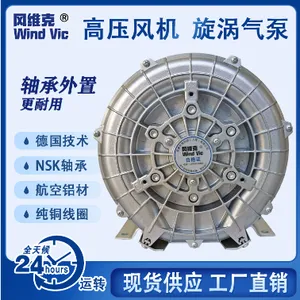
Dental negative pressure machine, wet oral suction machine, electric suction machine, liquid aspirator, negative pressure pump, dental suction machine, dental electric suction machine, dental suction machine negative pressure pump, wind vic blower.
Hello! I am delighted to assist you with inquiries regarding the application and selection of cast aluminum negative pressure blowers in dental equipment. This is a highly specialized and crucial field, directly impacting the efficiency of dental treatments, patient comfort, and the environmental hygiene of the dental office.
1. Main functions in dental equipment
The cast aluminum negative pressure blower serves as the core power component for equipment such as dental comprehensive treatment stations and suction systems. Its primary functions can be summarized as follows:
1. Creating negative pressure and suctioning waste foreign matter: This is the core function. During the treatment process, a large amount of saliva, blood, cooling water, grinded tooth debris, old filling particles, etc. will be generated. The blower generates stable negative pressure (vacuum), and through accessories such as suction spoon and suction tube, these waste foreign matter can be promptly and thoroughly suctioned out of the patient's mouth.
2. Maintain clear surgical field: Quickly aspirate liquids and debris to provide the doctor with a clear and dry surgical field, greatly improving the precision and efficiency of treatment, especially for delicate procedures such as dental caries restoration and root canal therapy.
3. Preventing cross-infection: Rapidly suctioning away aerosols and droplets that may contain pathogens reduces their spread in the air of the consultation room, protecting medical staff and other patients, and is a crucial aspect of infection control.
4. Enhance patient comfort: Avoid frequent getting up and rinsing by patients to prevent choking or nausea caused by saliva and debris, thereby enhancing the treatment experience.
5. Protect the interior of the equipment: Prevent liquids and debris from entering the internal pipelines of the treatment table, causing blockage or corrosion, and extend the service life of the equipment.
The advantages of cast aluminum material lie in its sturdy structure, good heat dissipation, lighter weight compared to cast iron, and superior corrosion resistance compared to ordinary steel. It is highly suitable for medical equipment that requires long-term stable operation and has certain requirements for noise and vibration.
II. Core Parameter Calculation and Selection Guide
The essence of model selection lies in matching "system requirements" with "fan performance". The following are the key parameters and calculation logic:
1. Definition of core parameters
· Air volume (Q): The volume of air drawn by a blower per unit time, commonly measured in cubic meters per hour (m³/h) or liters per minute (L/min). It determines the speed and capacity of suction.
· Negative pressure/vacuum degree (P): The pressure value below atmospheric pressure that a blower can generate. Common units include kilopascals (kPa), millibars (mbar), or millimeters of water (mmH₂O). It determines the suction "strength" and whether it can remove viscous liquids or stuck debris.
· Power (N): The rated input power of the blower motor, measured in kilowatts (kW) or watts (W). It is the result of the combined demand for air volume and pressure, and cannot be directly used as the primary basis for model selection.
2. Calculation and selection steps
Step 1: Determine system requirements (air volume Q and pressure P)
This serves as the foundation for model selection, typically determined by dental equipment manufacturers based on clinical standards and design considerations.
· Typical reference range:
· High vacuum suction (for strong sputum suction): The vacuum degree is relatively high, approximately -25kPa to -40kPa (-250 to -400 mbar); the air volume of a single suction port is approximately 30 - 50 m³/h.
· Low vacuum suction (for large-area sputum suction or cleaning): The vacuum level is relatively low, approximately -10kPa to -20kPa; the air volume requirement is higher, potentially exceeding 60 m³/h.
· Multi-channel simultaneous operation: Modern dental chairs are often equipped with one strong suction, one weak suction, and one mouthwash suction. It is necessary to consider the maximum total demand when all suction ports are operating simultaneously. Typically, the total air volume demand ranges from 80 to 150 m³/h, and the negative pressure demand is around -30kPa.
· Calculation method (simplified):
1. Calculate the required air volume: Qtotal = n * q * K
· n: The number of suction ports used simultaneously.
· q: The design air volume of each suction port (determined by the suction port diameter and flow rate, with empirical values provided by the manufacturer).
· K: Safety factor/pipeline loss factor (usually taken as 1.2 ~ 1.5, considering factors such as pipeline frictional resistance and filter blockage).
2. Determine the required pressure: Preq = Pwork + ΔPloss
· P work: The clinically effective negative pressure value (such as -30kPa) needs to be achieved at the suction port.
· ΔP loss: The total pressure loss of the entire piping system, including pipes, elbows, filters, collection tanks, sterilization valves, etc. This part needs to be estimated based on fluid mechanics formulas or measured through experiments, and it is an easily overlooked yet crucial aspect in model selection. During preliminary model selection, ΔP loss can be estimated at 5-15 kPa.
Step 2: Review the fan performance curve (P-Q curve)
This is a crucial tool for model selection. Each blower has its unique performance curve, indicating the air volume (Q) it can provide at different vacuum levels (P).
· Selection principle: The calculated system demand points (Qdemand, Pdemand) should fall within the high-efficiency operating region of the target wind turbine performance curve (usually the peak efficiency area in the middle of the curve), rather than at the extreme endpoints.
· Matching: Find a performance curve that, under the pressure of Pdemand, provides an air volume Qfan that is slightly greater than Qdemand.
Step 3: Determine the motor power
After selecting the fan model (i.e., determining the P-Q curve), the corresponding motor power is also determined. The manufacturer has already matched the appropriate motor for the specific impeller and operating conditions.
III. Important tips and recommendations for model selection
1. Reserve margin, but avoid "overkill":
· Safety margins must be considered to cope with situations such as pipeline aging and filter blockage.
However, if the margin is too large (such as selecting a fan that is much larger than necessary), it can lead to the fan operating in an inefficient region, resulting in increased energy consumption, louder noise and vibration, and a shorter lifespan.
2. Noise level is crucial:
· Dental clinics require a quiet environment to alleviate patients' tension. It is essential to request the noise level (dB(A)) of the fan at the target working point from the supplier.
· The cast aluminum fan, coupled with optimized volute and noise reduction design, can effectively reduce noise.
3. Medical compliance and material:
Ensure that the materials used in the fan (especially those in contact with the exhaust section), such as cast aluminum, sealing rings, and lubricating oil, can withstand the steam of commonly used disinfectants in clinics (such as ozone) and comply with relevant medical equipment or environmental regulations.
· It is best to pass the exhaust air through a high-efficiency particulate air (HEPA) filter to prevent the spread of microorganisms through the exhaust.
4. Reliability and after-sales service:
Dental equipment needs to work continuously, with reliability being of utmost importance. Choose reputable brands, and pay attention to bearing lifespan and protection level (such as IP54 dust and water resistance).
· Understand the supplier's supply cycle and maintenance and replacement support.
5. Brand and supply recommendations (common choices in the market):
· Shenghong, Shenghong, and Wind Vic brands have excellent reputations for their low noise and high reliability in medical fans, but their prices are relatively high.
· Domestic/joint venture premium brands: There are numerous domestic enterprises specializing in the production of cast aluminum fans, whose performance meets the requirements and offers a high cost-performance ratio. When selecting, please focus on the following aspects:

Send Inquiry to This Supplier

You May Also Like
-
Powerful Source 550W Vacuum Dental Suction Machine, Dental Chair SuctionUS$ 426 - 486MOQ: 1 Unit
-
Hot Selling Dental Suction Machine For Dental ChairUS$ 450 - 800MOQ: 1 Unit
-
New Dental Suction Machine(CE)NegotiableMOQ: 1 Piece
-
2014 Hot Sale! Dental Suction MachineUS$ 599 - 699MOQ: 1 Pack
-
High Quality Dental Comprossor Dental Suction Machine W70-2US$ 150 - 1,000MOQ: 1 Set
-
Cheap Dental Suction Machine Unit/Vacuum PumpNegotiableMOQ: 1 Piece
-
13LOTUS-DFX-IV.C Portable Dental Suction MachineUS$ 35 - 155MOQ: 5 Sets
-
Dental Suction Machine, Dental Electric Suction Machine, Dental Suction Machine Negative Pressure Pump, Wind Vic BlowerNegotiableMOQ: 1 Piece
-
Fully Automatic PVC Rib Wound Suction Hose Spiral Pipe Extrusion EquipmentNegotiableMOQ: 1 Piece
-
Dental Suction System /medical Suction&compressor Combine Machine HK-550NegotiableMOQ: 1 Set


