








 Contact Platform Support
 Help Center
Core Quality Standard for 99.9999% (6N) Copper





Related Products
-
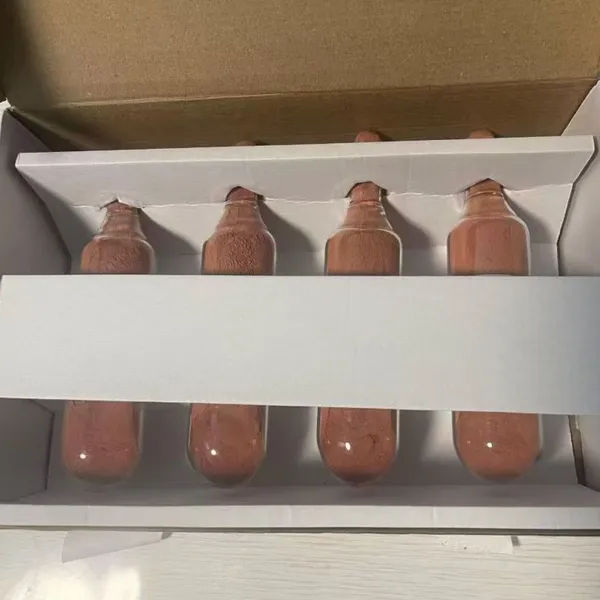
 99.9999 High-purity Copper PowderNegotiableMOQ: 1 Metric Ton
 -
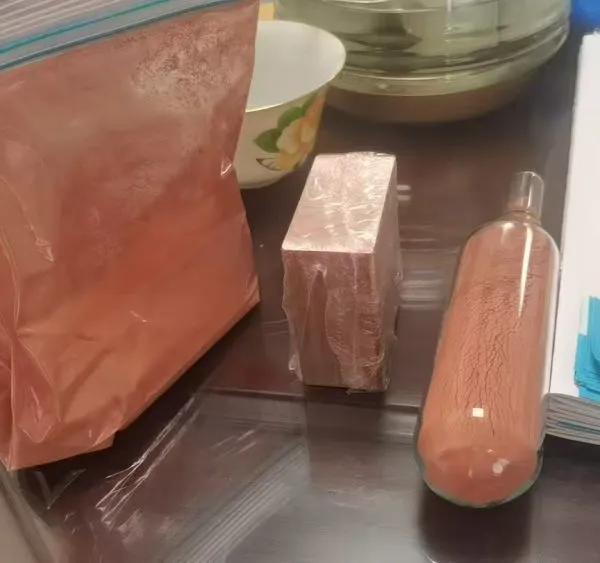
99.9999% High-purity Copper BlockNegotiableMOQ: 1 Hectare
-
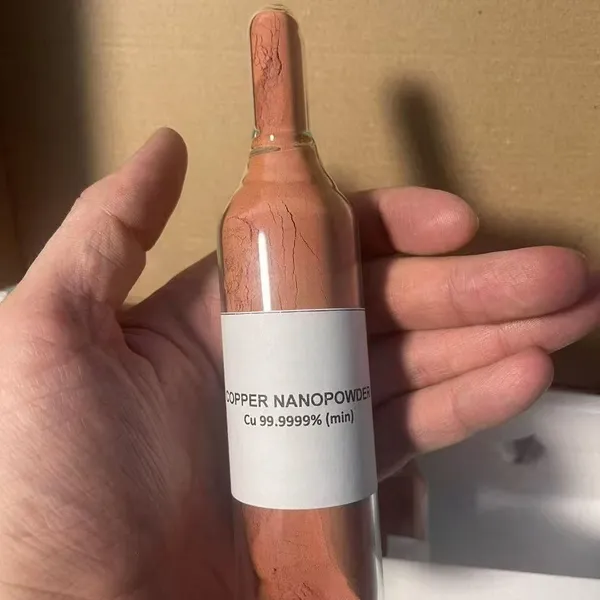
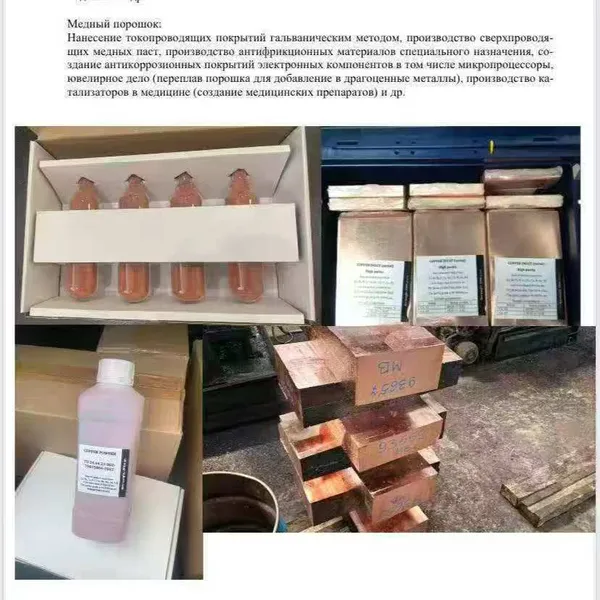
Core Quality Standard for 99.9999% (6N) Copper Powder Represented by China ChaoshengtongNegotiableMOQ: 1 Metric Ton
-
Customized UAV Solid-state BatteryNegotiableMOQ: 1 Unit
-
Customized Electric Vehicle Battery,drone BatteryNegotiableMOQ: 1 Unit
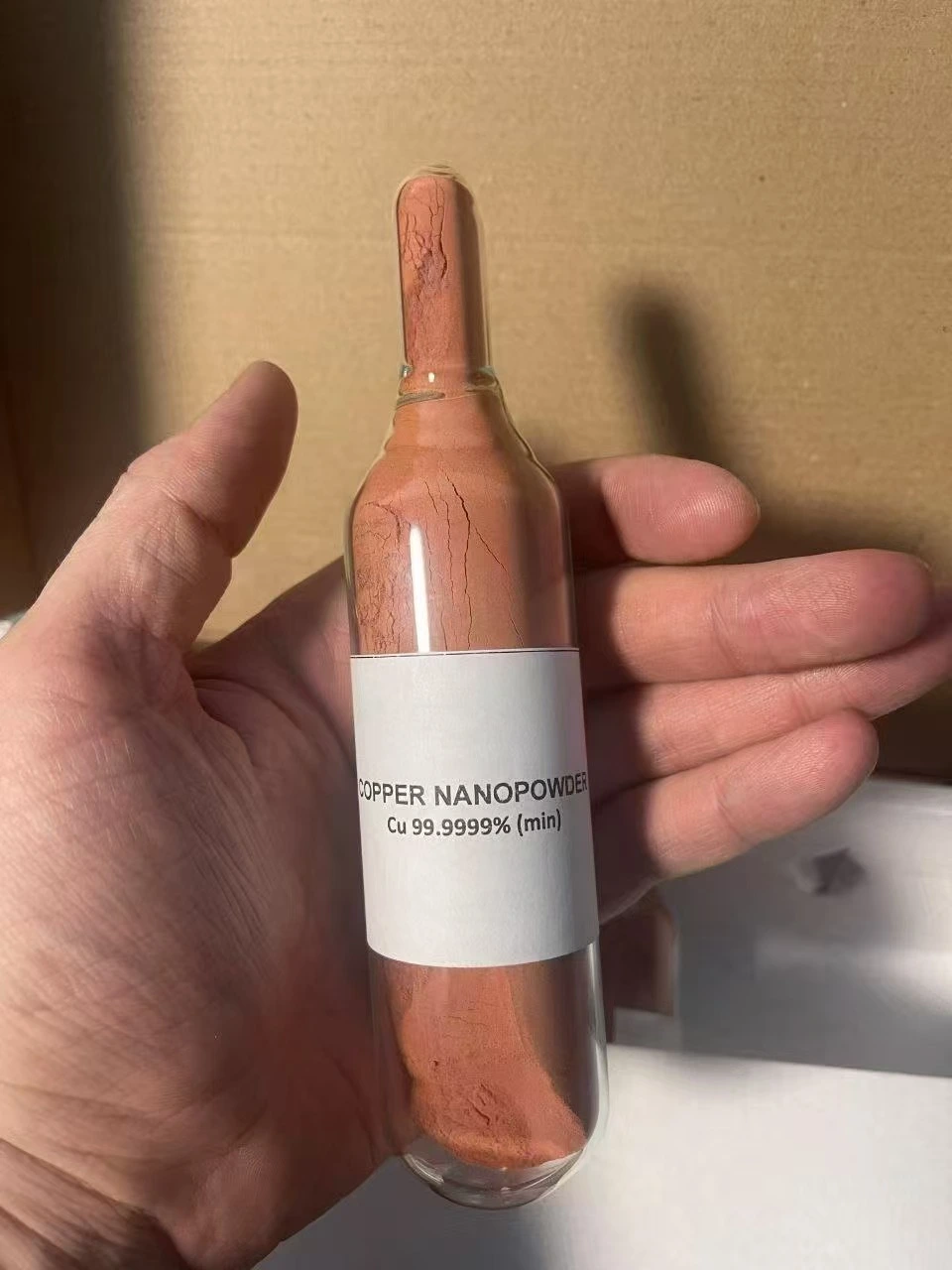
Core quality standard for 99.9999% (6N) copper powder represented by China Chaoshengtong
The copper content is ≥ 99.9999%, total impurities are ≤ 1ppm, and oxygen content, particle size distribution, physical properties, and safety and environmental indicators are strictly controlled. The following are complete and executable quality specifications and testing methods.
1、 The core chemical purity index (6N definition and impurity control) defines the purity of 6N copper powder as copper content ≥ 99.9999%, i.e. total impurities ≤ 1ppm (0.0001%), and key elements need to be strictly limited individually. The category of indicators requires a typical upper limit (ppm) for individual impurities. The difference in application scenarios is that the copper content is ≥ 99.9999%. The general basic indicator is that the total impurities are ≤ 1ppm. All 6N applications require key metal impurities such as Fe ≤ 0.5, Ni ≤ 0.3, Pb ≤ 0.2, Zn ≤ 0.2, Ag ≤ 0.1. Other impurities such as Cd, As, Sb, Bi, etc. are ≤ 0.1. Semiconductor/electronic pastes: strict control of Fe, Ni, Pb oxygen content is ≤ 5-20ppm (high-purity grade); ≤ 50ppm (industrial grade) -3D printing/evaporation material: ≤ 3-5ppm anti arc discharge carbon content ≤ 0.01ppm - Electronics/semiconductors: avoid carbide inclusions 2、 The key physical and process performance indicators affect the forming, conductivity, thermal conductivity, and processing adaptability, and are controlled differentially according to their applications. Application of typical range detection methods for performance projects affecting particle size distribution in electronic pastes: D50=1-3 μ m; 3D printing: D50=15-45 μ m; Steaming material:3、 At present, there is no exclusive national standard for 6N copper powder in China. Based on industry standards and international standards, the following core requirements must be met. Standard/Certification Core Content Applicable Scenarios GB/T 5246-2023 "Electrolytic Copper Powder" Basic electrolytic copper powder technical requirements, purity up to 99.99%, 6N to be controlled by high-purity protocol electrolytic method 6N copper powder Reference GB/T 41882-2022 "Copper and Copper Alloy Powder for Additive Manufacturing" Particle size, oxygen content, sphericity, flowability indicators 6N copper powder for 3D printing UN 38.3/IEC 62133 Transportation safety and battery grade applications Impurity control Electronic/battery copper powder ASTM B560 Copper powder Chemical analysis method International general testing basis Third party certification UN38.3, CE, RoHS, REACH Export and high-end electronic applications 4、 The detection method and compliance determination process ensure the accuracy and reliability of data, requiring the use of high-sensitivity instruments and standard procedures.
1. Purity testing: electrolytic method is used for the main amount of copper; Trace impurities can be detected by GD-MS (glow discharge mass spectrometry) or ICP-MS (inductively coupled plasma mass spectrometry) with a detection limit of up to ppb.
2. Oxygen content: Inert gas melting infrared absorption method (GB/T 11261)
3. Particle size/morphology: Combined determination of laser particle size analyzer and SEM.
4. Compliance determination: Only when the copper content meets the standard+total impurities ≤ 1ppm+individual impurities meet the requirements in Table 1+oxygen/carbon/physical properties meet the usage requirements, can it be determined as qualified.
5、 Quick Checklist for Procurement and Acceptance
1. Provide GD-MS/ICP-MS full impurity mass spectrometry reports, with total impurities ≤ 1ppm and key element single items not exceeding the standard. 2. Oxygen content report (≤ 5-20ppm, by purpose).
3. Particle size distribution (D10/D50/D90) and loose/compacted density data.
4. Morphology photos (SEM) and reference values for sintering/conductivity properties.
5. Third party certification (such as UN38.3, RoHS) and batch traceability records.
6、 Common risks and avoidance points • Poor quality/refurbished materials: Total impurities exceeding 1ppm, high levels of key elements such as Fe/Ni, which can easily lead to decreased conductivity and poor thermal stability. Excessive oxygen content: When ≥ 50ppm, it is prone to oxidation at high temperatures, affecting welding and conductivity. Uneven particle size: D50 fluctuates greatly or is widely distributed, causing processing and forming defects (such as pores and cracks)

Send Inquiry to This Supplier


You May Also Like
-
Semi-solid-state BatteryNegotiableMOQ: 1 Unit
-
Customized Solid-state Battery for DronesNegotiableMOQ: 1 Blade
-
Drone Solid-state Battery,semi-solid-state Batteries?NegotiableMOQ: 1 Blade
-
Mobile Phone BatteryNegotiableMOQ: 1 Blade
-
Elderly Phone BatteryNegotiableMOQ: 1 Blade
-
Mobile Phone Battery,drone BatteryNegotiableMOQ: 1 Unit
-
Smartphone BatteryNegotiableMOQ: 1 Unit
-
Mobile Phone Battery,productionNegotiableMOQ: 1 Blade
-
Brand Drone BatteryNegotiableMOQ: 1 Blade
-
Endurance Drone BatteryNegotiableMOQ: 1 Blade


