








 Contact Platform Support
 Help Center
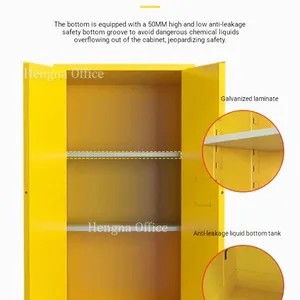
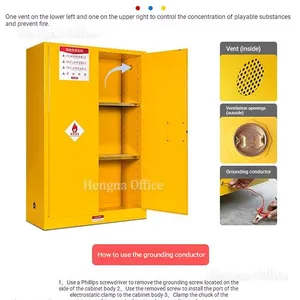
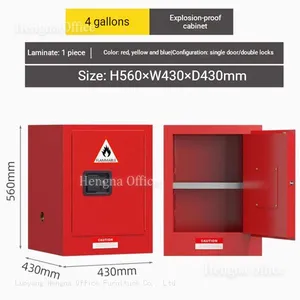
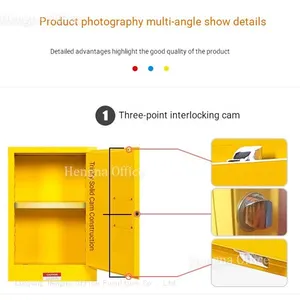
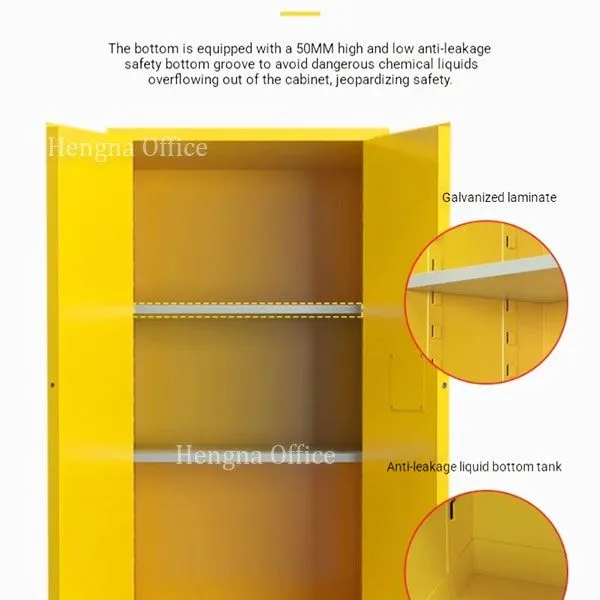
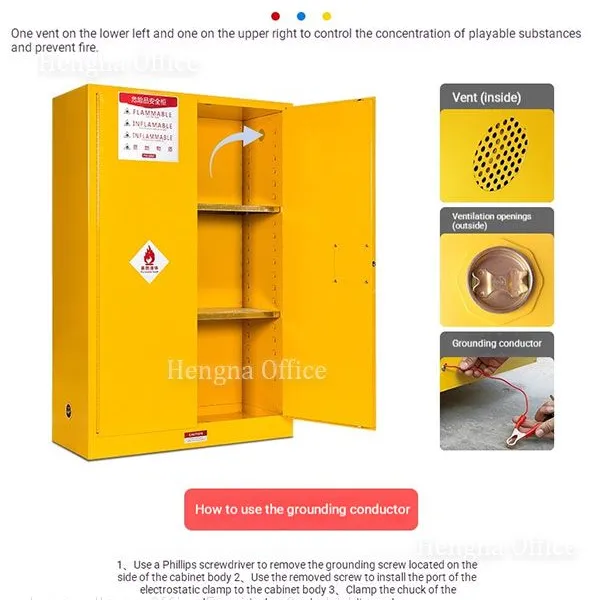
Heavy Duty Explosion Proof Cabinet |2.0mm Steel Thickness |for Chemical Plant With 3-Point Linkage Lock |Safety Standards



Related Products
-
 Flammable Liquid Storage Cabinet| for Chemical Plant| With Leak Proof Sump and Ventilation| Meeting Safety StandardsUS$ 50 - 400MOQ: 10 Sets
 -
Safety Solvent Storage Cabinet for Labs & Workshops | 30 Gallon, 1.2mm Reinforced Steel | Fireproof Box With Anti-static GroundingUS$ 50 - 400MOQ: 10 Sets
-
High-Capacity 90 Gallon Hazmat Storage Locker for Oil Refineries| Double-Walled Explosion-Proof Cupboard With 40mm Fire Insulation GapUS$ 50 - 400MOQ: 10 Sets
-
60 Gallon Industrial Fireproof Cupboard| for Pharmaceutical Plants| Double Door Flammable Liquid Safety Bin| With Anti-static ProtectionUS$ 50 - 400MOQ: 10 Sets
-
China OEM Manufacturer of 30 Gallon Solvent Storage Cabinet for Labs | 1.2mm Reinforced Steel - JUNTUOUS$ 50 - 400MOQ: 10 Sets
1. Why Thickness Matters: The 2.0mm Advantage
In the heavy-duty world of chemical manufacturing, equipment takes a beating. While the industry standard is 1.2mm, our Heavy Duty Explosion Proof Cabinet utilizes 2.0mm (14-gauge) steel. This 66% increase in thickness isn't just about weight; it’s about structural integrity under extreme mechanical and thermal stress.
2. Engineering for Extreme Environments
Chemical plants often face harsh conditions—vibration from heavy machinery, potential impact from forklifts, and corrosive atmospheres.
Impact Resilience: The 2.0mm steel shell acts as armor. In the event of a warehouse collision, the cabinet is significantly less likely to be breached, keeping the volatile contents safe.
Thermal Mass: Thicker steel provides a greater thermal sink. In a fire, it takes longer for the metal to reach its melting point, offering enhanced protection for the chemicals inside.
3. Comparison: 1.2mm Standard vs. 2.0mm Heavy Duty
| Feature | Standard (1.2mm) | Heavy Duty (2.0mm) |
| Ideal Use | Labs / Light Industry | Heavy Manufacturing / Refineries |
| Impact Resistance | Moderate | Superior / Forklift Rated |
| Fire Endurance | Standard Compliance | Extended Protection Profile |
| Weight Capacity | Up to 100kg/Shelf | Up to 150kg/Shelf |
Export to Sheets
4. Locking and Security: The Dual-Lock Strategy
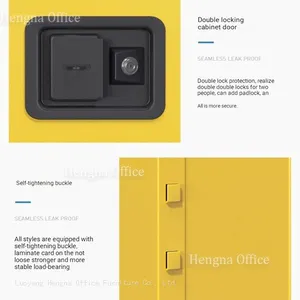
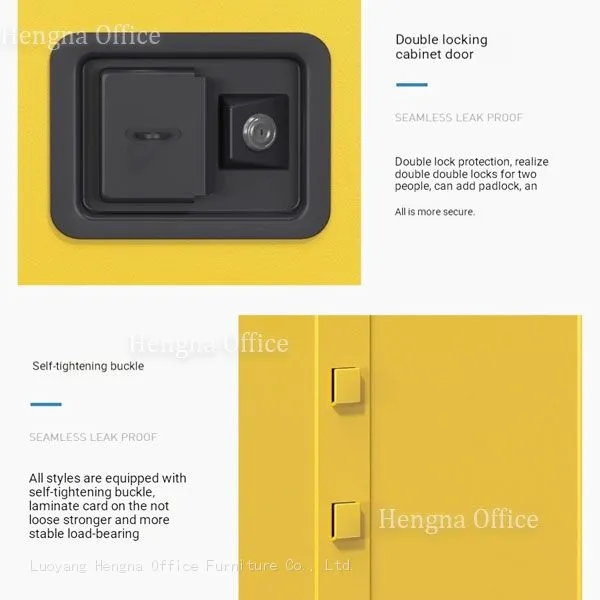
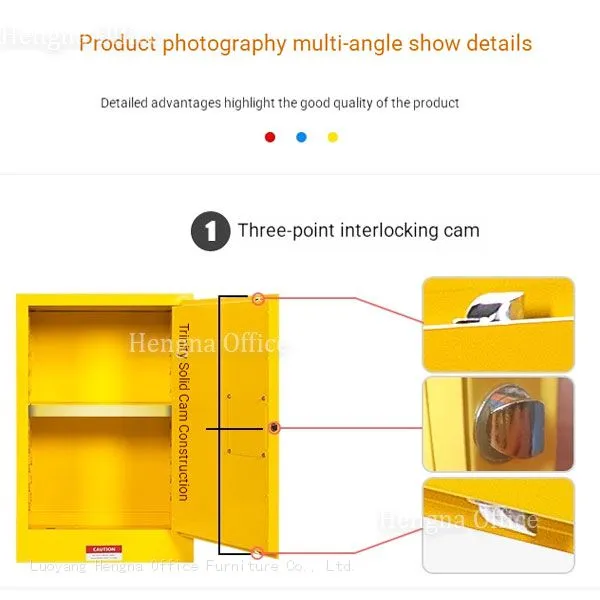
For high-value or highly regulated chemicals, our heavy-duty cabinets feature a dual-lock system. This allows for "Two-Person Management" (Dual Control), where two different keys or a key and a padlock are required to gain access. This meets the highest safety standards for preventing unauthorized access to precursors or toxic substances.
5. Advanced Coating Technology
Every heavy-duty cabinet undergoes a 7-step pre-treatment process:
Degreasing: Removing all industrial oils.
Acid Pickling: Ensuring a pure metal surface.
Phosphating: Creating a corrosion-resistant layer.
Epoxy Powder Spraying: Applying a thick, chemical-resistant finish.
-
High-Temperature Curing: Ensuring the finish won't chip or crack under stress.
6. Strategic Investment for Plant Owners
As a chemical plant owner, purchasing a 2.0mm cabinet is a long-term asset play. The replacement cycle is nearly double that of standard cabinets, and it often leads to lower insurance premiums due to the enhanced safety profile.

Send Inquiry to This Supplier



You May Also Like
-
Safety Solvent Storage Cabinet Supplier in Southeast Asia |Cabinet HS-110G-D |Serving R&D Laboratories - JUNTUOUS$ 50 - 400MOQ: 10 Sets
-
Solvent Storage Cabinet for Workshops in Chicago, IL | 1.2mm Cold Rolled Steel & Anti-static - JUNTUOUS$ 50 - 400MOQ: 10 Sets
-
5 Drawer Rolling Tool Cabinet With Central Locking System|HNJUNTUO Pre-assembled Heavy Duty Metal Cupboards for Project SourcingUS$ 156 - 239MOQ: 5 Combos
-
Customizable Branding on Professional Workshop Tool Chests|1800mm Tall Heavy Duty Steel Storage Cabinet With 4 ShelvesUS$ 156 - 239MOQ: 5 Combos
-
71" x 39" x 20" Heavy Gauge Steel Tool Cabinet – Blue Metal Garage Storage With Pegboard Doors for Automotive Repair ShopUS$ 156 - 239MOQ: 5 Combos
-
Heavy Duty Gallon Storage Cabinet | Large Capacity Organizer for Liquids & ChemicalsUS$ 50 - 400MOQ: 10 Sets
-
Heavy Duty Tool Storage Cabinet for Garage | Durable Organizer for Tools & Equipment|how to Prevent Tool Damage in WorkshopUS$ 50 - 300MOQ: 5 Sets
-
Industrial Grade Explosion Proof Cabinet | With 3-Point Linkage Lock System& Double-wall Steel Structure|for FactoryUS$ 50 - 400MOQ: 10 Sets
-
Steel Chemical Storage Cabinet With Glass Doors for Laboratory UseUS$ 350 - 700MOQ: 5 Combos
-
Flame-Resistant Gallon Cabinet - Compliant Chemical Storage for Manufacturing PlantsUS$ 50 - 400MOQ: 10 Sets


