








 Contact Platform Support
 Help Center
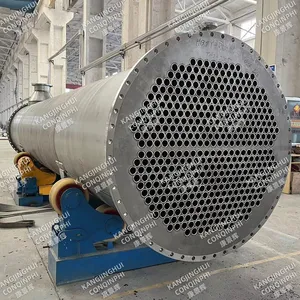
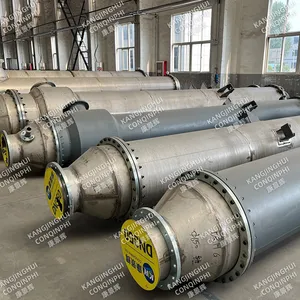
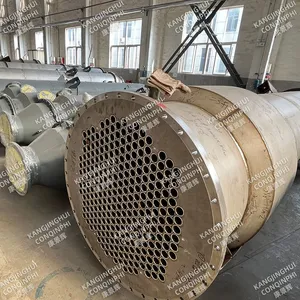
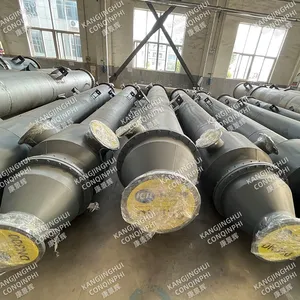
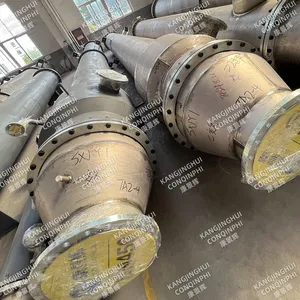
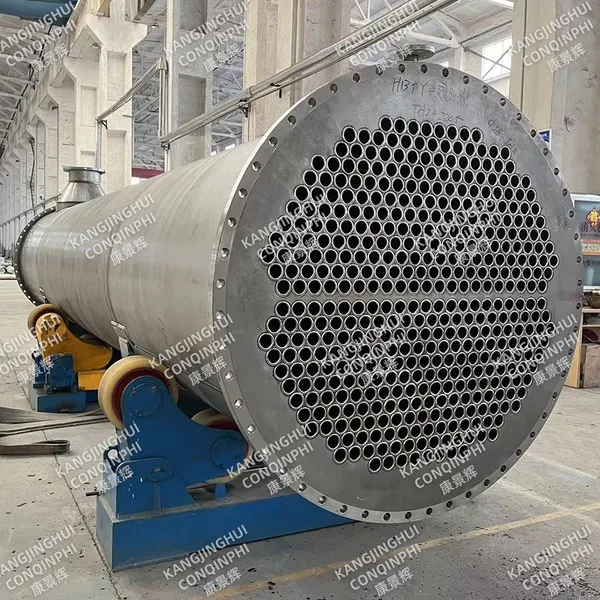
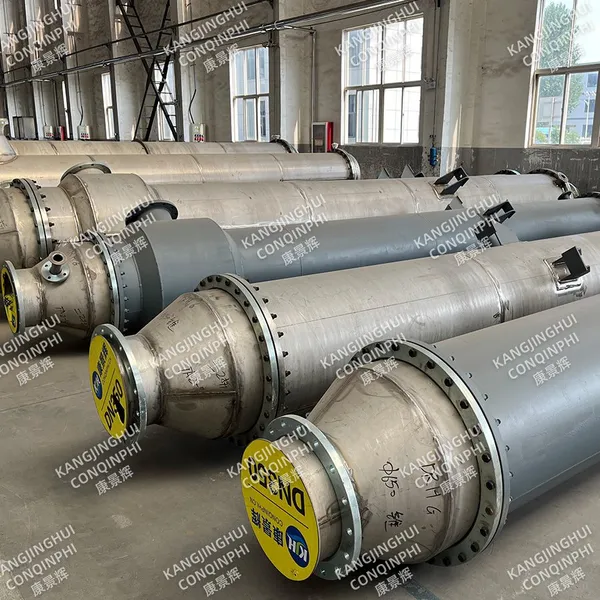
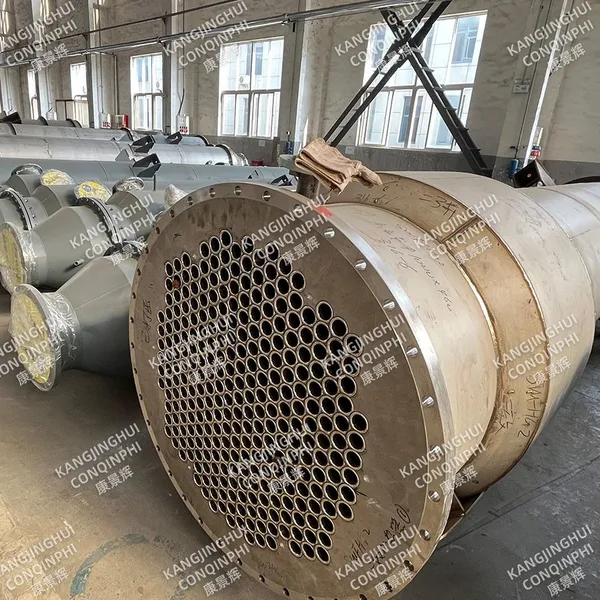
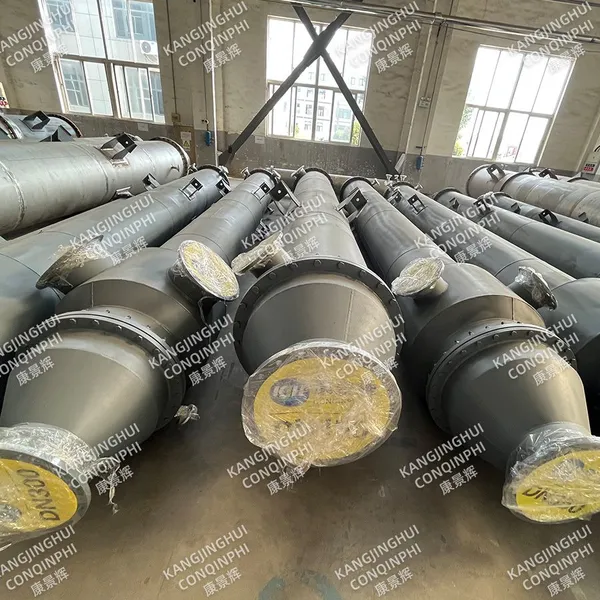
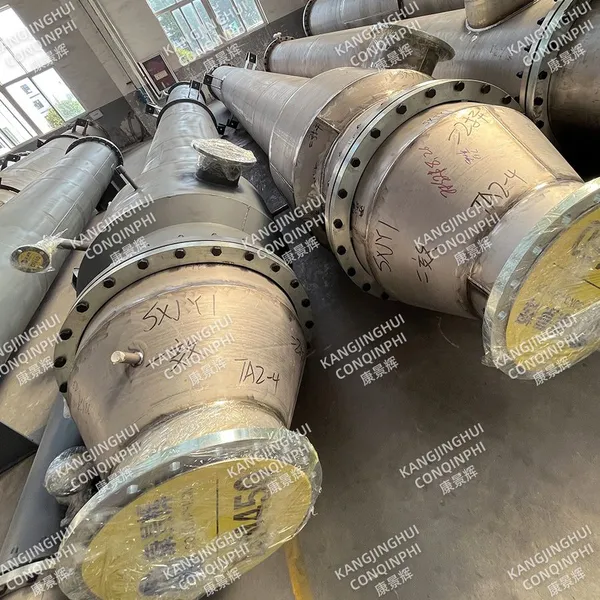
Industrial Shell and Tube Wastewater Crystallization Machine Systems Tubular Heat Exchanger




Related Products
-
 Stainless Steel Heater/Water Heat Exchanger/Plate Type Heat Exchanger ManufacturerNegotiableMOQ: 1 Combo
 -
Water-Water / Steam-Water Plate / All-Welded / Flue Gas Heat ExchangerNegotiableMOQ: 1 Combo
-
High Pressure Steam-Water Water-Water Plate Heat ExchangerNegotiableMOQ: 1 Combo
-
Pharmaceuticals/Pesticides/Fine Chemicals Wastewater Plate Heat ExchangerNegotiableMOQ: 1 Combo
-
High Pressure Steam-Water Water-Water Plate Heat ExchangerUS$ 100 - 800MOQ: 1 Combo
Tubular heat exchanger
A tubular heat exchanger is a common heat exchange device, primarily consisting of a tube bundle, tube sheet, and shell. Hot and cold fluids flow inside and outside the tubes, respectively, exchanging heat through the tube walls. Its advantages include a simple structure, resistance to high temperatures and high pressures, and a wide range of applications, particularly for high-viscosity fluids and those containing solid particles. However, tubular heat exchangers have relatively low heat transfer efficiency, require a large floor space, are difficult to clean, and are prone to scaling, which can affect heat transfer. They are widely used in industries such as the chemical, petroleum, and power generation industries.
Features of Tubular Heat Exchangers
1.Simple Structure: Consisting of basic components such as the tube bundle, tube sheet, and shell, it is relatively simple to design and manufacture.
2.High Temperature and High Pressure Resistance: Able to withstand high operating pressures and temperatures, suitable for a variety of harsh operating conditions.
3.Wide Application: Suitable for high-viscosity fluids and fluids containing solid particles, with strong adaptability.
4.Stable Operation: Robust structure, reliable operation, and long service life.
5.Low Heat Transfer Efficiency: Compared with plate heat exchangers, it has lower heat transfer efficiency and requires a larger heat transfer area.
6.Large Footprint: The equipment is larger and occupies more space.
7.Difficult to Clean: Tubes are prone to scaling, making cleaning and maintenance more complex.
8.Low Cost: Initial investment cost is relatively low, but long-term energy consumption is higher.
9.Low Flexibility: The fixed structure makes it difficult to adjust the heat transfer area according to needs.
10.Limited Corrosion Resistance: Material options are limited, and appropriate materials must be selected based on the fluid's characteristics.
These characteristics make tubular heat exchangers widely used in industries such as the chemical, petroleum, and power generation industries, particularly those requiring high equipment stability and pressure resistance.

Send Inquiry to This Supplier



You May Also Like
-
Filters for Chemical Plants Falling Film Vacuum Multiple Effect Mvr Plate EvaporatorUS$ 260 - 6900MOQ: 1 Combo
-
Industrial Wastewater Falling Film Vacuum Multiple Effect Mvr Plate EvaporatorUS$ 260 - 6900MOQ: 1 Combo
-
Industrial Heater Machine Mvr Falling Film Evaporator EquipmentUS$ 210 - 7690MOQ: 1 Combo
-
Falling 316L Stainless Steel Fine Chemicals Low-Temperature Mvr EvaporatorUS$ 480 - 63800MOQ: 1 Combo
-
Mvr Water Treatment Evaporator Industrial Effluent Treatment SystemUS$ 480 - 63800MOQ: 1 Combo
-
Mvr and Tvr Evaporators Machine Water Treatment Plant EquipmentUS$ 2140 - 7500MOQ: 1 Combo
-
Sewage Treatment Equipment Salt Wastewater Water Mvr EvaporatorUS$ 2140 - 7500MOQ: 1 Combo
-
Forced Circulation/Falling Film Single-Effect Mvr Evaporation Crystallization EvaporatorUS$ 2140 - 7500MOQ: 1 Combo
-
Lithium Carbonate in Battery Manufacturing Mvr EvaporatorUS$ 2140 - 7500MOQ: 1 Combo
-
Mvr Water Treatment Evaporator Industrial Effluent Treatment SystemUS$ 480 - 63800MOQ: 1 Combo
