








 Contact Platform Support
 Help Center
Glass Enamel Sheet - Heat Resistant Vitreous Enamel Steel Panel for Furnace Parts



Related Products
-
 Decorative Vitreous Enamel Wall PanelUS$ 60MOQ: 1000 Square Meters
 -
Pressed Enamel Steel Plate for ConstructionUS$ 92MOQ: 1000 Square Meters
-
Vitreous Enamel Steel Sheet Factory Direct Corrosion Resistant Metal PanelsUS$ 60MOQ: 1000 Square Meters
-
Vitreous Coated Steel Panel Wholesale Anti Scratch Enamel Metal SheetUS$ 71MOQ: 1000 Square Meters
-
Enamel Decorative Panel Custom Color Vitreous Enamel Steel Sheet for HotelsUS$ 82MOQ: 1000 Square Meters
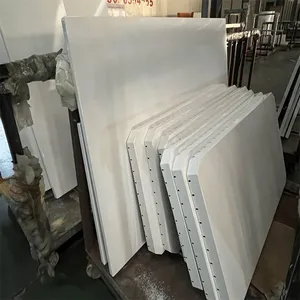
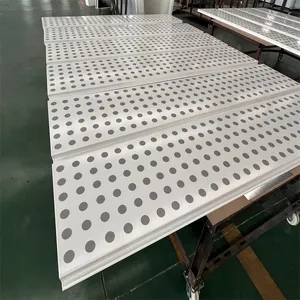
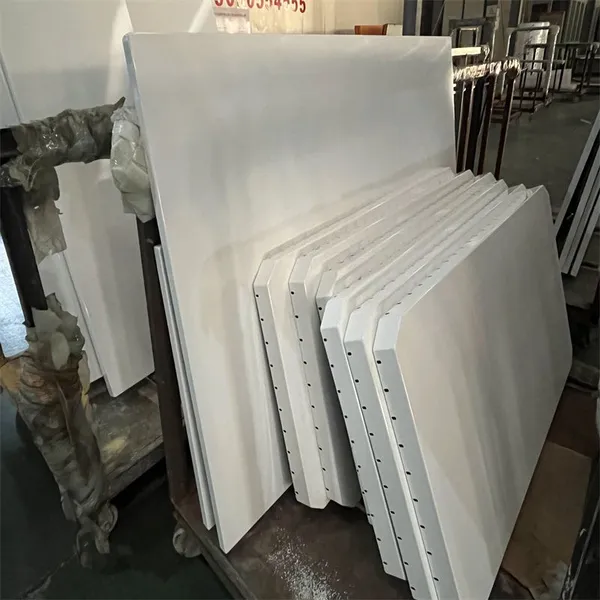
Glass ceramic panel is a composite material formed by melting inorganic non-metallic material enamel onto the surface of steel plate at high temperature. This process can form a dense and stable coating that firmly adheres to the metal substrate, combining the mechanical strength of steel with the surface characteristics of enamel. RUIERFA specializes in producing and supplying Glass ceramic panel for building applications, focusing on stable performance and long-term use.
Raw materials and manufacturing processes
The core material of glass ceramic panels is low-carbon steel plate, which is chosen for its structural stability and processing compatibility. During the production process, steel plates undergo surface pretreatment, including degreasing, acid washing, and cleaning, to ensure proper adhesion. Then, the enamel glaze is coated on the surface of the steel plate by spraying or dipping. After drying, the panel is fired in a high-temperature furnace, usually above 800 ° C. At this temperature, enamel melts and chemically combines with steel, forming a uniform enamel coating after cooling.
Specifications and customization options
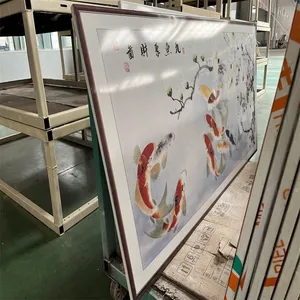
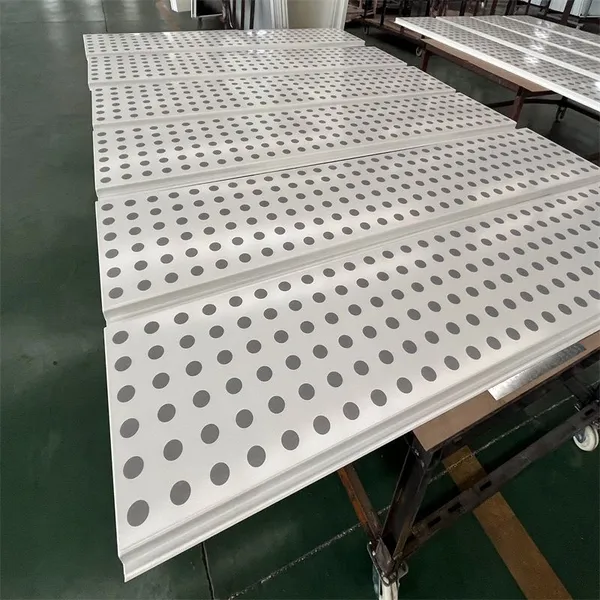
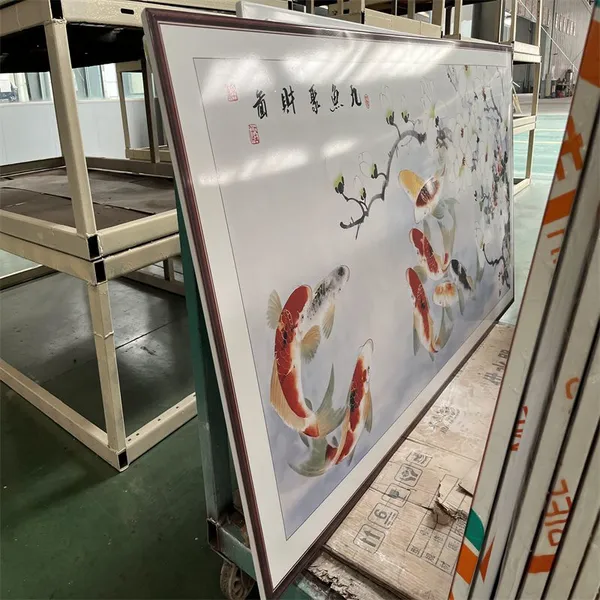
Glass ceramic panels come in various thicknesses and sizes to meet different application requirements. Its thickness range is 1.0 mm to 2.0 mm, and it can provide standard panel sizes or customized sizes for specific projects or equipment designs. According to functional requirements, surface treatment may include options for gloss, matte, or light texture. The color selection is based on the enamel formula and firing conditions to ensure consistent appearance across all batches.
Key features and performance
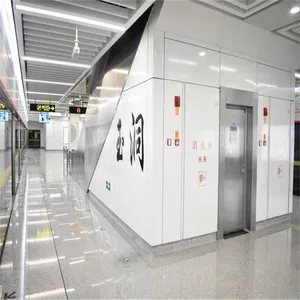
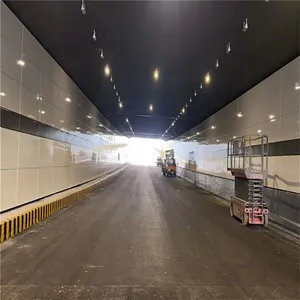
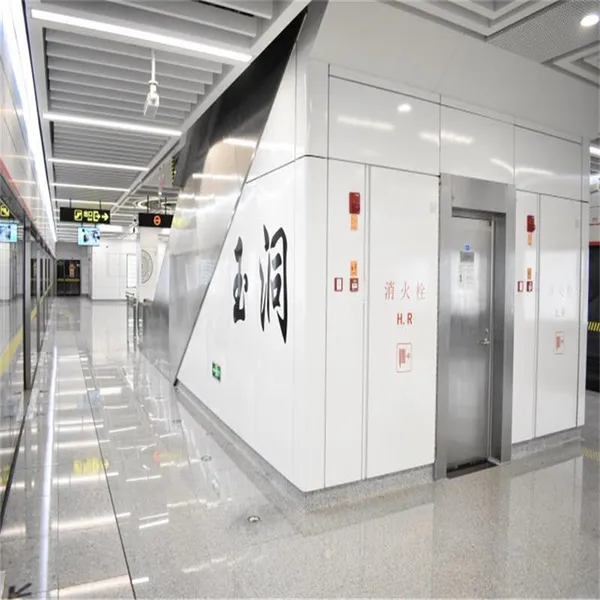
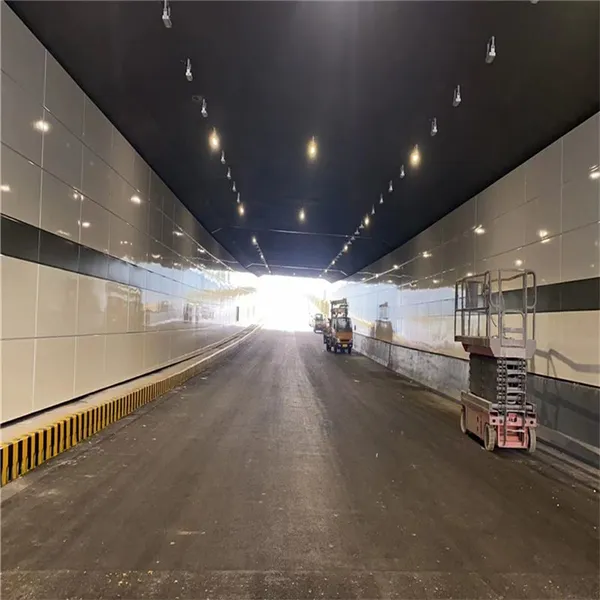
There are many advantages to glass ceramic panel. Its surface is dense, smooth, not easily permeable, and has strong anti fouling ability. Even if the wall is stained, it can be directly cleaned with water or a cleaning cloth, making maintenance easy. Moreover, glass ceramic panels have high wear resistance and hardness, making them suitable for use in public areas with high pedestrian traffic. The walls are less likely to be scratched or worn, reducing the burden of later maintenance. In addition, it has stable weather resistance and is not easily peeled off or discolored due to changes in temperature. It can also be used with confidence in environments with large temperature differences, such as subway tunnels and outdoor station halls. In addition, the shape and color of glass ceramic panels can be customized, and different projects can be matched according to style. They can be used for large-scale paving and also for shaping walls, meeting the aesthetic and unified needs of public spaces.
Typical Applications
Glass ceramic panels also exhibit stable performance in practical applications. In the subway field, many public areas can see glass ceramic panels used as wall decorations. Glass ceramic panels are becoming increasingly popular in places such as tunnels and underground passages. Traditional tunnel walls are prone to problems such as surface powdering, cracking, and alkali bleeding, while glass ceramic panels have a dense and stable surface, which can avoid these situations and are not easily deformed or rusted. Glass ceramic panels are often used as exterior walls and curtain wall decorations in areas such as airports, stations, exhibition halls, hospitals, and hotels.
RUIERFA's Quality Control and Supply
At RUIERFA, each glass ceramic panel is produced under controlled manufacturing conditions, paying attention to material selection, firing parameters, and surface inspection. Check dimensional accuracy, coating uniformity, and adhesion throughout the entire production process to ensure consistent delivery standards. RUIERFA provides enamel steel plates for building applications to international clients. By providing flexible specifications and stable production capacity, the company supports long-term partnerships with equipment manufacturers, contractors, and project developers.
Conclusion
As a type of glass enamel panel, glass enamel board provides structural support and a stable, heat-resistant surface through the fusion of steel plate and enamel. With its experience in the production of enamel coated steel, RUIERFA continues to provide reliable glass ceramic panels for various industrial applications.

Send Inquiry to This Supplier


You May Also Like
-
Decorative Enamel Steel Sheet Easy Clean Vitreous Enamel Wall Panel SupplierUS$ 114MOQ: 1000 Square Meters
-
Vitreous Enamel Sheet is Resistant to Salt and Alkali, Wear-resistant, and Customizable in SizeUS$ 46MOQ: 1000 Square Meters
-
Enamelled Pressed Steel Sheet - Fireproof Waterproof for Subway Station Wall Cladding China ManufacturerUS$ 47MOQ: 1000 Square Meters
-
Enamelled Pressed Steel Sheet - Custom Size Colorful Vitreous Coating for Hospital Wall Panel SupplierUS$ 67MOQ: 1000 Square Meters
-
Steel Plate With Enamel Coating - High Impact Resistance for Airport Terminal Wall China FactoryUS$ 46MOQ: 1000 Square Meters
-
Pressed Enamel Steel Plate - Decorative Pattern for Shopping Mall Interior Wall OEM/ODMUS$ 71MOQ: 1000 Square Meters
-
Enamel Sheet - Scratch Resistant Glossy Finish for Signage Display Panel Custom ColorUS$ 47MOQ: 1000 Square Meters
-
Vitreous Ceramic Panel - Fade Resistant Color Retention for Exterior Building Facade SupplierUS$ 75MOQ: 1000 Square Meters
-
Glass-Coated Steel Panel - Shatterproof Safe for Children's Playground Wall Panel ISO 14001US$ 71MOQ: 1000 Square Meters
-
Vitreous Glaze Panel - Crack Resistant Long Life Span for Stadium Interior Wall Panel SupplierUS$ 75MOQ: 1000 Square Meters


