








 Contact Platform Support
 Help Center
Home > Chemicals > Rubber & Rubber Products > Other Rubber Products > High-pressure Airbag Shield Plate Production and Sales, Landscape Ecological Air Shield Dam, Complete After-sales Service
High-pressure Airbag Shield Plate Production and Sales, Landscape Ecological Air Shield Dam, Complete After-sales Service
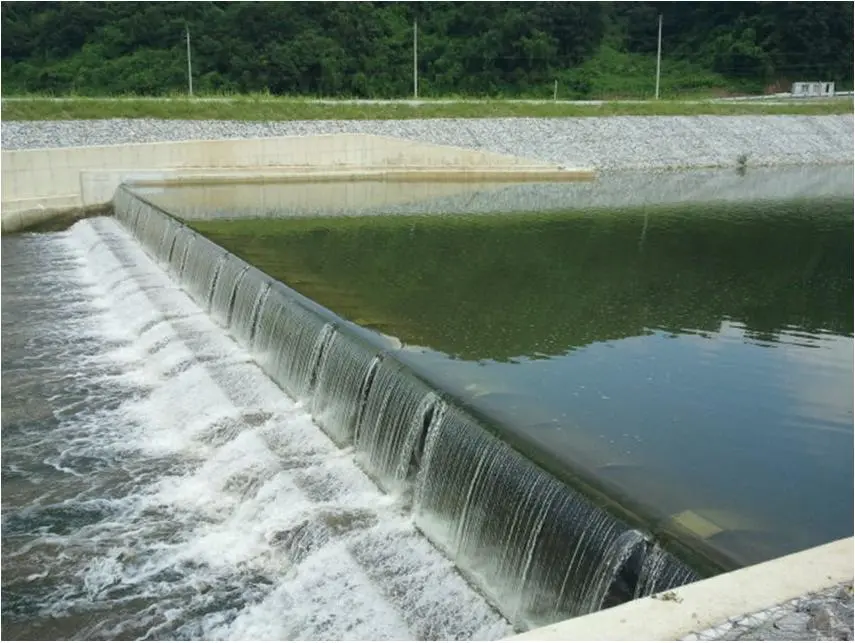
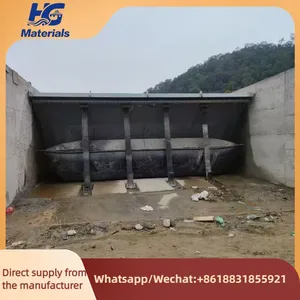

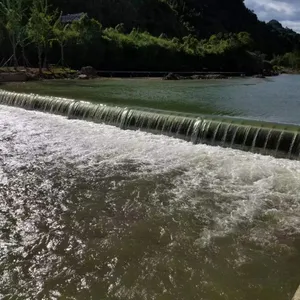
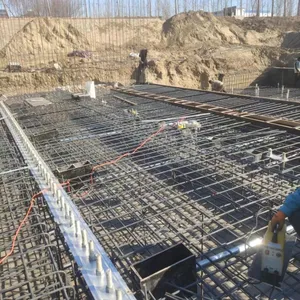
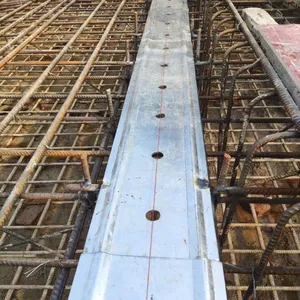
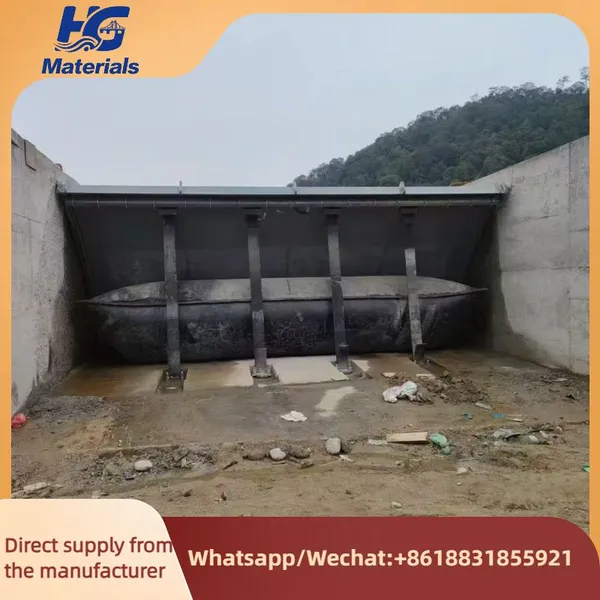
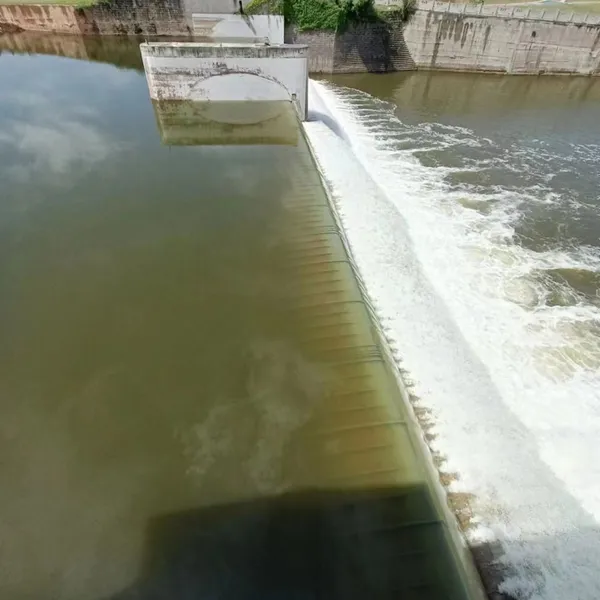
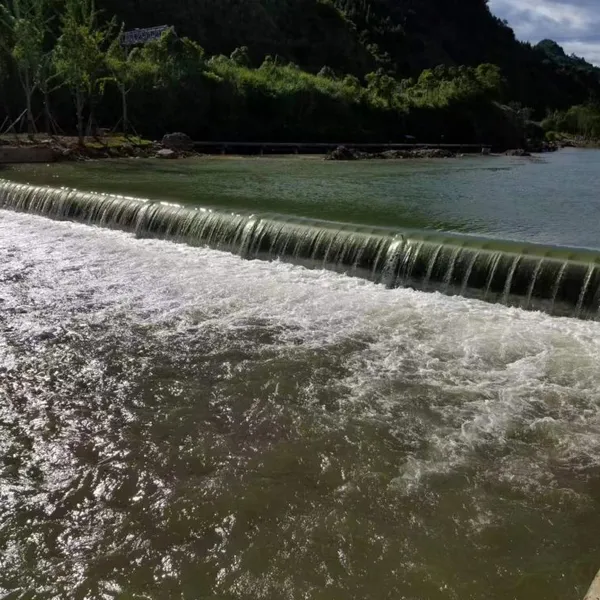
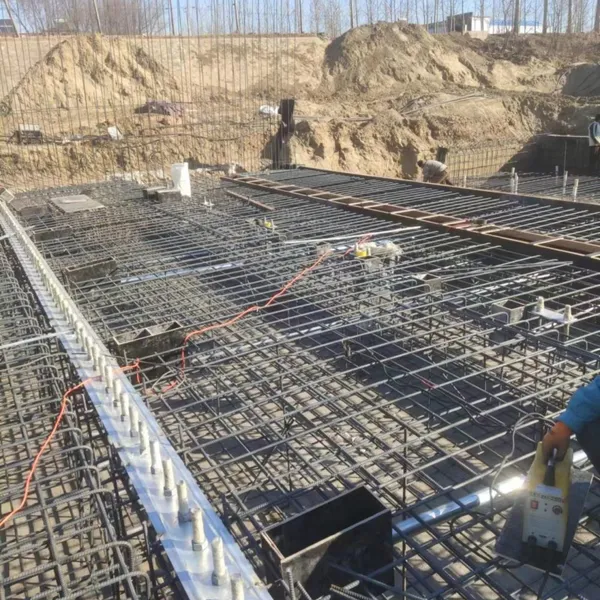
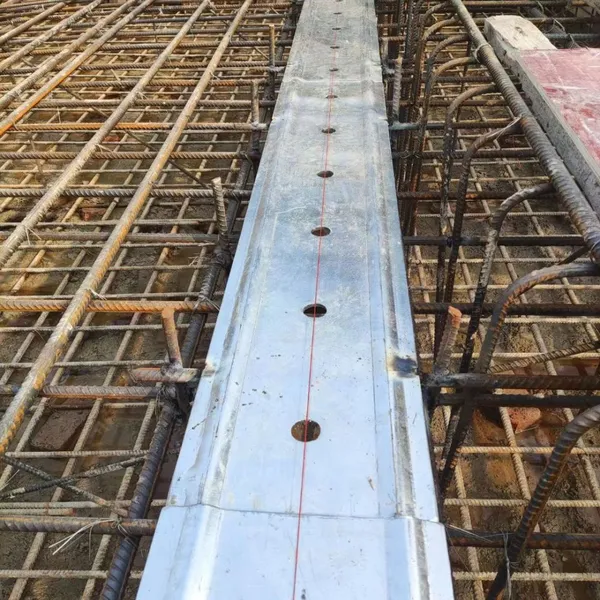
US$ 1100
10 - 29 Square Meters
US$ 1000
≥30 Square Meters
Key Specifications
Get Latest Price
Material:
EPDM
Usage:
Other, River damming
Transport Package:
Container
Payment & Shipping
Payment Methods:


Port of Shipment:
Tianjin/Qingdao
Delivery Detail:
15 days
Related Products
-
 Flush River Channel Dam, Rubber Dam, Barrage Dam, Air Shield Dam CustomizationUS$ 1000 - 1100MOQ: 10 Square Meters
 -
Supply of Air-supported Dams, Water-blocking Dams, Inflatable River-blocking Dams Available for SaleUS$ 1000 - 1100MOQ: 10 Square Meters
-
Intelligent Eco Air Shield Rubber Dam Factory SalesUS$ 1000 - 1100MOQ: 10 Square Meters
-
Shield Plate, Water-blocking and River-diverting Support, Customizable. Air Shield Dam, Water-blocking Dam, Professional Manufacturer.US$ 1000 - 1100MOQ: 10 Square Meters
-
Inflatable River Channel Air Shield Dam, Emergency Water Diversion for Urban Flooding, Excellent ServiceUS$ 1000 - 1100MOQ: 10 Square Meters
Material
EPDM
Usage
Other, River damming
Transport Package
Container
Specification
Custom-made according to the drawings
Trademark
HaoGu
Origin
China
Pneumatic Shield Dam: A Modern Solution for Water Retention & Flood Control
1. Core Structure
2. Working Principle
3. Key Advantages Over Traditional Dams
4. Typical Applications
5. Installation & Operation Tips

Send Inquiry to This Supplier


1Yr

Year Established
2025
Factory Size
3,000-5,000 square meters
Annual Export Value
US$5 Million - US$10 Million
Total Employees
51 - 100 People
You May Also Like
-
Airshield Dam, Stable Performance, Customizable, Independently Manufactured, Specialized for River ChannelsUS$ 1000 - 1100MOQ: 10 Square Meters
-
Adjustable Air Shield Dam, Rubber Dam, Sand Blocking Dam, Customizable and Can Be InstalledUS$ 1000 - 1100MOQ: 10 Square Meters
-
Irrigation and Eco-friendly Landscape Air-shield Dam Seamless Water-blocking Dam Replacement, Convenient, Fast, and Time-savingUS$ 1000 - 1100MOQ: 10 Square Meters
-
River Air-cushion Dam, Inflatable Shield Dam, Cutoff Dam Project Construction, Complete After-sales ServiceUS$ 1000 - 1100MOQ: 10 Square Meters
-
Analysis of the Working Principle of Air-Cushion Dams and Their Water Blocking and Flood Discharge MechanismUS$ 1000 - 1100MOQ: 10 Square Meters
-
Water-blocking Dam, Landscape Dam, Pneumatic Shield Dam, Lift Dam, Flood Control Gate, Hinge DamUS$ 1000 - 1100MOQ: 10 Square Meters
-
Pneumatic Shield Dam, Steel Dam River Channel Interception Water Level Automatic Lifting Bottom-hinged Steel Gate, Flood Control Flap GateUS$ 1000 - 1100MOQ: 10 Square Meters
-
Air Shield Dam, Air Shield Gate, Pneumatic Steel Shield Rubber Dam, Inflatable Water Barrier Gate, Upstream and Downstream Gates of Ship LockUS$ 1000 - 1100MOQ: 10 Square Meters
-
Air Shield Dam Gate, Water-blocking Dam Gate, Sluice Gate, Valve, Landscape River Water-blocking Gate, Sluice Gate, Water-blocking Gate, Sluice GateUS$ 1000 - 1100MOQ: 10 Square Meters
-
Air Shield Dam, Pneumatic Steel Shield Rubber Dam, Shield-shaped Sluice Gate, Airbag Support Dam, Inflatable Water-retaining Dam, Landscape DamUS$ 1000 - 1100MOQ: 10 Square Meters


