








 Contact Platform Support
 Help Center
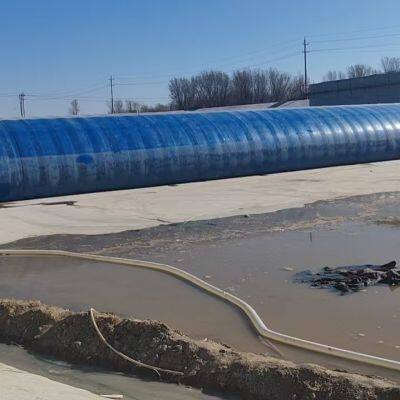
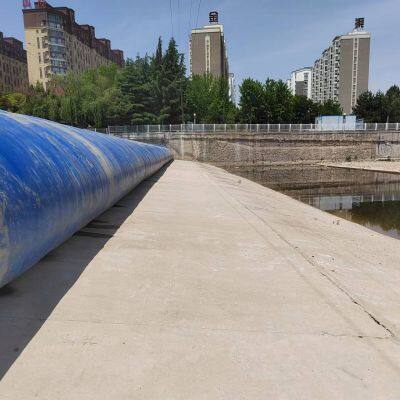
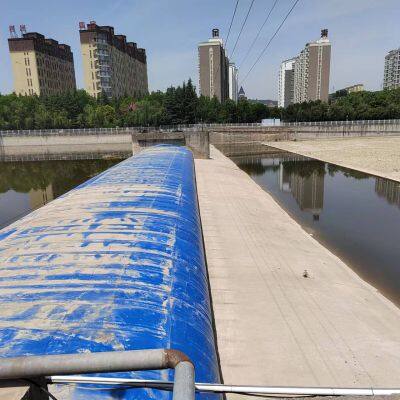
Lightweight Inflatable Rubber Dam With Polyester Reinforcement for Industrial Water Retention



Related Products
-
 High-Pressure Waterproof Rubber Dam for Pressure Vessel Sealing & Industrial Water RetentionUS$ 290 - 300MOQ: 20 Meters
 -
Environmentally Friendly Rubber Dam for River Water Flow RegulationUS$ 290 - 300MOQ: 20 Meters
-
Direct Manufacturer Rubber Dam Industrial-Grade Inflatable Rubber Dam for Crop Irrigation & Livestock Water Supply - Strength FactoryUS$ 290 - 300MOQ: 20 Meters
-
Flexible Inflatable Rubber Dam for Urban Landscape & Artificial Lake Construction - In-Stock FactoryUS$ 290 - 300MOQ: 20 Meters
-
Durable Inflatable Rubber Dam With Waterproof Seals for Rural Drinking Water Security ProjectsUS$ 290 - 300MOQ: 20 Meters
A Fresh Perspective on Inflatable Rubber Dams: Structure and Uses
In the field of water conservancy engineering, inflatable rubber dams stand out as a flexible alternative to traditional rigid dams—their light weight, easy installation, and adaptable operation make them a go-to solution for diverse water management needs. To understand how these structures work and where they add value, let’s break down their design logic and practical applications in a more connected way.
How Inflatable Rubber Dams Are Built: A Synergy of Components
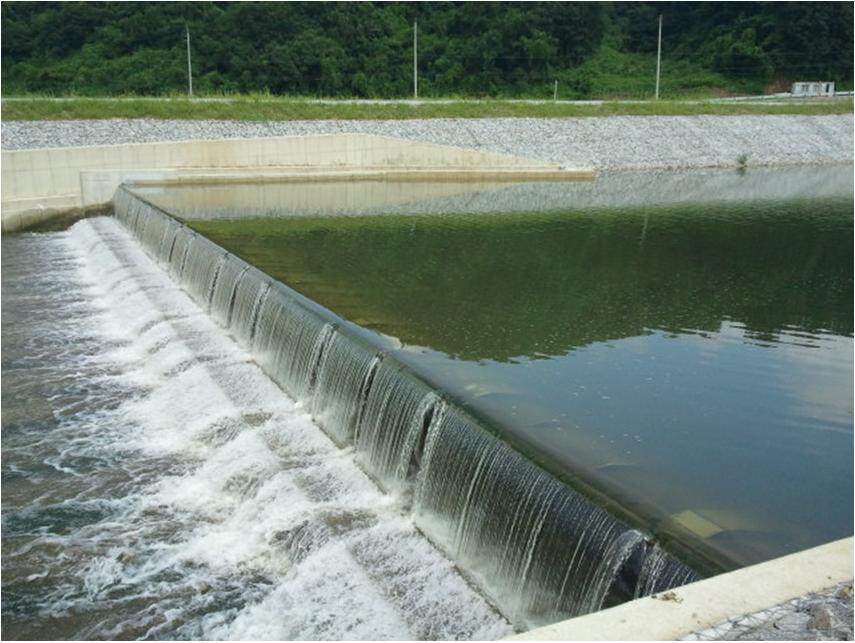
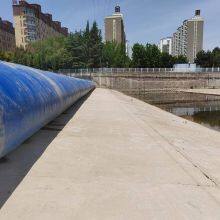
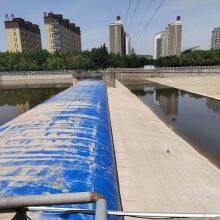
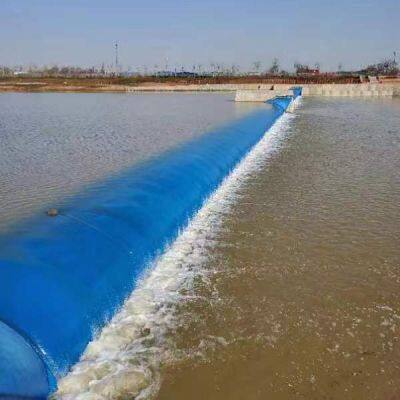
Unlike fixed concrete dams, inflatable rubber dams rely on four interrelated components that work together to balance flexibility and stability. At the heart of the structure is the rubber dam bag—the "working body" that holds back water. Made from multi-layered synthetic rubber (such as neoprene or ethylene-propylene-diene monomer rubber) reinforced with polyester or nylon fabric, this bag is engineered to handle two key challenges: resisting the pressure of trapped water and enduring harsh outdoor conditions, from intense UV rays to extreme temperature swings. When inflated, its cylindrical or arc shape forms a reliable barrier; when deflated, it lies flat, letting water flow freely.
To keep this dam bag in place, the anchoring system acts as a secure anchor. Embedded in the riverbed or along the shore, this system uses anchor bolts (fixed in concrete), anchor plates (that clamp the bag’s edges tightly), and sealing gaskets (to prevent leaks at connection points). Without this setup, the dam bag would shift or be swept away by water pressure—turning a functional structure into a liability.
Controlling the dam’s height and operation falls to the inflation and drainage equipment, the "brain" of the system. Depending on the design, this equipment uses either air compressors (for air-inflated dams) or water pumps (for water-inflated ones), paired with control valves and pipelines. When water needs to be stored (e.g., for dry seasons), the compressor or pump fills the dam bag, lifting it to the desired height. When floods hit or water needs to be released, the valves open, deflating the bag quickly to restore full river flow.
Finally, the concrete foundation serves as the "base" that supports everything. Laid along the riverbed, it’s designed to bear the combined weight of the inflated dam bag and the water it holds. Its smooth surface reduces friction as the bag inflates and deflates, preventing wear and tear, while built-in drainage channels stop water from pooling beneath the structure—avoiding long-term damage to the foundation.
Where Inflatable Rubber Dams Shine: Practical Applications
The flexibility of inflatable rubber dams makes them useful across a range of scenarios, each leveraging their ability to adjust water levels on demand.
Managing Water Supply and Flood Risks
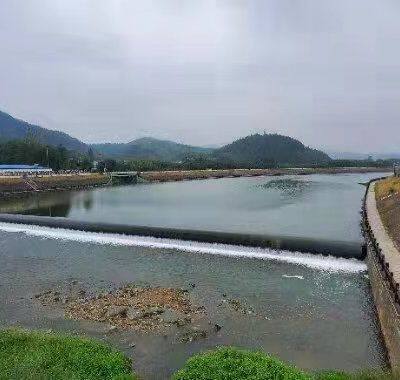
One of their most critical roles is balancing water storage and flood control. In river basins prone to droughts and floods, these dams act as "adjustable barriers": during dry months, they’re inflated to trap water, replenishing groundwater and ensuring enough supply for homes, farms, and industries. When heavy rains come, they’re deflated in minutes, opening up the river channel to handle excess water—lowering the risk of flooding without the need for permanent, rigid structures.
Boosting Agricultural Irrigation
In farming regions, inflatable rubber dams are often installed in irrigation canals. By inflating the dam, farmers can raise the canal’s water level, ensuring water reaches even distant or elevated farmland—especially in areas where natural water levels are too low to cover all crops. This not only improves irrigation efficiency but also helps stabilize crop yields, as farmers can control water delivery more precisely.
Enhancing Inland Navigation
For inland waterways (like rivers or canals used for shipping), maintaining a stable water depth is key. Inflatable rubber dams solve this by adjusting water levels to keep channels deep enough for boats and ships. This reduces the need for costly, ongoing dredging projects and makes navigation safer and more reliable—supporting local trade and transportation.
Powering Small-Scale Hydropower
In rural or remote areas, these dams play a role in clean energy production. By inflating the dam to raise the water level of a small river or stream, they create a modest "water head" (the height difference between the water above and below the dam). This head drives small hydropower turbines, generating electricity for communities that may not have access to large power grids—providing a sustainable energy source.
Creating Scenic and Ecological Spaces
Beyond practical uses, inflatable rubber dams contribute to urban and environmental beauty. In cities or scenic areas, they’re used to form artificial lakes, water parks, or wetland habitats. Their adjustable height lets managers control water levels to match seasonal needs (e.g., higher levels for summer recreation, lower levels for winter maintenance), while the stable water environment they create supports aquatic plants and animals—boosting local biodiversity and enhancing the area’s appeal for residents and tourists.

Send Inquiry to This Supplier



You May Also Like
-
Corrosion-Resistant Rubber Dam for Wastewater Treatment Plants & Environmental Protection EquipmentUS$ 290 - 300MOQ: 20 Meters
-
Find Similar Icon Water/ Air Inflatable Rubber Weir/Rubber Dam in RiverUS$ 400 - 450MOQ: 20 Meters
-
Eco-Friendly Rubber Dam for Irrigation and Water Conservation Eco-Friendly Rubber ProductsUS$ 400 - 450MOQ: 20 Meters
-
Find Similar Icon Hydraulic Engineering Rubber Dam Air Shield Dam for RiverUS$ 400 - 450MOQ: 20 Meters
-
Water Fin Rubber DamUS$ 400 - 450MOQ: 20 Meters
-
Eco-Friendly Irrigation Rubber Dam for Water Conservation Custom Cutting Processing AvailableUS$ 400 - 450MOQ: 20 Meters
-
Water Inflatable Rubber Dam With Stable StructureUS$ 400 - 450MOQ: 20 Meters
-
Unique Inflatable Rubber Dam Suitable for Low Head and Large Span RiverUS$ 400 - 450MOQ: 20 Meters
-
Color Inflatable Rubber DamUS$ 400 - 450MOQ: 20 Meters
-
Inflatable Rubber Dam for Hydro Power River Regulation Water ConservancyUS$ 400 - 450MOQ: 20 Meters


