








 Contact Platform Support
 Help Center
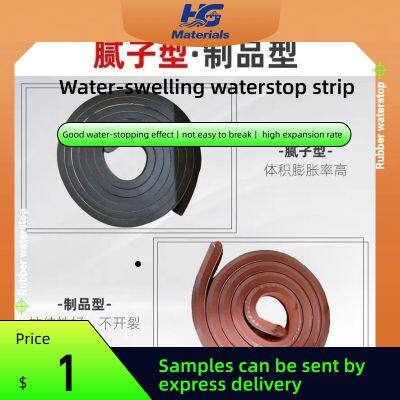
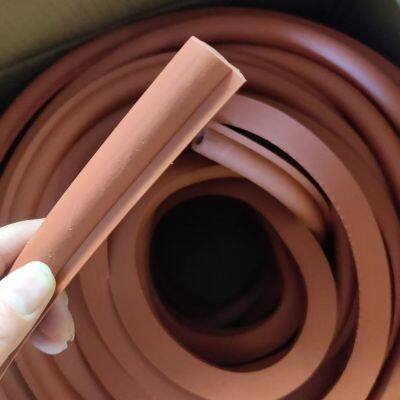
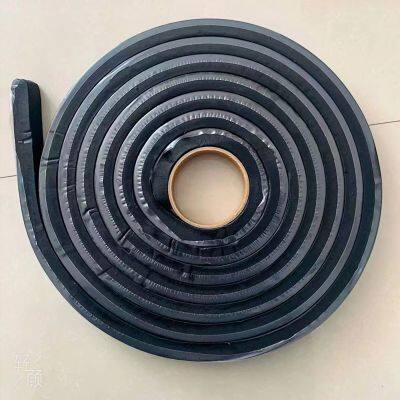
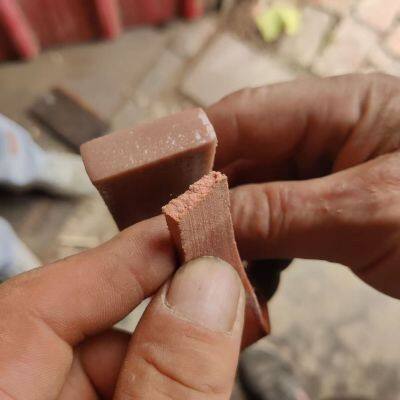
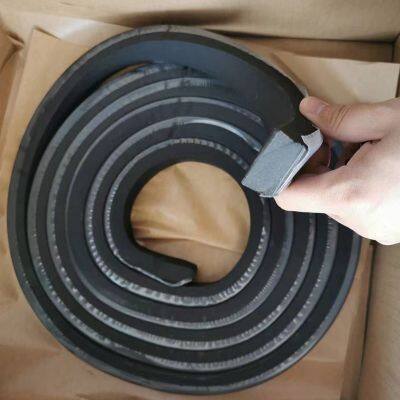
Preformed Waterstop Type Swellable Waterstop Strip for Sealing Putty-type Rubber, Specially Used for Construction Joints Exposed to Water



Related Products
-
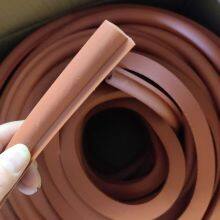
 Factory Putty-type Water-swelling Waterstop Strip, Construction Joint Waterproof Sealing Strip, Rubber StripUS$ 0.9 - 1MOQ: 100 Meters
 -
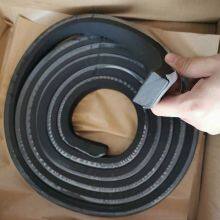
Manufacturer Tunnel Utility Gallery Waterproof Backing Steel-edged Expansion Joint Water-swelling WaterstopUS$ 0.9 - 1MOQ: 100 Meters
-
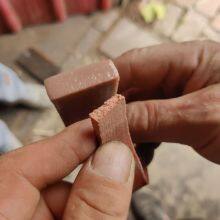
Water-swelling Waterstop Strip 10*20 Construction Joint Sealing Waterproof Adhesive Strip, Putty-type Product, Available in Various SpecificationsUS$ 0.9 - 1MOQ: 100 Meters
-
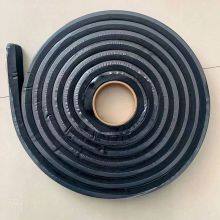
BW Water-swelling Waterstop Putty-type Black Water-blocking Strip, Waterstop Tape for Tunnels, Water-swelling Rubber WaterstopUS$ 0.8 - 0.9MOQ: 100 Meters
-
BW Putty-type Water-swelling Waterstop Strip, PN Product-type Expansion Strip, Water-swelling Waterstop StripUS$ 0.8 - 0.9MOQ: 100 Meters
Surface Treatment: The concrete surface where the waterstop strip will be installed shall be flat, free of oil stains, floating dust, loose particles and other impurities. If there are cracks or uneven areas, repair them with concrete repair mortar first to ensure a smooth bonding surface.
Waterstop Strip Inspection: Check the appearance of the water-swelling waterstop strip. It should be free of cracks, holes, deformation and obvious color differences. At the same time, verify that its specifications (length, width, thickness) meet the design requirements.
-
Tool and Material Preparation: Prepare necessary tools such as a utility knife (for cutting the waterstop strip), a brush (for cleaning the concrete surface), and a roller (for compacting the waterstop strip). Also, prepare special adhesive matching the waterstop strip (if bonding installation is required).
Cutting the Waterstop Strip: According to the length of the installation position (such as the construction joint of concrete), cut the waterstop strip with a utility knife. Ensure the cut is neat and avoid jagged edges. The length of the waterstop strip should be slightly longer than the actual installation length (about 5% margin) to deal with possible errors during installation.
-
Positioning: Place the cut waterstop strip along the center line of the concrete construction joint. Ensure it is aligned with the design position and does not deviate. For vertical construction joints, fix the top end of the waterstop strip first to prevent it from sliding during installation.
Fixing:
Bonding Installation: Apply a uniform layer of special adhesive on the back of the waterstop strip (the side in contact with concrete) and the concrete surface. The adhesive thickness should be 1-2mm. Then attach the waterstop strip to the concrete surface and press it with a roller from the middle to both sides to expel air, ensuring full bonding between the waterstop strip and the concrete.
Mechanical Fixing: If the concrete surface is not suitable for bonding, use cement nails or expansion bolts (with washers) to fix the waterstop strip. The fixing spacing should be 200-300mm, and the nails/bolts should be arranged along the edge of the waterstop strip to avoid damaging the water-swelling core of the strip.
-
Joint Treatment: When the length of a single waterstop strip is insufficient and splicing is needed, the lap joint method should be adopted. The lap length shall not be less than 30mm. Apply special adhesive on the overlapping surfaces of the two waterstop strips, then overlap and press them firmly. For important engineering parts, additional waterproof sealant can be applied around the joint to enhance the waterproof effect.
After installation, avoid trampling, collision or scratching the waterstop strip with sharp objects. If construction operations need to be carried out near the waterstop strip, take protective measures (such as covering with a wooden board) to prevent damage.
Before pouring the subsequent concrete, check the waterstop strip again. If there is any displacement, loosening or damage, repair or re-install it in time.
-
When pouring concrete, control the flow rate of the concrete to avoid direct impact on the waterstop strip, which may cause it to shift or deform. Use a vibrator to compact the concrete around the waterstop strip, ensuring that the concrete is closely combined with the waterstop strip without voids.
The water-swelling waterstop strip should be stored in a cool, dry and ventilated warehouse, away from direct sunlight, rain and moisture. It should not be stored together with oils, solvents and other chemicals to prevent the water-swelling material from deteriorating.
The installation temperature should be between 5℃ and 35℃. If the temperature is lower than 5℃, the adhesive should be preheated (or a low-temperature resistant adhesive should be used) to ensure the bonding effect; if the temperature is higher than 35℃, avoid construction at noon (when the temperature is the highest) to prevent the waterstop strip from softening and deforming.
-
During the construction process, if the waterstop strip is accidentally soaked in water and slightly swells, it can still be used as long as the swelling degree does not exceed 10%. If the swelling is severe (exceeding 20%), it should be replaced with a new one.

Send Inquiry to This Supplier



You May Also Like
-
Water-swelling Sealing Strip, Putty-type Water-swelling Sealing Strip, Rubber Sealing Strip for Joint FillingUS$ 0.8 - 0.9MOQ: 100 Meters
-
Water-swelling Waterstop Strip 20*30, Water-blocking Strip 10*20, Construction Joint Sealing Waterproof Rubber StripUS$ 0.8 - 0.9MOQ: 100 Meters
-
Ready-mixed Putty-type Water-swelling Waterstop Strip for Sealing and Anti-seepage BW20*30 Rubber Strip for Waterproof SealingUS$ 0.8 - 0.9MOQ: 100 Meters
-
Joint Filling and Water-stopping Rubber Expansion Sealing Strip PZ Product Rubber Strip PN Putty-type Water-swelling Waterstop StripUS$ 0.8 - 0.9MOQ: 100 Meters
-
Water-swelling Waterstop Strip, Rubber Waterstop Strip, Expansion Joint Waterproof Waterstop Strip, Putty-type Waterstop Strip, Molded Waterstop StripUS$ 0.8 - 0.9MOQ: 100 Meters
-
Water-swelling Waterstop Strip, Water-swelling Waterstop Belt, Sealing Waterstop Strip and Grouting Pipe Waterstop StripUS$ 0.8 - 0.9MOQ: 100 Meters
-
Water-swelling Rubber Waterstop Strip for Subway Tunnel Waterproofing and Leak Prevention, Slow-expanding Type, Wear-resistant Waterstop StripUS$ 1.1 - 1.3MOQ: 100 Meters
-
Water-swelling Waterstop Strip, Rubber Waterstop Strip, Expansion Joint Waterproof Waterstop Strip, Putty-type and Molded-type ProductsUS$ 1.1 - 1.3MOQ: 100 Meters
-
Rubber Waterstop Strip, Water-swelling Waterstop for Tunnels, BW Water-swelling Waterstop Strip, Putty-type Black Water Barrier StripUS$ 1.1 - 1.3MOQ: 100 Meters
-
Water-swelling Waterstop 20*30, Water-blocking Strip 10*20, Construction Joint Sealing Waterproof Rubber StripUS$ 1.1 - 1.3MOQ: 100 Meters


