








 Contact Platform Support
 Help Center
Hydraulic Steel Dam Gates and Hydraulic Self-controlled Flap Gates for River Channel and Waterway Landscape Hydraulic Engineering
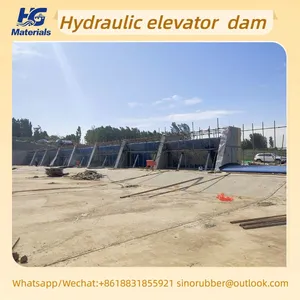
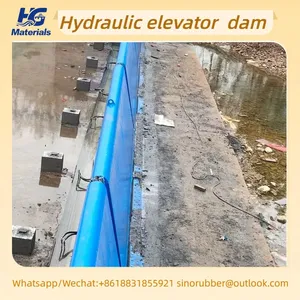
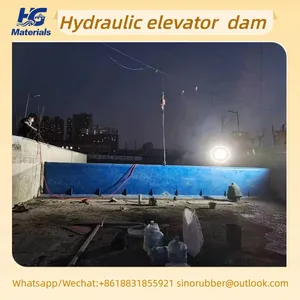
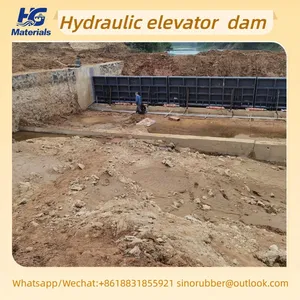
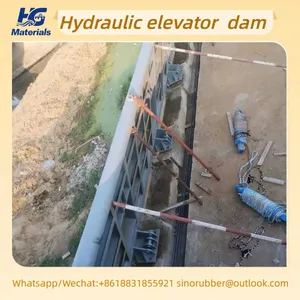
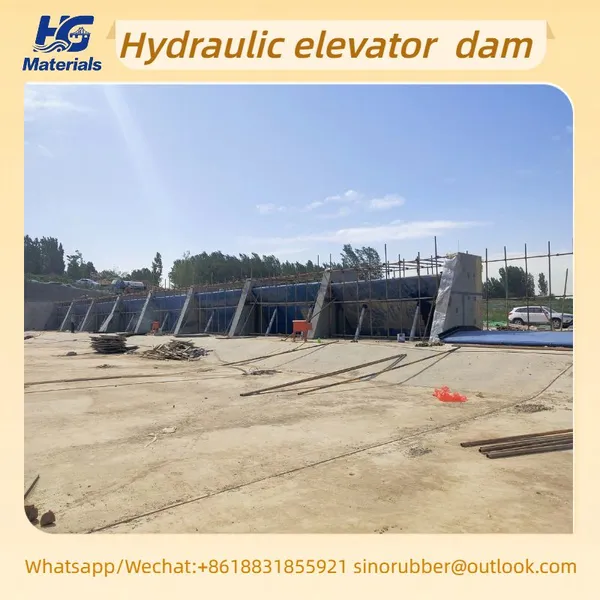
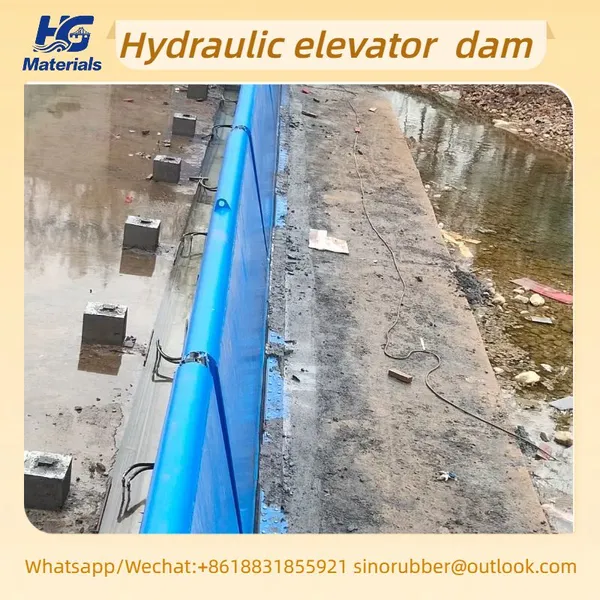
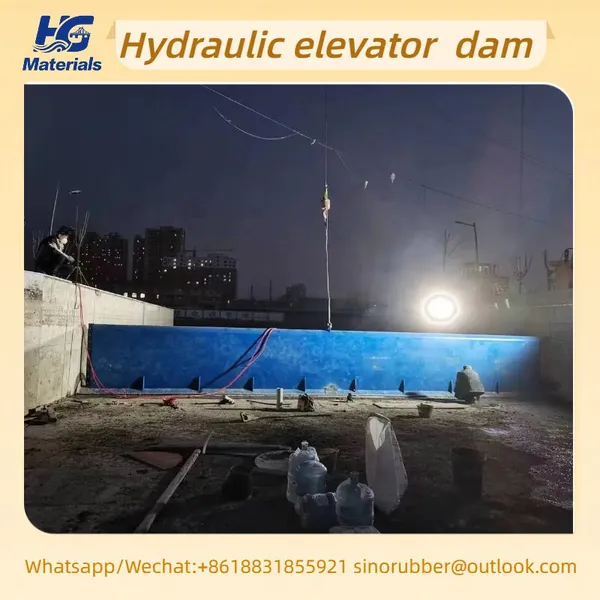
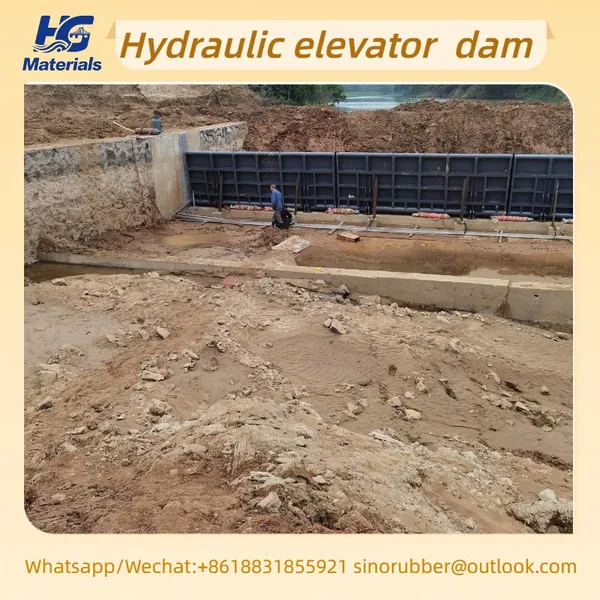
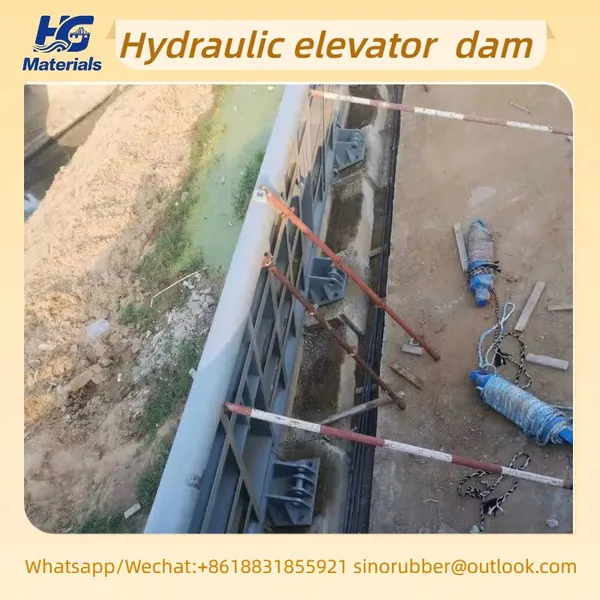



Related Products
-
 Customized Landscape Hydraulic Dam Factory, Hydraulic Steel Dam, Hydraulic Engineering, Bottom Shaft Driven Flip Steel Dam Gate, Compression Hinge DamUS$ 285 - 300MOQ: 10 Square Meters
 -
Steel Dam Hydraulic Flip-gate Sluice Gate, Steel Flap Gate Hydraulic Engineering Gate, Steel One-way Water Stop, Steel Dam Hydroelectric Steel.US$ 285 - 300MOQ: 10 Square Meters
-
Large Hydraulic Steel Dam Landscape Bottom Steel Dam Gate Flat River Water-diversion Dam Flap Hydraulic Landscape Dam Hydraulic Control GateUS$ 285 - 300MOQ: 10 Square Meters
-
Hydraulic Elevator Dam, Hydraulic Steel Dam Gate, River Channel, Reservoir, Flap Dam, Automatic Lifting, Hydraulic Steel Dam Bottom Cross-shaft DriveUS$ 285 - 300MOQ: 10 Square Meters
-
Hydraulic Elevator Dam, Hydraulic Steel Dam, Stainless Steel Dam, Hydraulic Flap Steel Dam, Supplied by ManufacturerUS$ 400 - 500MOQ: 10 Square Meters
Auxiliary Sealing Components
-
Water-swellable rubber is used at panel joints to adapt to minor deformations of the dam body. Adjustable water stop pressure plates are installed on the bank wall side to compensate for installation errors.
Monitoring and Sensing Components
Angle Sensor: Real-time monitors the flipping angle of the dam face and feeds back to the control system to adjust the lifting position.
-
Float Switch: Detects water level changes and triggers the automatic opening and closing of the hydraulic system to realize unattended operation.
Control Terminal
Local Control: Equipped with buttons, indicator lights, and a PLC controller (referring to the automatic control system of steel sluice gates), allowing manual adjustment of the dam height.
-
Remote Control: Accesses the basin management and control platform via a communication module to realize multi-dam linkage and remote monitoring, with a command response time of ≤ 3 seconds.
Stability Advantage of Triangular Support
Optimized Design of Flow Pattern
Modular Design
Easy Maintenance Characteristics
Structural Unit |
Core Advantage |
Connection with Steel Sluice Structure |
Panel & Bottom Shaft |
Flip design, strong flow passage capacity |
Common anti-corrosion technology for materials |
Hydraulic Drive System |
Direct drive, fast response |
Reference for pump station maintenance and antifreeze measures |
Triangular Support System |
Mechanically stable, strong impact resistance |
Similar force optimization logic to sluice gate beams |
Sealing System |
Modular sealing, low seepage rate |
Consistent material and pressing principle for water stop strips |
Intelligent Control System |
Automatic regulation, adapted to flood rise and fall |
Reusable sensor and PLC control technology |
4. Scene Adaptability of Structural DesignSediment-Laden Rivers: A sediment discharge channel is reserved in the bottom shaft. After the panel is lowered, it fits closely to the riverbed to prevent sediment accumulation from affecting opening and closing.
Cold Regions: Steel panels use low-temperature tough steel; antifreeze fluid is added to the hydraulic system; the triangular structure can resist ice pressure.
Urban Rivers: Arc-shaped panels are combined with color coating to form a waterfall landscape when the dam is lifted. When the dam is lowered, it does not affect navigation and flood control.

Send Inquiry to This Supplier



You May Also Like
-
Hydraulic Elevator Dam, Hydraulic Steel Dam, Stainless Steel Dam, Hydraulic Flap Steel Dam, Supplied by ManufacturerUS$ 400 - 500MOQ: 10 Square Meters
-
HED Hydraulic Flap Gate Flood Control Cast Iron Gate River Landscape Steel Dam Hinge Lifting Dam Elevator DamUS$ 400 - 450MOQ: 10 Square Meters
-
HED Custom Flip Steel Sluice Gate, Hydraulic Steel Gate, Flood Control Water-retaining Dam, Hydraulic Engineering, Landscape Hinge DamUS$ 400 - 460MOQ: 10 Square Meters
-
Hydraulic Elevator Dam, Sewage Treatment Bottom Shaft, Hydraulic Steel Dam Gate Hinge, Dam Gate, Landscape Hydraulic Gate, Reservoir Flap GateUS$ 400 - 460MOQ: 10 Square Meters
-
Manufacturer In-stock Horizontal Hydraulic Elevator Dam Steel Gate, Hydraulic Steel Dam Gate, Hydraulic Engineering Horizontal Steel Dam GateUS$ 400 - 460MOQ: 10 Square Meters
-
Hydraulic Steel Dam Gate, River Landscape Dam, Large-scale Bottom Horizontal Axis Rotary Driven Hinge Dam, Steel GateUS$ 400 - 460MOQ: 10 Square Meters
-
Hydraulic Elevator Dam, Steel Dam Gate, Landscape Steel Dam, Hydraulic Engineering, Hydraulic Hoist for Steel Dam Gates, Hydraulic Flap GateUS$ 400 - 460MOQ: 10 Square Meters
-
Steel Dam Manufacturers Produce Large Horizontal-axis Hydraulic Flap Steel Dams and Steel Hydraulic Elevator DamsUS$ 400 - 460MOQ: 10 Square Meters
-
Hydraulic Elevator Dam, Hydraulic Lifting Flip Steel Dam Gate, 304 Stainless Steel Gate Manufacturer, Large Bottom-axis Driven Steel DamUS$ 400 - 460MOQ: 10 Square Meters
-
Heavy-Duty Hydraulic Elevator Sluice Dam for Commercial Buildings Intelligent Gate 2025US$ 400 - 460MOQ: 10 Square Meters


