








 Contact Platform Support
 Help Center
Home > Industrial Equipment & Components > Other Equipment & Components > Hydraulic Elevator Dam, Hydraulic Steel Dam, Stainless Steel Dam, Hydraulic Flap Steel Dam, Supplied by Manufacturer
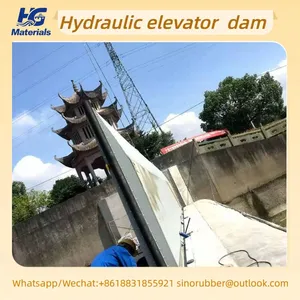
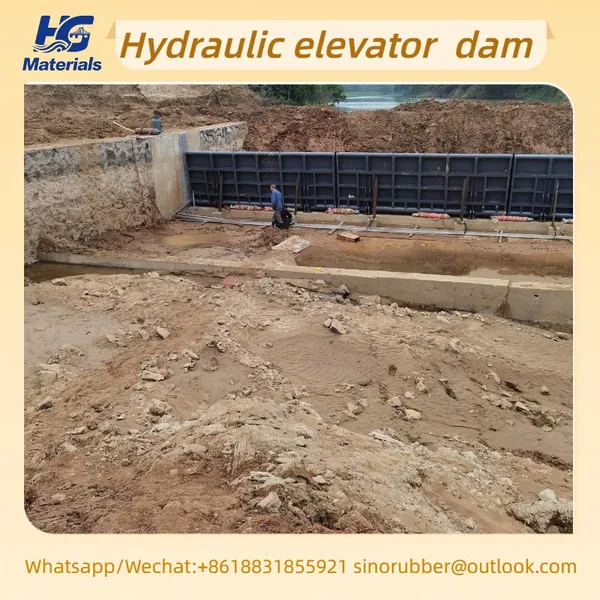
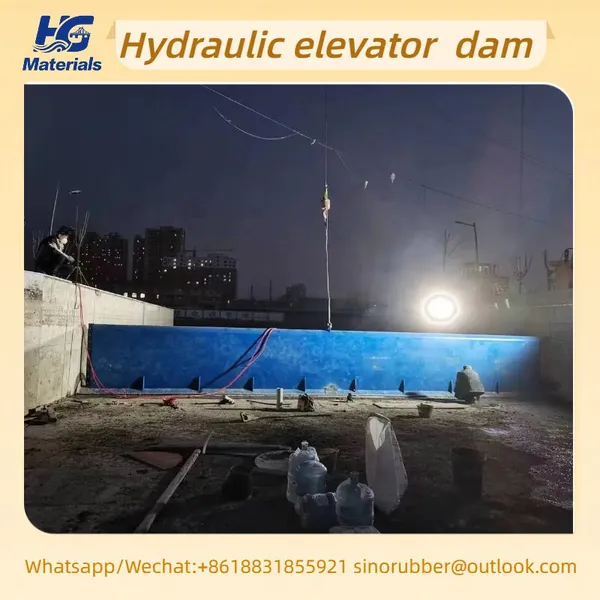
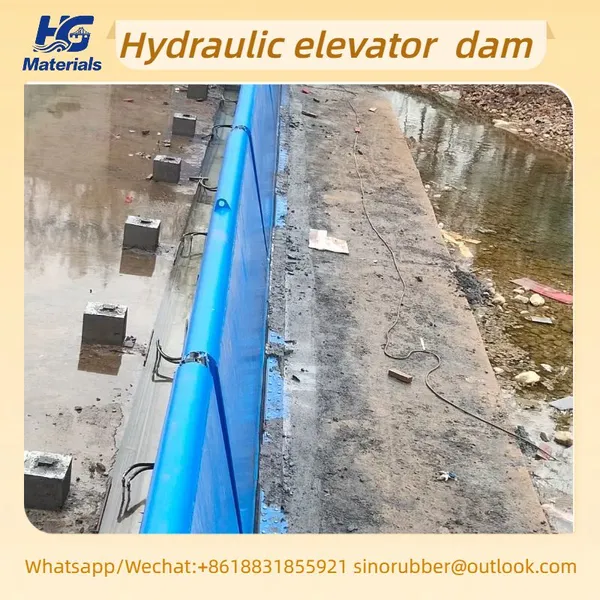
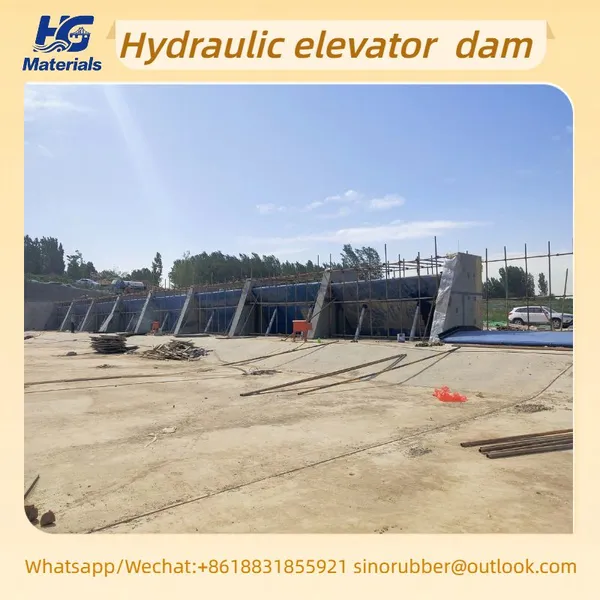
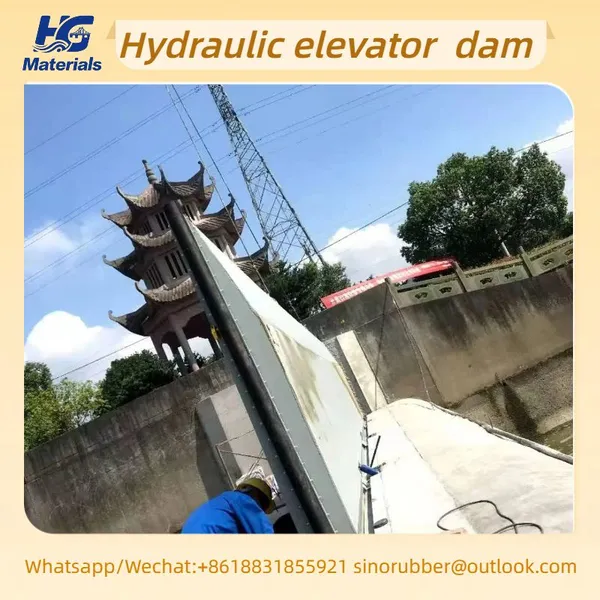
Hydraulic Elevator Dam, Hydraulic Steel Dam, Stainless Steel Dam, Hydraulic Flap Steel Dam, Supplied by Manufacturer
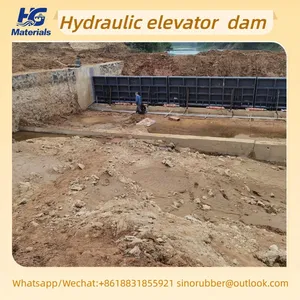
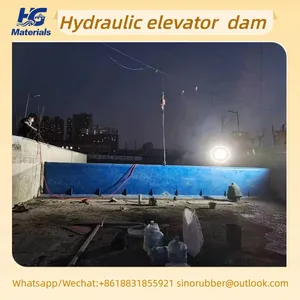
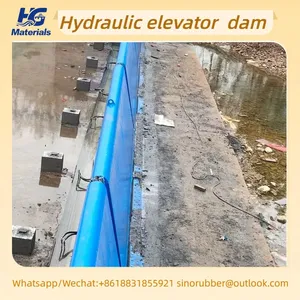
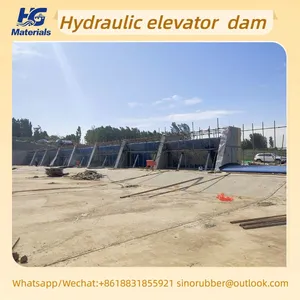
US$ 500
10 - 19 Square Meters
US$ 450
20 - 29 Square Meters
US$ 400
≥30 Square Meters
Key Specifications
Get Latest Price
Material:
Carbon Steel/multi-grade hydraulic syst
Product Grade:
AAA
size:
2-10m
Payment & Shipping
Payment Methods:


Port of Shipment:
Tianjin/Qingdao
Delivery Detail:
25 days
Related Products
-
 HED Hydraulic Flap Gate Flood Control Cast Iron Gate River Landscape Steel Dam Hinge Lifting Dam Elevator DamUS$ 400 - 450MOQ: 10 Square Meters
 -
HED Custom Flip Steel Sluice Gate, Hydraulic Steel Gate, Flood Control Water-retaining Dam, Hydraulic Engineering, Landscape Hinge DamUS$ 400 - 460MOQ: 10 Square Meters
-
Hydraulic Elevator Dam, Sewage Treatment Bottom Shaft, Hydraulic Steel Dam Gate Hinge, Dam Gate, Landscape Hydraulic Gate, Reservoir Flap GateUS$ 400 - 460MOQ: 10 Square Meters
-
Manufacturer In-stock Horizontal Hydraulic Elevator Dam Steel Gate, Hydraulic Steel Dam Gate, Hydraulic Engineering Horizontal Steel Dam GateUS$ 400 - 460MOQ: 10 Square Meters
-
Hydraulic Steel Dam Gate, River Landscape Dam, Large-scale Bottom Horizontal Axis Rotary Driven Hinge Dam, Steel GateUS$ 400 - 460MOQ: 10 Square Meters
Material
Carbon Steel/multi-grade hydraulic syst
Product Grade
AAA
size
2-10m
Type
Movable, up and down
Dynamic system
multi-grade hydraulic system
Surface finish
marine grade 4th paint
Transport Package
Wooden packaging
Specification
Manufacture according to the blueprints
Trademark
HaoGu
Origin
Hengshui, Hebei, China
# Application Scenarios of Hydraulic Elevator Dams With core advantages including **controllable vertical lifting, impact resistance of rigid structure, precise water level regulation, and low ecological disturbance**, Hydraulic Elevator Dams are adaptable to various water conservancy and engineering scenarios. They are particularly suitable for projects requiring high flexibility in water level control, operational safety, and ecological compatibility. Below are their main application scenarios and adaptation logic: ## 1. Urban River Regulation and Water Environment Improvement Urban rivers often need to balance three core demands: "maintaining landscape water levels", "flood control and waterlogging drainage in flood seasons", and "ecological connectivity"—making Hydraulic Elevator Dams an ideal choice: - **Landscape water level control**: By precisely lifting and lowering the dam body, the normal water level of the river (e.g., 1-3 meters) is stabilized to form a continuous water landscape. When combined with waterfront walkways and greenery, it enhances the urban living environment (e.g., landscape development of urban inland rivers and artificial canals). - **Rapid flood discharge in flood seasons**: During heavy rains, the dam body can be lowered quickly (usually fully lowered within 10-30 minutes), without blocking the river’s flood discharge section, thus preventing urban waterlogging. - **Ecological friendliness**: When fully lowered, the dam body is flush with the riverbed, which does not hinder fish migration or sediment transport, maintains the natural hydrological process of the river, and contributes to the restoration of urban aquatic ecosystems (e.g., improving river water quality and protecting aquatic habitats). ## 2. Water Resource Allocation in Agricultural Irrigation Districts Agricultural irrigation has an urgent need for "on-demand water supply" and "dual prevention of drought and waterlogging". Hydraulic Elevator Dams can efficiently match irrigation scenarios: - **Stable irrigation water sources**: Dams are built at the nodes of main and branch canals in irrigation districts to store water and form small regulating reservoirs. According to the water demand of crops during their growth periods (e.g., the flowering stage of rice, the filling stage of wheat), the downstream discharge is precisely regulated to avoid water waste. - **Dual functions of drought resistance and waterlogging drainage**: During dry seasons, the dam is lifted to store water and ensure irrigation water supply; during rainy seasons, the dam is lowered to drain waterlogging and prevent canal overflow from submerging farmland. This is especially suitable for plain irrigation districts or areas with uneven seasonal precipitation (e.g., irrigation districts in North China and the middle and lower reaches of the Yangtze River). - **Low-cost operation and maintenance**: The rigid dam body is resistant to sediment accumulation and impacts from floating objects such as crop straws, requiring no frequent cleaning and reducing the operation and maintenance costs of irrigation districts. ## 3. Flood Control and Water Resource Storage in Small and Medium-Sized Rivers Small and medium-sized rivers (with a drainage area of 100-1000 km²) generally face the problem of "water shortage in dry seasons and high flood risks in flood seasons". Hydraulic Elevator Dams can realize the dual functions of "flood regulation" and "water storage": - **Flood control in flood seasons**: The dam body is made of high-strength steel or reinforced concrete, which can resist flood impacts; the dam is lowered quickly before floods arrive to ensure the river’s flood discharge capacity and protect villages and farmland along the banks. - **Water replenishment in dry seasons**: During non-flood seasons, the dam is lifted to store water and form a temporary water source, providing support for domestic water use in downstream villages and ecological water replenishment (e.g., maintaining the base flow of the river). This is particularly suitable for small and medium-sized rivers in arid and semi-arid areas of northern China (e.g., tributaries of the Yellow River and Haihe River). - **Simplified project layout**: Compared with traditional concrete dams, Hydraulic Elevator Dams do not require large-scale foundation excavation, have stronger adaptability to the terrain of small and medium-sized rivers, shorter construction periods (usually 3-6 months), and lower costs. ## 4. Small-Scale Hydropower Development and Energy Utilization In small and medium-sized rivers or canals with stable flow but limited water head (water level difference), Hydraulic Elevator Dams can serve as "water head regulating structures" to facilitate efficient power generation of small hydropower stations: - **Stable power generation water head**: By precisely controlling the height of the dam body, a stable water level difference (usually 5-15 meters) at the water intake of the hydropower station is maintained, avoiding a decline in power generation efficiency caused by fluctuations in natural flow. - **Flexible response to load demands**: According to changes in the power grid’s electricity load, the height of the dam body is fine-tuned to adjust the downstream discharge, matching the output demand of the generator set and improving the grid adaptability of small hydropower. - **Safety guarantee for operation and maintenance**: The dam body can be lowered quickly to facilitate the maintenance of hydropower units or respond to sudden hydrological events (e.g., a sudden increase in upstream inflow), reducing operation and maintenance risks. ## 5. Supporting Facilities for Water Conservancy Scenic Areas and Cultural Tourism Projects With the integrated development of "water + cultural tourism", Hydraulic Elevator Dams have become key facilities for creating characteristic water landscapes and enhancing tourist experience: - **Stable landscape water level**: In the core water areas of water conservancy scenic spots (e.g., artificial lakes, cruise ship waterways, and upstream of waterfalls), the dam body maintains a constant water level to ensure the continuity of cruise navigation and waterfall landscapes (e.g., canyon scenic spots and lakeside resorts). - **Dynamic water landscape creation**: Some projects can control the lifting of the dam body through programming to form dynamic water landscapes such as "intermittent waterfalls" and "rhythmic water level changes", enhancing the attractiveness of the scenic area. - **Low visual disturbance**: The dam body design can be integrated with the scenic style (e.g., using wood-like colors and ecological texture coatings). When lowered, it does not damage the natural landscape, conforming to the "ecological aesthetics" needs of cultural tourism projects. ## 6. Industrial Water Intake and Tailwater Regulation For industrial scenarios that require stable water intake or controlled tailwater discharge (e.g., chemical industry, power plants, and iron and steel plants), Hydraulic Elevator Dams can provide reliable water level guarantees: - **Stable industrial water intake**: A dam is built upstream of the factory’s water intake to maintain a stable water level at the intake point, avoiding insufficient water intake or equipment idling caused by fluctuations in river water level. - **Up-to-standard tailwater discharge**: Some factories need to temporarily store and treat tailwater before discharge. The dam body can regulate the water level of the tailwater storage tank to ensure that the tailwater meets the discharge standard after sedimentation and purification, preventing direct discharge from polluting the river. In summary, the application scenarios of Hydraulic Elevator Dams focus on **"flexible water level control, safe risk resistance, and low ecological disturbance"**. From urban ecology to agricultural production, from energy development to cultural tourism support, they can solve the pain points of traditional dams (such as rigid regulation, ecological damage, and complex maintenance) through their technical characteristics, making them important facilities with both functionality and sustainability in modern water conservancy projects.
## 1. Urban River Regulation and Water Environment Improvement Urban rivers often need to balance three core demands: "maintaining landscape water levels", "flood control and waterlogging drainage in flood seasons", and "ecological connectivity"—making Hydraulic Elevator Dams an ideal choice: - **Landscape water level control**: By precisely lifting and lowering the dam body, the normal water level of the river (e.g., 1-3 meters) is stabilized to form a continuous water landscape. When combined with waterfront walkways and greenery, it enhances the urban living environment (e.g., landscape development of urban inland rivers and artificial canals). - **Rapid flood discharge in flood seasons**: During heavy rains, the dam body can be lowered quickly (usually fully lowered within 10-30 minutes), without blocking the river’s flood discharge section, thus preventing urban waterlogging. - **Ecological friendliness**: When fully lowered, the dam body is flush with the riverbed, which does not hinder fish migration or sediment transport, maintains the natural hydrological process of the river, and contributes to the restoration of urban aquatic ecosystems (e.g., improving river water quality and protecting aquatic habitats). ## 2. Water Resource Allocation in Agricultural Irrigation Districts Agricultural irrigation has an urgent need for "on-demand water supply" and "dual prevention of drought and waterlogging". Hydraulic Elevator Dams can efficiently match irrigation scenarios: - **Stable irrigation water sources**: Dams are built at the nodes of main and branch canals in irrigation districts to store water and form small regulating reservoirs. According to the water demand of crops during their growth periods (e.g., the flowering stage of rice, the filling stage of wheat), the downstream discharge is precisely regulated to avoid water waste. - **Dual functions of drought resistance and waterlogging drainage**: During dry seasons, the dam is lifted to store water and ensure irrigation water supply; during rainy seasons, the dam is lowered to drain waterlogging and prevent canal overflow from submerging farmland. This is especially suitable for plain irrigation districts or areas with uneven seasonal precipitation (e.g., irrigation districts in North China and the middle and lower reaches of the Yangtze River). - **Low-cost operation and maintenance**: The rigid dam body is resistant to sediment accumulation and impacts from floating objects such as crop straws, requiring no frequent cleaning and reducing the operation and maintenance costs of irrigation districts. ## 3. Flood Control and Water Resource Storage in Small and Medium-Sized Rivers Small and medium-sized rivers (with a drainage area of 100-1000 km²) generally face the problem of "water shortage in dry seasons and high flood risks in flood seasons". Hydraulic Elevator Dams can realize the dual functions of "flood regulation" and "water storage": - **Flood control in flood seasons**: The dam body is made of high-strength steel or reinforced concrete, which can resist flood impacts; the dam is lowered quickly before floods arrive to ensure the river’s flood discharge capacity and protect villages and farmland along the banks. - **Water replenishment in dry seasons**: During non-flood seasons, the dam is lifted to store water and form a temporary water source, providing support for domestic water use in downstream villages and ecological water replenishment (e.g., maintaining the base flow of the river). This is particularly suitable for small and medium-sized rivers in arid and semi-arid areas of northern China (e.g., tributaries of the Yellow River and Haihe River). - **Simplified project layout**: Compared with traditional concrete dams, Hydraulic Elevator Dams do not require large-scale foundation excavation, have stronger adaptability to the terrain of small and medium-sized rivers, shorter construction periods (usually 3-6 months), and lower costs. ## 4. Small-Scale Hydropower Development and Energy Utilization In small and medium-sized rivers or canals with stable flow but limited water head (water level difference), Hydraulic Elevator Dams can serve as "water head regulating structures" to facilitate efficient power generation of small hydropower stations: - **Stable power generation water head**: By precisely controlling the height of the dam body, a stable water level difference (usually 5-15 meters) at the water intake of the hydropower station is maintained, avoiding a decline in power generation efficiency caused by fluctuations in natural flow. - **Flexible response to load demands**: According to changes in the power grid’s electricity load, the height of the dam body is fine-tuned to adjust the downstream discharge, matching the output demand of the generator set and improving the grid adaptability of small hydropower. - **Safety guarantee for operation and maintenance**: The dam body can be lowered quickly to facilitate the maintenance of hydropower units or respond to sudden hydrological events (e.g., a sudden increase in upstream inflow), reducing operation and maintenance risks. ## 5. Supporting Facilities for Water Conservancy Scenic Areas and Cultural Tourism Projects With the integrated development of "water + cultural tourism", Hydraulic Elevator Dams have become key facilities for creating characteristic water landscapes and enhancing tourist experience: - **Stable landscape water level**: In the core water areas of water conservancy scenic spots (e.g., artificial lakes, cruise ship waterways, and upstream of waterfalls), the dam body maintains a constant water level to ensure the continuity of cruise navigation and waterfall landscapes (e.g., canyon scenic spots and lakeside resorts). - **Dynamic water landscape creation**: Some projects can control the lifting of the dam body through programming to form dynamic water landscapes such as "intermittent waterfalls" and "rhythmic water level changes", enhancing the attractiveness of the scenic area. - **Low visual disturbance**: The dam body design can be integrated with the scenic style (e.g., using wood-like colors and ecological texture coatings). When lowered, it does not damage the natural landscape, conforming to the "ecological aesthetics" needs of cultural tourism projects. ## 6. Industrial Water Intake and Tailwater Regulation For industrial scenarios that require stable water intake or controlled tailwater discharge (e.g., chemical industry, power plants, and iron and steel plants), Hydraulic Elevator Dams can provide reliable water level guarantees: - **Stable industrial water intake**: A dam is built upstream of the factory’s water intake to maintain a stable water level at the intake point, avoiding insufficient water intake or equipment idling caused by fluctuations in river water level. - **Up-to-standard tailwater discharge**: Some factories need to temporarily store and treat tailwater before discharge. The dam body can regulate the water level of the tailwater storage tank to ensure that the tailwater meets the discharge standard after sedimentation and purification, preventing direct discharge from polluting the river. In summary, the application scenarios of Hydraulic Elevator Dams focus on **"flexible water level control, safe risk resistance, and low ecological disturbance"**. From urban ecology to agricultural production, from energy development to cultural tourism support, they can solve the pain points of traditional dams (such as rigid regulation, ecological damage, and complex maintenance) through their technical characteristics, making them important facilities with both functionality and sustainability in modern water conservancy projects.
Send Inquiry to This Supplier


1Yr

Year Established
2025
Factory Size
3,000-5,000 square meters
Annual Export Value
US$5 Million - US$10 Million
Total Employees
51 - 100 People
You May Also Like
-
Hydraulic Elevator Dam, Steel Dam Gate, Landscape Steel Dam, Hydraulic Engineering, Hydraulic Hoist for Steel Dam Gates, Hydraulic Flap GateUS$ 400 - 460MOQ: 10 Square Meters
-
Steel Dam Manufacturers Produce Large Horizontal-axis Hydraulic Flap Steel Dams and Steel Hydraulic Elevator DamsUS$ 400 - 460MOQ: 10 Square Meters
-
Hydraulic Elevator Dam, Hydraulic Lifting Flip Steel Dam Gate, 304 Stainless Steel Gate Manufacturer, Large Bottom-axis Driven Steel DamUS$ 400 - 460MOQ: 10 Square Meters
-
Heavy-Duty Hydraulic Elevator Sluice Dam for Commercial Buildings Intelligent Gate 2025US$ 400 - 460MOQ: 10 Square Meters
-
Corrosion-Resistant Hydraulic Elevator Sluice Dam 304 Stainless Steel Gate Manufacturer Hydraulic Elevator DamUS$ 400 - 460MOQ: 10 Square Meters
-
Hydraulic Elevator Dam Store Water Irrigate Landscape Flood Control Sluice Dam Gate Penstock Irrigation Sluice GateUS$ 400 - 460MOQ: 10 Square Meters
-
Adjustable Height Hydraulic Elevator Dam Store Water Irrigate Landscape Flood Control Sluice Dam Gate Water Quality ImprovementUS$ 400 - 460MOQ: 10 Square Meters
-
Hydraulic Elevator Dam With Adjustable Height Featuring Hydraulic Drive System for Dynamic Regulation and Precision Flow ControlUS$ 400 - 460MOQ: 10 Square Meters
-
Multi-Functional Hydraulic Elevator Dam Suitable for Urban Flood Control Precision Irrigation and Low Water Head Hydropower GenerationUS$ 400 - 460MOQ: 10 Square Meters
-
Hydraulic Steel Dam Gate Large Bottom Horizontal Axis Rotating Drive Hinge Dam River Landscape Dam Steel GateUS$ 400 - 460MOQ: 10 Square Meters


