








 Contact Platform Support
 Help Center
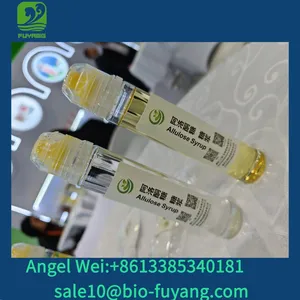
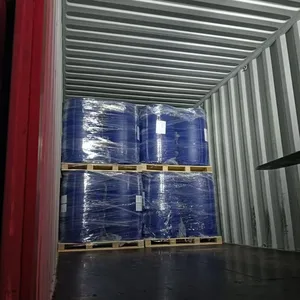
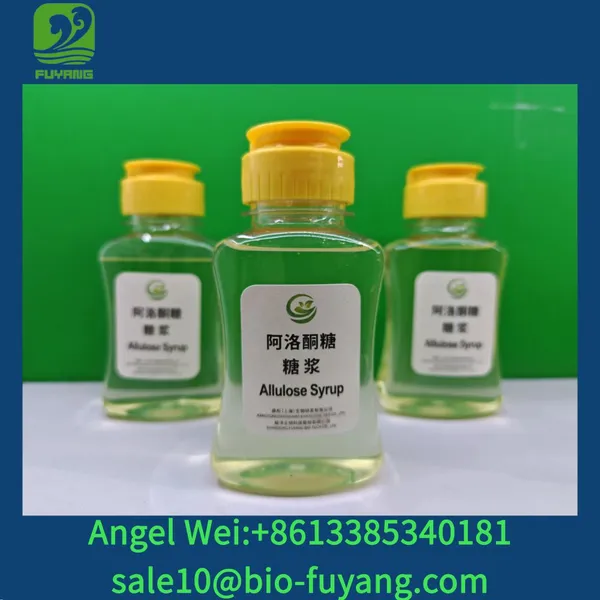
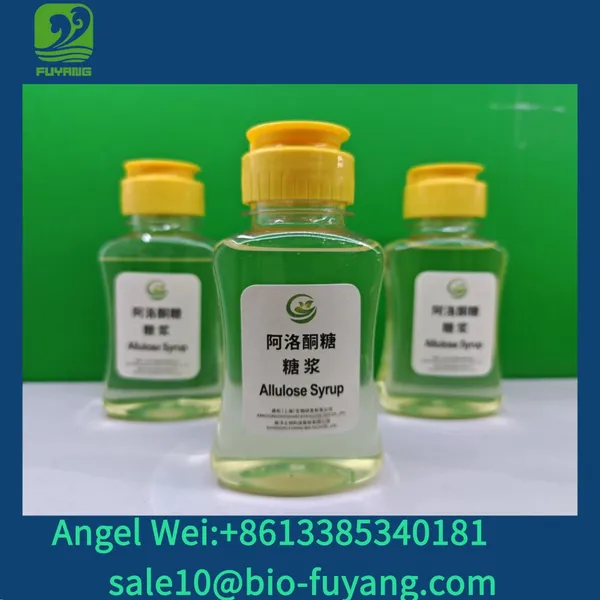
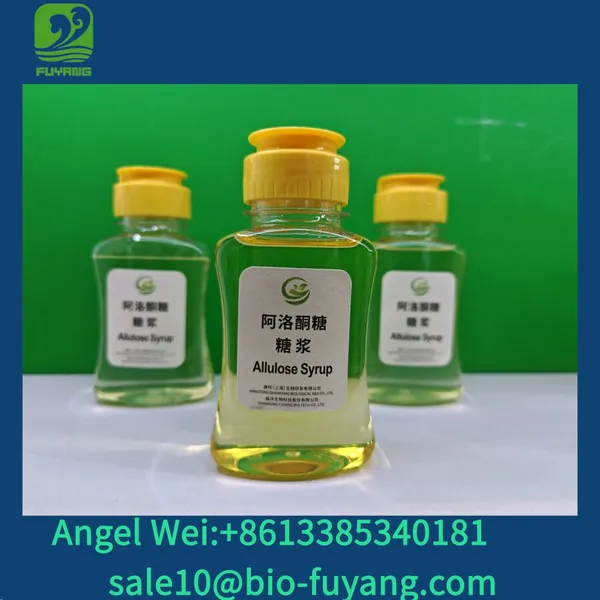
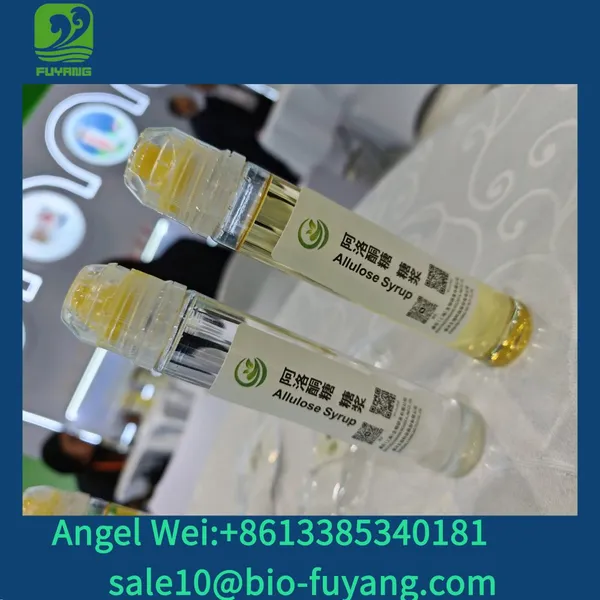
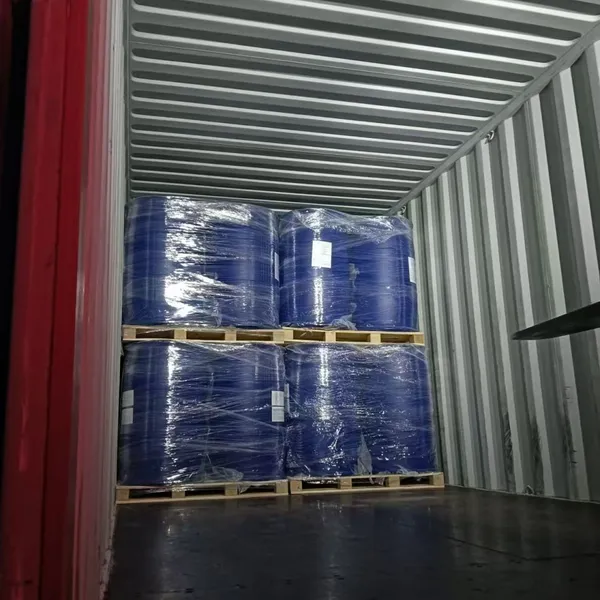
Zero Calories Sugar--D-allulose Syrup



Related Products
-
 Allulose Syrup--zero Sugar ProductsUS$ 1370 - 1380MOQ: 1 Metric Ton
 -
Allulose Syrup ManufactureUS$ 1350 - 1400MOQ: 1 Metric Ton
-
Allulose--zero Sugar ProductsUS$ 2270 - 2300MOQ: 1 Metric Ton
-
TrehaloseUS$ 700 - 710MOQ: 1 Metric Ton
-
Glucono Delta Lactone--Protein Coagulant and Leavening AgentUS$ 875 - 880MOQ: 1 Metric Ton
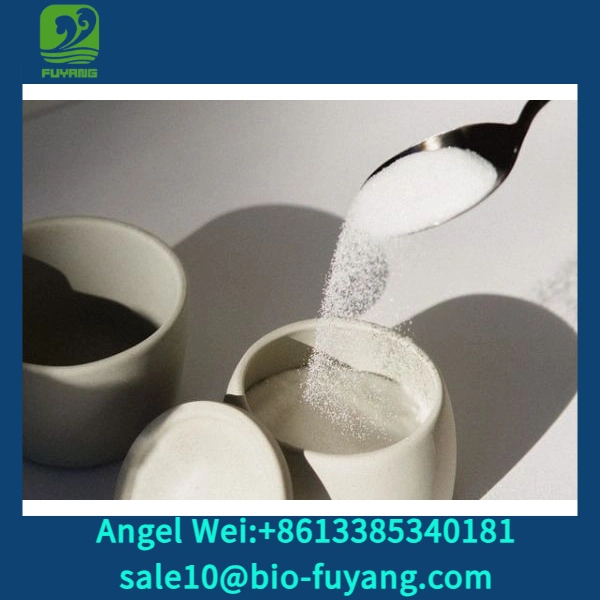
1.What is allulose? Allulose is a rare natural sugar. First discovered in wheat leaves, it is also found in trace amounts in figs, kiwis, raisins, and tea. It is a diastereomer of D-fructose, meaning it looks very similar to fructose but has a slightly different spatial structure. It appears as a white powdery crystal that is hygroscopic, has a melting point of 109°C, and is highly water-soluble (291g per 100g of water at 25°C).
2.What are the sweetness and caloric content of allulose? Allulose has a sweetness of approximately 70% that of sucrose, with a mild taste, a fast onset of sweetness, and a rich sweetness that closely resembles the flavor of traditional sugar. More importantly, it provides virtually no calories: Only 0.4 kcal/g (compared to 4 kcal/g for sucrose). It does not participate in glucose metabolism and does not elevate blood sugar or insulin levels, making it a good choice for those concerned about blood sugar.
It also participates in the Maillard reaction (the process that causes food to change color and aroma upon heating), imparting an appealing color and flavor to food. It's ideal for use in baking, beverages, seasonings, and other fields. 3.How is it different from erythritol? Among the many sugar substitutes, erythritol is often compared to allulose. The following are the key differences between the two: For those seeking a taste close to real sugar, allulose is undoubtedly superior. Indicators Allulose Erythritol Sweetening Speed Fast Slightly Slow Sweetness Intensity Rich Light Numbing (Cooling) Weak Pronounced Calorie Level Very Low (0.4kcal/g) 0 kcal/g Does it cause a rise in blood sugar?
4.How is it produced? Due to its scarcity from natural sources, current industrial production primarily relies on bioconversion, where enzymatic conversion technology transforms fructose into allulose. This method produces a high number of byproducts, is inefficient, and relatively expensive. Another method is fermentation, which primarily uses glucose as a raw material. Allulose is fermented to produce it. This method produces relatively few byproducts, is highly efficient, and offers significant cost advantages, aligning with the principles of green and sustainable development.
5.Will it cause diarrhea? — About the tolerance of allulose Allulose is not metabolized by the human body. It is primarily absorbed in the small intestine and excreted through the kidneys, with a small amount entering the large intestine. Excessive intake can cause diarrhea due to increased osmotic pressure, a non-pathological form of "osmotic diarrhea."
The good news is that this discomfort is dose-dependent. According to the National Health Commission of China, the current recommended daily intake is no more than 20 grams. If consumed in moderation, most people can tolerate it well. In summary, allulose's key advantages include: 1. Its sweetness is close to that of sucrose, providing a natural taste. 2. It is extremely low in calories, making it suitable for those on a calorie-controlled diet. 3. It does not raise blood sugar or insulin levels. 4. It is highly soluble, making it easy to process. 5. It participates in the Maillard reaction, contributing to its delicious flavor.

Send Inquiry to This Supplier


You May Also Like
-
Erythritol--natural SweetenersUS$ 1210 - 1220MOQ: 1 Metric Ton
-
Sodium Gluconate--Washing Glass BottleUS$ 510 - 520MOQ: 1 Metric Ton
-
Sodium Gluconate--- CONCRETE ADMIXTUREUS$ 510 - 520MOQ: 1 Metric Ton
-
Sodium Gluconate--METAL CLEANING & FINISHINGUS$ 875 - 880MOQ: 1 Metric Ton
-
Allulose ManufactureUS$ 2250 - 2270MOQ: 1 Metric Ton
-
Natural Sweetener--alluloseNegotiableMOQ: 1000 Kilograms
-
Zero Calories Sugar--D-allulose SyrupNegotiableMOQ: 1000 Kilograms
-
Low Service Cost High-speed Mixing Tank Liquid, Sugar, Yogurt Mixing TankUS$ 4400.00 - 4800.00MOQ: 1 Set
-
Liquid SugarUS$ 1,300 - 2,000MOQ: 1 Metric Ton
-
High Speed Atomizer Beverage Sugar Food Salt Centrifugal Spray Dryer Liquid Sprying Drying MachineNegotiableMOQ: 1


