








 Contact Platform Support
 Help Center
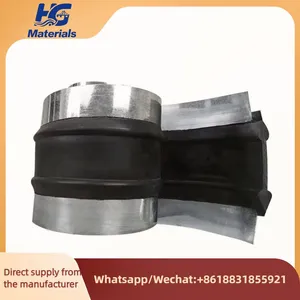
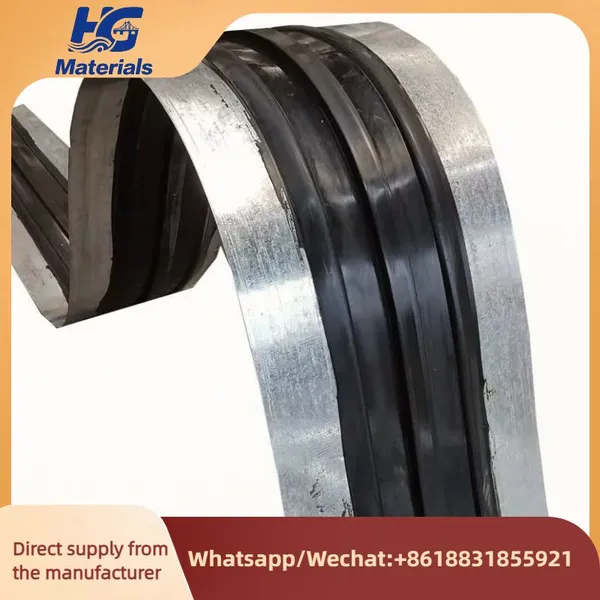
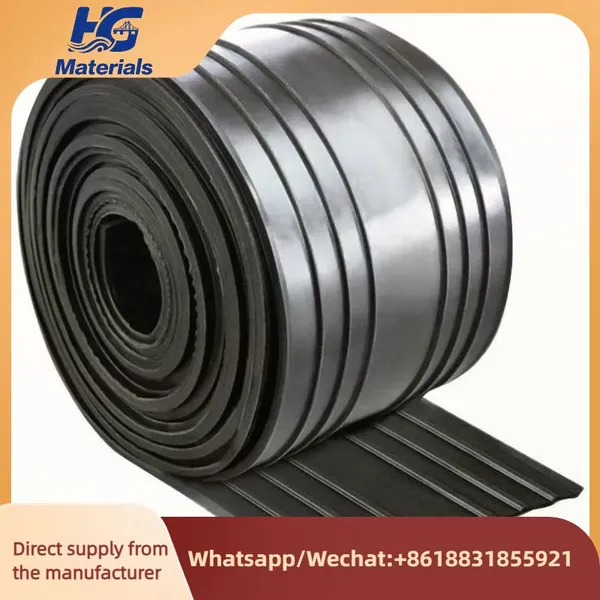
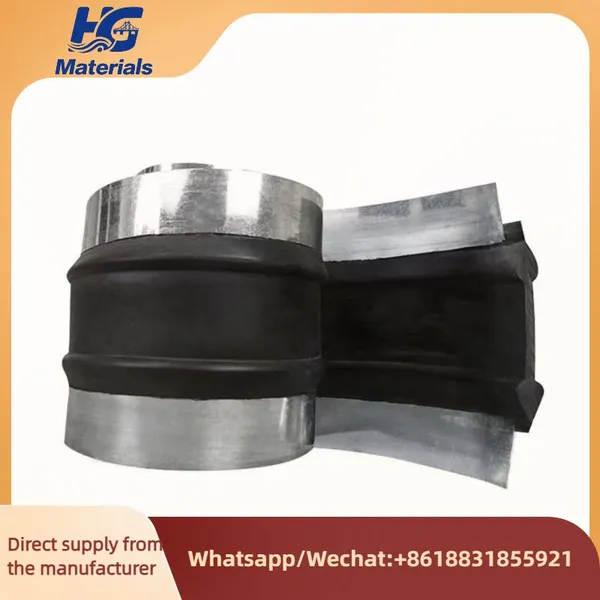
HG001 Rubber Waterstop With Embedded Steel Edge for Subway Tunnel, Water-expanding Rubber Waterstop Manufacturer



Related Products
-
 HG001 Rubber Waterstop Strip Manufacturer, Waterproofing Strip for Tunnels and Utility Corridors, Back-applied Type 651, Embedded TypeUS$ 4.8 - 5MOQ: 100 Meters
 -
Water-swelling Waterstop Strip Product for Construction Joint Sealing and Waterproofing, 20*30 Putty-type Swelling Waterstop StripUS$ 0.9 - 1MOQ: 100 Meters
-
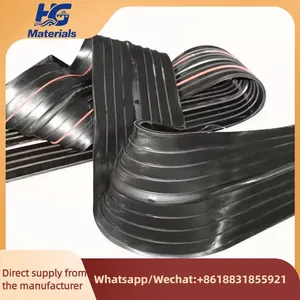
Rubber Waterstop, Buried Type, Construction Engineering, Subway, Bridge, TunnelUS$ 4 - 5MOQ: 100 Meters
-
Rubber Sealing Strip, Waterstop Strip Dedicated to Bridge Expansion Joints, Waterproof Sealing Rubber StripUS$ 4 - 5MOQ: 100 Meters
-
Center Bulb Rubber Waterstop for Basement Concrete Construction Joint WaterproofingUS$ 4 - 5MOQ: 100 Meters
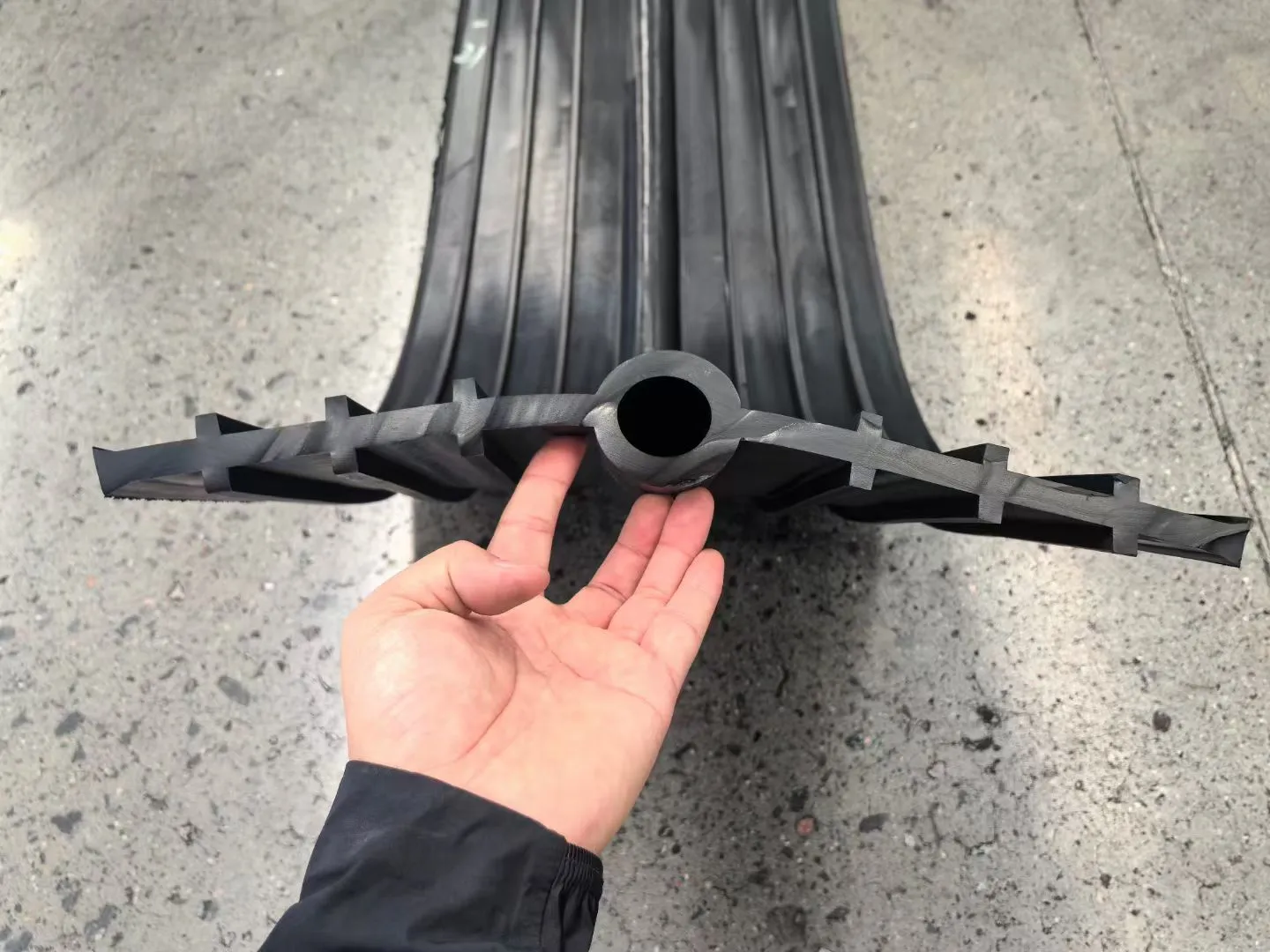
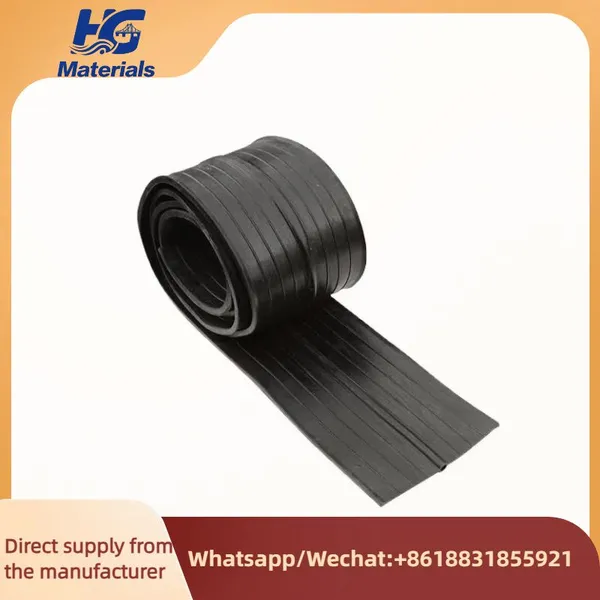
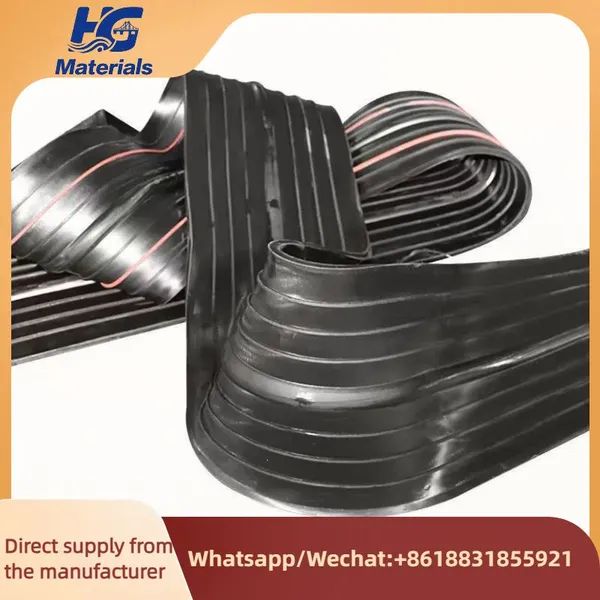
Rubber waterstops are core flexible waterproof materials used in water conservancy, bridge, tunnel, construction and other projects to block water seepage channels. Leveraging the high elasticity, weather resistance and compression set resistance of rubber, they form a sealed defense line at seepage-prone locations such as structural expansion joints, settlement joints and construction joints. Widely applied in reservoir dams, subway tunnels, cross-sea bridges, basement of high-rise buildings and other scenarios, rubber waterstops are key components ensuring the durability of engineering structures.
Classification Criterion |
Type Name |
Structural Features |
Core Application |
Typical Engineering Scenarios |
Structural Form |
Embedded Rubber Waterstops |
Equipped with waterstop ribs (single-rib, double-rib or multi-rib) in the middle, with pre-reserved installation holes on both sides; need to be cast into the concrete structure |
Block horizontal/vertical water seepage at structural expansion joints and settlement joints, forming a "central axis sealing line" |
Joints on the water-facing side of reservoir dams, circumferential joints of subway section tunnels, joints of bridge bearing pads |
Structural Form |
Back-Adhered Rubber Waterstops |
One side is flat (attached to the structural surface), and the other side has raised patterns (enhancing adhesion with concrete); installed on the outer side of the water-facing surface of the structure |
Prevent water from seeping into the structure from the outside, suitable for narrow spaces where embedded installation is not possible |
Joints of diaphragm walls, construction joints of pipe gallery side walls, joints of basement floor and external walls |
Material Performance |
Water-Swellable Rubber Waterstops |
Water-swellable resin (swelling ratio: 150%-300%) is mixed into the base rubber, providing both elastic sealing and swelling waterstop functions |
Sealing of small gaps, supplementary waterstop, or forming a "double defense line" with embedded type |
Joints of prefabricated buildings, waterproofing of pile heads, gaps of cable pipes passing through wall panels |
Performance Features: Excellent elasticity (elongation at break ≥ 500%), good low-temperature toughness (no brittleness at -40℃), but weak oil resistance and ozone resistance;
Applicable Environment: Normal-temperature scenarios without oil immersion or strong corrosion, such as freshwater reservoirs, municipal pipe networks, and basements of ordinary buildings;
Implementation Standard: Complies with Polymer Waterproof Materials - Part 2: Waterstops (GB 18173.2-2014), with hardness of 60±5 Shore A.
-
Performance Features: Strong weather resistance (UV resistance, aging resistance), oil resistance (vegetable oil/mineral oil), weak acid and alkali resistance, with tensile strength ≥ 18MPa;
Applicable Environment: Outdoor open-air projects and coastal slightly corrosive environments, such as bridge expansion joints, highway culverts, and basements of coastal buildings;
-
Advantageous Scenarios: Projects exposed to sunlight and rain for a long time, with a service life of 15-20 years.
Performance Features: Optimal weather resistance and corrosion resistance (ozone resistance, acid and alkali resistance, high and low-temperature resistance range: -60℃ to 120℃), elongation at break ≥ 450%, and environmentally friendly with no peculiar smell;
Applicable Environment: Scenarios with strong corrosion, extreme temperature differences and high environmental protection requirements, such as sewage treatment plants, chemical wastewater pools, circulating water pipelines of nuclear power plants, and tunnels in alpine regions;
Core Advantage: Maintains stable sealing performance even in strong acid (pH ≤ 3) and strong alkali (pH ≥ 11) environments, with a service life of over 25 years.
Technical Indicator |
Natural Rubber (NR) |
Chloroprene Rubber (CR) |
EPDM Rubber |
Test Standard |
Hardness (Shore A) |
60±5 |
60±5 |
60±5 |
GB/T 531.1 |
Tensile Strength (MPa) |
≥15 |
≥18 |
≥15 |
GB/T 528 |
Elongation at Break (%) |
≥500 |
≥450 |
≥450 |
GB/T 528 |
Compression Set (70℃×22h, %) |
≤30 |
≤25 |
≤20 |
GB/T 7759 |
Hot Air Aging (70℃×168h) |
Tensile strength change rate ±20%, elongation change rate ±25% |
Tensile strength change rate ±15%, elongation change rate ±20% |
Tensile strength change rate ±15%, elongation change rate ±20% |
GB/T 3512 |
Water Swelling Rate (Water-swellable Type, %) |
- |
- |
150-300 (customizable) |
GB/T 18173.3 |
Application Positions: Expansion joints of reservoir dam bodies, settlement joints of sluice chambers, interface joints of aqueducts;
Selection Suggestion: Prioritize embedded double-rib natural rubber waterstops (suitable for freshwater environments); for coastal water conservancy projects (such as seawater sluices), EPDM material should be selected to resist seawater corrosion;
Case Reference: The flood discharge sluices of the Three Gorges Reservoir use embedded natural rubber waterstops, with a single length of over 20 meters, and no seepage has occurred after 15 years of operation.
Application Positions: Joints of bridge bearing pads, wet joints of box girders, connection joints of piers and cap beams;
Selection Suggestion: Back-adhered EPDM waterstops (UV resistance, temperature difference resistance), combined with water-swellable waterstops to form a "double protection";
Case Reference: The pier joints of the Hong Kong-Zhuhai-Macao Bridge adopt back-adhered EPDM waterstops, which can withstand the high-humidity and high-salt marine environment and ensure structural durability.
Application Positions: Circumferential joints of subway tunnels, expansion joints of pipe galleries, construction joints of basement floors and walls;
Selection Suggestion: Embedded CR waterstops (moisture resistance) + water-swellable waterstops (supplementary sealing), suitable for underground high-water-level environments;
Case Reference: The Beijing Subway Line 16 tunnel uses embedded CR waterstops, which effectively block groundwater seepage and ensure the dry operation of the tunnel.
Application Positions: Post-pouring belts of high-rise building basements, joints of prefabricated building wall panels, gaps of pipes passing through floor slabs in bathrooms;
Selection Suggestion: Water-swellable rubber waterstops (suitable for small gaps) or back-adhered NR waterstops (normal-temperature dry environments);
-
Case Reference: The post-pouring belt of the basement of a super high-rise residential building in Shanghai uses water-swellable waterstops, solving the seepage problem of traditional post-pouring belts.
Strong Flexible Adaptability: The rubber material can undergo elastic deformation with structural expansion, contraction and settlement (deformation amount can reach 20% of its own length), avoiding seal failure caused by structural displacement and adapting to various dynamic gaps;
Long Waterproof Service Life: High-quality EPDM waterstops have a design service life of over 25 years, and CR waterstops have a service life of 15-20 years, which is much longer than traditional waterproof membranes (5-8 years), reducing later maintenance costs;
Convenient and Efficient Installation: Embedded waterstops can be directly fixed with steel bars and formed by concrete pouring; back-adhered waterstops are attached to the structural surface through adhesives. The length of a single waterstop can be customized (up to 30 meters), reducing the risk of joint seepage;
Wide Environmental Adaptability: From alpine regions at -60℃ to high-temperature environments at 120℃, and from freshwater to seawater, weak acid and weak alkali environments, there are corresponding waterstop materials to meet the needs of different engineering conditions.
Key Selection Factors: Determine the material, structural form and specifications of the waterstop based on the engineering environment (temperature, medium, corrosion degree), gap type (expansion joint/settlement joint/construction joint) and waterproof grade;
Installation Taboos: Avoid direct contact between the waterstop and sharp steel bars (protective pads are required); during concrete pouring, prevent the vibrator from directly hitting the waterstop (to avoid damage);
Quality Inspection: After installation, check whether the waterstop is centered and whether the joints are firm (joints are connected by hot vulcanization welding, with welding strength ≥ 90% of the base material). A water pressure test should be conducted (test pressure ≥ 1.2 times the design water pressure, no seepage for 30 minutes).

Send Inquiry to This Supplier



You May Also Like
-
Back Stick Rubber Waterstop for Underground Pipe Gallery External Joint Seepage PreventionUS$ 4 - 5MOQ: 100 Meters
-
651 Type Embedded Rubber Waterstop for Subway Tunnel Expansion Joint WaterproofUS$ 4 - 5MOQ: 100 Meters
-
Acid Resistant Rubber Waterstop for Sewage Treatment Tank Concrete Joint SealingUS$ 4 - 5MOQ: 100 Meters
-
Anti-aging Rubber Waterstop for Reservoir Dam Hydraulic Structure Water BlockingUS$ 4 - 5MOQ: 100 Meters
-
Cold Resistant Virgin Rubber Waterstop for Northern Highway Box Culvert ProjectUS$ 4 - 5MOQ: 100 Meters
-
Steel Edge Rubber Waterstop for Bridge Deck Concrete Settlement Joint WaterproofingUS$ 4 - 5MOQ: 100 Meters
-
Salt Alkali Resistant Rubber Waterstop for Coastal Wharf Foundation Anti-leakageUS$ 4 - 5MOQ: 100 Meters
-
Flexible Modified Rubber Waterstop for Underground Garage Structural JointsUS$ 4 - 5MOQ: 100 Meters
-
10. High Elongation Rubber Waterstop for Municipal Drainage Culvert Expansion JointsUS$ 4 - 5MOQ: 100 Meters
-
Low Temperature Resistant EPDM Waterstop for Alpine Railway Culvert ProjectUS$ 4 - 5MOQ: 100 Meters


