








 Contact Platform Support
 Help Center
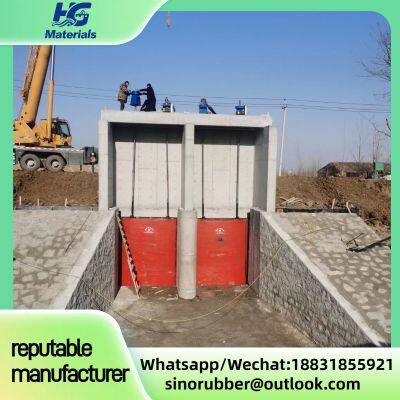
HG002manufacturer Specializes in Producing Custom-made Copper-inlaid Cast Iron Gates and Cast Iron Round Gates



Related Products
-
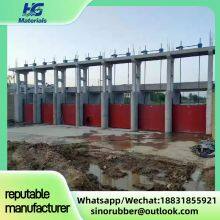
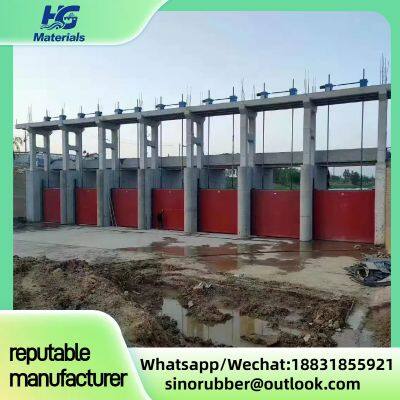
 HG002 Cast Iron Sluice Gate, Farmland Irrigation and Drainage Gate, High-strength Wear-resistant Hydraulic Gate, Available in WholesaleUS$ 200 - 3000MOQ: 10 Combos
 -
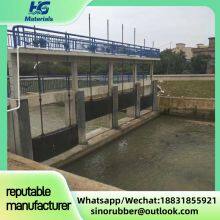
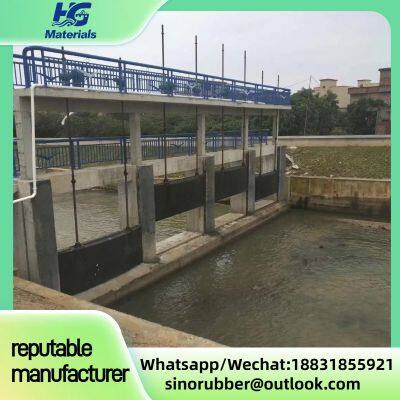
HG002 Integrated Cast Iron Gate, Buttress-type Gate Water-stop Gate for Farmland Irrigation,US$ 200 - 3000MOQ: 10 Combos
-
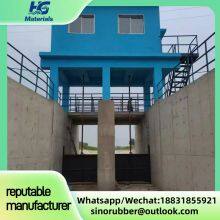
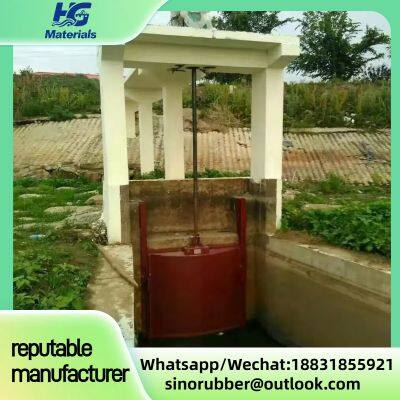
HG002 Cast Iron Sluice for Farmland Irrigation Channels, Water-stopping Cast Iron Square Sluice Gate, Integrated Hydraulic Machinery EquipmentUS$ 200 - 3000MOQ: 10 Combos
-
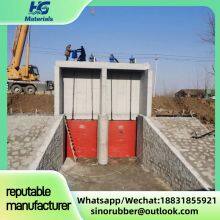
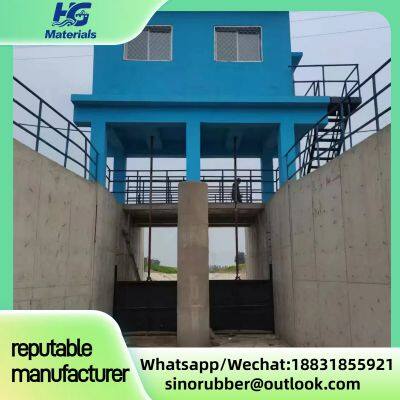
Cast Iron Sluice Gate With Copper-inlaid Round and Square Design, Integrated Flashlight,US$ 200 - 3000MOQ: 10 Combos
-
Steel Gate Factory, Cast Iron Gate, Farmland Irrigation, Stainless Steel Gate, Gate Hoist, Affordable PricesUS$ 200 - 3000MOQ: 10 Combos
TLoad-Bearing Frame: The gate frame consists of an upper beam, a lower beam, and left/right vertical beams. It is integrally cast from gray cast iron or ductile iron, rigidly connected to the foundation structure, and bears the load generated by water flow impact.
Water-Retaining Main Body: Also known as the gate plate, it is divided into flat and arched types by shape. Made of the same material as the gate frame, its surface undergoes precision machining to ensure flatness. The sealing surface of some gate plates is inlaid with copper to enhance wear resistance.
Guiding and Sealing System: Guide rails are symmetrically arranged on both sides of the gate frame (for small and medium-caliber gates, they can be cast integrally with the gate frame). The length is usually 1/2 to 1/3 of the full opening height of the gate to ensure smooth lifting of the gate plate. Seals are made of copper alloy or aging-resistant rubber, and tight sealing is achieved through wedge tightening devices, which can control water leakage to an extremely low level.
Opening and Closing Drive Components: Including transmission screws, lifting nuts, or lifting lugs, which need to be used with hoists. Through manual, electric, or hydraulic mechanisms, gears and worm gears are driven to operate, driving the gate shaft to lift vertically and complete the opening and closing of the gate.
Flat Cast Iron Sluice Gates: The gate plate has a rectangular flat structure, featuring compact structure and easy installation. Cast from high-strength cast iron, they have excellent sealing performance and corrosion resistance. Suitable for water interception and water level regulation in reservoirs, canals, and sewage treatment projects, they are especially adapted to the narrow installation space of small and medium-sized water conservancy facilities.
Arched Cast Iron Sluice Gates: The gate plate is designed in an arched shape, which optimizes hydrodynamic characteristics, greatly reduces water flow resistance, and improves water passing efficiency. Equipped with precision guide rails and rubber water stops, they can meet the precise regulation needs of high water pressure and large flow scenarios such as rivers and irrigation areas.
Round Cast Iron Sluice Gates: The gate plate has a circular structure, suitable for round pipelines, culverts, and pumping station outlets. With outstanding sealing performance, they can form an integrated water-retaining system with pipelines after installation, and are widely used in farmland irrigation, municipal drainage, and other scenarios.
Single-Sided Water-Stop Cast Iron Sluice Gates: A sealing structure is only set on the water-facing side, suitable for scenarios such as canals and irrigation systems with fixed water flow direction, featuring simple structure and controllable cost.
Double-Sided Water-Stop Cast Iron Sluice Gates: Adopt a double-sided sealing design, which can withstand positive and negative water pressure. Specially designed for complex environments with variable water flow directions such as tidal rivers and inter-basin water transfer projects, they can effectively cope with the sealing challenges caused by alternating water levels.
Manual Cast Iron Sluice Gates: Equipped with manual screw hoists, the gate plate is driven to lift by manual cranking. Economical and practical with simple maintenance, they are suitable for emergency opening and closing needs of small water conservancy projects or projects without power supply.
Electric Cast Iron Sluice Gates: Equipped with electric hoists, they support remote control and automatic management, and are equipped with overload protection devices. With stable and efficient operation, they are adapted to high-frequency opening and closing scenarios of large and medium-sized gates.
Strong Material Durability: Both the gate frame and gate plate are made of cast iron (gray cast iron or ductile iron). The ductile iron version has better compressive strength and toughness, which can resist water flow scouring, sediment wear, and water quality erosion. It remains structurally stable even during long-term underwater operation, with a service life of more than 15 years.
Reliable Sealing Performance: Seals are made of copper alloy or high-quality rubber, which undergo precision machining and matching grinding. Combined with the wedge pressing structure, they can achieve strict water-stop effects, effectively reducing water leakage loss, and forming a coordinated guarantee with the anti-seepage needs of rubber dams.
Convenient Installation and Maintenance: Adopting pre-embedded steel plates or pre-embedded bolts for installation, the on-site commissioning process is simple. Daily maintenance only requires regular inspection of the aging status of seals and the lubrication status of guide rails. During fault maintenance, parts can be replaced conveniently without complex construction equipment.
Wide Adaptability: With a complete range of types and specifications, they can be flexibly adapted according to parameters such as gate opening size (from tens of centimeters to several meters), pressure head (0.1MPa to 1.0MPa), and opening/closing type, covering various water conservancy scenarios from farmland irrigation to river flood control.
River and Flood Control Projects: Deployed as river flood control gates in urban embankments and upstream/downstream of rubber dams, they are closed during flood seasons to achieve flood control and water retention, and opened during dry seasons to adjust water levels. The double-sided water-stop type can cope with alternating water flow impacts in tidal rivers.
Reservoir and Water Supply Systems: Installed at reservoir water intake ports and water plant water transmission pipelines, they are used for water storage regulation and water supply flow adjustment to ensure stable allocation of water resources.
Farmland Irrigation Projects: Small flat cast iron sluice gates are set in the main and branch canals of irrigation areas to precisely control irrigation water volume, adapting to the decentralized water control needs of agricultural water conservancy.
Sewage Treatment and Pumping Stations: Used as intercepting gates or maintenance gates, they are applied to water flow guidance in sewage treatment plants and water cut-off protection during the maintenance of pumping station equipment. The corrosion-resistant material can adapt to the sewage environment.
Rubber Dam Supporting Scenarios: During the maintenance of rubber dams, closing the upstream and downstream cast iron sluice gates can quickly drain the water in the dam body area, providing a dry working environment for dam bag repair, anchoring system reinforcement, and other construction works, making them key auxiliary equipment for rubber dam operation and maintenance.
Joint Water-Retaining Regulation: In daily operation, cast iron sluice gates can be used as front or rear water-retaining devices for rubber dams. When the rubber dam is filled with water, they assist in adjusting the upstream water level to improve the overall stability of the water-retaining system.
Maintenance Coordination Guarantee: When the rubber dam has problems such as dam bag damage and water filling/discharging faults, cast iron sluice gates are used to cut off water flow, avoiding river water backflow during construction and reducing maintenance difficulty, which accurately matches the "water cut-off maintenance" construction needs of rubber dams.
Maintenance Complementarity and Adaptability: Both need to focus on sealing performance and anti-corrosion maintenance. The anti-rust protection of cast iron sluice gates (such as regular application of anti-corrosion coatings) and the anti-corrosion of the anchoring system of rubber dams can adopt the same maintenance standards, facilitating unified management.

Send Inquiry to This Supplier



You May Also Like
-
Cast Iron Canal Gate, Round and Square Sewage Pipe Side-opening 304 Gate, Anti-backflow Water-stopping Steel Reservoir Flap Gate FactoryUS$ 200 - 3000MOQ: 10 Combos
-
Chinese Steel Gate Manufacturer for Hydraulic Engineering: Square Sluice Gates, Stainless Steel Water Stop GatesUS$ 200 - 3000MOQ: 10 Combos
-
Cast Iron Gate ValveUS$ 200 - 3000MOQ: 10 Combos
-
Factory for Cast Iron Gate Valves: Custom Cast Iron Rise-Prevention Gates for Fish Ponds, Rivers, and Reservoirs, Made of Circular Steel, FiberglassUS$ 200 - 3000MOQ: 10 Combos
-
PGZ Type Round Integral Cast Iron Gate Valve, Long Service Life, Stable Performance, ManufacturerUS$ 200 - 3000MOQ: 10 Combos
-
Integrated Mechanical-gate Cast Iron Sluice Gate, Factory Hydraulic Flap, Bucket Channel Control and Water Diversion CanalUS$ 200 - 3000MOQ: 10 Combos
-
Cast Iron Gate Valve, Made of High-strength Cast Iron, Sturdy Structure With Strong Pressure Resistance, Precision Casting Process, Customizable.US$ 200 - 3000MOQ: 10 Combos
-
Cast Iron Sluice Gate, Integrated Circular Gate for Sewage Reservoir Channels, Electric Hydraulic Watertight Cast Iron Sluice GateUS$ 200 - 3000MOQ: 10 Combos
-
Anti-corrosion and Rust-proof Cast Iron Sluice Gate Trader, Perfect After-sales Service,, Complete Styles, Suitable for Farmland IrrigationUS$ 200 - 3000MOQ: 10 Combos
-
Corrosion-resistant Cast Iron Sluice Gate With Complete Qualifications, Used for Reservoir and Power Station Sewage Control, Customizable as Needed.US$ 200 - 3000MOQ: 10 Combos


