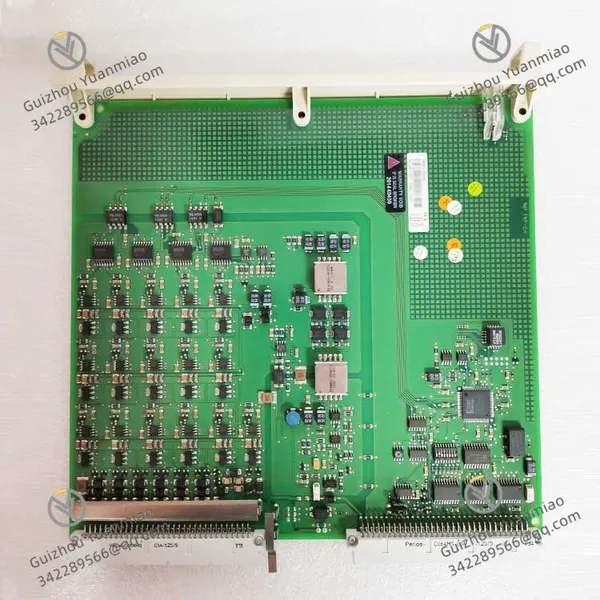
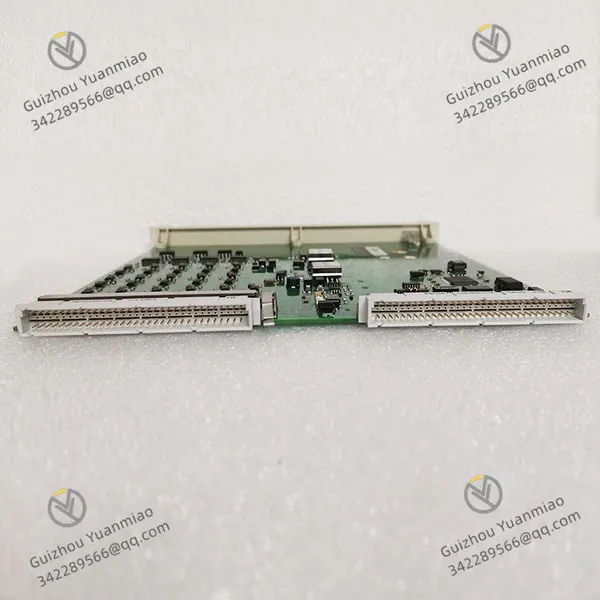
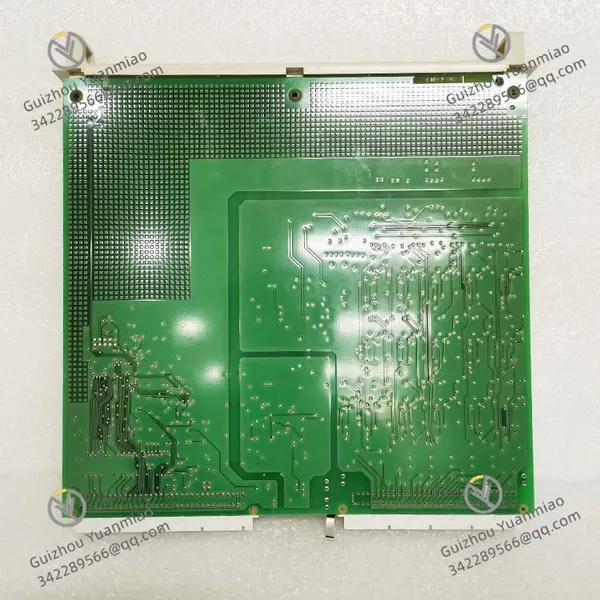
Home > Electrical & Electronics > Electrical Control System > ABB DSAO130A 3BSE018294R1Analog Output Unit Module

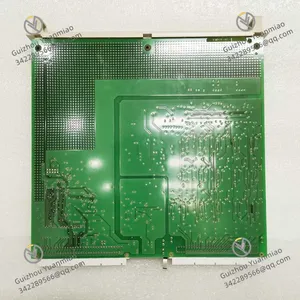
ABB DSAO130A 3BSE018294R1Analog Output Unit Module
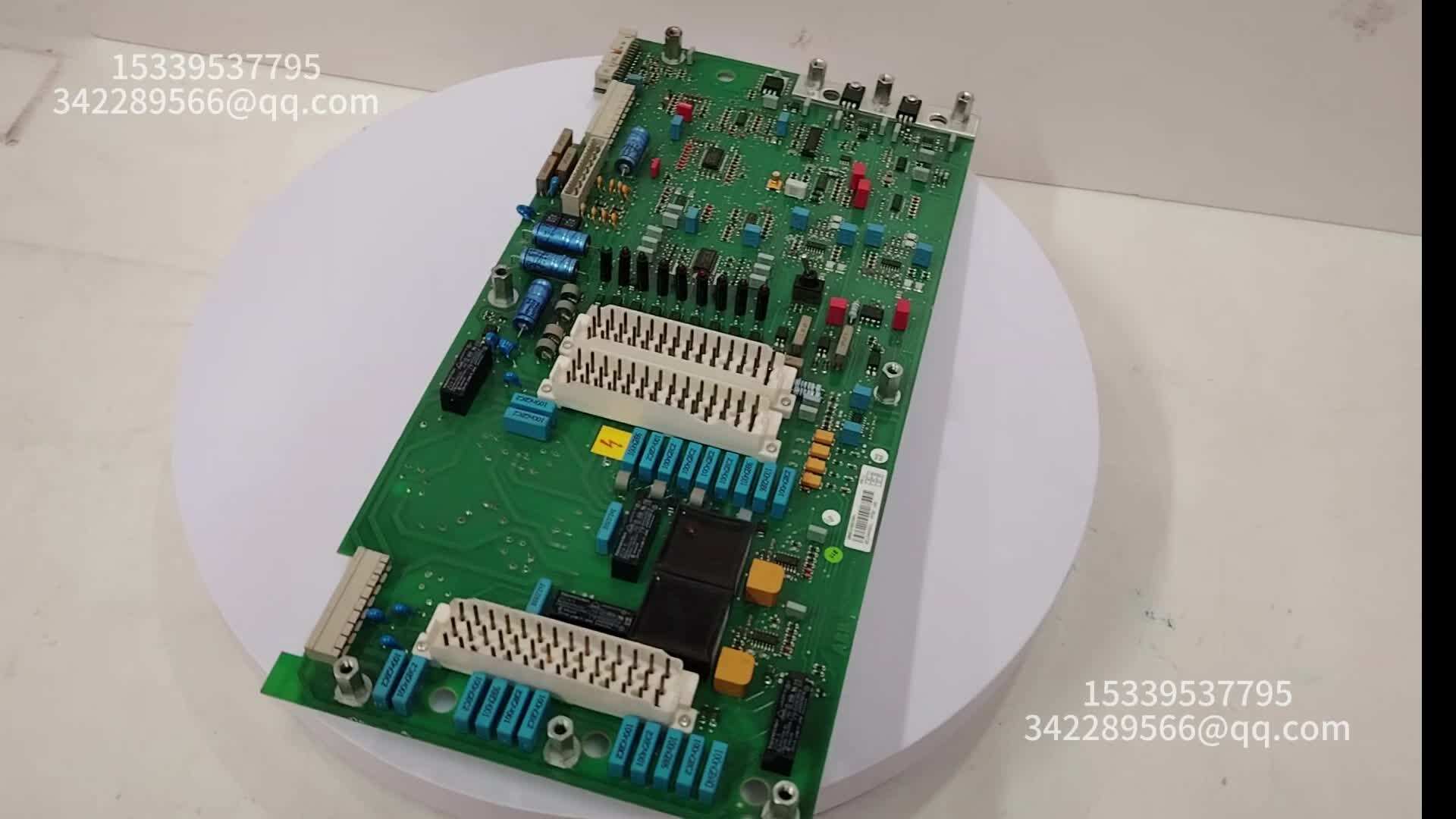
ABB DSAO130A 3BSE018294R1Analog Output Unit Module photo-1
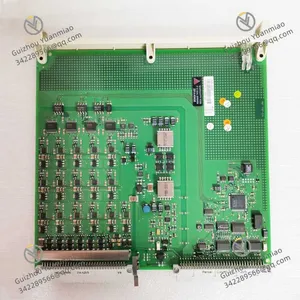
ABB DSAO130A 3BSE018294R1Analog Output Unit Module photo-2
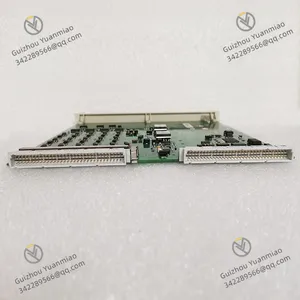
ABB DSAO130A 3BSE018294R1Analog Output Unit Module photo-3
Negotiable MOQ: 1 Piece (Price negotiable depending on order volume and customization)
Key Specifications
Get Latest Price
Material:
Other, Global universal model
Certification:
CE
Function:
Other, Global universal model

Payment & Shipping
Payment Methods:
Port of Shipment:
China
Delivery Detail:
Delivery time depends on order quantity.
Material Other, Global universal model
Certification CE
Function Other, Global universal model
Condition New
Task Other, Global universal model
Mathematical Model Other, Global universal model
Signal Other, Global universal model
Customized Non-Customized
Structure Other, Global universal model
The ABB DSAO130A 3BSE018294R1 is a high-performance analog output unit module belonging to ABB’s Advant OCS (Open Control System) product family, specifically designed for industrial automation control systems. As a dedicated analog output component, it converts digital control signals from upper-level controllers (such as ABB MasterPiece 200/300 series) into continuous analog signals (e.g., current or voltage) to drive on-site actuators. It is widely used in process industries such as petrochemicals, metallurgy, and power, where precise control of valves, pumps, and other equipment is required.
I. Basic Specification Parameters
Adhering to ABB’s strict industrial-grade hardware standards, the module features stable physical performance and reliable environmental adaptability, ensuring long-term operation in harsh industrial environments:


Parameter Category Specific Specifications
Product Model Module Model: DSAO130A; Part Number: 3BSE018294R1
Product Type Industrial-grade analog output unit module (for Advant OCS system)
Manufacturer ABB Industrial Automation Division
Physical Dimensions 100mm (Height) × 160mm (Width) × 220mm (Depth) (adopts Advant OCS series standard rack-mounted design, compatible with ABB’s standard I/O racks)
Net Weight Approximately 850g (robust structural design, suitable for long-term fixed installation)
Power Requirement Input Voltage: 24V DC (±10% fluctuation range, conforming to industrial DC power standards);
Power Consumption: Typical 6W, Maximum 8W (low power consumption, reducing overall system energy load)
Protection Rating Module body: IP20 (must be installed in a control cabinet with IP54 or higher protection to prevent dust and liquid intrusion);
Terminal block: Anti-oxidation nickel-plated design, with short-circuit protection function
Certification Standards Compliant with international industrial certifications including CE (EU EMC & Safety Directive), UL 508 (U.S. Industrial Control Equipment Standard), and IEC 61010-1 (Safety Requirements for Electrical Equipment for Measurement, Control, and Laboratory Use)
Installation Method Rack-mounted installation (compatible with ABB Advant OCS standard I/O racks, requiring fixation with dedicated mounting screws to ensure stability during operation)
ABB DSAO130A 3BSE018292R1 Analog Input Board 16 Cannels module
II. Core Electrical Performance & Signal Characteristics
As a professional analog output module, the DSAO130A 3BSE018294R1 excels in signal conversion accuracy, output stability, and anti-interference capability—key indicators for ensuring precise control of on-site equipment:
1. Output Channel Configuration
The module adopts a multi-channel design to meet the simultaneous control needs of multiple actuators in industrial scenarios:


  • Number of Channels: 4 independent analog output channels (each channel operates independently, with no mutual interference between channels);

  • Channel Isolation: Each output channel has galvanic isolation (isolation voltage ≥250V AC, 50Hz/60Hz, 1 minute), which can effectively suppress common-mode interference between channels and protect the module from voltage surges caused by on-site equipment failures;

  • Load Capacity: Each channel supports a maximum load resistance of 750Ω (for current output mode) and a minimum load resistance of 1kΩ (for voltage output mode), compatible with most industrial actuators (such as electro-pneumatic valves, frequency converters).

2. Analog Output Signal Specifications
The module supports multiple standard analog signal types to adapt to different actuator requirements, with high signal linearity and low drift:


Signal Type Range Options Accuracy (25°C ±5°C) Resolution
Current Output 4~20mA DC; 0~20mA DC; 0~10mA DC ±0.1% of full scale 16-bit
Voltage Output 0~5V DC; 0~10V DC; ±5V DC; ±10V DC ±0.15% of full scale 16-bit
Signal Update Rate All channels: 100ms (maximum delay from digital signal input to analog output) - -
Temperature Drift Current output: ≤±0.01% of full scale/°C; Voltage output: ≤±0.015% of full scale/°C - -


  • Key Explanations:

    • "Full scale" refers to the maximum range of the selected signal (e.g., 20mA for 4~20mA current output);

    • 16-bit resolution means the module can divide the full-scale signal into 65,536 levels, ensuring ultra-fine adjustments (e.g., 4~20mA current can be adjusted in steps of ~0.24μA).

3. Electrical Protection & Reliability
To address common electrical risks in industrial sites (such as short circuits, voltage surges), the module is equipped with multiple protection mechanisms:


  • Short-Circuit Protection: Each output channel has independent electronic fusing (current limiting ≤30mA); if the channel is short-circuited, the module automatically cuts off the output to prevent damage to internal circuits, and resumes normal operation after the fault is eliminated;

  • Overvoltage Protection: The power input terminal supports transient overvoltage protection (up to 60V DC for 100ms), avoiding module damage caused by power grid surges;

  • Electromagnetic Compatibility (EMC): Complies with IEC 61000-6-2 (industrial environment EMC standards), with resistance to conducted interference (150kHz~80MHz) and radiated interference (30MHz~1GHz), ensuring stable signal output even near high-interference equipment (e.g., frequency converters, motors);

  • Reliability Index: Mean Time Between Failures (MTBF) ≥ 80,000 hours (based on ABB’s accelerated life testing and industrial-grade component selection), significantly reducing maintenance frequency.

ABB DSAO130A 3BSE018292R1 Analog Input Board 16 Cannels module

III. Core Functions & Working Principles1. Core Functional Positioning
The ABB DSAO130A serves as a "digital-to-analog conversion bridge" between the upper-level controller and on-site actuators, with three core functions:


  • Digital-to-Analog (D/A) Conversion: Receives digital control commands (e.g., "valve opening 50%") from the Advant OCS controller, converts them into continuous analog signals (e.g., 12mA current for 4~20mA range), and outputs them to actuators;

  • Channel Independent Control: Each of the 4 channels can be configured with independent signal ranges (e.g., Channel 1 for 4~20mA, Channel 2 for 0~10V) and control parameters (e.g., output gain, offset) via software, adapting to mixed actuator types in the same system;

  • Real-Time Status Monitoring & Fault Diagnosis: Monitors the module’s operating status (power, output signal integrity) and channel faults (short circuits, overloads) in real time. Fault information is transmitted back to the controller via the system bus, and displayed via LED indicators on the module front panel (e.g., red light for channel fault, green light for normal operation).

2. Working Principle
The module’s signal conversion and control process follows a closed-loop logic to ensure accuracy:


  1. Command Reception: The upper-level controller (e.g., MasterPiece 300) sends a digital control signal (e.g., 16-bit binary data representing 50% valve opening) to the DSAO130A via the Advant OCS system bus;

  2. D/A Conversion: The module’s internal D/A converter converts the digital signal into a corresponding analog signal (e.g., 12mA for 4~20mA range, corresponding to 50% opening);

  3. Signal Conditioning: The analog signal is filtered and amplified by the signal conditioning circuit to reduce noise and ensure it meets the load drive requirements (e.g., increasing current driving capability to match the actuator’s input impedance);

  4. Output & Feedback: The conditioned analog signal is output to the on-site actuator (e.g., electro-pneumatic valve) to control its operation; meanwhile, the module samples the actual output signal and feeds it back to the internal verification circuit to compare with the target signal, correcting deviations in real time;

  5. Fault Handling: If a channel short circuit or overload is detected, the protection circuit is activated to cut off the output, and the fault code is sent to the controller for alarm prompts.

ABB DSAO130A 3BSE018292R1 Analog Input Board 16 Cannels module

IV. Application Scenarios & Compatibility1. Typical Application Industries & Use Cases
With its high accuracy and stability, the DSAO130A is widely used in process industries requiring precise analog control:


  • Petrochemical & Chemical Processing:
    Used to control the opening of control valves in reaction kettles and pipelines. For example, converting the controller’s "temperature adjustment command" into a 4~20mA current signal to drive the valve, regulating the flow of cooling water or raw materials, and maintaining the reaction temperature within the set range.

  • Metallurgy & Steel:
    Drives frequency converters for rolling mill motors or fan speed controllers. For instance, outputting a 0~10V voltage signal to adjust the fan speed of the blast furnace, controlling the air supply volume and ensuring stable combustion.

  • Power Industry:
    Controls the opening of steam valves in thermal power plants. The module converts the turbine speed control command into a 4~20mA signal to adjust the valve opening, maintaining the generator’s output frequency at 50Hz (or 60Hz).

  • Water Treatment & Environmental Protection:
    Regulates the dosing pump’s flow rate in sewage treatment plants. By outputting an analog signal to the dosing pump controller, the module adjusts the amount of coagulant or disinfectant added, ensuring that the effluent water quality meets national standards.

2. Compatibility Instructions
  • System Compatibility:
    Exclusively compatible with ABB Advant OCS control systems, including MasterPiece 200/300 series controllers and Advant Controller 400/800. It cannot be directly integrated into non-ABB systems (e.g., Siemens S7, Rockwell ControlLogix) unless additional protocol converters are used.

  • Software Compatibility:
    Requires configuration and debugging via ABB’s dedicated software Control Builder (version 5.0 or above). The software supports functions such as channel signal range setting, fault threshold configuration, and output signal calibration (e.g., correcting zero drift of individual channels).

  • Accessory Compatibility:

    • Must be installed in ABB’s standard Advant OCS I/O rack (e.g., DSQC series racks) and powered by the rack’s 24V DC power supply;

    • Output terminals require compatible terminal blocks (ABB part number: 3BSE008516R1) for wiring, ensuring reliable connection with actuator cables (recommended to use shielded cables with 0.5~1.5mm² cross-sectional area).

V. Installation & Maintenance Precautions1. Installation Requirements
  • Environmental Conditions:
    Install in a control cabinet with a temperature range of 0°C~+55°C (derate by 10% for temperatures above 40°C) and relative humidity of 5%~95% (no condensation). Avoid installation near heat sources (e.g., power supplies) or equipment with strong electromagnetic interference (e.g., inverters).

  • Wiring Specifications:

    • Use shielded twisted-pair cables for analog output wiring, with the shield layer grounded at one end (grounding resistance ≤4Ω) to reduce interference;

    • Separate analog output cables from high-voltage power cables (≥220V AC) by at least 100mm to prevent electromagnetic coupling;

    • Tighten terminal screws to a torque of 0.8~1.0 N·m to avoid poor contact due to loose connections.

  • Rack Installation:
    Insert the module into the Advant OCS standard I/O rack along the guide rails, ensuring the backplane connector is fully engaged. Secure the module with front-panel screws to prevent vibration-induced disconnection during operation.

2. Maintenance & Calibration
  • Regular Inspection:
    Check the module’s LED indicators monthly: green lights indicate normal operation, while red lights or flashing lights indicate faults (refer to the user manual for fault code interpretation, e.g., continuous red light for power failure, flashing red light for channel short circuit).

  • Signal Calibration:
    Calibrate the output signal annually using a precision multimeter (e.g., Fluke 8846A):

  1. Use Control Builder to send a full-scale target signal (e.g., 20mA for 4~20mA range);

  2. Measure the actual output current/voltage with the multimeter;

  3. Adjust the module’s internal calibration potentiometer (or software offset parameters) to align the actual value with the target value (error ≤±0.1% of full scale).

  • Fault Handling:
    If a channel fault occurs, first check the wiring for short circuits or loose connections. If the fault persists, replace the module (supports hot swapping under Advant OCS system specifications, but ensure the system is in "maintenance mode" to avoid affecting other channels).

Product Tags: DSAO130A , 3BSE018294R1 , Analog Output Unit Module

Send Inquiry to This Supplier

* Message
0/5000

Want the best price? Post an RFQ now!
Verified Business License
Business Type
Trading Company
Year Established
2014
Factory Size
1,000-3,000 square meters
Product Certifications
SA8000