Contact Platform Support
 Help Center
Advantages and Characteristics of the Chromogenic Substrate DA64 (115871-19-7)



Related Products
-
 Performance Characteristics and Usage Instructions of Color Developing Substrate DA67 115871-18-6US$ 480 - 500MOQ: 100 Grams
 -
Advantages of High TOOS Molar AbsorbanceUS$ 1.5 - 2MOQ: 100 Grams
-
How to Obtain High-quality TOPS Powder as a Chromogenic SubstrateUS$ 1.6 - 2.8MOQ: 100 Grams
-
Stability and Storage Conditions of ADOS Products as Chromogenic SubstratesUS$ 15 - 22MOQ: 100 Grams
-
The Simplicity of ADPS Colorimetric Reagent in Experimental OperationUS$ 8 - 13MOQ: 100 Grams
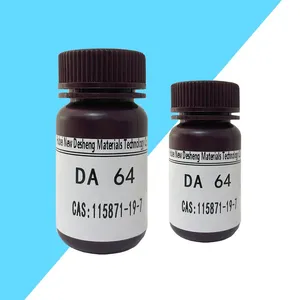
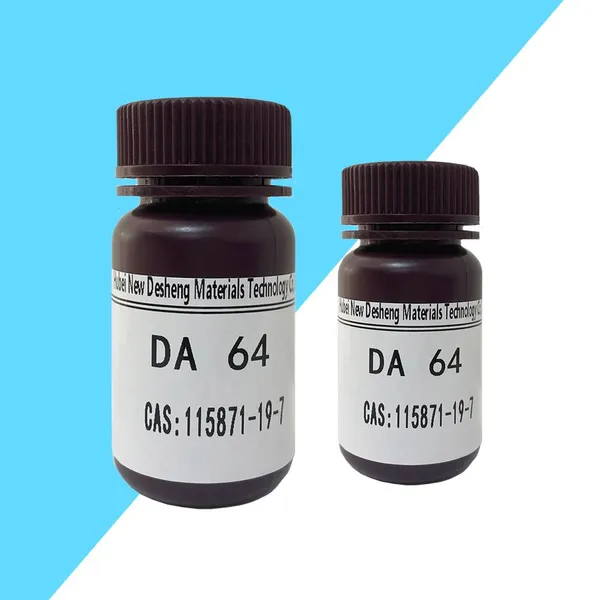
In the field of chemical analysis, the chromogenic substrate DA64 has become an important reagent in peroxidase (POD) detection systems. Its molecular formula is C19H23N4NaO3 and its molecular weight is approximately 378.39 grams per mole. It stands out for its superior performance and unique molecular structure, providing technical support for various analysis and detection applications. So, what are its advantages and characteristics? Let's explore together below.
Basic information of DA64
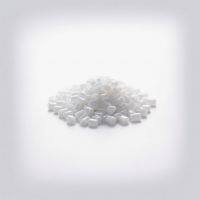
The appearance of the chromogenic substrate DA64 is white and exists in the form of crystalline powder. It has excellent solubility in water, with 40 milligrams of DA64 dissolved per 100 grams of water, and can dissolve in water at concentrations of over 1 millimole.
Advantages and Characteristics of DA64
There are many reasons why DA64 is popular in peroxidase detection systems, and its advantages and characteristics include the following three points:
1. Unique color development characteristics: DA64 has significant differences from traditional color substrates, with a color development wavelength λ max of up to 727nm. Most color substrates have a wavelength in the range of 400-550nm, while DA64 has a significantly higher color development wavelength. This feature makes DA64 exhibit stronger anti-interference ability in complex samples, and the absorption wavelength of many common interfering substances is different from the color rendering wavelength of DA64, making it easier to distinguish target signals.
2. High sensitivity: DA64 has a very sensitive response to POD catalytic oxidation. Its extinction coefficient (ε/H2O2) at a unit concentration of hydrogen peroxide (H2O2) is 9 × 10⁴, which means that DA64 can generate color products with specific absorption wavelengths in the POD reaction. Even at very low target analytical concentrations, stable and reliable results can be obtained.
3. Widely used: DA64 is not only widely used in laboratory research, but also plays an important role in industrial and medical reagent kits, and can be used for various biochemical analyses, including enzyme activity determination, redox reaction, and immunoassay.
The colorimetric substrate DA64 stands out for its unique colorimetric properties, high sensitivity, and anti-interference ability, providing assistance for various research and determination. As an advantageous producer of chromogenic substrates, Desheng's DA64 is mainly used for measuring the content of glycosylated serum proteins in serum by chromogenic enzyme method, timely monitoring the patient's blood glucose level, and making prevention and diagnosis accordingly. Based on its high water solubility and sensitive reaction characteristics, it is highly popular in the market. If you also have relevant needs, please feel free to contact us for purchase at any time!

Send Inquiry to This Supplier


You May Also Like
-
Packaging Requirements for Exporting Color Developing Substrate ALPS Powder in Small BatchesUS$ 15 - 28MOQ: 100 Grams
-
What Items Can DAOS, a Chromogenic Substrate, be Used to Detect?US$ 30 - 50MOQ: 100 Grams
-
Basic Information of the New Trinder's Reagent HDAOS Powder ReagentUS$ 20 - 35MOQ: 100 Grams
-
Application of MADB 209518-16-1 in Serum Muscle Enzyme Detection KitUS$ 30 - 45MOQ: 100 Grams
-
Exploration of the Advantages of MAOS Chromogenic Substrates in Biochemical DetectionUS$ 35 - 50MOQ: 100 Grams
-
What is the Use of the New Trinder's Reagent TOOS 82692-93-1?US$ 1.5 - 2MOQ: 100 Grams
-
Application Introduction of TOPS Color Reagent (CAS40567-80-4)US$ 1.6 - 2.8MOQ: 100 Grams
-
What Applications Can the Chromogenic Substrate ADOS 82692-96-4 be Used In?US$ 15 - 22MOQ: 100 Grams
-
What Are the Advantages of Using ADPS 82611-88-9 as a Chromogenic Substrate?US$ 8 - 13MOQ: 100 Grams
-
Application of Color Reagent ALPS 82611-85-6 in Biochemical ExperimentsUS$ 15 - 28MOQ: 100 Grams