








 Contact Platform Support
 Help Center
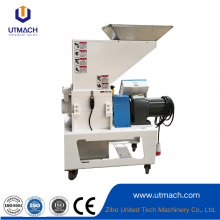
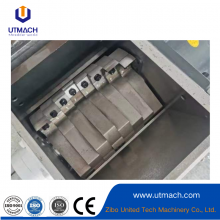
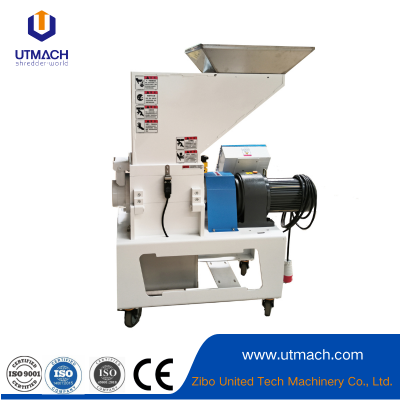
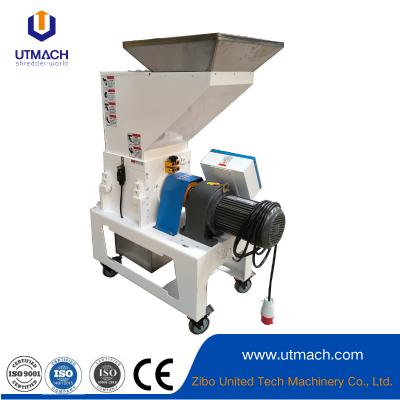
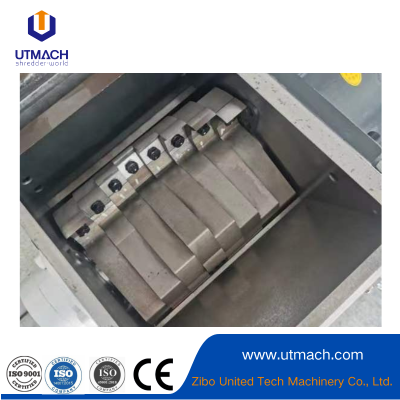
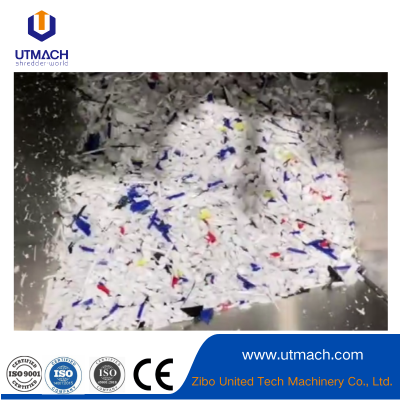
High-viscosity Adapted and Recyclate-specialized Plastic Granulator



Related Products
-
 Fully-automated and Energy-efficient Plastic GranulatorNegotiableMOQ: 1 Set
 -
Biodegradable-material and Noise-optimized Plastic GranulatorNegotiableMOQ: 1 Set
-
Non-stop Continuous and Precision Pellet-forming Plastic GranulatorNegotiableMOQ: 1 Set
-
Supercritical-processed and Fully-automated Plastic GranulatorNegotiableMOQ: 1 Set
-
Recyclate-specialized and Modular-designed Plastic GranulatorNegotiableMOQ: 1 Set
Granulator Innovations: Solving Industry Challenges with Advanced Design
Granulators and pelletizers are essential for converting raw materials into uniform, flowable particles, but their effectiveness depends on overcoming specific industry challenges. Below, we explore innovative solutions to common obstacles, cutting-edge technology integrations, and real-world case studies.
1. Industry Challenges & Innovative SolutionsChallenge 1: Material Stickiness & Die Fouling
Problem: Viscous materials (e.g., melted cheese, adhesives) clog dies or stick to screws.
Solution:
Anti-Stick Coatings: PTFE linings or ceramic-coated die plates.
Oscillating Dies: Prevent material buildup by vibrating during operation.
Case Study: A dairy processor reduced cleaning cycles by 40% using PTFE-lined twin-screw extruders for cheese powder.
Challenge 2: Heat-Sensitive Materials
Problem: Pharmaceuticals or probiotics degrade under high temperatures.
Solution:
Cold Extrusion: Use pressure instead of heat to form granules.
TES (Thermal Energy System): Recycle waste heat for pre-warming materials.
Example: Cold rolling granulation for enzyme supplements preserved 95% active ingredients.
Challenge 3: Wide Particle Size Distribution
Problem: Non-uniform granules affect product quality (e.g., inconsistent tablet dissolution).
Solution:
High-Shear Mixers: Ensure homogeneous blending before granulation.
Adaptive Control Systems: AI-driven sensors adjust screw speed based on real-time particle size data.
Result: Pharmaceutical granulators achieved ±2% size deviation vs. ±10% with manual controls.
2. Breakthrough TechnologiesSmart Screw Design
Variable Pitch Screws: Alter pitch along the barrel to control dwell time and shear.
Barrier Screws: Separate melting and mixing zones for thermally sensitive materials.
Benefits: Reduced energy use (up to 25%) and eliminated overheating risks.
Hybrid Granulation Systems
Combination of Extrusion + Spray Drying:
Step 1: Extrude a viscous core.
Step 2: Spray-coat with active ingredients.
Application: Controlled-release pharmaceuticals with precise dosage layers.
IoT-Enabled Pelletizers
Remote Monitoring: Predict screw wear, temperature fluctuations, or material starvation via cloud connectivity.
Blockchain Integration: Track raw material origin and processing history for regulatory compliance.
3. Sustainability-Driven InnovationsEnergy Recovery Systems
Regenerative Braking: Capture kinetic energy from moving parts to power sensors.
Heat Pumps: Recycle air/water used in cooling for heating other processes.
Impact: A plastic recycling facility reduced energy costs by 18% with heat pump integration.
Zero-Waste Pelletizing
Edge-Trim Recycling: Regrind imperfect pellets and refeed into the process.
Dust Collection: Convert airborne particles into reusable fines.
Example: A ceramics factory repurposed 95% of "waste" dust back into production.
4. Industry-Specific CustomizationPharmaceuticals
Containment Systems: OEB (Occupational Exposure Band) Level 5 safety for hazardous APIs.
Clean-in-Place (CIP): Automated spray heads clean equipment without disassembly.
Agriculture
Organic Fertilizer Granulators: Use biodegradable binders (e.g., starch) for eco-certified products.
Flat Die Presses: Produce large, irregular granules for slow-release nutrients.
Plastics Recycling
Multi-Filtration Systems: Remove contaminants (e.g., labels, glue) before pelletizing.
NIR Sorters: AI-powered sensors reject non-plastic debris at ~99% accuracy.
5. Future Frontiers
Additive Manufacturing Integration: Pellets designed for 3D printing filaments.
Bio-Based Lubricants: Edible oils replacing petroleum-based screw conditioners.
Quantum-Controlled Cooling: Ultra-precise cryogenic systems for glassy polymers.
Conclusion
Modern granulator/pelletizer technology balances efficiency, customization, and sustainability. By addressing material-specific challenges and embracing smart automation, industries can optimize output while reducing waste and operational costs. For tailored solutions, consider partnering with engineers specializing in your material class and production scale.

Send Inquiry to This Supplier


You May Also Like
-
Clean-production and Precision Controlled Plastic GranulatorNegotiableMOQ: 1 Set
-
Intelligently Temperature-controlled and Wear-resistant Lined Plastic GranulatorNegotiableMOQ: 1 Set
-
Modular-designed and Recyclate-specialized Plastic GranulatorNegotiableMOQ: 1 Set
-
Heat-sensitive Optimized and Recipe-storing Plastic GranulatorNegotiableMOQ: 1 Set
-
Multi-functional and Low-maintenance Plastic GranulatorNegotiableMOQ: 1 Set
-
Corrosion-resistant and High-capacity Plastic GranulatorNegotiableMOQ: 1 Set
-
Environmentally-friendly and Customizable Industrial-grade Plastic GranulatorNegotiableMOQ: 1 Set
-
Plastic Granualtro From Zibo United Tech Machinery Co., Ltd. High Quality Multifuncational Industrial ShredderUS$ 5000 - 500000MOQ: 1 Set
-
China Safe and Environmentally Friendly Plastic GranulatorNegotiableMOQ: 1 Set
-
Hight-speed Rotating GranulatorNegotiableMOQ: 1 Set


