








 Contact Platform Support
 Help Center
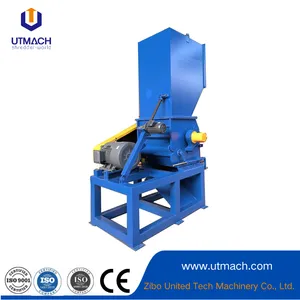
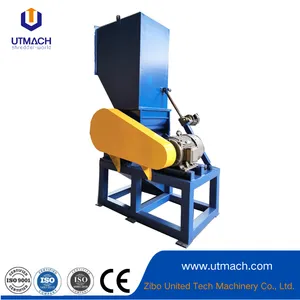
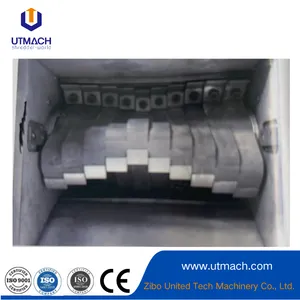
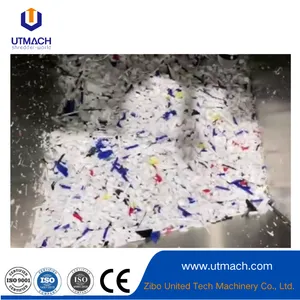
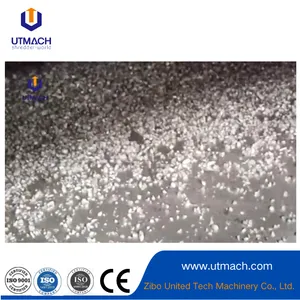
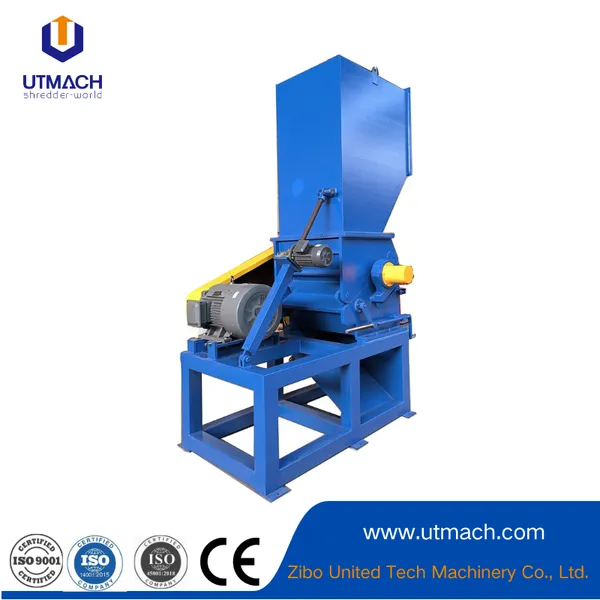
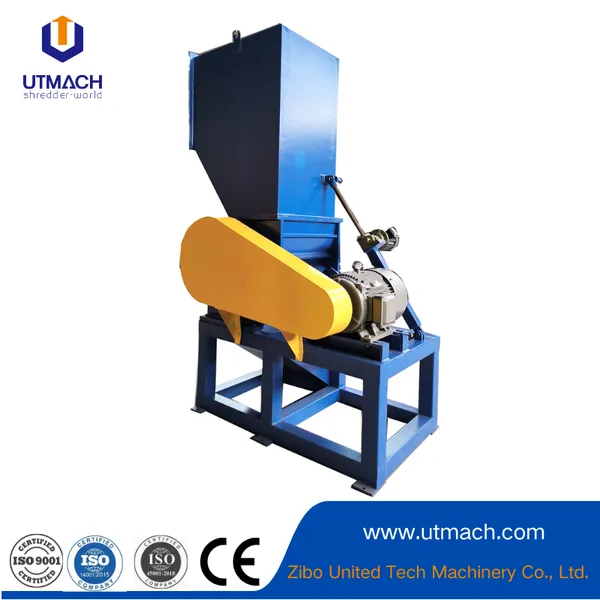
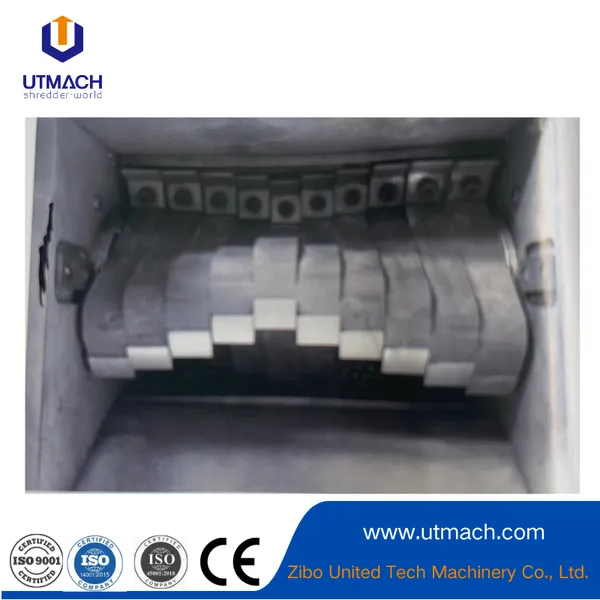
Biodegradable-material and Noise-optimized Plastic Granulator
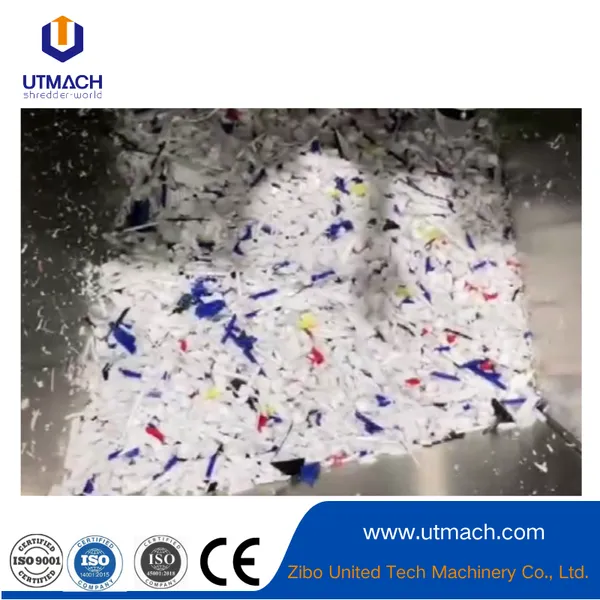
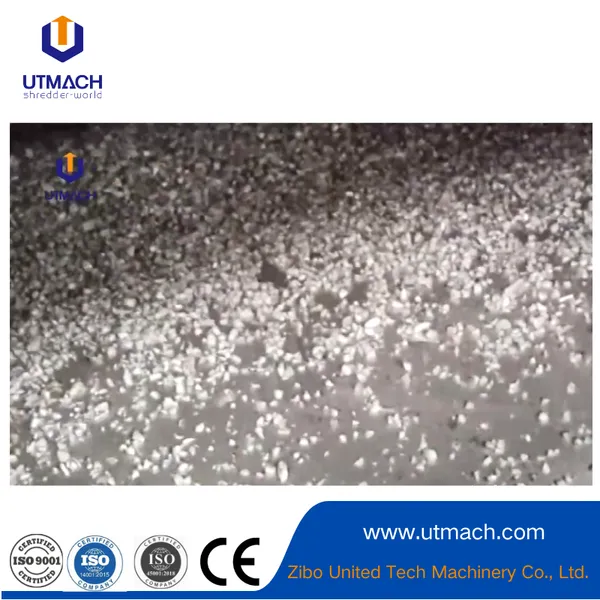



Related Products
-
 Non-stop Continuous and Precision Pellet-forming Plastic GranulatorNegotiableMOQ: 1 Set
 -
Supercritical-processed and Fully-automated Plastic GranulatorNegotiableMOQ: 1 Set
-
Recyclate-specialized and Modular-designed Plastic GranulatorNegotiableMOQ: 1 Set
-
Clean-production and Precision Controlled Plastic GranulatorNegotiableMOQ: 1 Set
-
Intelligently Temperature-controlled and Wear-resistant Lined Plastic GranulatorNegotiableMOQ: 1 Set
Granulation Frontiers: The Convergence of AI, Biomimicry, and Circular Economy
Granulation technology, once dominated by mechanical extrusion and thermal drying, is now at the cusp of a revolution driven by artificial intelligence (AI), bio-inspired engineering, and closed-loop systems. This article explores how these forces are reshaping industries from pharmaceuticals to sustainable materials, while addressing longstanding challenges like energy consumption and process flexibility.
1. Decoding Industry Pain Points with PrecisionChallenge: Energy-Intensive Drying
Traditional Issue: Spray drying and drum granulation consume up to 40% of total energy in material processing.
Breakthrough:
Atmospheric Pressure Plasma (APP) Drying: Ionized gas accelerates moisture evaporation at ambient temperatures, cutting energy use by 50%.
Desiccant-Enhanced Vacuum Systems: Closed-loop desiccants capture water vapor, reducing vacuum pump reliance.
Impact: A ceramics manufacturer reduced natural gas consumption by 65% using APP for kaolin granulation.
Problem: Switching between materials (e.g., pharmaceuticals to agrochemicals) risks cross-contamination and equipment downtime.
Solution:
Smart Surface Adaptation: Nano-textured screws dynamically alter friction based on material properties, detected via Raman spectroscopy.
Modular Twin-Screw Zones: Interchangeable barrel segments adjust shear rates for diverse formulations.
Outcome: A contract manufacturer reduced changeover time from 12 hours to 45 minutes.
Problem: Trace heavy metals or microplastics accumulate in recycled materials, violating regulations.
Solution:
Piezoelectric Separation: High-frequency vibration fields sort contaminants during granulation.
Blockchain-Tracked Purity: IoT sensors log impurity levels in each batch, ensuring traceability.
Case Study: Recycled PE granules achieved
2. Bio-Inspired and AI-Driven InnovationsNeuromorphic Granulation Control
Biological Insight: Termite mound ventilation structures inspired adaptive airflow systems that optimize moisture distribution.
AI Integration: Reinforcement learning algorithms predict material behavior, adjusting granulator speed and temperature in real time.
Result: Lithium iron phosphate (LFP) battery precursors saw 20% higher particle uniformity.
Mechanism: pH-sensitive hydrogels repair microcracks in pellets, extending shelf life.
Application: Encapsulated fertilizers maintained nutrient release efficiency for 6 months under humid conditions.
Virtual-Reality Synergy: Digital replicas of granulation lines simulate scenarios (e.g., power outages, raw material changes) to preempt failures.
Benefit: A pet food producer cut unplanned downtime by 75% using predictive digital twins.
3. Circular Economy ReimaginedClosed-Loop Biorefineries
Zero-Waste Model: Side streams become bio-adhesives or protein supplements, eliminating disposal costs.
Example: A pilot plant converted 98% of algal biomass into ASTM-compliant biofuel pellets.
CO₂ Mineralization: Granulated olivine reacts with industrial emissions to form stable carbonates, sequestering carbon permanently.
Revenue Stream: Mineralized pellets are sold as soil conditioners, offsetting processing costs.
Mobile Granulation Units: AI-powered trailers process regional waste (e.g., seafood shells, crop residues) into value-added pellets.
Impact: Coastal communities upcycled fish waste into calcium-rich fertilizer, reducing landfill use by 80%.
4. Future-Proofing IndustriesPharmaceuticals: From Lab to Continuous Manufacturing
Solid-Dose Direct Compaction: Granules are pressed into tablets inline, reducing API degradation by 35%.
Blockchain-Verified Origin: Each tablet’s ingredients are traced via Ethereum smart contracts.
Recycled Concrete Pellets: Crushed CDW (construction and demolition waste) is granulated and printed into modular housing.
Carbon Footprint: Embodied CO₂ reduced by 55% compared to traditional concrete.
Biopolymer Coatings: Chitosan-alginate shells encapsulate probiotics, surviving while releasing nutrients.
Market Growth: Projected $2.4B annual market by 2030 for functional food pellets.
Conclusion
The next era of granulation is defined by symbiosis—AI refining bio-inspired designs, circular systems converting waste into assets, and decentralized production empowering localized solutions. As industries demand agility and sustainability, the future belongs not just to innovators, but to those who integrate biology, data, and ethics into every pellet.

Send Inquiry to This Supplier


You May Also Like
-
Modular-designed and Recyclate-specialized Plastic GranulatorNegotiableMOQ: 1 Set
-
Heat-sensitive Optimized and Recipe-storing Plastic GranulatorNegotiableMOQ: 1 Set
-
Multi-functional and Low-maintenance Plastic GranulatorNegotiableMOQ: 1 Set
-
Corrosion-resistant and High-capacity Plastic GranulatorNegotiableMOQ: 1 Set
-
Environmentally-friendly and Customizable Industrial-grade Plastic GranulatorNegotiableMOQ: 1 Set
-
Plastic Granualtro From Zibo United Tech Machinery Co., Ltd. High Quality Multifuncational Industrial ShredderUS$ 5000 - 500000MOQ: 1 Set
-
China Safe and Environmentally Friendly Plastic GranulatorNegotiableMOQ: 1 Set
-
Hight-speed Rotating GranulatorNegotiableMOQ: 1 Set
-
Environment-friendly and Highly Flexible Plastic GranulaterNegotiableMOQ: 1 Set
-
High-efficiency and Precise Plastic and Uniform Pellet-forming GranulatorNegotiableMOQ: 1 Set


