Contact Platform Support
 Help Center
Trichloroisocyanuric Acid TCCA Instructions




Related Products
-
 Main Components and Uses of BITNegotiableMOQ: 1 Ton
 -
Water Treatment Chemicals/Sodium Dichloroisocyanurate (SDIC)/CAS No. 2893-78-9NegotiableMOQ: 1 Ton
-
Tetrakis(hydroxymethyl)Phosphonium Sulfate(THPS)US$ 999 - 9999MOQ: 1 Ton
-
Tetrakis-Hydroxymethyl Phosphonium Chloride (THPC)US$ 999 - 9999MOQ: 1 Ton
-
Algicide 2,2-Dibromo-3-Nitrilo-Propionamide (DBNPA)US$ 999 - 9999MOQ: 1 Ton
Here’s a professional and structured product instruction guide for Trichloroisocyanuric Acid (TCCA), covering its properties, applications, dosage, safety, and handling:
Trichloroisocyanuric Acid (TCCA) Product Instructions1. Product Overview
Chemical Name: Trichloroisocyanuric Acid
Synonyms: TCCA, Symclosene
CAS No.: 87-90-1
Molecular Formula: C₃Cl₃N₃O₃
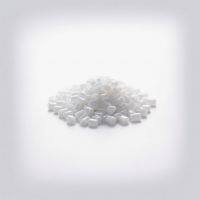
Appearance: White crystalline powder or granules/tablets (slow-release forms).
Active Chlorine Content: ≥90% (granular), 85-90% (tablets).
Solubility: Slowly soluble in water (1.2 g/100 mL at 25°C).
2. Key Properties
Broad-Spectrum Disinfection: Releases hypochlorous acid (HOCl) to kill bacteria, viruses, algae, and fungi.
Stability: Dry form is stable; releases chlorine gradually in water.
pH Range: Effective at pH 5–9 (optimal at 6.5–7.5).
3. Applications & Dosage(1) Water Treatment
| Application | Dosage | Frequency |
|---|---|---|
| Swimming Pools | 2–5 mg/L (free Cl₂) | Daily maintenance |
| Drinking Water | 0.5–2 mg/L | As needed |
| Wastewater Disinfection | 5–20 mg/L | Continuous dosing |
Food Processing: Sanitize equipment (100–200 mg/L solution).
Textile Bleaching: 0.1–0.5% solution (anti-yellowing agent).
Aquaculture: Pond disinfection (1–3 kg/acre, pre-diluted).
Surface Disinfection: 500–1000 mg/L solution (spray/wiping).
Algae Control: 3–5 g/m³ for fountains/ponds.
4. Usage Guidelines(A) Preparation
Dissolve TCCA in clean water before use (granules/tablets).
For tablets: Use floating dispensers in pools for slow release.
Free Chlorine Residual: Maintain 1–3 mg/L in pools; 0.5 mg/L in drinking water.
Avoid Overdose: >10 mg/L may cause corrosion/irritation.
5. Safety & HandlingHazards
Corrosive: Causes skin/eye burns; releases toxic chlorine gas if mixed with acids or ammonia.
Environmental: Toxic to aquatic life (use controlled doses).
PPE: Gloves, goggles, and masks when handling powder.
Storage: Keep dry, cool, and separate from acids/flammables.
Inhalation: Move to fresh air.
Skin Contact: Rinse with water for 15 mins.
6. Storage & Shelf Life
Storage: Dry, ventilated,
Shelf Life: 24 months (unopened), 6 months after opening.
7. FAQs
Q: Can TCCA replace bleach?
A: Yes, but it’s more concentrated (1g TCCA ≈ 5g bleach in available chlorine).
Q: Is TCCA safe for drinking water?
A: Yes, at WHO-recommended doses (≤2 mg/L free Cl₂).
Q: How to neutralize TCCA spills?
A: Use sodium thiosulfate or sodium bisulfite solution.
8. Manufacturer & Contact
Supplier: [Your Company Name]
Tel/Email: [Contact Info]
Note: Always comply with local regulations for chlorine use. Adjust dosages based on water testing.
This guide ensures safe, effective, and regulatory-compliant use of TCCA. Let me know if you need a customized version!

Send Inquiry to This Supplier


You May Also Like
-
KR-406 Composite Bactericide/water Treatment Chemical/Biocide and AlgicideUS$ 999 - 9999MOQ: 1 Ton
-
KR-409 Sludge StripperUS$ 999 - 9999MOQ: 1 Ton
-
How Biocide Treatment WorksUS$ 999 - 9999MOQ: 1 Ton
-
The Main Uses of Liquid BiocideUS$ 999 - 9999MOQ: 1 Ton
-
PAC Applications/PAC ManufacturersNegotiableMOQ: 1 Ton
-
Performance and Application of SSS/MANegotiableMOQ: 1 Ton
-
What is the Cas of PCA?NegotiableMOQ: 1 Ton
-
1-Hydroxy Ethylidene-1,1-Diphosphonic Acid (HEDP)NegotiableMOQ: 1 Short Ton
-
Amino Trimethylene Phosphonic Acid (ATMP)NegotiableMOQ: 1 Ton
-
2-Phosphonobutane -1,2,4-Tricarboxylic Acid (PBTC)NegotiableMOQ: 1 Ton