








 Contact Platform Support
 Help Center
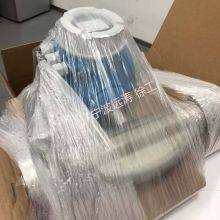
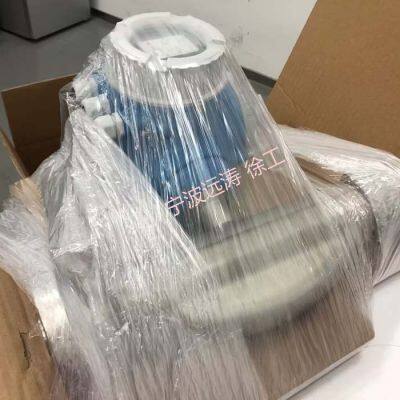
Endress+Hauser Coriolis Mass Flowmeters


Related Products
-
 Endress+Hauser Electromagnetic FlowmetersNegotiableMOQ: 1 Unit
 -
Endress+Hauser Vortex FlowmetersNegotiableMOQ: 1 Unit
-
Endress+Hauser Thermal Mass FlowmetersNegotiableMOQ: 1 Unit
-
Endress+Hauser Differential Pressure FlowmetersNegotiableMOQ: 1 Unit
-
Endress+Hauser Ultrasonic FlowmetersNegotiableMOQ: 1 Unit
Calibration Methods for Endress+Hauser Coriolis Mass Flowmeters
The calibration of Endress+Hauser Coriolis mass flowmeters is a crucial process in ensuring the accuracy and reliability of flow measurements in various industries. This article provides a comprehensive guide to the calibration methods for E+H Coriolis mass flowmeters, covering preparation, steps, and post-calibration considerations.
Preparation for Calibration
Before starting the calibration process, it is essential to prepare all necessary equipment and documentation. The following steps outline the preparation process:
Gather Calibration Equipment
Standard Flowmeter: A calibrated flowmeter that serves as a reference for the calibration process.
Calibration Liquid: A liquid with known properties that is similar to the actual fluid being measured.
Thermometer and Pressure Gauge: To measure and account for temperature and pressure variations during calibration.
Pumps and Valves: To control the flow of the calibration liquid through the flowmeter.
Data Logging Equipment: To record calibration data for analysis.
Safety Equipment
Protective Clothing: Gloves, goggles, and other protective equipment to ensure the safety of personnel during calibration.
Signage: Warning signs to indicate that calibration is in progress and to avoid unauthorized access.
Documentation
Calibration Procedures: Detailed step-by-step instructions for the calibration process.
Flowmeter Manuals: Manufacturer's manuals for the E+H Coriolis mass flowmeter and any associated equipment.
Calibration Certificates: Certificates of calibration for the standard flowmeter and other equipment used in the process.
Inspection of Flowmeter
Visual Inspection: Check for any damage or loose parts on the flowmeter.
Sensor and Cable Check: Ensure that sensors and cables are in good condition and properly connected.
Power and Communication Check: Verify that the power supply and communication interfaces are functioning correctly.
Record Initial Settings
Zero Calibration Value: Record the current zero calibration value of the flowmeter.
Operating Range: Note the flowmeter's operating range and any specific settings for temperature and pressure compensation.
Calibration Steps
The calibration process for Endress+Hauser Coriolis mass flowmeters involves several key steps, including zero calibration, flow point calibration, and temperature and pressure compensation verification. The following sections detail each step:
Zero Calibration
Prepare Calibration Liquid: Ensure that the calibration liquid is similar to the actual fluid being measured and is at the desired temperature and pressure.
Flowmeter Setup: Connect the flowmeter to the calibration system and ensure that all valves and pumps are properly set up.
Zero Point Adjustment: Close all valves to stop the flow of liquid through the flowmeter. Adjust the zero point of the flowmeter using the calibration software or manual controls.
Verification: Record the zero point value and verify that it is within the acceptable range specified by the manufacturer.
Flow Point Calibration
Select Calibration Points: Choose a series of flow points that cover the flowmeter's operating range. These points should be selected based on the specific requirements of the application and the desired accuracy of the calibration.
Flow Adjustment: Use pumps and valves to adjust the flow of the calibration liquid through the flowmeter to each selected flow point.
Measurement and Recording: Measure the flow rate at each point using the standard flowmeter and record the results. Compare these results to the flowmeter's readings and make any necessary adjustments to the flowmeter's calibration settings.
Repeatability Check: Repeat the flow point calibration process several times to ensure that the flowmeter's readings are consistent and repeatable.
Temperature and Pressure Compensation Verification
Temperature Compensation: If the flowmeter supports temperature compensation, adjust the temperature of the calibration liquid and verify that the flowmeter's readings are accurate within the specified temperature range.
Pressure Compensation: Similarly, if the flowmeter supports pressure compensation, adjust the pressure of the calibration liquid and verify the accuracy of the flowmeter's readings within the specified pressure range.
Adjustments: Make any necessary adjustments to the flowmeter's temperature and pressure compensation settings based on the results of the verification process.
Post-Calibration Considerations
After completing the calibration process, it is important to take several steps to ensure the continued accuracy and reliability of the E+H Coriolis mass flowmeter. The following sections outline these considerations:
Record Calibration Data
Calibration Report: Prepare a detailed calibration report that includes the calibration date, operator information, calibration equipment used, calibration steps performed, calibration results, and any anomalies or notes.
Data Analysis: Analyze the calibration data to assess the accuracy and performance of the flowmeter. Compare the calibration results to previous calibration data to identify any trends or changes in the flowmeter's performance.
Flowmeter Reinstallation
Reinstallation: Carefully reinstall the flowmeter in its operating environment, ensuring that all connections are secure and that the flowmeter is properly aligned.
Verification: Verify that the flowmeter is functioning correctly by performing a test run with the actual fluid being measured.
Monitoring and Maintenance
Regular Monitoring: Continuously monitor the flowmeter's performance in the operating environment. Check for any changes in the flowmeter's readings or any indications of malfunction.
Preventive Maintenance: Perform regular preventive maintenance on the flowmeter, including cleaning, lubrication, and inspection of sensors and cables.
Periodic Recalibration: Schedule periodic recalibrations of the flowmeter to ensure that it remains accurate and reliable over time. The frequency of recalibrations should be based on the specific requirements of the application and the manufacturer's recommendations.
Advanced Calibration Techniques
In addition to the standard calibration steps outlined above, there are several advanced techniques that can be used to improve the accuracy and reliability of Endress+Hauser Coriolis mass flowmeters. These techniques include:
Conclusion
In summary, the calibration of Endress+Hauser Coriolis mass flowmeters involves a series of meticulous steps that require careful preparation, execution, and follow-up. By adhering to best practices and utilizing advanced techniques, users can achieve optimal performance and accuracy from their flowmeters, enabling them to make informed decisions and improve operational efficiency in their respective industries.

Send Inquiry to This Supplier

You May Also Like
-
Endress+Hauser Level TransmittersNegotiableMOQ: 1 Unit
-
Endress+Hauser Radar Level TransmittersNegotiableMOQ: 1 Unit
-
Endress+Hauser Guided Radar Level TransmittersNegotiableMOQ: 1 Unit
-
Endress+Hauser Ultrasonic Level TransmittersNegotiableMOQ: 1 Unit
-
Endress+Hauser Pressure TransmittersNegotiableMOQ: 1 Unit
-
Endress+Hauser Differential Pressure TransmittersNegotiableMOQ: 1 Unit
-
Endress+Hauser Temperature TransmittersNegotiableMOQ: 1 Unit
-
Endress+Hauser pH SensorsNegotiableMOQ: 1 Unit
-
Endress+Hauser Dissolved Oxygen SensorsNegotiableMOQ: 1 Unit
-
Endress+Hauser Conductivity SensorsNegotiableMOQ: 1 Unit


