








 Contact Platform Support
 Help Center
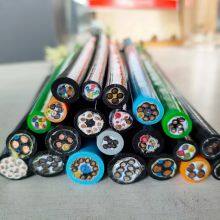
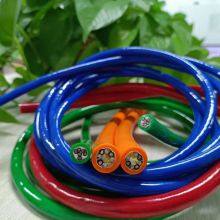
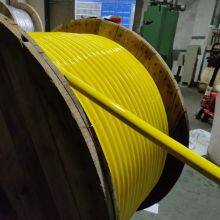
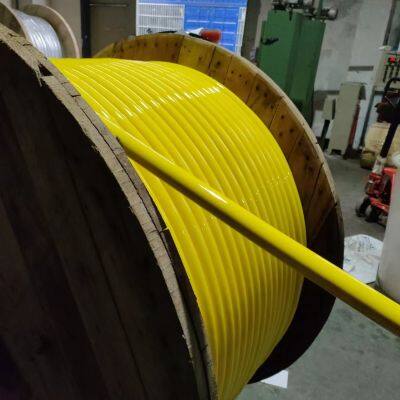
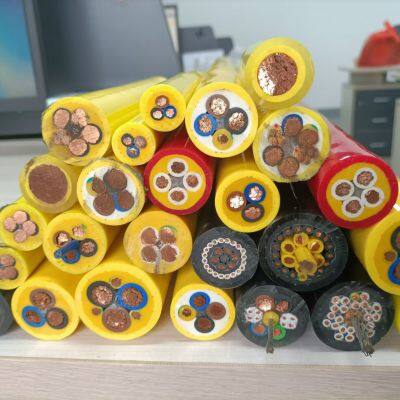
Waterproof Cables Sea ( Fresh ) Water Proof Cable

Related Products
-
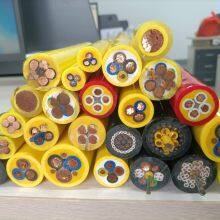
 Crane Flat CableNegotiableMOQ: 100 Meters
 -
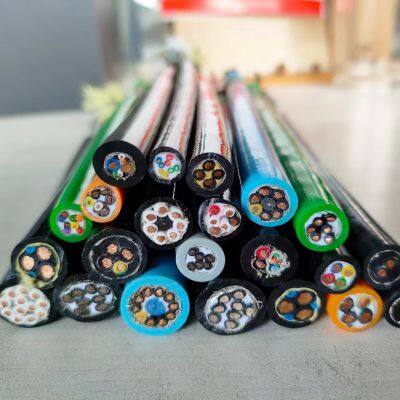
Marine Grab Cable Grab Drum CableNegotiableMOQ: 100 Meters
-
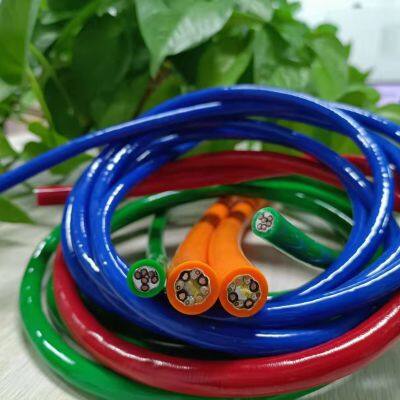
Low Temperature CablesNegotiableMOQ: 500 Meters
-
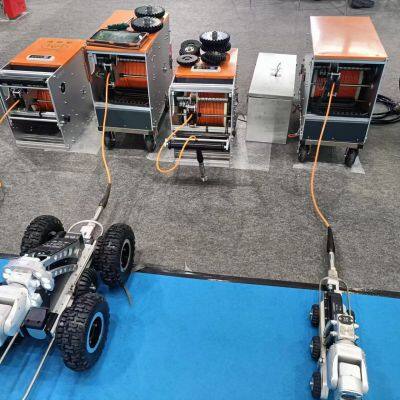
Special Cable for Drag Chain Drag Chain CableNegotiableMOQ: 200 Meters
-
IP67 Plastic Portable Waterproof Electrical Power Distribution Boards BoxUS$ 10MOQ: 100 Pieces
Introduction to Waterproof Cables:
Application Conditions and Characteristics
Waterproof cables are engineered to withstand exposure to moisture, dust, chemicals, and extreme environments, ensuring reliable electrical performance in scenarios where standard cables would fail. Below is a comprehensive overview of their key applications and distinguishing features.
1. Application Conditions
Waterproof cables are critical in industries and settings where environmental factors pose risks to standard wiring. Typical use cases include:
a. Outdoor and Underground Environments
Construction Sites: Powering tools, lighting, and temporary infrastructure exposed to rain, snow, or groundwater.
Agriculture: Irrigation systems, greenhouses, and livestock equipment where cables may be buried or submerged.
Tunneling/Subway Projects: Lighting, communication systems, and ventilation in underground spaces.
b. Industrial Settings
Chemical Plants: Resistance to acids, alkalis, and solvents in processing equipment.
Food & Beverage Industries: Used in ovens, washing machines, and packaging lines exposed to steam or cleaning agents.
Mining Operations: For drills, conveyors, and communication systems in dusty, wet, or explosive atmospheres (ATEX-certified variants).
c. Marine and Aquatic Applications
Submersible Pumps: Powering underwater motors, sensors, and instruments in lakes, rivers, or oceans.
Marine Vessels: Navigation systems, winches, and onboard electronics on ships or offshore platforms.
Aquaculture: Lighting and control systems in fish farms or aquariums.
d. Medical and Cleanroom Environments
Surgical Equipment: Sterile conditions where liquid or particle contamination must be avoided.
Laboratories: Instruments requiring(dustproof) and (waterproof) protection.
e. Transportation and Energy
Tunnel Lighting: Ensuring safety in underground transportation networks.
Offshore Oil Rigs: Powering equipment in corrosive marine environments.
2. Key Characteristics of Waterproof Cables
a. Superior Waterproofing
Sealed Design: Multi-layer insulation (rubber, polyurethane, or thermoplastic elastomers) and tight prevent water
IP Ratings: Compliance with standards like IP67 (temporary submersion) or IP68 (permanent underwater use).
b. Corrosion Resistance
Material Selection: Outer layers made from PVC, EPDM or PE resist chemicals, saltwater, UV radiation, and extreme temperatures.
c. Mechanical Durability
Armored Layers: Steel wire or tape armor protects against physical stress, crushing, and rodent damage.
Flexibility: Allows bending in confined spaces without compromising structural integrity.
d. Electrical Stability
High-Conductivity Conductors: Pure copper or aluminum cores ensure low resistance and stable power transmission.
Signal Integrity: Low capacitance and resistance for optimal performance in data-carrying applications.
e. Temperature Resistance
Operating Range: Designed for temperatures from -40°C to +90°C (specialized variants withstand up to +200°C in high-heat environments).
f. Customization Options
Configuration: Available in single-core, multi-core, coaxial, or shielded designs for specific needs.
Termination Styles: Plug-and-socket connectors, latching terminals, or quick-connect fittings for versatile installations.
3. Types of Waterproof Cables
Jacketed Cables: Basic waterproofing for light-duty outdoor use.
Armored Cables: Heavy-duty protection for mining, construction, and industrial machinery.
Submarine Cables: Reinforced for deep-sea applications with high pressure resistance.
Multi-Conductor Cables: Support power, data, and video transmission in complex systems.
4. Selection Considerations
Environmental Analysis: Assess factors like water depth, chemical exposure, temperature extremes, and mechanical stress.
Bending Radius: Match cable flexibility to installation paths (smaller radii require more flexible materials).
Standards Alignment: Verify compliance with local regulations (e.g., IP68 for permanent submersion).
5. Future Trends
Smart Cables: Embedded sensors for real-time monitoring of water ingress, temperature, and vibration.
Eco-Friendly Materials: Biodegradable polymers and recycled rubber to reduce environmental impact.
Advanced Nanocoatings: Ultra-thin barriers for enhanced durability and lightweight design.

Send Inquiry to This Supplier


You May Also Like
-
Waterproof CableNegotiableMOQ: 1000 Pieces
-
Nylon / Waterproof Cable GlandNegotiableMOQ: 1000 Pieces
-
Frp Waterproof Cable TraysNegotiableMOQ: 1000 Meters
-
Waterproof Cable Junction Box ConnectorNegotiableMOQ: 30000 Pieces
-
Professional Maker Waterproof Cable ConnectorUS$ 0.18 - 0.4MOQ: 100 Pieces
-
ISO9001:2008 Waterproof Cable , Cable Assemblies U.FL To U.FL , RF Pigtail Cable AssembliesUS$ 0.6 - 0.9MOQ: 1 Chain
-
IP65 Waterproof Cable LED Strip Wire ConnectorUS$ 0.29 - 1MOQ: 10 Pieces
-
Widely Used Waterproof Cable Gland & AccessoriesUS$ 0.1 - 10MOQ: 1 Piece
-
Hot Sales Quick Connect Waterproof Cable Connectors 2.25~3.0mm2US$ 0.1 - 0.12MOQ: 5000 Pieces
-
Halogen Led Swimming Pool Light|stainless Light| Waterproof Cable LightsUS$ 28.50 - 28.50MOQ: 10 Sets


