Contact Platform Support
 Help Center
P507 Metals Extractant



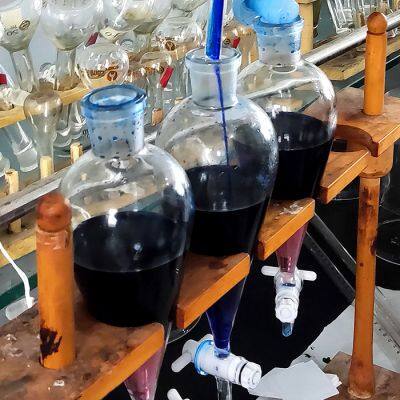

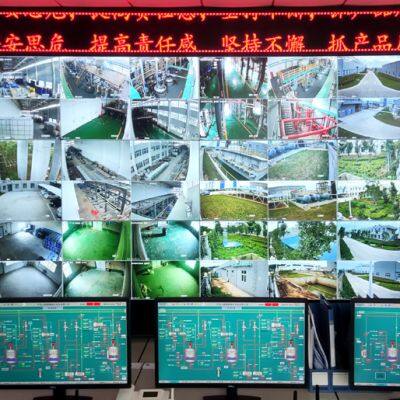
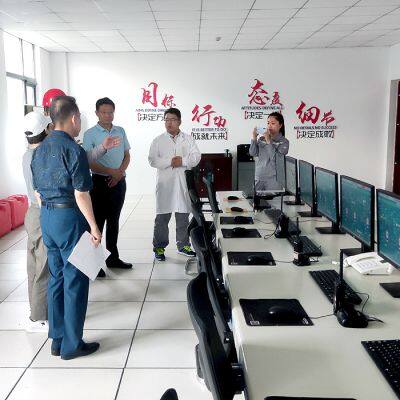


Related Products
-
 DY-SS-01 Extractant for Iron, Calcium, Cadmium and Scandium at Different pH ValuesUS$ 43000MOQ: 1 Metric Ton
 -
DY5640 Copper ExtractantUS$ 7000 - 8000MOQ: 1 Ton
-
DY984N Solvent Extraction ReagentUS$ 8000 - 9000MOQ: 1 Ton
-
DY272 Nickel Cobalt ExtractantUS$ 11000 - 12000MOQ: 1 Ton
-
P204 Metals ExtractantUS$ 3000 - 4000MOQ: 1 Ton
P507
English name: 2-ethylhexyl hydrogen-2-ethylhexylphosphonate
CAS No.: 14802-03-0
Molecular formula: C16H35O3P
Molecular weight: 306.427
EINECS No.: 238-865-3
Density: 0.95 g/ml
Vapor pressure: 0.085Pa at 25℃
Refractive index: 1.4400-1.4460
Flash point>100°C
Storage conditions: Store below +30°C.
Solubility: Soluble in toluene and ethanol
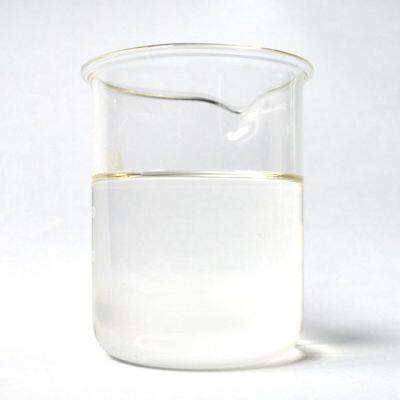
Form: Transparent liquid
Acidity coefficient (pKa): 3.1 [at 20℃]
Color: Colorless to light yellow to light orange
PH value: 2.3 (10g/l, H2O, 20°C) (as an emulsion)
Water solubility: 5.95μg/L at 20℃
P507, also known as 2-ethylhexyl hydrogen-2-ethylhexylphosphonate (EHPA), is a versatile and widely used organophosphorus extractant in solvent extraction processes, primarily for the extraction of metal ions from aqueous solutions in hydrometallurgical applications. It is especially effective in extracting divalent metals such as copper (Cu²⁺), nickel (Ni²⁺), cobalt (Co²⁺), and uranium (UO₂²⁺), among others.
Here’s a detailed overview of P507 and its role as a metal extractant:
1. Chemical Structure and Properties
Chemical Name: 2-ethylhexyl hydrogen-2-ethylhexylphosphonate
Chemical Formula: C₁₆H₃₄O₂P
Molecular Structure:
The molecule consists of a phosphonic acid ester group bonded to two 2-ethylhexyl groups. This ester structure is key to its functionality as an extractant, allowing it to form complexes with metal ions in aqueous solutions.
This structure makes P507 lipophilic (oil-soluble) and allows it to interact with both the aqueous and organic phases during extraction.
2. Mechanism of Metal Extraction
P507 functions primarily through a ligand exchange mechanism in which metal ions in the aqueous phase are complexed with the phosphonate group of P507. The phosphonate ester groups on P507 (in the protonated form) can coordinate with metal ions, leading to the transfer of metal ions from the aqueous phase to the organic phase.
pH Sensitivity: The extraction efficiency of P507 is typically high in acidic conditions, where the extractant exists predominantly in its protonated form (P507-H), enabling it to better interact with metal ions.
3. Applications of P507 in Metal Extraction
P507 is used in various hydrometallurgical processes, including the extraction of metals from acidic leach solutions (such as those obtained from ores, tailings, or waste solutions). Its applications include:
a) Copper Extraction
P507 is widely employed in copper solvent extraction (SX), particularly in the acidic leach liquors obtained from copper ores (e.g., from heap leaching, sulfuric acid leaching).
The extractant selectively binds copper ions (Cu²⁺) from the aqueous phase, forming an organic complex that can then be separated and stripped for further processing (e.g., through electrorefining).
b) Nickel and Cobalt Extraction
P507 is also used for extracting nickel (Ni²⁺) and cobalt (Co²⁺) from acidic solutions, such as those from laterite ores or from hydrometallurgical processes.
Its selective extraction capability allows the efficient separation of nickel and cobalt from other impurities in the solution.
c) Uranium Extraction
P507 is effective for the extraction of uranium from acidic uranium-bearing solutions (such as those derived from heap leaching or tank leaching of uranium ores).
The extractant forms a stable complex with uranium (UO₂²⁺), allowing its separation from other elements.
d) Rare Earth Element (REE) Separation
In certain cases, P507 is also used in the separation of rare earth elements (REEs) like lanthanum or cerium, although it is less commonly used for REEs compared to other extractants.
4. Advantages of P507
High Selectivity: P507 is selective for certain metal ions (especially divalent metal ions like Cu²⁺, Ni²⁺, and Co²⁺), making it useful for separating metals from complex solutions.
Good Efficiency: It provides efficient extraction even at low concentrations of metal ions, making it useful in both primary extraction and secondary recovery operations.
Strong Affinity for Metals: The ability to extract metals into the organic phase even from very dilute solutions is a significant advantage, especially in large-scale operations.
Reusability: The organic phase, once the metal is stripped out, can be reused, which is an economical benefit for large-scale operations.
5. Challenges and Limitations
Emulsion Formation: Like other organic extractants, P507 is susceptible to the formation of emulsions during extraction, which can interfere with phase separation and reduce extraction efficiency. Careful control of process conditions is required to minimize this issue.
Solvent Losses: Organic solvent loss, especially when using diluents such as kerosene, can occur during extraction and stripping processes. This can increase operational costs and require solvent recovery systems.
Solvent Toxicity: The solvent mixture used with P507 (e.g., kerosene or other hydrocarbons) may pose environmental and health risks if not properly handled. Adequate safety measures must be in place.
pH Range: While P507 is effective in acidic conditions, it may not work well in very basic or neutral pH environments, limiting its applicability in certain ores or leach solutions.
6. Stripping and Recovery of Metal Ions
After extraction, the metal-laden organic phase must be stripped to recover the metal ions. Typically, this involves using a stronger acidic solution, which displaces the metal ions from the complex formed with P507.
For example, copper is typically stripped using sulfuric acid or ammonium sulfate, while nickel and cobalt can be stripped using solutions of sulfuric acid or ammonium-based acids.
The metal-rich aqueous phase can then undergo further processing, such as electrowinning or precipitation, to recover the metal in its solid form.
8. Conclusion
P507 (2-ethylhexyl hydrogen-2-ethylhexylphosphonate) is a powerful and selective extractant used in the hydrometallurgical industry for the recovery of a wide range of metals, including copper, nickel, cobalt, and uranium. Its ability to extract metal ions from aqueous solutions into an organic phase under acidic conditions makes it particularly useful in solvent extraction processes. However, challenges such as emulsion formation, solvent loss, and environmental concerns must be carefully managed to optimize the process. Proper handling, recovery, and disposal of solvents are necessary to minimize environmental impact and improve the sustainability of the operation.
P204 (D2EHPA or HDEHP) extractant. This is used for first step to remove impurity for laterite nickel ore.
2. DY319 high efficiency nickel cobalt co-extraction extractant for battery recycle, can take out nickel and cobalt together from Lithium battery electrolyte.
3. DY272 Nickel cobalt separation extractant, it can take cobalt out from nickel cobalt solution, then leave pure nickel.
4. DY988N/DY973N/DY902/DY5640 copper solvent extraction reagent.
5. P507 non-ferrous metal extractant for copper, zinc, cobalt-nickel, cadmium, gold-silver, platinum group metals, rare earths and so on.
6. DY377 efficient nickel and diamond separation extractant.
7. DY366 Scandium extractant.
8. DY316 Lithium extractant.

Send Inquiry to This Supplier


You May Also Like
-
P507 Metals ExtractantUS$ 5000 - 5500MOQ: 1 Ton
-
Sandwich Panel 2US$ 500 - 50,000MOQ: 1000 Square Meters
-
Schneider A9F74202 Micro Circuit Breaker IC60N 2 Pole 2 ANegotiableMOQ: 1 Piece
-
Heavy Duty Double Layer Textile Trolley, 2-Tier Fabric Transport Cart With Lockable WheelsNegotiableMOQ: 50 Pieces
-
PH7685 PH/ORP Monitor With 2+1 Isolated Relays - Ideal for PLC/DCS Integration in Chemical PlantsNegotiableMOQ: 100 Pieces
-
Secop CompressorSC12CNX.2 SC15CNX.2 SC18CNX.2 SC21CNX.2 Refrigerator CompressorCNY 550 - 2200MOQ: 1 Piece
-
2-1/2''x 2-1/2'' Plastic PVC Stucco Corner BeadsUS$ 1.74 - 1.88MOQ: 10000 Meters
-
03050CLX/STL6SPCIA25 (18SAS,2*16GB,2*10GE) 2600V5CNY 35800 - 38000MOQ: 1 Piece
-
2 Door FreezerNegotiableMOQ: 2 Sets
-
High Quality HAWE 2/2- and 3/2-way Directional Valves BVG3R-G24NegotiableMOQ: 1