








 Contact Platform Support
 Help Center
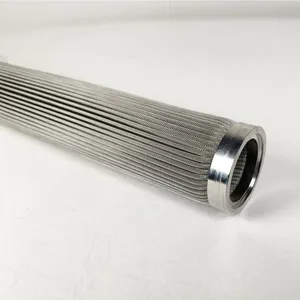
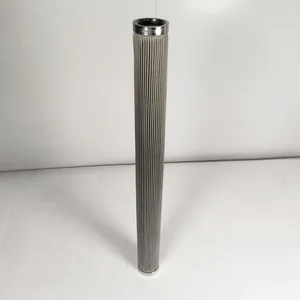
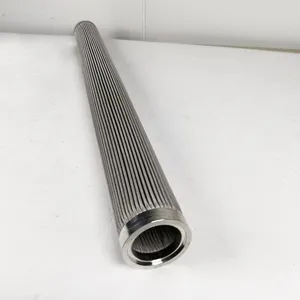
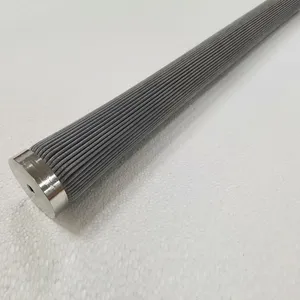
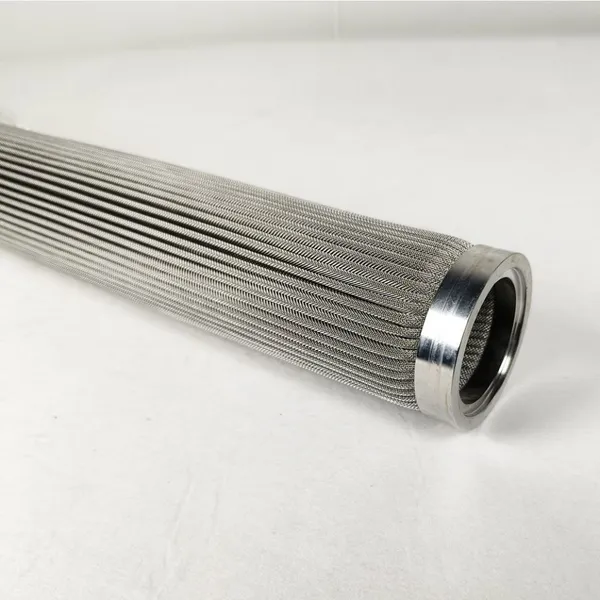
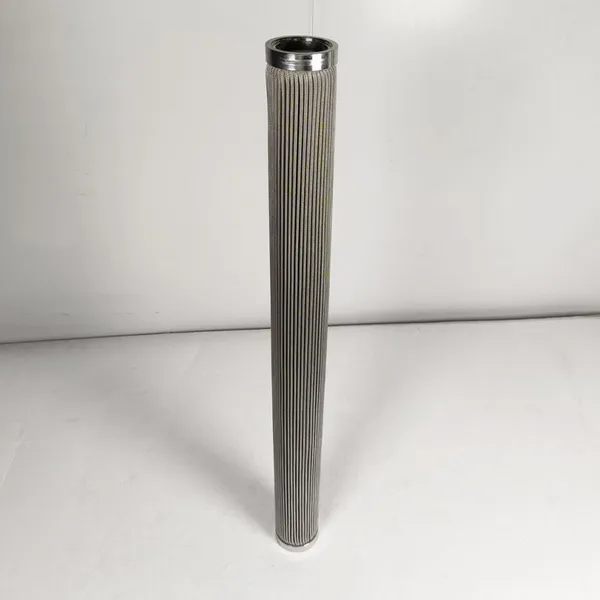
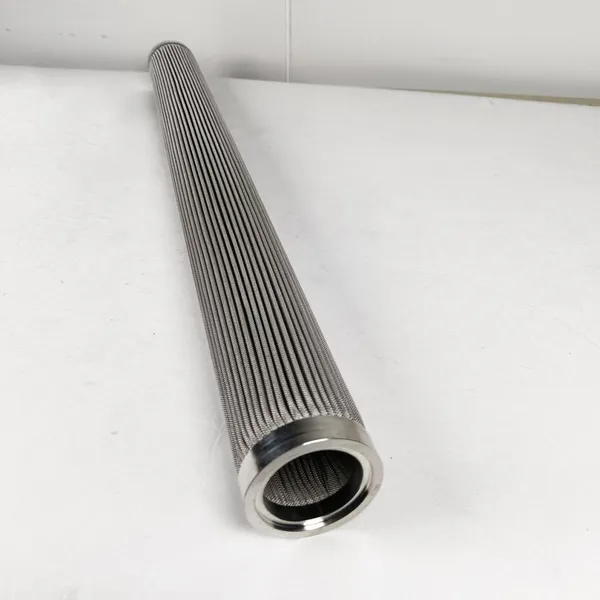
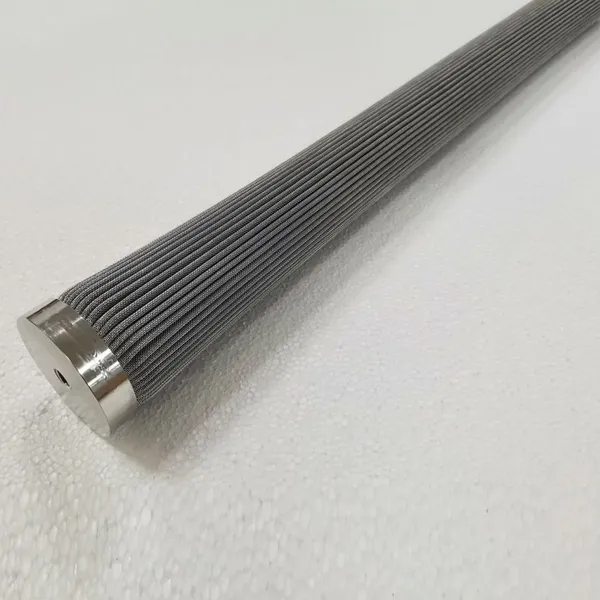
RT-131 Plastics, Polymer Processing Recycling Filtration Purifying Metallic Filter Core




Related Products
-
 RT-132 Melt Filter Melt Contaminants Removing Metal Filter CandlesUS$ 19.9 - 190.9MOQ: 1 Piece
 -
RT-133 Stainless Steel Melt Filtration ElementUS$ 19.9 - 190.9MOQ: 1 Piece
-
RT-135 Stainless Steel Melt Filter Filtration CartridgeUS$ 19.9 - 190.9MOQ: 1 Piece
-
RT-136 Stainless Steel Melt Filter Filtration ElementUS$ 19.9 - 190.9MOQ: 1 Piece
-
RT-137 Synthetic Fibers Process Uses a Diameter 35 mm Filter ElementUS$ 19.9 - 190.9MOQ: 1 Piece
RT-131 plastics, polymer processing recycling filtration purifying metallic filter core
plastics, polymer processing recycling filtration purifying metallic filter core
In plastic and polymer recycling and processing, a metallic filter core is essential for purifying molten polymers. This component is used in filtration systems to remove contaminants, impurities, and other unwanted particles, ensuring high-quality output for recycled or processed plastics. Here's a deeper look into the role and benefits of a metallic filter core in these applications:
1. Purpose of Metallic Filter Core
A metallic filter core provides mechanical strength to support the filter layers in high-temperature and high-pressure conditions typical of polymer processing and recycling.
It ensures purity in recycled polymers by removing foreign particles, gels, or degraded polymer particles that can compromise the quality of the final plastic products.
The core is typically used within a multi-layer filter cartridge, where various filtration media surround it to achieve depth filtration or fine filtration.
2. Construction and Materials
Common materials for metallic filter cores include stainless steel (304, 316, or 316L), nickel alloys, or other corrosion-resistant metals, which provide durability in harsh environments.
The metallic core may be constructed from perforated sheets, woven wire mesh, or sintered metal fibers. The choice depends on the required filtration level and operating conditions.
The design often includes perforations or a mesh pattern, which provides structural support and allows molten plastic or polymer to flow through, while filtering layers trap contaminants.
3. Key Features
Heat Resistance: Capable of withstanding the high temperatures needed for polymer melting and extrusion, typically above 200°C.
Corrosion Resistance: Metals like stainless steel resist corrosion and are ideal for working with different types of polymers, chemicals, or cleaning agents.
Strength and Stability: Metallic cores prevent filter collapse, even under high-pressure extrusion or injection molding processes.
Compatibility with Fine Filtration Media: Supports a variety of filtration layers, such as fine-sintered metal or wire mesh, enabling versatile filtration capabilities.
4. Filtration Process in Polymer Recycling
The polymer melt is filtered as it passes through a filtration system that uses the metallic core as structural support.
Contaminants—such as dirt, metal particles, degraded polymer, and other impurities—are trapped in the filtration media surrounding the metallic core.
Clean polymer melt continues through the system, resulting in purer material that can be recycled or processed into new plastic products.
5. Applications in Polymer and Plastic Processing
Extrusion and Injection Molding: Used in the production of plastic parts, films, and fibers, where high melt purity is essential to prevent defects in the final product.
Polymer Recycling: In recycling facilities, metallic filter cores help filter contaminants out of post-consumer and post-industrial plastics, creating a purer, more reliable recycled polymer.
Blow Molding and Film Production: Prevents contaminants that could lead to weak points or holes in films or blow-molded products.
Fiber Spinning: Used in synthetic fiber production, ensuring that the polymer melt is free of gels and particles that could interfere with fiber strength.
6. Advantages of Metallic Filter Cores in Polymer Processing
Long-Lasting and Reusable: Unlike disposable filters, metallic cores can be cleaned and reused, which is more economical for high-volume operations.
Efficient Contaminant Removal: It can achieve fine filtration (5–100 microns) to remove various contaminants, which is crucial for recycled polymer processing.
Consistent Quality: Enables a reliable supply of purified polymer melt, leading to high-quality final products.
Flexible Filtration Setup: Metallic cores can support various configurations, from single-layer to multi-layer filtering systems, offering adaptability in processing requirements.
7. Cleaning and Maintenance
Metallic filter cores are easy to clean, often using methods such as:
Backflushing: Pushing fluid in reverse to dislodge contaminants.
Ultrasonic Cleaning: Using ultrasonic waves to clean finer contaminants.
Chemical Cleaning: Using compatible chemicals to dissolve or lift residues.
Reusability helps minimize waste and lowers operational costs over time.
8. Selecting a Metallic Filter Core for Polymer Filtration
Consider the filtration rating needed, the operating temperature and pressure, and the chemical compatibility with the polymers in use.
The core design (perforated vs. mesh) should match the specific filtration requirements, whether for coarse or fine filtering.
Sintered or woven core options are ideal for applications needing finer filtration or where clogging is a risk.
Stainless steel woven mesh is made of stainless steel wire.
First, the characteristics of stainless steel filter element
(1) All stainless steel structure, wide chemical compatibility.
(2) High porosity, good permeability, low resistance, low use pressure difference.
(3) Good regeneration performance, can be used repeatedly by chemical cleaning, high temperature and ultrasonic cleaning.
(4) After folding, the filtration area is large and the amount of pollution is large.
(5) High temperature resistance, corrosion resistance, suitable for high viscous liquid filtration.
Second, the application of stainless steel filter element
(1) Pharmaceutical industry: pre-filtration of various antibiotics and other pharmaceutical liquids.
(2) Chemical industry: filtration of various organic solvents, acids and lye.
(3) Food and beverage industry: wine, mineral water, drinking water filtration.
(4) Electronics industry: high purity water pre-filtration.
(5) Petroleum industry: oilfield water injection filtration.
Sintered Metal Filter Element
- Variations: Sintered stainless steel filter, Sintered metal mesh filter, Sintered porous filter element.
- Uses: These filters are used in high-pressure or high-temperature applications, such as chemical processing, oil and gas industries, and fluidized bed filtration.
Melt Filtration System
Melt process filtration system, Melt filtration unit, Polymer melt filtration system.
Describes a system designed to filter and remove impurities from molten polymers or other materials during their melt phase, improving production quality in industries like plastics extrusion.
| Breathability | Porosity | Pollution holding capacity | thickness | Breaking strength | |||||
| L/(min.dm2) | (%) | (mg/cm2) | (mm) | (MPa) | |||||
| Basic Value | Deviation | Basic Value | Deviation | Basic Value | Deviation | Basic Value | Deviation | Basic Value | Deviation |
| 47 | 10% | 75 | 10% | 5 | 10% | 0.3 | 10% | 32 | 10% |
| 63 | 76 | 6.5 | 0.3 | 36 | |||||
| 105 | 75 | 7.8 | 0.37 | 32 | |||||
| 205 | 79 | 8.6 | 0.4 | 23 | |||||
| 280 | 80 | 15.5 | 0.48 | 23 | |||||
| 355 | 80 | 19 | 0.62 | 20 | |||||
| 520 | 80 | 26 | 0.63 | 23 | |||||
| 670 | 78 | 29 | 0.68 | 26 | |||||
| 1300 | 85 | 36 | 0.62 | 28 | |||||

Send Inquiry to This Supplier

You May Also Like
-
RT-138 Plastics Resins Synthetic Fibers Melt Production Impurities Removing SS Filter ElementUS$ 19.9 - 190.9MOQ: 1 Piece
-
RT-139 Effective Filtering of Liquids or Gases CPF Systems Metallic Replaceable CartridgeUS$ 19.9 - 190.9MOQ: 1 Piece
-
RT-140 Industrial and Synthetic Fiber Processing Filtration System Washable Replacement CartridgesUS$ 19.9 - 190.9MOQ: 1 Piece
-
RT-142 Petrochemical Processing Polymer Manufacturing and Power Plants Filtration Metal Filter ElemeUS$ 19.9 - 190.9MOQ: 1 Piece
-
RT-143 Extreme Temperature Stainless Steel Filter ComponentUS$ 19.9 - 190.9MOQ: 1 Piece
-
RT-144 Polyester Melt Filter Stainless Steel CPF Filter CoreUS$ 19.9 - 190.9MOQ: 1 Piece
-
BL80-137 Parallel Filter ElementUS$ 199.9 - 299.9MOQ: 1 Piece
-
Sintered Porous Metal Filter CartridgeUS$ 29 - 39MOQ: 10 Pieces
-
Metal Pleated Filter Cartridge RT-166US$ 129 - 139MOQ: 10 Pieces
-
All Welded Sintered Mesh Stainless Steel Filters Cartridge Elements RT-112US$ 39 - 49MOQ: 10 Pieces


