








 Contact Platform Support
 Help Center
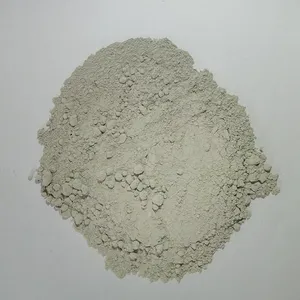
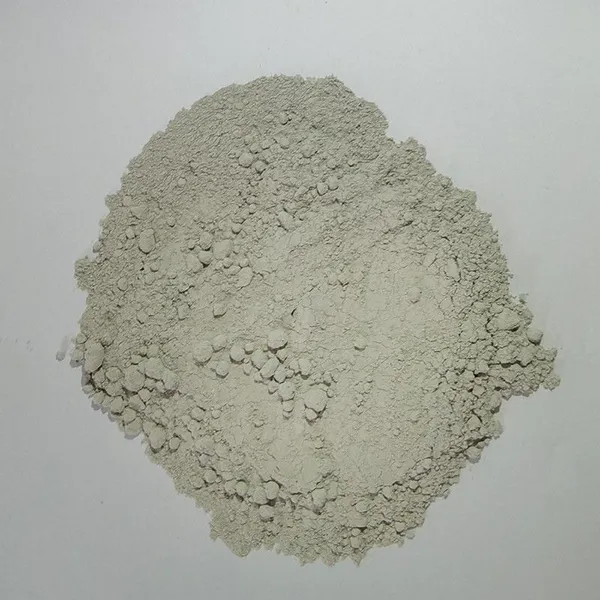
NFJ Inorganic Medium to High-Temperature Secondary Binder



Related Products
-
 Anti-Static Heat Balancer-1 TypeNegotiableMOQ: 1 Ton
 -
Anti-Static Heat Balancer-1 TypeNegotiableMOQ: 1 Ton
-
NFJ-07R Metal Composite Impact-resistant Flooring MaterialNegotiableMOQ: 1 Ton
-
NFJ-O6D (Metal Anti-static Floor)NegotiableMOQ: 1 Ton
-
NFJ Rust-Proof Foam Reinforced Metal CottonNegotiableMOQ: 1 Ton
NFJ Inorganic Medium to High-Temperature Secondary Binder
NFJ Inorganic Medium to High-Temperature Secondary Binder production principle: During the braking process, the stability of friction performance is maintained, replacing some resins that lose adhesiveness at high temperatures. In the use of friction materials, resins (or other organic bonding materials) undergo carbonization and decomposition as the temperature rises, leading to a decrease in bonding performance and causing brake pads to easily slip. NFJ Inorganic Medium to High-Temperature Secondary Binder gradually increases viscosity with rising temperatures, substituting for the lost bonding performance of resins; it enhances the toughness of brake pads during braking, reducing the occurrence of slipping at high temperatures. It can replace certain bonding materials.
Inorganic Medium Temperature Secondary Binder Principle:
1、Stability of Friction Performance: During braking, the secondary adhesive replaces some resin that loses its bonding properties at high temperatures, ensuring the stability of friction performance. Resins (or other organic bonding materials) tend to undergo carbonization and decomposition at elevated temperatures, leading to a reduction in bonding performance and increased risk of brake slippage. NFJ inorganic high-temperature secondary adhesive exhibits increasing viscosity with temperature, compensating for the lost bonding properties of resin and enhancing the toughness of brake pads, thereby reducing the occurrence of slippage. It can replace some bonding materials.
2、Improvement of Wear Resistance: Lnorganic High Temperature Secondary Binder has fine particles, rough surface, and a porous structure, resulting in excellent bonding properties with other friction materials. With a hardness ranging from 5-7 (Mohs hardness), it enhances the wear resistance of friction materials. It can substitute for some wear-resistant materials.
3、Easy Dispersion, Mixing, and Demolding: The fine and uniform particle size of NFJ inorganic high-temperature secondary adhesive facilitates easy dispersion when mixed with other powder materials. Its bulk density is similar to fibers and other friction materials, making it easy to blend with them. This reduces friction between friction materials and processing equipment, resulting in significant demolding effects and improving the surface density of the final product.
4、Low Thermal Expansion Coefficient: NFJ inorganic high-temperature secondary adhesive exhibits no change at 550°C.
Application Scope
Usage scenarios: resin materials, plastics, powder metallurgy
Advantages And Features
Main Functions:
1、Exhibits good plasticity, enhancing the toughness of brake pads during braking.
2、Facilitates uniform blending of synthetic friction materials during mixing.
3、Improves the toughness and impact resistance of friction materials.
4、Enhances the sealing performance of sealing materials.
5、Provides a good surface feel upon demolding.
6、Improves the wear resistance of friction materials.
Main Components:
1、High-alumina clay
2、Foam iron powder
3、Reinforcing composite agent
4、Carbon-based medium material
If you want to learn more, please visit our website.

Send Inquiry to This Supplier


You May Also Like
-
NFJ Inorganic Medium to High-Temperature Secondary BinderNegotiableMOQ: 1 Ton
-
TP304H SUS304H High Carbon Stainless Steel Pipe Medium Temperature Steam Heating Circulation Industrial Conduit TubeUS$ 1.2 - 6.5MOQ: 100 Kilograms
-
06E2265 06E2265610 Carrier Medium Temperature CompressorUS$ 2800 - 19800MOQ: 1 Piece
-
Medium Temperature Power Limiting Heating Cable With IECEXUS$ 1.4 - 2.4MOQ: 1 Meter
-
Heat Resistant Fluoropolymer Hose Ptfe Lined Hose for High Temperature MediumNegotiableMOQ: 1 Piece
-
Welded Steel Pipe EN10217-2 P235GH for Pressure and Medium Temperature ServiceUS$ 450 - 500MOQ: 10 Tons
-
24V DC CE Certification Medium Temperature Self Regulating Heating CableUS$ 3.51MOQ: 100 Meters
-
Makrolon PC 6555 General Purpose Medium Viscosity Easy Release Injection Molding - Melt TemperatureUS$ 2.19 - 2.9MOQ: 25 Kilograms
-
Flanged Manual Safety Relief Valve Pressure Relief Valve Alloy Material Medium Pressure Low TemperatureUS$ 207.19MOQ: 1 Piece
-
TH Ring Chain Bucket Lifter Medium Temperature For Grain Feed Coal Powder Small Lump Vertical Silo Lifting UnitNegotiableMOQ: 1 Unit


