








 Contact Platform Support
 Help Center
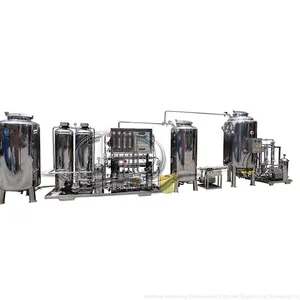
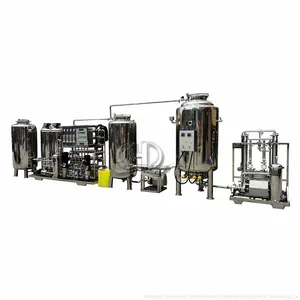
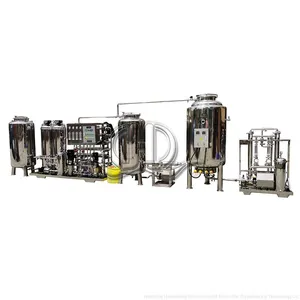
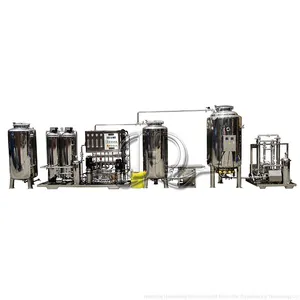
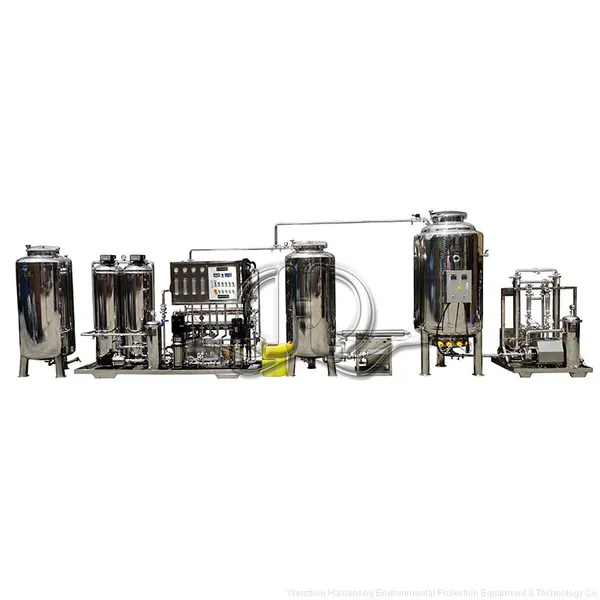
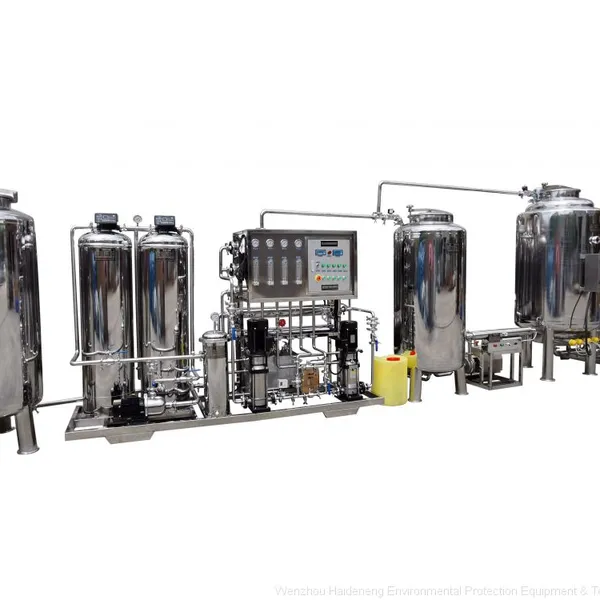
Customized Injection Water Automatic Two-stage Reverse Osmosis Water Purification Equipment Ro Water System With Sterile Heater
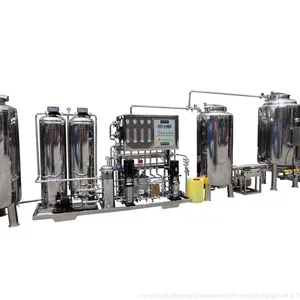
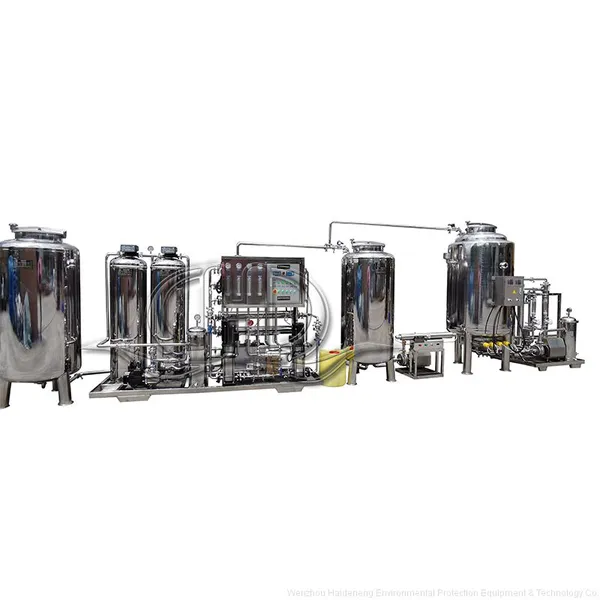
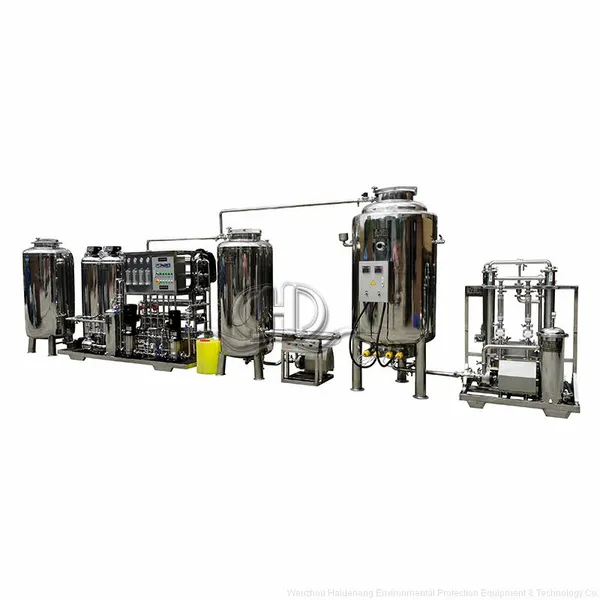
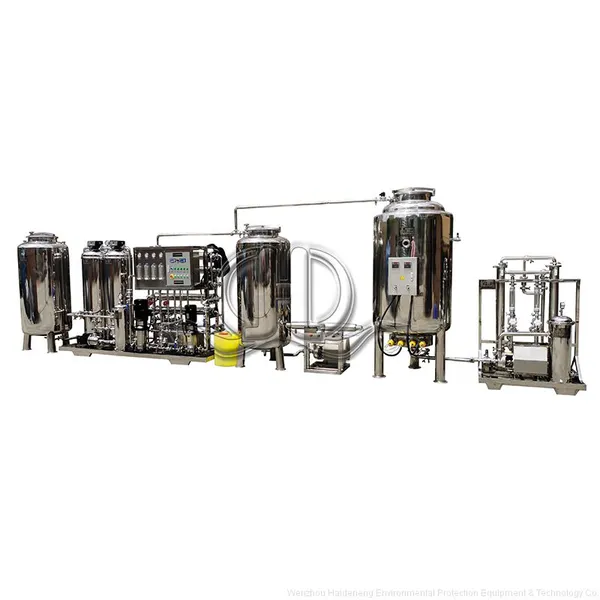



Related Products
-
 Customized 10 Tons per Hour Big Capacity Automatic Two Stage Reverse Osmosis Water Purification Equipment Ro Water SystemUS$ 35000 - 60000MOQ: 1 Set
 -
Customized Softened Automatic Two-stage Reverse Osmosis Water Purification Equipment Ro Water System With Ozone TowerUS$ 12000 - 20000MOQ: 1 Set
-
Customized Chemical Automatic Two-stage Reverse Osmosis Water Purification Equipment Ro Water System With Sterile TankUS$ 20000 - 30000MOQ: 1 Set
-
Customized 6 Tons per Hour Big Capacity Automatic Two Stage Reverse Osmosis Water Purification Equipment Ro Ultrapure Water SystemUS$ 35000 - 60000MOQ: 1 Set
-
15 Tons per Hour Water Seperation System Pure Water Disinfection Reverse Osmosis Equipment Ultrafiltration Mineral WaterUS$ 25000 - 30000MOQ: 1 Set
To produce injection water, follow these steps:
Source of Water: Identify a reliable source of water, such as a nearby river, lake, or underground well. Assess the water quality to ensure it meets the required standards for injection purposes.
Filtration: Install a filtration system to remove any sediment or large particles in the water. This can be done using sedimentation tanks, sand filters, or multimedia filters. Filtration helps to improve the water clarity and remove any debris that could potentially clog injection equipment.
Disinfection: It is crucial to disinfect the water to kill any harmful bacteria or microorganisms. This can be achieved through methods such as chlorination, ultraviolet (UV) disinfection, or ozonation. The choice of disinfection method will depend on the specific requirements and regulations in your area.
pH Adjustment: Test the pH level of the water and adjust it if required. The pH should be within the acceptable range for injection purposes, typically between 6.5 and 8.5. pH adjustment can be done by adding chemicals such as sulfuric acid or caustic soda.
Desalination (if applicable): If the source water has high salinity or contains minerals that are not suitable for injection, desalination may be necessary. Various desalination methods are available, including reverse osmosis, electrodialysis, or distillation.
Deaeration: Remove any dissolved gases from the water, as they can cause corrosion or other operational issues in the injection system. Deaeration can be achieved by using vacuum towers or through membrane-based degasification systems.
Monitoring and Quality Control: Establish a regular monitoring and testing program to ensure the water quality remains within the required parameters. This may involve measuring parameters such as salinity, pH, turbidity, disinfectant residuals, and microbiological content.
Storage and Distribution: Store the injection water in appropriate tanks or reservoirs, ensuring that it is protected from contamination. Use a well-designed distribution system to transport the water to the injection site, considering factors like pressure requirements, flow rates, and pipe materials.
Compliance with Regulations: Ensure that your injection water production process complies with local regulatory requirements and industry standards. This may involve obtaining permits, licenses, or certifications, and adhering to specific guidelines.
Remember to regularly maintain and clean your injection water production equipment to ensure optimal performance and water quality. Consult with water treatment experts or industry professionals to design and optimize your injection water production system.

Send Inquiry to This Supplier


You May Also Like
-
40 Tons per Hour Liquid Seperation System Pure Water Disinfection Reverse Osmosis Equipment Ultrafiltration Mineral Water SystemUS$ 35000 - 40000MOQ: 1 Set
-
Salt Removal 50 Tons per Hour Pure Water Disinfection Reverse Osmosis System One Stage RO Water Treatment EquipmentUS$ 5000 - 20000MOQ: 1 Set
-
High Efficiency Pure Water Disinfection Reverse Osmosis System Two Stage RO Water Treatment EquipmentUS$ 5000 - 20000MOQ: 1 Set
-
Fully Automatic Softened Reverse Osmosis Campus Direct Drinking Water Equipment With UltravioletUS$ 12000 - 20000MOQ: 1 Set
-
10t/H Reverse Osmosis Water Treatment System 8040 Membrane Filter PlantUS$ 9300 - 821000MOQ: 1 Combo
-
Hot Selling Reverse Osmosis Water Treatment System for Shampoo and LotionUS$ 1,600 - 5,000MOQ: 1 Set
-
Reverse Osmosis Water Treatment SystemUS$ 50000MOQ: 1 Set
-
Reverse Osmosis Water Treatment SystemUS$ 1,000 - 12,000MOQ: 1 Unit
-
Reverse Osmosis Water Treatment SystemUS$ 4,000 - 30,000MOQ: 1 Unit
-
Reverse Osmosis Water Treatment SystemNegotiableMOQ: 1 Set


