








 Contact Platform Support
 Help Center
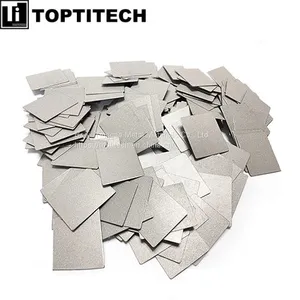
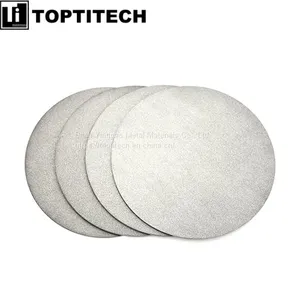
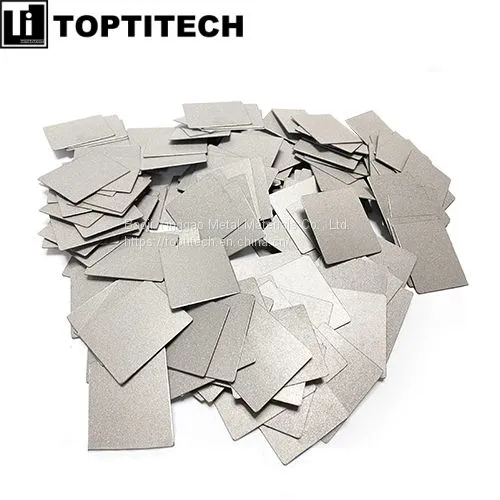
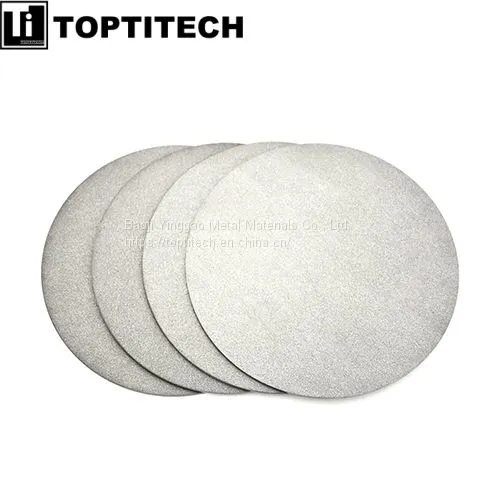
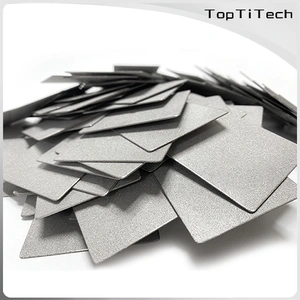
Platinum Coated Porous Titanium Plates Electrolyzers Hydrogen Production



Related Products
-
 0.5mm Sintered Porous Titanium Sheet Porous Transport Layers for PEM ElectrolyzersUS$ 5 - 20MOQ: 5 Pieces
 -
0.5Microns Sintered Porous Ti Plate for PEM ElectrodeUS$ 10 - 50MOQ: 5 Pieces
-
Platinum Coated Porous Titanium Sheets Electrodes For PEM Water ElectrolyzerUS$ 5 - 10MOQ: 5 Pieces
-
Titanium Micro Porous Flow Channel PlatesUS$ 5 - 15MOQ: 5 Pieces
-
4-layers Sintered Titanium Wire Mesh Filter PlateUS$ 16 - 50MOQ: 1 Piece
Platinum Coated Porous Titanium Plates Electrolyzers Hydrogen Production
Platinum-coated porous titanium plates are essential components used in electrolyzers for diverse industrial applications such as hydrogen production, water treatment, and energy storage. These plates play a critical role in facilitating efficient and reliable electrochemical reactions.
Electrolyzers are devices that employ the principles of electrolysis to convert electrical energy into chemical energy or vice versa. They consist of anode and cathode compartments separated by an ion-conductive membrane or an electrolyte solution. The platinum-coated porous titanium plates serve as the electrodes within these compartments, facilitating the desired electrochemical reactions.
Specifications
Material: porous Titanium plate
Coating: Platinum (usually 0.2-5 microns thick)
Porosity: 30%-40%
Thickness: 0.6-20 mm
Dimensions: Customizable based on specific electrolyzer requirements
Surface Area: Varies based on design and application, usually 50-100 cm²
Features
Catalytic Efficiency: The platinum coating on the porous titanium plates provides exceptional catalytic activity, enabling rapid and efficient electrochemical reactions. This results in improved performance and higher reaction rates, contributing to the overall efficiency of the electrolyzer.
Corrosion Resistance: Titanium is inherently resistant to corrosion, and the platinum coating further enhances this property, ensuring the longevity and stability of the plates even in harsh operating conditions. This resistance to corrosion guarantees the durability and reliability of the electrolyzer system.
Enhanced Mass Transfer: The controlled porosity of the titanium plates facilitates effective gas diffusion and reactant accessibility. This feature enhances mass transfer, allowing for faster reaction kinetics and improved overall electrolyzer performance.
Customizable Dimensions: Platinum-coated porous titanium plates can be customized to meet specific electrolyzer design requirements. The dimensions can be tailored to fit different system sizes and configurations, ensuring compatibility and versatility in various applications.
Application
Hydrogen Production: Platinum-coated porous titanium plates are extensively used in electrolyzers for hydrogen production through water electrolysis. The plates serve as both the anode and cathode, enabling the splitting of water molecules into hydrogen and oxygen. The high catalytic activity of platinum promotes faster reactions, while the porous titanium structure allows for efficient gas diffusion, ensuring optimal performance.
Water Treatment: Electrochemical water treatment methods, such as electrocoagulation and electrooxidation, employ platinum-coated porous titanium plates as electrodes. These plates aid in the removal of pollutants, heavy metals, and organic compounds from wastewater. The porous structure enhances mass transfer and increases the electroactive surface area, facilitating effective treatment processes.
Energy Storage: Platinum-coated porous titanium plates find application in regenerative fuel cells and electrolyzers for energy storage. During periods of excess renewable energy generation, the electrolyzers utilize surplus electricity to produce hydrogen through electrolysis. The produced hydrogen can later be used in fuel cells to generate electricity when the demand exceeds supply, allowing for efficient energy storage and utilization.
Why is platinum used as a coating material?
Platinum is highly resistant to corrosion and possesses excellent catalytic properties, making it ideal for enhancing electrochemical reactions. It ensures long-term stability and efficiency of the electrode, resulting in improved performance and durability of the electrolyzer.
What are the advantages of using porous titanium plates?
The porous structure of titanium plates increases the available surface area for reactions, allowing for greater contact with the electrolyte. This enhances mass transfer and promotes efficient gas diffusion, leading to faster reaction rates and improved overall electrolyzer performance.
Can the dimensions of the plates be customized?
Yes, the dimensions of platinum-coated porous titanium plates can be tailored to suit specific electrolyzer designs and requirements. Customization allows for compatibility with different system sizes and configurations.

Send Inquiry to This Supplier

You May Also Like
-
A 10 Micron Ultra-long Microporous Metal Titanium PlateUS$ 5 - 30MOQ: 1 Piece
-
Titanium Plate With Flow Field For ElectrolyzersUS$ 5 - 25MOQ: 5 Pieces
-
Porous Titanium Sheet for Gas Diffusion LayerUS$ 5 - 20MOQ: 5 Pieces
-
30um Porous Metallic Filter Cartridge With DOEUS$ 10 - 50MOQ: 10 Pieces
-
0.6mm Thickness Titanium Fiber Felt for HT-PEMFCUS$ 5 - 50MOQ: 10 Pieces
-
1.5mm Sintered Porous Titanium Plate Filtration IndustryUS$ 5 - 15MOQ: 10 Pieces
-
OD 150mm 20um Titanium Aeration Head for Ozone SpargerUS$ 5 - 50MOQ: 1 Piece
-
Titanium Mesh-Felt Composition Plate for Sodium Hypochlorite GeneratorUS$ 5 - 40MOQ: 1 Piece
-
0.2um Ultrafine Titanium Filter for High-Purity GasUS$ 5 - 50MOQ: 5 Pieces
-
10μm Flange Interface Titanium FilterUS$ 55 - 100MOQ: 30 Pieces


