








 Contact Platform Support
 Help Center
Things to Note in HEDP Applications/scale Inhibition HEDP/Scale Inhibition




Related Products
-
 What is the Difference Between HEDP and ATMP?US$ 99 - 9999MOQ: 1 Ton
 -
Is ATMP a Scale Inhibitor or a Corrosion Inhibitor?US$ 999 - 9999MOQ: 1 Ton
-
What is the Antiscaling Effect of HEDP Antiscalant?-Kairui ChemistryUS$ 999 - 9999MOQ: 1 Ton
-
Precautions for Using Antiscalant PBTCUS$ 999 - 9999MOQ: 1 Ton
-
What is Cooling Water Corrosion Inhibitor?US$ 999 - 9999MOQ: 1 Ton
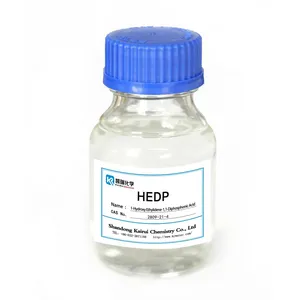
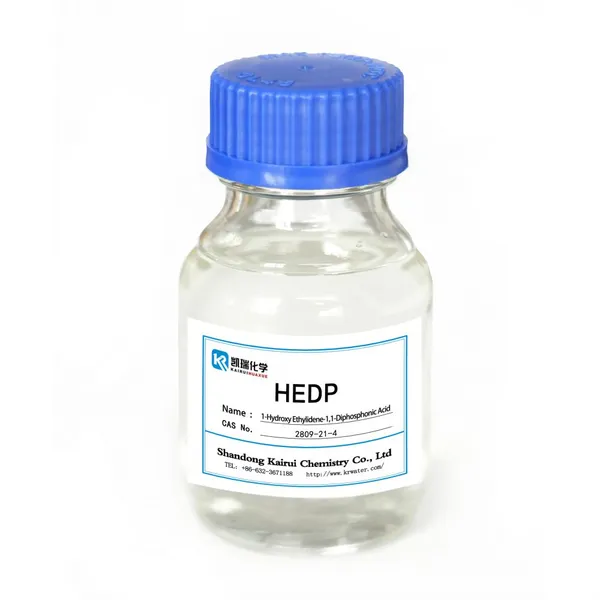
1-Hydroxy Ethylidene-1,1-Diphosphonic Acid (HEDP) is a widely used scale and corrosion inhibitor in water treatment. Here are some key considerations and precautions for its effective application:
1. Dosage and Concentration
Optimal Dosage: Determine the optimal dosage based on water quality, system conditions, and specific application requirements. Overdosing can lead to inefficiency and increased costs.
Concentration Monitoring: Regularly monitor the concentration of HEDP in the system to ensure it remains within the effective range.
2. Compatibility with Other Chemicals
Synergistic Effects: HEDP can be used in combination with other water treatment chemicals like biocides, dispersants, and other corrosion inhibitors. Ensure compatibility to avoid adverse reactions.
Sequential Addition: When using multiple chemicals, follow the recommended sequence of addition to maximize effectiveness.
3. pH and Temperature Considerations
pH Range: HEDP is effective over a wide pH range, but its performance can vary. Adjust the pH to the optimal range (typically between 6 and 9) for best results.
Temperature Stability: HEDP is stable at high temperatures, but extremely high temperatures can affect its performance. Monitor and control system temperatures accordingly.
4. System Conditions
Water Hardness: HEDP is effective in both hard and soft water, but the dosage may need adjustment based on water hardness levels.
Flow Rates: Ensure adequate flow rates to distribute HEDP evenly throughout the system and prevent localized scaling or corrosion.
5. Safety and Handling
Personal Protective Equipment (PPE): Use appropriate PPE, such as gloves and goggles, when handling HEDP to avoid skin and eye contact.
Spill Management: Have spill containment and cleanup procedures in place to manage accidental spills promptly and safely.
6. Environmental Impact
Biodegradability: HEDP is not readily biodegradable. Consider its environmental impact and follow local regulations for disposal.
Aquatic Toxicity: Be aware of the potential toxicity to aquatic life and take measures to minimize environmental release.
7. Storage and Shelf Life
Storage Conditions: Store HEDP in a cool, dry place away from direct sunlight and incompatible materials.
Shelf Life: Check the shelf life and expiration date to ensure the product remains effective. Use older stock first to avoid degradation over time.
8. Regulatory Compliance
Local Regulations: Adhere to local regulations and guidelines for the use, storage, and disposal of HEDP.
Documentation: Maintain proper documentation, including Safety Data Sheets (SDS) and usage records, for regulatory compliance and safety.
9. System Monitoring and Maintenance
Regular Monitoring: Continuously monitor system parameters such as pH, temperature, and HEDP concentration to ensure optimal performance.
Maintenance Schedule: Implement a regular maintenance schedule to inspect and clean system components, preventing scale and corrosion buildup.
10. Application-Specific Considerations
Cooling Water Systems: In cooling towers, ensure proper blowdown and water treatment to maintain system efficiency.
Boiler Water Treatment: In boilers, monitor feedwater quality and adjust HEDP dosage to prevent scale and corrosion.
Oil and Gas Industry: In oilfield applications, consider the interaction of HEDP with other chemicals used in drilling and production processes.
By following these guidelines, you can ensure the effective and safe application of HEDP in various water treatment systems, maximizing its benefits while minimizing potential risks.

Send Inquiry to This Supplier


You May Also Like
-
The Difference Between the Usage of Antiscalant ATMP and HEDPUS$ 999 - 9999MOQ: 1 Ton
-
HEDP Manufacturers/HEDP Introduction/CAS 2809-21-4US$ 999 - 9999MOQ: 1 Ton
-
What is the Scale Inhibition Effect of PBTC?US$ 999 - 9999MOQ: 1 Ton
-
What Safety Precautions Should be Observed When Handling HEDP?NegotiableMOQ: 1 Ton
-
What Are the Advantages of Antiscalant ATMP?NegotiableMOQ: 1 Ton
-
What Are the Central Boiler Rust Inhibitors?NegotiableMOQ: 1 Ton
-
The Role of Benzotriazole Corrosion InhibitorUS$ 999 - 9999MOQ: 1 Ton
-
What Are Oxygen Scavengers in Food Packaging Used For?US$ 999 - 9999MOQ: 1 Ton
-
What is the Usage Content of HEDP Cleaning Agent?US$ 999 - 9999MOQ: 1 Ton
-
The Role of Antiscalant for ro PlantsUS$ 999 - 9999MOQ: 1 Ton


