








 Contact Platform Support
 Help Center
Home > Electrical & Electronics > Passive Components > Capacitor > GE IS210MACCH2A | IS210MACCH2AGG ENERGY PCB
GE IS210MACCH2A | IS210MACCH2AGG ENERGY PCB
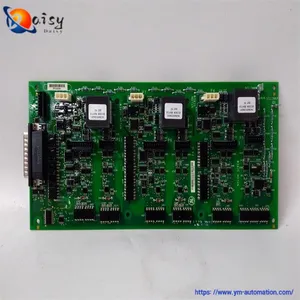
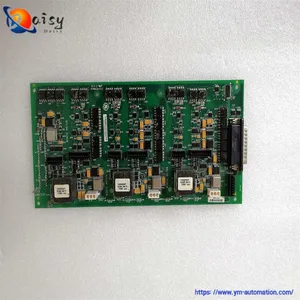
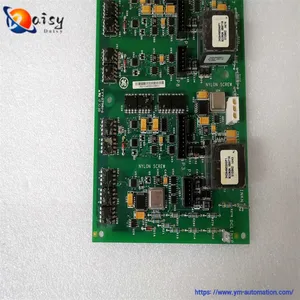
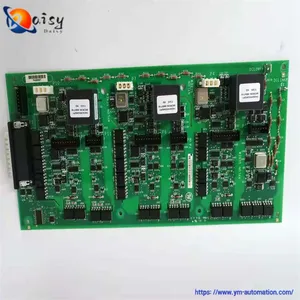
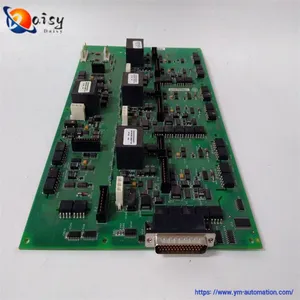
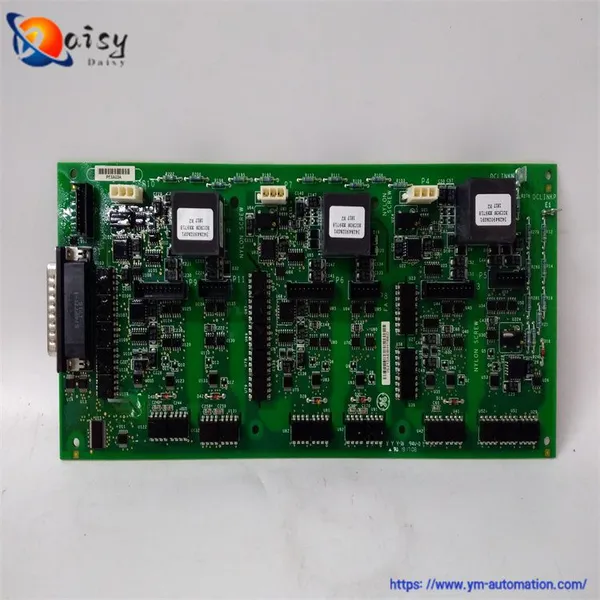
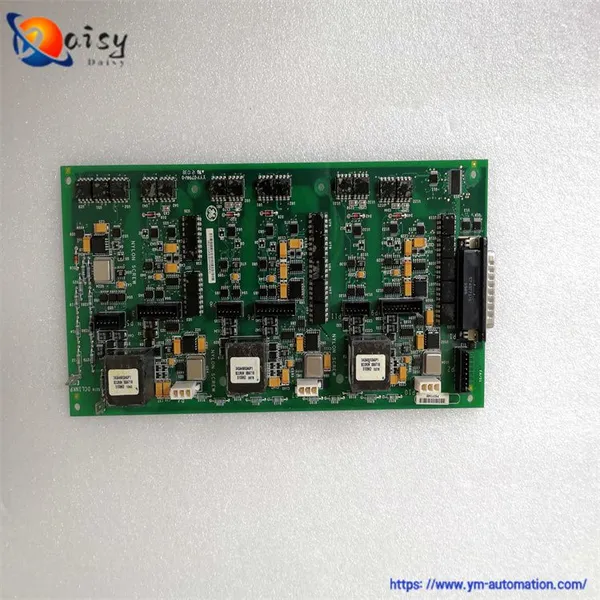
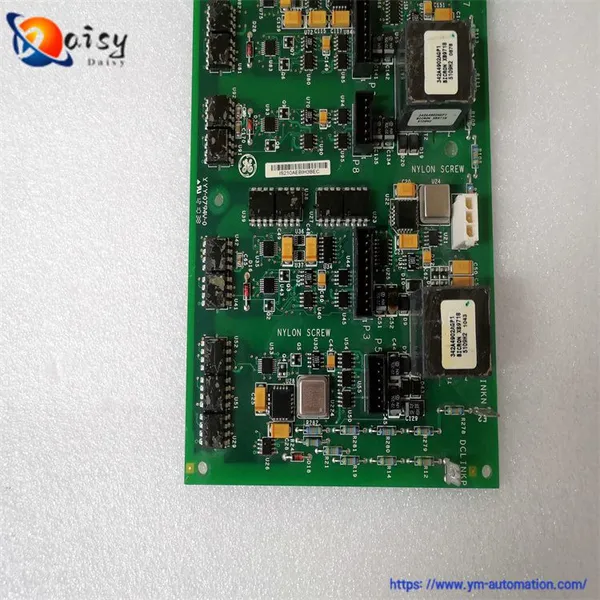
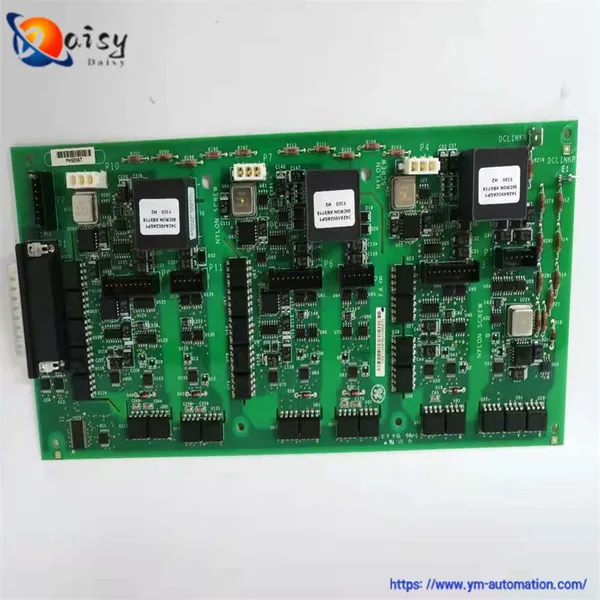
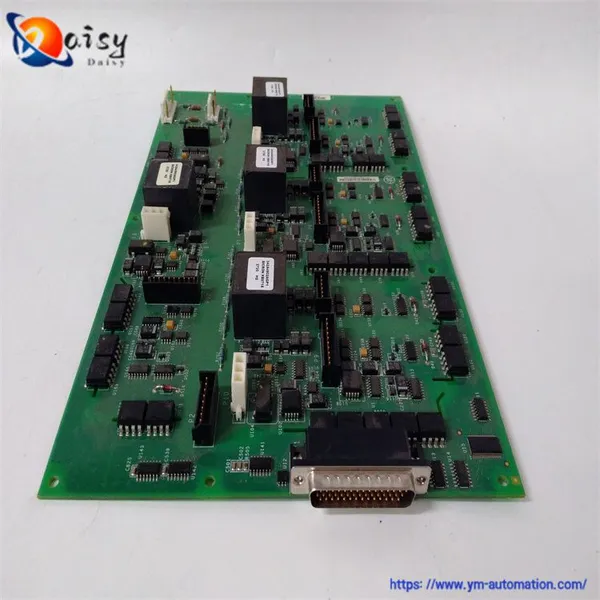
Negotiable
MOQ: 1 Piece (Price negotiable depending on order volume and customization)
Key Specifications
Get Latest Price
Main Markets:
North America, South America, Eastern Europe, Southeast Asia, Africa, Oceania, Mid East, Eastern Asia, Western Europe, Central America, Northern Europe, Southern Europe, South Asia, Domestic Market
Location:
Anshun, Guizhou, China

Payment & Shipping
Payment Methods:


Port of Shipment:
China
Delivery Detail:
Delivery time depends on order quantity.
Related Products
-
 GE IS210BPPBH2CAA Printed Circuit Board Mark VI IS200 SystemNegotiableMOQ: 1 Piece
 -
GE IS220PSCAH1B Mark VIe I/ONegotiableMOQ: 1 Piece
-
GE IS220UCSAH1A Embedded Control ModuleNegotiableMOQ: 1 Piece
-
GE GF868-1-1-1-2-1-0 -1-4-0-0-0-RPT Ultrasonic Gas Flow MeterNegotiableMOQ: 1 Unit
-
GE 362A1052P104 RS-FS-9001 Flame DetectorNegotiableMOQ: 1 Piece

Send Inquiry to This Supplier


Main Markets
North America, South America, Eastern Europe, Southeast Asia, Africa, Oceania, Mid East, Eastern Asia, Western Europe, Central America, Northern Europe, Southern Europe, South Asia, Domestic Market
Location
Anshun, Guizhou, China
You May Also Like
-
GE 362A3389P001 Pressure SensorNegotiableMOQ: 1 Piece
-
GE DS2020DACAG2 Power ModuleNegotiableMOQ: 1 Piece
-
GE IC755CBS10CDA - 10-inch Operator InterfaceNegotiableMOQ: 1 Piece
-
GE F650BABF1G0HIE | Digital Interval ControllerNegotiableMOQ: 1 Piece
-
GE SR489-P5-LO-A20 Motor Management RelayNegotiableMOQ: 1 Piece
-
GE IS215PMVDH1A Migration I/O Terminal BoardNegotiableMOQ: 1 Piece
-
GE IS420UCSBH4A Controller ModuleNegotiableMOQ: 1 Piece
-
GE Fanuc IC697CPX928-FE Processor ModuleNegotiableMOQ: 1 Piece
-
GE T60-HKH-F8N-H6D-M8L-P6D-U6B-WXX Transformer Protection DeviceNegotiableMOQ: 1 Piece
-
GE IS200TTURH1B Turbine Terminal PlateNegotiableMOQ: 1 Piece


