








 Contact Platform Support
 Help Center
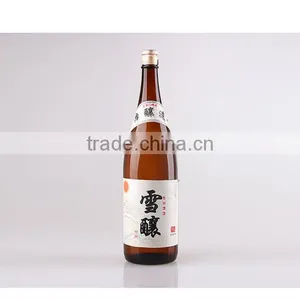
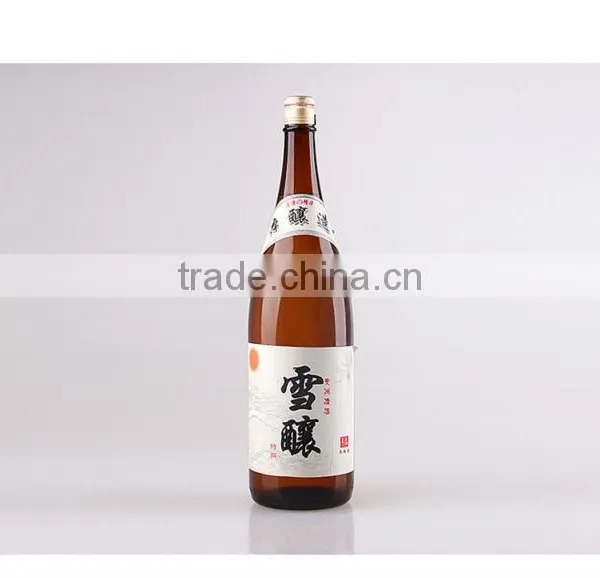
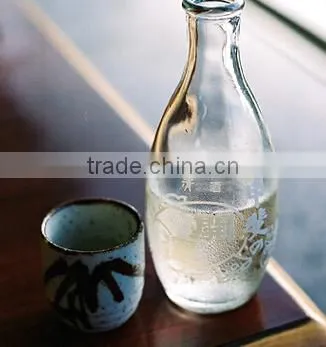
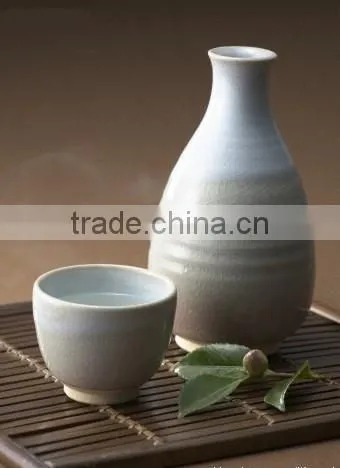
Anti-aging and Cosmetic Japanese Sake


Related Products
-
 Elaborately Brewed Delicious Japanese SakeUS$ 24 - 30MOQ: 20 Boxes
 -
Superb Sweet Japanese SakeUS$ 24 - 30MOQ: 20 Boxes
-
Mellow and Fragrant Japanese Cooking SakeUS$ 24 - 30MOQ: 20 Boxes
-
Premium Japanese Cooking SakeUS$ 24 - 30MOQ: 20 Boxes
-
Refined and Good Taste Japanese Cooking SakeUS$ 5.9 - 13.5MOQ: 20 Boxes
1. Economical
2. Natural
3. Convenient
4. Shelf life: 18months
5. Place of origin: Liaoning, China (Mainland)
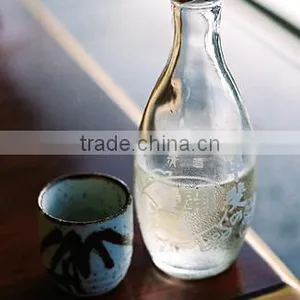
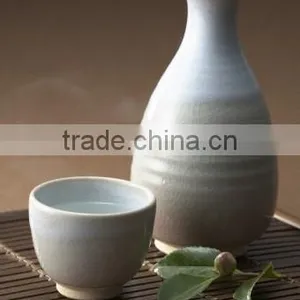
Here wine does not refer to western grape wine. It refers to Japanese wine — in Japan, it is called Nihonshu or Sake. It is an alcoholic beverage that is made from fermented rice. Sake is sometimes called "rice wine" but the brewing process is more akin to beer, converting starch to sugar for the fermentation process. Stems from Chinese cooking wine, there are two famous sakes: Ginjo-shu and Daiginjo-shu
Sakes is born in Asia and naturally enjoyed by the local people of many Asian countries, especially in China, Japan and Korea. Nowadays because of the nutritional value, it is getting more and more popular in the world. Sakes often have a low alcohol degree (about 18%), but contain many essential amino acids and various trace elements, so it is usually considered as the nutritious wine. And studies have shown that sakes also protecting liver, anti-human aging.
There is different sake style. For example, normal sake, Ginjoshu, daiginjoshu, super dry, soju, plum wine, etc.
Serving Suggestion
1. Recommended with meals. Best served chilled.
2. Sake that can be enjoyed from a wine glass
Taste and flavor
The label on a bottle of sake gives a rough indication of its taste. Terms found on the label may include nihonshu-do , san-do, and aminosan-do.
Nihonshu-do is calculated from the specific gravity of the sake and indicates the sugar and alcohol content of the sake on an arbitrary scale. Typical values are between -3 (sweet) and +10 (dry), equivalent to specific gravities ranging between 1.007 and 0.998.
San-do indicates the concentration of acid, which is determined by titration with sodium hydroxide solution. This number is equal to the milliliters of titrant required to neutralize the acid in 10 mL of sake.
Aminosan-do indicates a taste of umami or savoriness. As the proportion of amino acids rises, the sake tastes more savory. This number is determined by titration of the sake with a mixture of sodium hydroxide solution and formaldehyde, and is equal to the milliliters of titrant required to neutralize the amino acids in 10 mL of sake.
Sake can have many flavor notes, such as fruits, flowers, herbs, and spices. Many sakes have notes of apple from ethyl caproate, and banana from isoamyl acetate, particularly ginjyoshu.
Why choose us?
1. All the raw material is sourcing from the best planting base. Absolutely Natural!
2. The production capacity is not full. It is ok to accept any urgent order or large quantity order.
3. Accept customer’s inspection before loading or product testing or quality control, etc.
4. Sample order is acceptable. No need worry about MOQ restriction.
We are manufacturer and exporter handling this line more than 10 years. Our company has been established since 1994. We have been exporting to EU, Japan, US, South America, Middle East and so on.

Send Inquiry to This Supplier
You May Also Like
-
Spirit BottleNegotiableMOQ: 2600 Pieces
-
WHISKY FLAVORNegotiableMOQ: 1
-
Shaoxing Wine,rice Wine,sakeNegotiableMOQ: 1
-
Huaqi Glass China Gun Shape Whiskey Decanter Set, Submachine Gun Liquor Bottle With Cups & Metal Rack, Wholesale Bar DrinkwareUS$ 25MOQ: 2000 Pieces
-
Chinese Kweichow Moutai Company Exports to the United Kingdom Tax-free To-door Price Concessions Authentic FidelityNegotiableMOQ: 1 Dozen
-
Guizhou Laojiao · Private Wine (22 Years New) 53 Degree Maotai Flavor Baijiu 500ML Grain Baijiu Kweichow Moutai Town Gift Box Wedding Wine Private Wine (22 Years Old) 500ML/bottle 53% VolCNY 1000 - 10000MOQ: 100 Boxes
-
Premium Spirits Cognacs Whisky Baileys WhiskyUS$ 600 - 601MOQ: 100 Bags
-
MissNegotiableMOQ: 100 Cartons
-
China Guizhou Maotai-flavor Liquor 53 Degrees Maotai Maotai-flavor Liquor Liquor Soft Maotai-flavor Liquor China Wine Empty CupCNY 530000 - 540000MOQ: 500 Boxes
-
2000L Industrial Distillation Equipment Vodka/Brandy/Gin Alcohol DistillerNegotiableMOQ: 1 Set


