








 Contact Platform Support
 Help Center
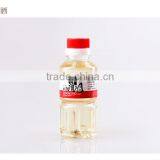
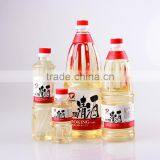
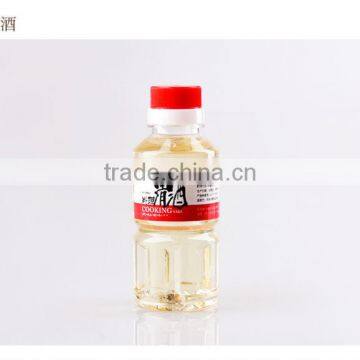
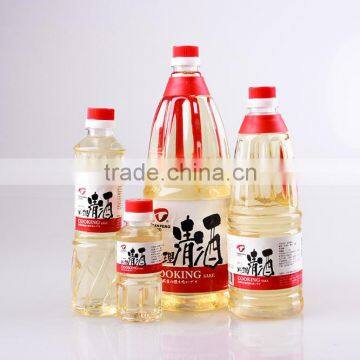
Mellow and Fragrant Japanese Cooking Sake



Related Products
-
 Premium Japanese Cooking SakeUS$ 24 - 30MOQ: 20 Boxes
 -
Refined and Good Taste Japanese Cooking SakeUS$ 5.9 - 13.5MOQ: 20 Boxes
-
Mild and Fragrant Japanese Cooking SakeUS$ 5.9 - 13.5MOQ: 20 Cartons
-
Refined and Good Taste Japanese Cooking SakeUS$ 5.9 - 13.5MOQ: 20 Cartons
-
Superior and Good Taste Japanese Cooking SakeUS$ 5.9 - 13.5MOQ: 20 Cartons
1. Certificate: BRC,HACCP, ISO, KOSHER, QS
2. Shelf Life: 18 Months
3. Packaging: 200ml, 500ml, 1L, 1.8L, and customized packaging available
4. Brand: MAZUMA, and customized brands available
5. Delivery: 20-25 Days after receipt the prepayment from buyer
6. Storage: Store in cool and dry place, avoid direct sunlight
The brewing process for sake differs from the process for beer in that, for beer, the conversion from starch to sugar and from sugar to alcohol occurs in two discrete steps. Like other rice wines, when sake is brewed, these conversions occur simultaneously. Furthermore, the alcohol content differs between sake, wine, and beer. Wine generally contains 9%–16% ABV, while most beer contains 3%–9%, and undiluted sake contains 18%–20% (although this is often lowered to about 15% by diluting with water prior to bottling).
Application
As an essential used in Japanese cuisine, a small amount is often used instead of sugar and soy sauce. It's a perfect seasoning to add a mild sweetness to Japanese cooking. Mirin and cooking sake add luster to ingredients when it's cooked and adds nice aroma. It's the key ingredient in teriyaki sauce. Since it is effective in masking the smell of fish, mirin is often used for cooking seafood.
Seasonality of Sake
Traditionally sake was brewed only in the winter. While it can now be brewed year-round, there is still seasonality associated with sake, particularly artisanal ones. The most visible symbol of this is the sugitama, a globe of cedar leaves traditionally hung outside a brewery when the new sake is brewed. The leaves start green, but turn brown over time, reflecting the maturation of the sake. These are now hung outside many restaurants serving sake. The new year's sake is called shishu ("new sake"), and when initially released in late winter or early spring, many brewers have a celebration, known as kurabiraki (warehouse opening). Traditionally sake was best transported in the cool spring, to avoid spoilage in the summer heat, with a secondary transport in autumn, once the weather had cooled, known as hiyaoroshi ("cold wholesale distribution") – this autumn sake has matured over the summer.
There is not traditionally a notion of vintage of sake – it is generally drunk within the year, and if aged, it does not vary significantly from year to year. Today, with influence from wine vintages, some breweries label sake intended for aging with a vintage, but this is otherwise rare.
About Us
Advantages we have:
1. Experienced leaders and workers.
2. Professional design team and sales.
3. The most suitable price.
4. Satisfactory service before and after sale.
Our customers from all over the word

Send Inquiry to This Supplier

You May Also Like
-
Spirit BottleNegotiableMOQ: 2600 Pieces
-
WHISKY FLAVORNegotiableMOQ: 1
-
Shaoxing Wine,rice Wine,sakeNegotiableMOQ: 1
-
Chinese Kweichow Moutai Company Exports to the United Kingdom Tax-free To-door Price Concessions Authentic FidelityNegotiableMOQ: 1 Dozen
-
Guizhou Laojiao · Private Wine (22 Years New) 53 Degree Maotai Flavor Baijiu 500ML Grain Baijiu Kweichow Moutai Town Gift Box Wedding Wine Private Wine (22 Years Old) 500ML/bottle 53% VolCNY 1000 - 10000MOQ: 100 Boxes
-
Premium Spirits Cognacs Whisky Baileys WhiskyUS$ 600 - 601MOQ: 100 Bags
-
MissNegotiableMOQ: 100 Cartons
-
China Guizhou Maotai-flavor Liquor 53 Degrees Maotai Maotai-flavor Liquor Liquor Soft Maotai-flavor Liquor China Wine Empty CupCNY 530000 - 540000MOQ: 500 Boxes
-
2000L Industrial Distillation Equipment Vodka/Brandy/Gin Alcohol DistillerNegotiableMOQ: 1 Set
-
Huabaidu 38 Degree Rose BaiJiuNegotiableMOQ: 50 Packs


