








 Contact Platform Support
 Help Center
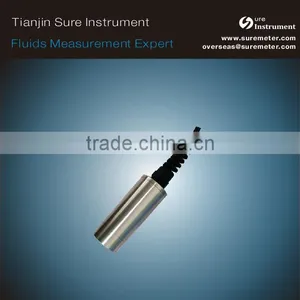
Oxygen Meter For Dissolved Oxygen Analyzer


Related Products
-
 Flow Totalizer to Remote LCD Display and Batch ControllerUS$ 100 - 220MOQ: 1 Set
 -
Flow Meter Totalizer Mechanical PanelUS$ 100 - 150MOQ: 5 Sets
-
Digital Panel Meter TotalizerUS$ 220.00 - 220.00MOQ: 1 Set
-
Flow Totalizer for Gas Water FluidsUS$ 230.00 - 230.00MOQ: 1 Set
-
Panel Meter (Totalizer) Batch ControllerUS$ 301 - 599MOQ: 1 Set
The DO7 sensor is based on luminescent optical technology. The Sensor is approved by the ASTM international Method D888-05. Without calibration requirements and thanks to an ultra-low power technology, the DO7 sensor meets the demands of field works and short or long term campaigns. Without oxygen consumption, this technology allows you an accurate measure in all situation and especially in very low oxygen concentrations.
Digital Technology:
The Intelligent DO7 sensor stores calibration and history data within the sensor. This allows you a “plug and play” system without re-calibration. Thanks to the Universal Modbus RS485 protocol, the DO7 sensor can be connected to all devices commonly used (Data logger, GDC, Automat, Remote System…).
The Intelligent DO7 sensor stores calibration and history data within the sensor. This allows you a “plug and play” system without re-calibration. Thanks to the Universal Modbus RS485 protocol, the DO7 sensor can be connected to all devices commonly used (Data logger, GDC, Automat, Remote System…).
DO7 Optical Dissolved Oxygen
-C10 10’ cable
-C30 30’ cable
-C50 50’ cable
Please contact factory for other cable length
Applications
Typical applications include:
• The measurement and control of the oxygen in aeration basins,
• The monitoring of oxygen in the effluent from a sewage treatment plant,
• The measurement and control of the oxygen content of public water supplies,
• The measurement and control of the oxygen at fish farms.
• The oxygenation of drinking water.
The sensor is suitable for most environmental water measurements ,applications outside of the scope of applications listed above may compromise the integrity of the sensor and should not be attempted without first consulting the factory.
Influences on the Measurement
The DO7 is unaffected by changes in the flow, pH or conductivity of the sample. Higher flow rates minimize the growth of biofilms on the sensor and are therefore advantageous. If biologic fouling is expected to occur as it does in most environmental waters and aeration basins at sewage treatment plants the Air Blast Spray Cleaner should be purchased with the sensor.
The sample temperature is monitored by the sensor and the various measurements are automatically temperature compensated. Temperature compensation is critical to the accuracy of the measurement. When the sensor is submersed in water, equilibration to temperature changes occurs rapidly but when performing an Air Calibration equilibration occurs much more slowly. Allow 10‐20 minutes for the sensor to equilibrate before starting an air calibration.
Location requirement when installation
1: The sensor can be installed at a convenient position and it easy to cleaning and maintenance
2: Measurement point should be typical, not stagnant water for avoiding producing bubbles places
3: If the sensor installed outside in order to keep away sunlight on the optical window.
Immersion Assembly
1. 3/4 “cable gland
2. 3/4 “ angle head
3. hex bolts
4 .bracket
5. 3/4 “pipe collar
6. expansion bolts
7. bracket pole
8. 3/4”to1”pipe fitting
9. 1”compression fitting
Maintenance
The DO7 requires very little maintenance. When the membranes on traditional oxygen consuming sensors (based on electrochemical principles), often called Clark sensors, are fouled the water mixing in front of the sensor membrane becomes poorer, which influences the measurement directly. Since the DO7sensor consumes no Oxygen, the ability to diffuse gas has no influence on the measurement accuracy. However, if the fouling is in the form of algae that produce or consume oxygen, the measurement might not reflect the oxygen concentration in the surrounding water correctly.
Also the response time of the measurements might increase if the sensing foil is heavily fouled. Therefore, the sensor should be cleaned at regular intervals from 1month to a year depending on the required accuracy and the fouling condition at the site.
The DO7sensor’s housing can be cleaned carefully using a brush and clean water, use a wet cloth to clean the sensing foil. Fouling consisting of calcareous organisms (e.g. barnacles), can be dissolved by dipping the sensor/instrument in a weak acid solution (e.g. 7% Vinegar).
To increase the deployment time in the marine environment we recommend attaching a securing plate of copper in front of the optical window (this typically triples the deployment interval between cleaning). The securing plate prevents fouling to grow directly onto the sensing foil. The copper plate does not improve the sensor performance in wastewater applications since bacteria can settle behind the foil and change the local oxygen conditions. If the sensing foil is scratched or if the protective black layer on the foil is removed the sensor will still work as long as there is enough fluorophore on the foil. If severely damaged (so that the sensor gives unrealistic readings) the sensing foil should be replaced

Send Inquiry to This Supplier

You May Also Like
-
Fertilizer Plant FRP Neutralization Reaction Tank Waste Acid Sewage Storage VesselNegotiableMOQ: 1 Piece
-
220V Electric Composting Equipment for Organic Waste ProcessingNegotiableMOQ: 1 Piece
-
Triple-effect Vacuum Evaporator Energy Saving Low Consumption Triple Stage 220V 50Hz OperationUS$ 1000 - 165000MOQ: 1 Combo
-
PPS Needle Felt Filter Cloth for Thermal Power Plants for Boiler Gas PurifyNegotiableMOQ: 1 Piece
-
Water Bath SterilizerNegotiableMOQ: 1 Set
-
Horizontal Waste Compactor Baler Waste Baling Machine Waste Plastic Compression Machine EPCUS$ 12000 - 13000MOQ: 1 Set
-
Ceramic Ink Printing On Glass Inorganic Glass Paint Enamel Pigments High Coverage For Range Hood GlassNegotiableMOQ: 0
-
Cremation Machine Burn Human Body Electrical Crematorium Machine Cremator Crematoria Europe StandardUS$ 5MOQ: 1 Set
-
Landfill Waste Trommel Screening Mahcine Domestic Waste Trommel SeparatorUS$ 23500 - 68500MOQ: 1 Set
-
Waste Treatment EquipmentNegotiableMOQ: 2500 Sets


