








 Contact Platform Support
 Help Center
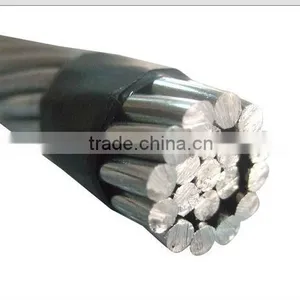
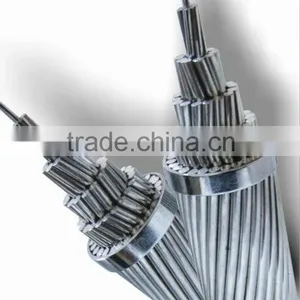
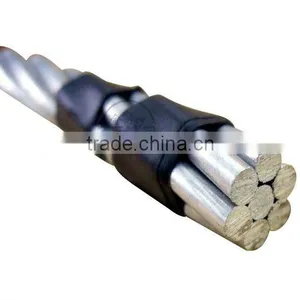
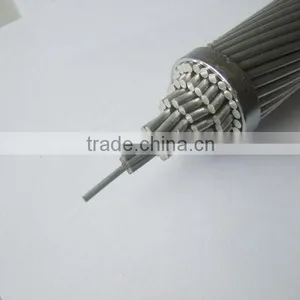
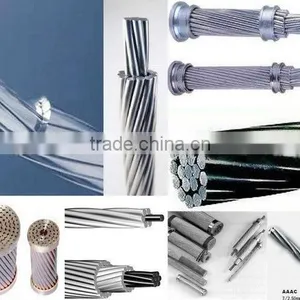
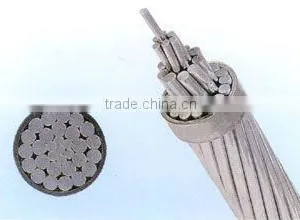
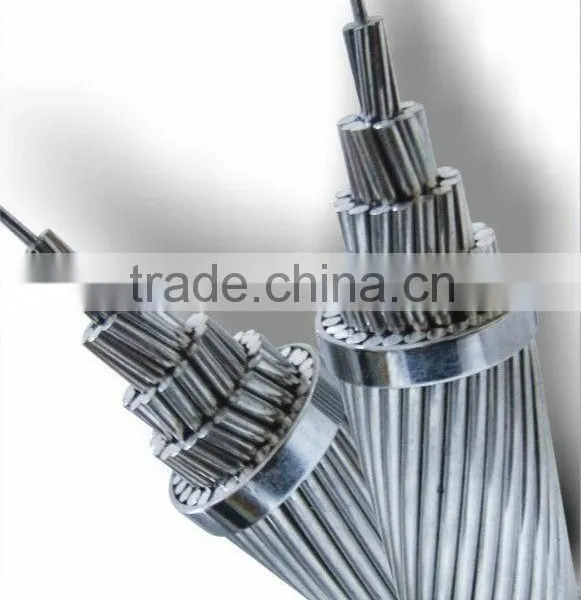
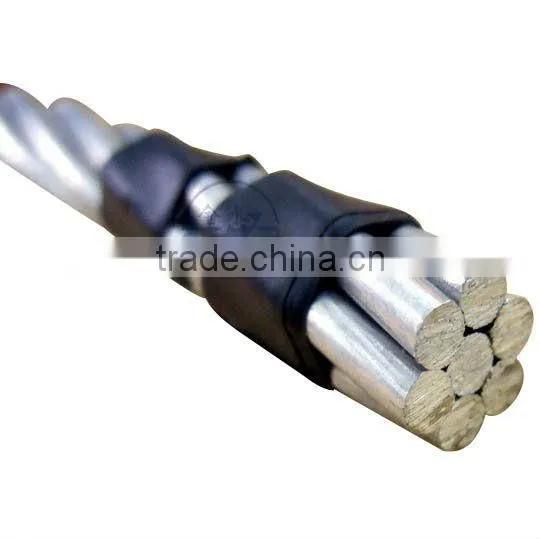
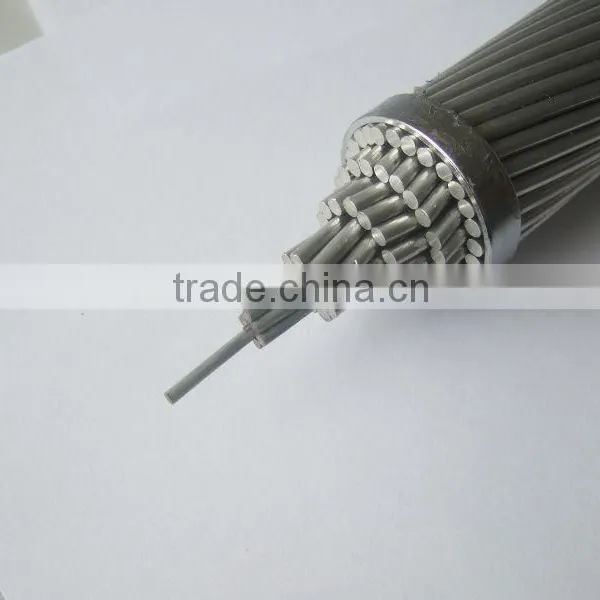
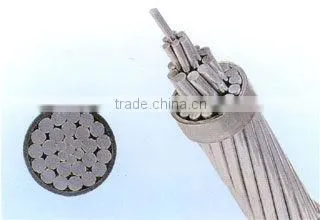
All Aluminum Conductors AAC Aster 2/0AWG


Related Products
-
 Overhead Aluminum Cable AAC Conductor 35mm2 50mm2US$ 0.5 - 15MOQ: 3 Kilometers
 -
Overhead Line Bare Aluminum Stranded Conductor HDA Wasp AAC 100mmUS$ 0.5 - 15MOQ: 3 Kilometers
-
High Quality Overhead Line Aluminum Stranded AAC ConductorUS$ 0.5 - 15MOQ: 3 Kilometers
-
WASP Conductor AAC 100mm2US$ 0.5 - 15MOQ: 3 Kilometers
-
Power Line Aluminum Stranded Conductor British Standard AAC 50mm2US$ 0.5 - 15MOQ: 3 Kilometers
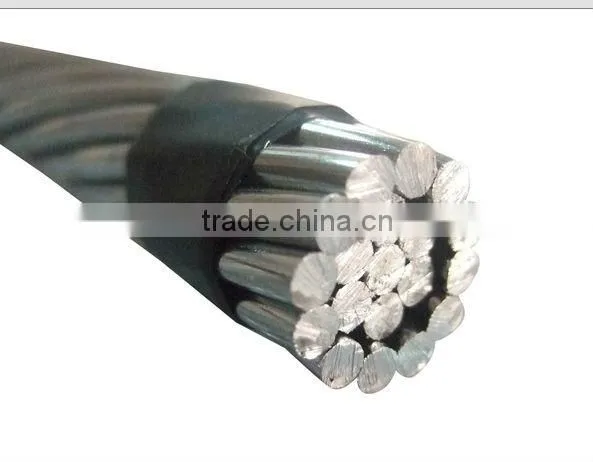
All Aluminum Conductors AAC Aster 2/0AWG
Code name: Aster 2/0AWG
Standard: ASTM B231
No.of strand/wire diameter: 7/3.503mm
Overall diameter: 10.51mm
Linear mass: 186kg/km
Nominal breaking load: 11kN
Max.D.C.Resistance at 20°c: 0.4276Ω/km
1.TYPE
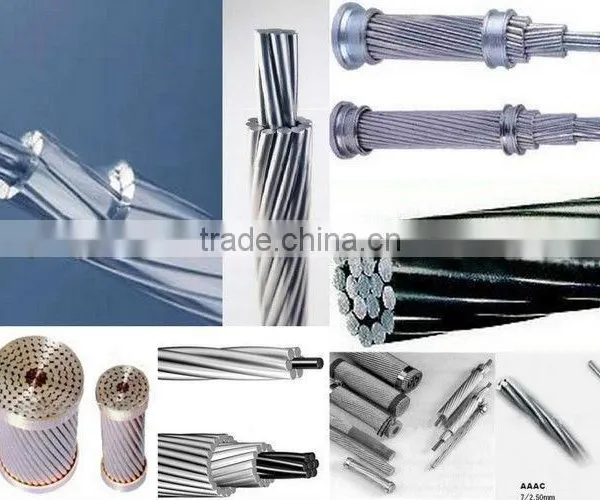
AAC, AAAC, ACSR are also known as Overhead Conductors, Transmission Conductors and Power Distribution Conductors. AAC is also known as aluminium stranded conductor. These cables can also be recognised by their full names of All Aluminium Conductor (AAC) , All Aluminium Alloy Conductor (AAAC) and Aluminium Conductor Steel Reinforced (ACSR).
2.APPLICATION
Aluminium Conductors are predominantly used in Overhead Line applications and for primary and secondary power distribution.
2.1.ACSR conductors is used for river crossings, overhead earth wires, and installations involving extra long spans.
The advantage of ACSR is that it has high tensile strength and is lightweight, which means over longer spans it needs less supports.
ACSR is available with varying percentages of steel core to achieve different strengths.One of the advantages of this conductor in particular is that the desired strength can be achieved without a loss of ampacity.
2.2.AAC conductors is used mainly in urban areas where the spacing is short and the supports are closer together.
The advantage of AAC conductors is that they have a high degree of corrosion resistance;for this reason they are used extensively in coastal areas.
AAC were developed as a consequence of the galvanic corrosion that ACSR conductors are susceptible to.
2.3.AAAC conductors is used as bare overhead conductor for power transmission and distribution lines on aerial circuits that require larger mechanical resistance than AAC.
AAAC also has better sag characteristics and a better strength to weight ratio than AAC.
AAAC cables have lower weight per unit length and slightly lower resistance per unit length than ACSR.
3.DIFFERENCE of AAC,AAAC and ACSR
3.1.The biggest difference is the materials they are constructed from.
AAC is manufactured from electrolytically refined aluminium with a 99.7% minimum purity;
AAAC is made from an Aluminium alloy;
ACSR contains a combination of Aluminium reinforced with steel.
3.2.The second difference is their resistance to corrosion,which is important for the longevity of the cable.
ACSR has a poorer resistance to corrosion, as it contains steel, which is prone to rust.
AAAC and AAC have a better corrosion resistance, due to the fact that they are largely or completely aluminium.
3.3.In the ACSR the galvanised steel core carries the mechanical load and the high purity aluminium carries the current.
They utilise the lower thermal expansion coefficient of steel compared to aluminium, which the aluminium based conductors AAC and AAAC are unable to do.
4.CODE NAME
1).AAC Code Name
2).ACSR Code Name
3.AAAC Code Name

Send Inquiry to This Supplier

You May Also Like
-
Sick YF8U14-050VA3XLEAX - Sensor/actuator CableNegotiableMOQ: 1 Piece
-
Fpc Cable Ffc Cable EDP Cable LVDS Harness VBYONE Harness Coaxial CableUS$ 7 - 10MOQ: 100 Units
-
4/8/16/32CH Channels Multi Cable With Wheel/6 UTP Multipair CableUS$ 500 - 800MOQ: 10 Pieces
-
Low Eccentricity Bulk Electrical WireUS$ 1 - 10000MOQ: 1 Piece
-
Wire and CableNegotiableMOQ: 2000 Rolls
-
Competitive Price LMR400 Coaxial CableNegotiableMOQ: 10 Kilometers
-
Fireproof CableNegotiableMOQ: 500 Meters
-
Rectangular Enamelled Aluminium Wire for Transformer Windings, 0.8mm ThicknessNegotiableMOQ: 500 Kilograms
-
QYYEQ Electric Submersile Power Cable With Excellent Oil Resistance PropertiesUS$ 10 - 30MOQ: 100 Meters
-
Factory Price High Quality 1mm 1.5mm 2mm 2.5mm 4mm Aluminum Enamelled Winding Electrical WireUS$ 3.23 - 3.96MOQ: 1000 Kilograms


