Contact Platform Support
 Help Center
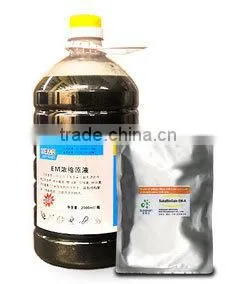
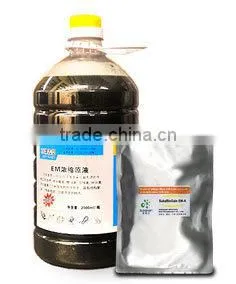
SUKABio-Gain EM/special for Aquaculture






Related Products
-
 SUKABio-Gain EM/Aq EM Special for AquacultureUS$ 2 - 8.7MOQ: 200 Kilograms
 -
EM Bacteria Liquid With Photosynthetic Bacteria for Fish Pond TreatmentNegotiableMOQ: 500 Kilograms
-
EM Bacteria(bacillus Subtilis, Photosynthetic Bacteria) for Pond Water TreatmentNegotiableMOQ: 500 Kilograms
-
EM Bacteria for Aquaculture and Other Seafood FarmingNegotiableMOQ: 500 Kilograms
-
Factory Supply EM Bacteria for Pond Water TreatmentNegotiableMOQ: 500 Kilograms
SUKABio-Gain EM/Aq
EM special for Aquaculture
SUKABio-Gain EM/Aq is a microbial-based product containing a concentrated blend of non-pathogenic beneficial organisms that co-exist as a microbial consortium (mixture of more than one type of microbe) which exist in a synergistic and metabiotic (each organism creates a favorable condition for the growth of the other) relationship. The product contains lactic acid bacteria (ex. Lactobacillus plantarum, L. casei), photosynthetic bacteria (ex. Rhodopseudomonas palustris, Rhodobacter sphaeroides), yeast (ex. Saccharomyces cerevisiae) and other beneficial microorganisms that are found locally.
The SUKABio-Gain EM/Aq ‘concentrated solution’ is a special and unique microbial inoculant culture which can be used in a number of different fields and areas of human endeavors, particularly in the fields of sustainable agriculture and farm waste management, aquaculture and wastewater remediation. The use of SUKABio-Gain EM/Aq in aquaculture aims to utilize the probiotic, antimicrobial and composting capabilities of the organisms contained in the product to maintain a clean water system and increased target culture population and mass.
TARGET MECHANISM
1. The beneficial organisms create several environmental factors during application (particularly in the active microbial liquid broth produced by anaerobic fermentation) which tend to discourage the presence and/or growth of many harmful or "undesirable" species of microorganisms.
2. The best opportunity for increasing the biomass production of target culture (shrimp, fish, crabs), microorganisms and aquatic plants is to utilize the visible light, which cannot be used by chloroplasts of plants. In the presence of organic matter, photosynthetic bacteria in the product and algae in the environment can utilize wavelengths ranging from 700-1200 nm. The increase in the population of photosynthetic bacteria provides equal benefit to aquatic life in the water system ranging from the production of metabolic by-products, increased biomass population of plankton and algae, production of anti-pathogenic substances and control of the population of potentially pathogenic organisms.
3. Fermenting microbes in the product breakdown organic matter, thereby releasing complex compounds such amino acids for utilization by plants. This enhances the efficiency of organic matter utilization during culturing.
4. The product contains probiotic bacteria which can generally improve the water quality of aquaculture systems and/or inhibit the pathogens in water there by increasing production of the target culture (shrimp, crabs, fish etc.).
TARGET BEBEFITS IN AQUACULTURE
¨ Restrain the overgrowth of algae to keep the water clear and clean.
¨ Degrade organic substance in the pond bottom.
¨ Utilize ammonia nitrogen, nitrite and hydrogen sulfide to eliminate all kinds of odor in the sludge, while reducing the sludge amount.
¨ Application can be mixed with feed in order to increase the appetite of fish, shrimp and crab.
¨ Control the water pollution by reducing the excretion of fish, shrimp and crab.
BENEFICIAL MICROOGANISMS FOR AQUACULTURE
¨ The beneficial organisms create several environmental factors during application that discourage the presence and/or growth of many harmful or "undesirable" species of microorganisms such as the production of large quantities of lactic acid and smaller amounts of other organic acids with anti-oxidant and anti-microbial effect.
¨ Photosynthetic bacteria in the product and algae in the environment can utilize visible light from the sun thereby increasing in population.
¨ The increase in the population of photosynthetic bacteria provides equal benefit to aquatic life in the water system ranging from the production of metabolic by-products, increased biomass population of plankton and algae, production of anti-pathogenic substances and control of the population of potentially pathogenic organisms.
¨ Fermenting microbes in the product breakdown organic matter, thereby releasing complex compounds such amino acids for utilization by plants. This enhances the efficiency of organic matter utilization during culturing.
¨ The product contains probiotic bacteria which can improve the water quality of aquaculture systems and/or inhibit the pathogens in water there by increasing production of the target culture (shrimp, crabs, fish etc.).
INSTRUCTIONS
Bacterial Count: 5 billion/ml
Appearance:
Liquid: Light brown colored liquid
Powder: Cream to light brown, free flowing powder
Odor: Slight fermentation odor
Effective pH range: 6.5 - 8.0
PACKAGING
Alternative packaging is available upon request for smaller or larger volumes.
TECHNICAL SERVICE
Shandong Sukahan Bio-technology Co., Ltd. is always ready to provide help for using our product properly.

Send Inquiry to This Supplier

You May Also Like
-
BiochemicalNegotiableMOQ: 2700 Barrels
-
Swimming Pool Water Treatment Chemical Disinfectant Granular 50kg White US Type Pail 18 mt Into 1X20\'FCLUS$ 1300 - 1999MOQ: 5 Tons
-
Ammonia Nitrogen Degrading BacteriaUS$ 8 - 12MOQ: 20 Kilograms
-
Paclitaxel Extraction ResinNegotiableMOQ: 1 Bag
-
High Quality 100u/g Transglutaminase Powder Food Grade TG Enzyme for Protein Cross-Linking in Meat Direct From FactoryUS$ 29.39 - 35.39MOQ: 1 Kilogram
-
Egg Poultry ProbioticsNegotiableMOQ: 1 Kilogram
-
15 Inch J1900 Core I3/I5/I7 Capacitive Panel PCUS$ 1 - 100MOQ: 1 Pound
-
PeptoneUS$ 4.5 - 10MOQ: 1 Kilogram
-
Corn Steep Liquor Powder as Organic Nitrogen Source for FermentationNegotiableMOQ: 0 Ton
-
Neodymium MagnetsUS$ 10 - 300MOQ: 100 Bags