Medical Tape Insights & Buyer's Guide
Medical tape is a simple yet vital hospital and everyday wound-care supply. In the case of sensitive skin, it becomes essential to pick the correct tape type. The fundamental difference is that, with the number of choices to choose from and methods to observe in its correct application, comfort and healing are at stake. In this guide, we delve deeply into the various types of medical tape, their applications, and how to avoid irritation for sensitive skin. Be it is the caregiver, health professional, or ordinary injuries being dealt with from home, this article will surely assist in making some informed decisions about an often-forgotten wound care packaging requirement.
Introduction to Medical Tape
What is Medical Tape?
Medical tapes are adhesivoplastic, multifarious, and diverse instruments intended to firmly secure wound dressings, bandages, or even a medical apparatus in cases of wound care. Medical tape works by securing dressings and facilitating the application of pressure to assist in healing. Several types of medical tapes exist, each for a particular use and various skin types. These include those tapes that adhere strongly and paper tapes that breathe for delicate skin, fulfilling a wide array of medical needs. Hypoallergenic varieties of medical tape were developed to increase usage by providing a solution for the patient with an allergy or sensitivity that minimizes irritation and allergic reactions. A clear understanding of the characteristics of each type of tape is therefore essential for healthcare professionals in maximizing patient care and comfort.
Importance of Medical Tape in Healthcare
Medical tape is vital in the provision of health care. It ensures the placement of wound dressings for protection against infections and accurements to heal in due time. Medical tape, like soft cloth surgical tape or silicone tape, is designed to attain the stabilization of a long healing wound or a more temporary wound dressing: the surgical tape finally takes charge of closing an incision and holds healing tissue in place. Waterproof medical tape has further arisen, protecting wounds in environments where moisture would otherwise cause discomfort and interfere with healing. Additionally, tape for sensitive skin is suitable for use on more fragile and delicate skin because of its gentle adhesion, which reduces the risk of skin damage. Therefore, routine and complicated medical procedures rely on medical tape to stand between the patient and the achievement of their very good and safe results.
What Kind of Medical Tape Is the Most Used?
Medical tape, or adhesive tape, is the most commonly used tape. It is preferred because it is the most versatile and effective tape for securing dressings and gauze and, if needed, other medical devices to the skin. Surgical tape has its most important combination for an array of medical conditions: it has hypoallergenic adhesives, it breathes, and it comes in numerous sizes. Owing to increased awareness towards the comfort of patients and specific healthcare needs, waterproof and sensitive skin tapes have shown a great sign in searches as well.
Types of Medical Tape
Adhesive Tape
A fairly common, considered an elemental product of medicine, known for its strong bonding capability, is adhesive tape. Its adhesion is used to seal dressings over wounds and medical devices so that they remain securely in place. The tape has a versatile nature, and for this very reason, it has become a candidate to be accepted in every type of medical establishment, whether it is a hospital or home-based care. Its strong adhesion is ideal for those situations in which support is needed, especially the stabilization of bandages and gauze. But the skin type of a patient should be considered while selecting any adhesive tape because prolonged usage on sensitive skin will lead to irritation. Therefore, hypoallergenic or silicone tape would be considered for people with sensitive skin to maximize adhesion and minimize irritation.
Paper Tape
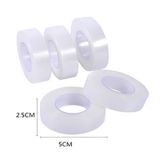
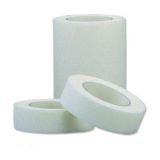
Paper tape, commonly called surgical paper tape or micropore paper tape, is famous for being breathable and kind to the skin. This type of medical tape is suitable for patients who have sensitive or tender skin because it prevents any sort of irritation. After surgery, paper tape is used to cover dressings from one of the highest usages for surgical applications, while it is preferred for the ease of removal and is least likely to cause trauma when changing dressings. These tapes allow air circulation, which is conducive to wound healing. Also, paper tape offers an economical alternative to caregivers to retain dressings without compromising the patient. Due to its incompatibility with sensitive skin, it is an integral part of acute care and long-term wound care strategies.
Soft Cloth Surgical Tape
Soft cloth surgical tape is a medical tape that maintains flexibility while providing gentle adhesion to a number of medical applications. This tape is found securing surgical dressings and medical devices for support and is equally accommodating to natural body movements. Its soft materials are kind to the skin, preventing depression with long-term use, which is very important for patients with sensitive skin. Cloth tape wound care has many uses. It is versatile and adaptable in medical treatments and very appropriate for use on the body parts that require flexibility, such as joints or areas prone to movement.
Waterproof Tape
Waterproof tape has been designed with a view to ensuring adhesion even in wet conditions and has thus become an indispensable tool in medical as well as day-to-day applications. This kind of tape would find its applications in situations wherein the intended subject is unable to avoid getting wet in the showers or humid conditions. Waterproof medical adhesive tapes will make sure water cannot seep between the bandage and the weakened skin or between the adhesive tape and the medical devices, thus securing a very good waterproof sealing for the said wound and hence reducing the threat of a waterborne infection. Those with hypersensitive skin may opt for waterproof tapes that are hypoallergenic, almost equally effective as their moisture-resistant variations. This carefree combination makes the waterproof tape a cornerstone in keeping the wound covered.
Medical Paper Tape
Medical paper tape, commonly known as micropore tape-is a skin-friendly design of tape suitable for patients who have sensitive or delicate skin. It is used many times in surgical and postoperative applications to hold dressings and bandages because it has gentle adhesion and is easy to remove. Medical paper tape is permeable to air, making it beneficial to the wound by discouraging excessive moisture, which contributes to a healthy environment conducive to healing. Its hypoallergenic nature makes it an excellent choice for persons with skin allergies. On top of that, it can be used for all kinds of medical applications-from securing gauze to supporting wound dressings-putting it on the list of essentials for both acute and long-term care situations.
Uses of Medical Tape
Wound Care and Dressing
Medical tape is often used in wound care and dressing to make sure wound dressings stay put for the best healing to occur. Various medical tapes are selected, whether adhesive or paper tapes, depending on the needs of the wound and, of course, the skin type of the patient. For instance, adhesive tape is generally used for its strong bonding capacity; it holds gauze and bandage tape very firmly over a wound while preventing dirt and dust from entering and causing infection. Medical paper tape, on the other hand, like surgical paper tape and micropore paper tape, is another matter, for with its very light adhesion, it is good to use on delicate or sensitive skin since it allows the skin to breathe with minimal irritation and promotes a healing environment. Therefore, when it comes to effective wound care, there is a very fine line in selecting the right tape that ensures protection but also comfort for the patient.
Securing Medical Devices
A further application of medical tape is the key function of securing medical devices. In healthcare settings, medical devices must be firmly held to ensure proper functioning, such as catheters, intravenous lines, and monitoring equipment, and this is precisely where medical adhesive tape is exceedingly useful. Soft cloth surgical tape and silicone tape are some of the medical adhesives that are selected according to the device site and skin condition of the patient. Soft cloth surgical tape allows for flexibility and soft adhesion where motion is required. Silicone tape, on the other hand, offers gentle adhesion for sensitive skin, protecting skin integrity during device removal. Proper tape application improves treatment and monitoring by advancing the security of medical devices without compromising patient comfort.
First Aid Applications
In a first aid setting, medical tape is necessary for the quick treatment of injuries and emergencies. Due to its versatility, it should be included in every first aid kit to secure dressings, stabilize injuries, and support sprains or strains. First aid tape is adhesive tape capable of adhering well under a variety of conditions. Waterproof medical tape is particularly useful when outdoors or in aquatic environments where moisture would otherwise interfere with wound protection. Hypoallergenic medical tape is a good alternative for those with sensitive skin or allergic reactions to more common tapes and keeps wounds or bandages covered without irritation. The adaptive nature of different types of medical tape in first aid further highlights its importance in emergency care and management of injuries.
Sports Injuries and Support
Medical tape is used in the treatment and support of sports injuries to provide stabilization and protection. Athletes' and participants' tape is commonly used to attach pads, stabilize joints, and support muscles throughout activity. Types of medical adhesive tape, such as cloth, are preferred because they are flexible and strong enough to allow for natural movement without further injury. Waterproof tape is ideal for athletes whose training or competitive conditions are wet, so that bandages and supports remain in place. Hypoallergenic tape would cause the least irritation, considering the condition of the athlete's skin; still, it is the best in support with good adhesion. Properly placed medical tape in sports increases performance and recovery, allowing athletes to continue with their activities safely and in comfort.
Frequently Asked Questions (FAQs)
What are the different types of medical tape?
The word can be viewed to include surgical tapes, waterproof tape, and paper medical tape. Most hospitals use surgical paper tape because of its strong adhesive and its capacity to be used for securing dressings. Hypoallergenic paper, surgical tape, and silicone tape are the best options to minimize any irritation on a patient's sensitive skin. Cloth medical tape is also commonly used for wound care, securing gauze, and dressings. Different medical tapes are designed for different medical purposes, so they're able to meet the needs of various medical applications.
How does medical tape stick to the skin?
Medical tape is prepared to stick to the skin with special adhesion so that the fit is secured, but the skin does not get irritated at any cost. Many types of tape are made specifically for sensitive skin and are even breathable; the 3M™ Micropore™ surgical tape is a great example. The adhesive is so gentle that it can be used on patients with fragile skin or where long-term application is necessary. To ensure better use of adhesive properties, one must ensure that their skin is clean and dry before applying medical tape. Such a feature makes medical tape reincarnated as the most reliable choice for wound dressing and securing medical devices.
Can medical tape be applied to moist skin?
Generally, medical tapes are not applied to wet skin because water weakens the adhesive property, rendering it less efficient. Waterproof tape, however, is a worthy candidate to adhere against moisture, making it a well-considered choice in situations where moist skin needs to be taped. For the others that belong to the rank-and-file types of tape, always observe that the area is dry before taping-it'll give you better adhesion and avoid irritation. When medical tape is applied to damp skin, there can be a light residue left on the skin when it is removed, which can cause discomfort. Choosing the appropriate tape creates an excellent environment for wound care.
What is the best way of removing medical tape?
The care given in removing medical tape is to avoid damage to the patient's skin as much as possible and to prevent causing the slightest discomfort. The best method used for the peeling process involves a gentle pull of the tape backwards on itself instead of an upward pull straight away, which may irritate the skin or cause injury to the patient. For sensitive skin, removal is made easier and less painful if using a tape designed for sensitivity, such as hypoallergenic paper surgical tape. After you have removed the residue, clean gently with gloved hands and an adhesive remover. Always consider using soft cloth surgical tape for patients who may require repeated dressing changes, as it is quite easy to remove.
How should one shop for medical tape?
Medical tape can be bought online or at physical stores selling medical supplies. While looking for tape, quality and features must also be considered. Other questions to ask oneself include what applications are needed, such as tape for skin, elastic tape, and waterproof tape. It is essential to consider the right type of tape that best fits your intended medical purpose, especially if you consider tape protection for sensitive skin. There are many detailed descriptions of medical tapes and adhesives provided by online retailers, which makes it far easier to find the best medical tape for your particular needs. Make sure that you read medical tape reviews and compare the features of each product that you are thinking of receiving.