Lock Switch Insights & Buyer's Guide
A Lock Switch is an enhanced version of the switch, which adds protection to the circuit, avoids the chances of inappropriate use, and ensures effective management of application areas. It is built in a door system, maybe in the form of a switch, internally operated or industrialized device, and such other situations where a lock switch provides the option of using a key, key lock cylinder, or a rotary mechanism. Examples include single pole with self-grounding, single pole heavy-duty designer, single pole industrial key lock switch, and the like. 15a to 20 amp rating is common, up to 20a electrical power, which is the norm in the design of the equipment due to safety, protection, and securing positions. In this article, the use of these switches is discussed in terms of how they work, how and where they are used in the system.
What is a Lock Switch?
Lock Switch Functions: Basic Concepts
An on-off or multipart switch, which is interchangeably called a lock switch, is a kind of switch, the operation of which is restrained without the use of a key or a lock. In practice, the operator inserts a key in a keyhole, then turns that key to turn a switch at an angle, a digital or a mechanical knob, or a lever with pre-set angles. It, therefore, turns on or off the current in a cable or a system area. Such precaution addresses unintentional turning on of electrical units; allows only trained and authorized persons to operate critical units and devices, restricting other access. Solutions manage excessive usage in the form of wear and tear for industrial use, as the heavy and extra heavy duty types are most frequently used, albeit heavy duty in particular, and wall units aid with lighting and doors. Grades of robustness are presented for many products, complying with the safety constraints of the grounding rules, and 15a and 20 amps are included.
The Internal Working of Lock Switches
Lock switches are devices with lockable mechanisms that connect the internal switching elements that can make or break an electrical circuit. Therefore, the state of the mechanism cannot be altered or the circuit cannot be made without authorized access. The corresponding keys rotate, activating a cam or rotary operator, which in turn activates the contact set, thereby closing the open circuit or toggling between the different positions. When one pole is in play, the pole is involved while switching; otherwise, multiple combinations could be switched at the same time, such as in multiple-position rotary switches. Industrial versions tend to employ reinforced springs, robust lock components, namely zps, and added thickness to the outer shell, for vibration resistance, and in certain applications for low-level switches. Withstood voltage ratings 1000v and 1,500v AC and 20A load, only the stated parameters and devices can be used. Therefore, your’ free connections' reduce bending moments on the connections while lowering conductive noise levels produced by the switches, where practitioners and consumers alike must be careful.
Lock Switch and Its Uses in Different Applications
Lock Switch is, however, significantly related to the systems in which it is incorporated. For instance, in the manufacture of equipment, one may find a lockable switch or a rotary selector to remove power to the machine when servicing is done so that accidental startups do not occur. In construction works, systems may employ wall switches fitted with locks to control power to lights or access-controlled doors such that only trained personnel can energize the systems. In the case of equipment panels, they act as interlocks with controls to hold back an engagement in one direction, though key locks have been provided in some cases. Industrial power products include, among others, 20A extra heavy-duty products, whereas general use, 15A products are available. It is possible to find models that come with two keys, chrome-plated, and self-grounding, which helps ensure compliance, reliability, security, and quiet operation, especially for the shop floor and office environments.
Types of Lock Switches
Lock Switch Operated by A Key
A key lock cylinder prevents unauthorized users from changing the position of the key-operated lock switches. Using a key and a jig for the turning of its lock results in the internal parts doing something such as connecting or disconnecting a live wire in a device, or the device itself for control purposes, making these types of switches applicable for panel’s work, access, or light control purposes. These products are available in variations with 2 keys, single-pole configurations, and electrical specifications that cater for an AC load of between 15 Amperes to approximately 20 Amperes. The heavy-duty and industrial-rated options have durable enclosures, chrome retaining rings, self self-grounding class for increased safety and long life in working areas. With accidental operation eliminated and unauthorized access removed, the risks are minimal in such applications where there are high security needs, high precision, and high endurance.
Push Button Lock Switch
Press Lock Switch is common; however, the cropped button helps in maintaining the actuation of the switch such that it does not inadvertently turn off and hence, inhibits an unwanted off or on state. When a button is pressed, the push button latches in, a key or a lock collar disengages the latch, locking the action safe for curtain control, drills, and even wall or panel-controlled machines. Designers, other than specifying whether compliance is desired, often note 15a or 20 amperes of AC compatible single pole switching that is necessary, and most device operations and construction works are carried out these days. Industrial and extra heavy-duty categories have self-ground-out capabilities and sturdy construction materials for toughening this heavy work. Many chrome finished, quiet working yet, state-of-the-art items, that reduce danger, easy use, and restrict access are introduced in the market at very low cost.
Push-On/Push-Off Lock Switch
Lock Switch panels provide advanced control of switching functions, while at the same time ensuring security, since the mechanism involved is digital. Usually, such devices will only work when the authorized person enters a code, key, or an electronic one, and once permission is granted, it activates the relay or a solid-state device enables switching of the circuit or conducting the current or power in the desired mode. Appropriate for door applications, performance lighting, and. many aspects of industrial automation, tamper-proof electronic solutions can incorporate operational logging of devices for audit purposes. Up to 20a AC single-pole outputs, same self-ground, decorative pewter, and sealed faceplates are available for these products. Features include lockout timers, remote enabling capability, or integration with a control system within a building. Through efficient and reliable security management, they are able to continue to exert checks and balances even in the very harsh environment of scalable applications, where heavy-duty operations are performed.
Applications of Lock Switches
Lock Switches in the Automotive Industry
In terms of the automotive industry, the locking switch is well known for controlling ignition interlocks, service modes, and powering crucial devices. A circuit can be interrupted with a key-operated rotary or toggle switch during servicing to prevent the starting of the vehicle, while a specific circuit, such as auxiliary lights or emergency beacons, can be activated with one switch or one pole. Manufacturers supply products of heavy-duty or extra-heavy-duty rating with self-grounding and chrome or sealed covers to combat vibration with dust and extreme temperatures. At 15a–20a AC-equivalent ratings for bench-testing equipment and vehicles that have a DC load, it provides control of the system during the diagnostic mode with a safe and convenient on-switch. Authorized users are provided with two keys for these switches in order to inhibit the removal of certain safety features. The switches used here are also indexed to the respective safety members in order to prevent unnecessary side removal on the service panel frame.
Lock Switches in Build
Without a lock switch, accidental restarting of the equipment during fixing wasn't controlled, and powered machines have been a hazard at the factories. Industrial rotary or toggle switches with key lock help ensure that only those trained on the device can power up and avoid accidental power up during the setup or maintenance period. These types of toggle switches have chrome bezels, are ACP quiet, self-grounded, and have automotive types of extra duty - equipped with vibration and noise elimination inside. For both single and multi-circuit break capacity, engineers may choose designs that handle either 15 amperes or 20 amperes, both of which have controls on the side of the facilitating enclosure so that one can work on it safely. Such an order, while assuring orientation limits unwanted use of such product designs, safeguards better consistency across lines & current as well as conducting requirements.
Lock Switch Security For Household
When it comes to home safety and secured residential facilities, one of the gadgets that offer access control to the lighting system, door locks, and external power connection is a lock switch. To keep children from using the power tools in the garage or power outlets located outside the house, wall boxes can be used to install a key-locking toggle switch. Instead, it is possible to use a rotary switch where working away from home, utilizing the building at night, or working during the maintenance shifts would suffice. Managers of the facilities mentioned, as well as homeowners, commonly use single-pole L/S models, which come in 15a and 20a versions, which are grounded and able to operate quietly in houses in accordance with the codes. Many products carry two keys for internal locking and chrome scalable panels for durability and elegance. In order not to remove the ease of use and the arrangement implementing the conventional practices of lighting control, these switches provide protection to the exposed circuits by locking their switches in place.
Employment of Lock Switch within Electronics
Lock Switch ensures that the test and power modes are managed precisely by the right people and not by unauthorized personnel in the landscapes of electronics and instrumentation. Key-activated or rotary toggle switches are used instead to restrict the device all, only to avoid a situation where it is possible to tamper with the device by accident when taking some measurements. Designers make a choice of simple compact single-pole switches, which are lock switches for 15a or up to 20a bench AC power interfaces, conveniently self-grounded and chrome-faced or sealed, preventing use whether inside bench or equipment panels where they exist. The secure posture of the product aids the consistency in operation, while the locking feature, which is present on the side of the enclosures, protects the critical elements. An integrator prefers quiet switch characteristics where less electrical noise is coupled, heavy-duty switches are considered peace as they can withstand more cycles in the length centers, which are usually dealing with sensitive and high components.
Maintenance and Troubleshooting
Cleaning and Checking for Wear and Tear
Begin by de-energizing the circuit and isolating power before any cleaning of the lock switch. Remove surface dust from the wall plate or side-mounted housing, then clean chrome surfaces and the key lock cylinder with a non-residue electrical cleaner to prevent gum formation.
Next, carry out these checks and maintenance steps:
Inspect the toggle or rotary actuator for play, confirming the switch returns precisely to each position and that the AC quiet switch mechanisms remain smooth.
Check terminal screws for proper tension, verifying that each wire is undamaged and that self-grounding paths are intact.
Evaluate contact wear in heavy-duty or extra-heavy-duty grade products, looking for heat discoloration from 15A or 20A loads.
Replace worn gaskets, faded legends, and compromised keyways to maintain security and reliable operation.
Identifying Common Operational Issues
When troubleshooting these controls, consider the following common issues and corrective actions:
Intermittent control: Often caused by loose terminals or an undersized wire on a single-pole connection carrying a 20-amp load; re-terminate and confirm torque to prevent overheating.
Hard turning key: A stiff key lock may indicate debris in the cylinder; clean and lightly lubricate with a lock-safe product to restore smooth access without attracting dust.
Toggle failing to latch or rotary drift: If a rotary selector drifts from position, internal detents may be worn, requiring product replacement with an industrial-grade or extra heavy-duty option.
Buzzing or arcing noises indicate contact erosion and should be addressed promptly.
Additional checks: Verify self-grounding continuity, wall box alignment, and door or panel clearances that might impede operation.
Best Practices for Long-Term Performance
To maintain long-term performance, select and install switches that suit their application, verify electrical compatibility, and uphold security and maintenance practices. Key steps include:
Match the switch grade to the environment: use industrial or extra heavy-duty for shop floors, and quiet switch designs for offices and lighting.
Ensure ratings align with power demands by choosing 15a or 20a models appropriate for the connected device and verifying compatibility with the wire gauge.
Install on the wall or side panel with secure mounting and proper self-grounding, and protect the chrome exterior from corrosive agents.
Control key access with documented policies to preserve security and prevent unauthorized operation.
Schedule periodic function tests of the toggle and rotary actions, recheck terminal torque, and confirm that the key lock holds the secure position under vibration.
Replace worn components proactively to prevent accidental outages.
Frequently Asked Questions (FAQs)
How does a lock switch key lock improve door security?
Lock Switch with key lock built into it offers physical protection that restricts unauthorized switching and strengthens the door with other door security features. Such doors are mostly used out in the doorways of business premises and sometimes have attachable electronic management systems for controlling the doors from off-site.
What is the difference between a toggle switch and a lock switch?
Lock Switch, on the other hand, is a toggle switch with an extension of a locking system that restrains wrongful or unlawful engagement. Heavy-duty and extra-heavy-duty rated lock toggle structures are readily collecting excess wear or damage bashing which would cope in a harsh work area.
Can a lock switch control power to 20-amp circuits?
Yes, some specifically designed lock switches are rated 20 amperes or 20a rating, which should complement the circuit rating for safety and compliance with codes. Consider the load before selecting either a single-pole or multi-pole device, and seek an electrician before embarking on electrical connections.
How do I maintain a heavy-duty lock switch for industrial use?
Carrying out inspections on a regular basis, ensuring the system is kept clean and lubricated, will result in a longer life span of the Lock Switch mechanism under industrial conditions. Also, the self-grounding and mounting hardware should be regularly checked and tested to operate effectively.
Is a rotary lock switch better for controlling high-current loads?
The use of Lock Switch in the systems may require on-off or selective and rotary switches, especially in systems where there is a current of 15A and 20A, and where they need an exact selection is needed. They are also available in chrome texture, which is strong and used in electric switchboards.
How do I wire a lock switch for wall-mounted access control?
Wiring for a Lock Switch mandates adherence to the manufacturer’s diagram and connection of the right color-coded wires to the switch terminals, ensuring effective grounding and sizing of the breaker properly. If the switch is then to be mounted on the wall, check the grade of the switch and make sure that self-grounding is attached to the building ground.
What options exist for a lock switch with 2 keys and enhanced security?
Lock Switch that comes with 2 key facilities comes with one key for regular use, while the spare key is given to the managers or kept in case of an emergency, hence bypassing security risks. Prefer those that have cylinders that resist tampering and think of ways of locking them or installing such in electrical access systems for purposes of audit.
Are there Chrome or AC quiet switch styles available for sensitive environments?
Lock Switch in chrome finishes, along with Quiet AC switches, for equipment or devices that are prone to electrical noise, are available. These are more preferable for areas that require control of emissions caused by radio frequency interference and should still look good.









 Contact Platform Support
 Help Center
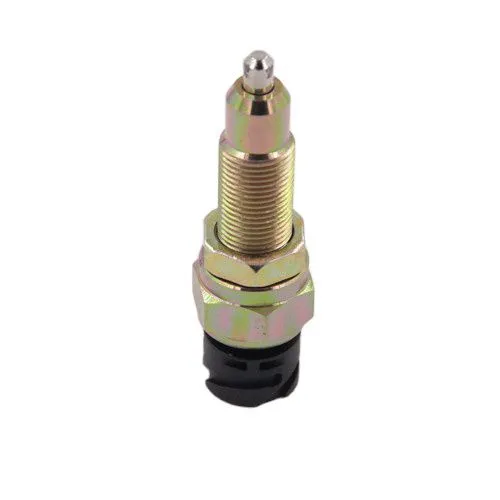 Truck Differential Lock Switch For Volvo 3197873NegotiableMOQ: 1HS Electrical Technology Co,LTD
 4 Yrs
4 Yrs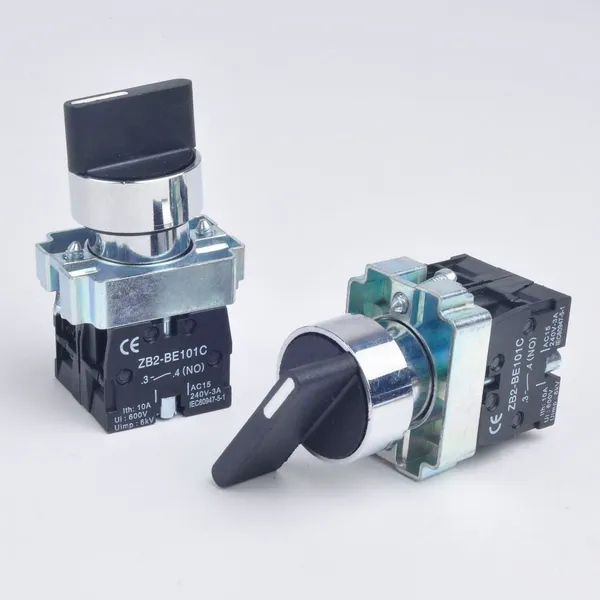 Self Locking Selector Knob Switch With IP65 Protection and 50,000 Cycle LifeUS$ 0.35MOQ: 100 UnitsApplication: Other, Industrial machineryMaterial: Zinc alloy + PlasticDimensions: Customizable (Standard 30mm)Color: Black (Optional colors available)Jinhua Dika Electrical Equipment Co., Ltd.
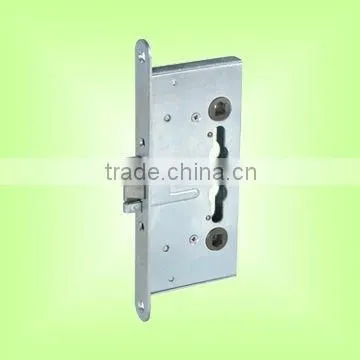 Security Door Lock SwitchNegotiableMOQ: 2000 PiecesPlace of Origin: Shanghai, ChinaBrand Name: ANBO,DIDAModel Number: 9810Shanghai Anbo-Bona Security Technology Co., Ltd.
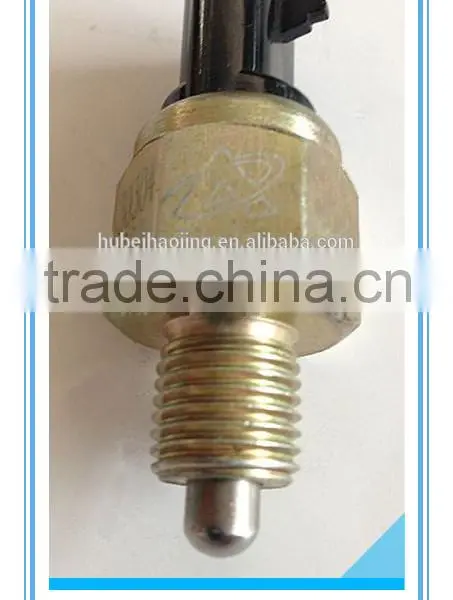 Axle Differential Lock SwitchUS$ 1 - 10MOQ: 10 PiecesSize: STDPlace of Origin: Hubei, ChinaBrand Name: DONGFENGModel Number: 2411021-ZWOIHubei Haojing International Trade Co., Ltd.
 High Security Tubular Small Push Lock SwitchUS$ 0.12 - 6.97MOQ: 500 PiecesPlace of Origin: Guangdong, ChinaBrand Name: SINWEModel Number: 6200Shenzhen Sinwe Technology Co., Ltd.
 Zigbee Touch Screen Fingerprint Door Lock SwitchUS$ 60 - 200MOQ: 1 PieceBrand Name: TYTModel Number: TDZ4488MUse: UniversalPlace of Origin: Tianjin, ChinaTianjin Taiyito Technology Co., Ltd.
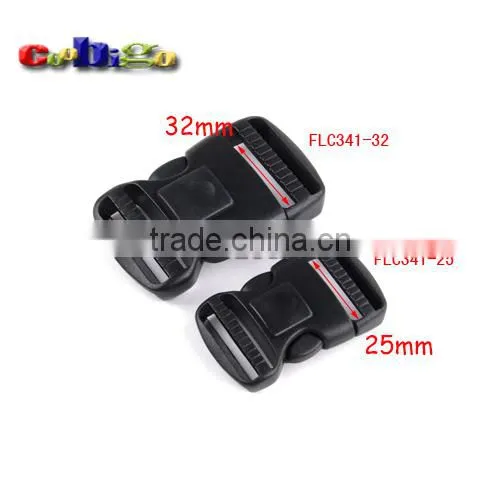 Plastic Self-locking Switch Buckle For Tactical Backpack Straps Camping Bags #FLC341-25/32US$ 0.0443 - 0.3166MOQ: 50 PiecesType: BuckleMaterial: PlasticPlace of Origin: Guangdong, ChinaBrand Name: CooBigoGuangzhou Guangheng E-Commerce Co., Ltd.
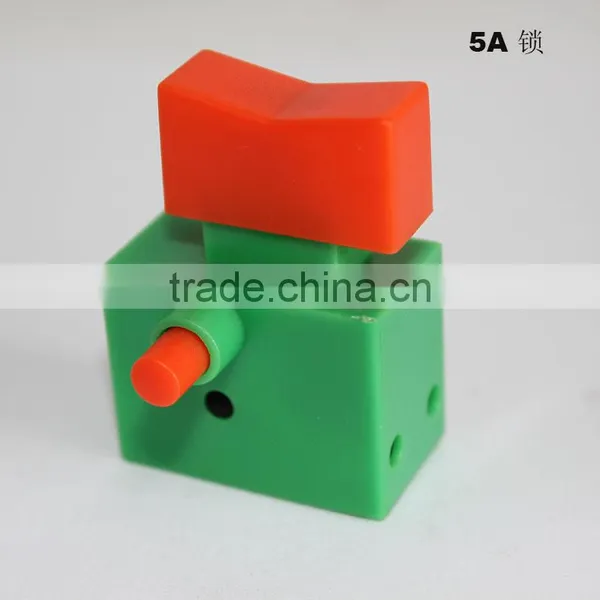 5A Lock Switch With LockUS$ 1 - 1.5MOQ: 100 PiecesPlace of Origin: Zhejiang, ChinaModel Number: 5AYongkang Greenpower Trading Co., Ltd.
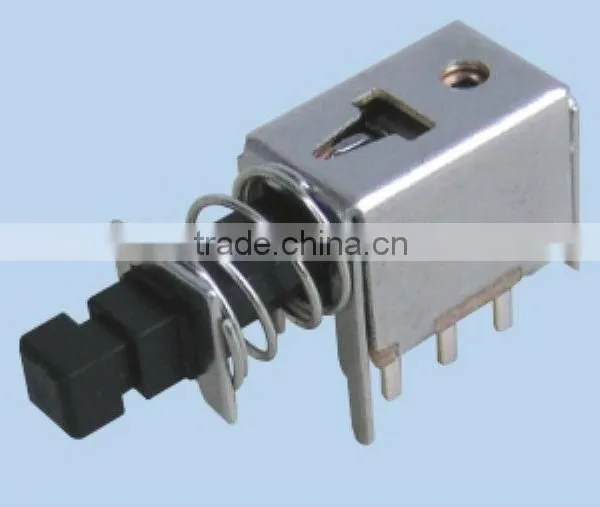 Self-locking SwitchNegotiableMOQ: 5000 PiecesPlace of Origin: Zhejiang, ChinaBrand Name: WANSHFAModel Number: PS-22F08LYueqing Wanshfa Electronics Co., Ltd.
 Lock Switch High Voltage Changeover SwitchUS$ 12.86 - 15.18MOQ: 5 PiecesPlace of Origin: Zhejiang, ChinaBrand Name: LeyuModel Number: LW26GS-160 changeover switchMax. Current: 160AYueqing Leyu Electric Automation Co., Ltd.
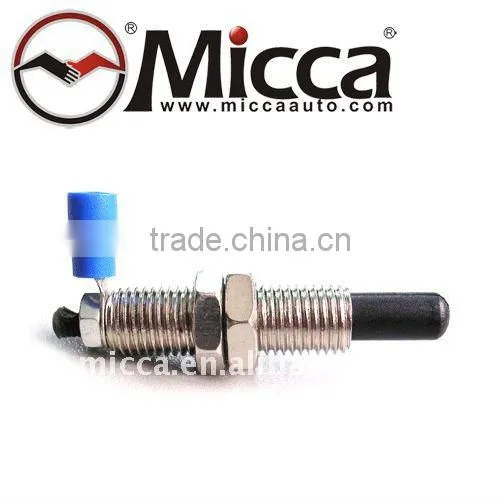 Pin Switch, Car Alarm Switch, Door Lock SwitchUS$ 0.1 - 1MOQ: 1000 PiecesCertification: ISO9001Voltage: DC 12VMaterial: Copper & PlasticPlace of Origin: ChinaZhongshan Micca Auto Electronics Co., Ltd.
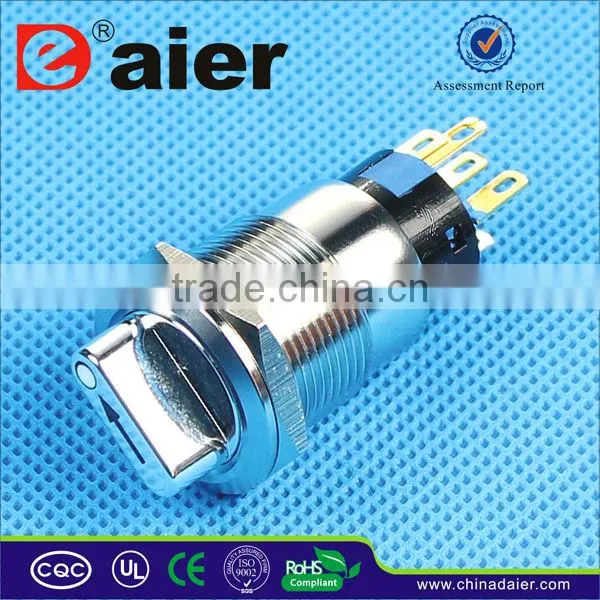 19mm Push Lock SwitchUS$ 2.5 - 4MOQ: 50 PiecesPlace of Origin: Zhejiang, ChinaBrand Name: DAIERModel Number: LAS1-19-11ZX2Protection Level: IP67Yueqing Daier Electron Co., Ltd.
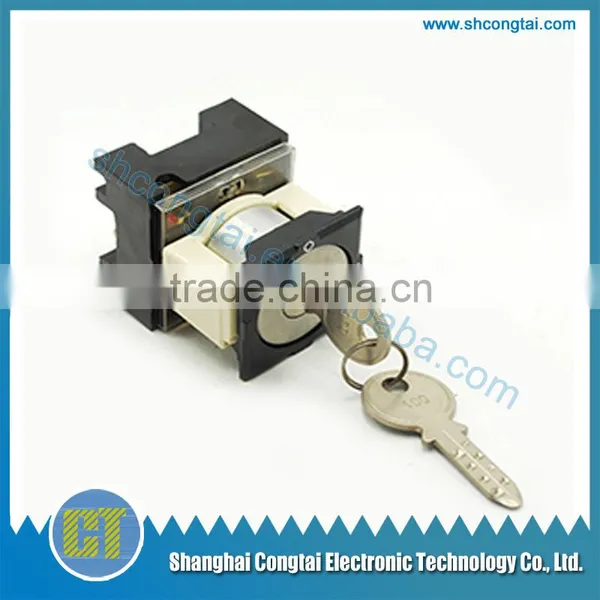 Elevator Lock Switch 300.400.500.600US$ 1 - 20MOQ: 1 PiecePlace of Origin: Shanghai, ChinaBrand Name: CONGTAIModel Number: 300.400.500.600Shanghai CongTai Electronic Technology Co., Ltd.
 16mm Key Lock SwitchUS$ 1 - 2.5MOQ: 100 PiecesPlace of Origin: Zhejiang, ChinaBrand Name: GQELEModel Number: LA115-C-11YAProtection Level: IP55Zhejiang Gaoqiao Electronic Co., Ltd.
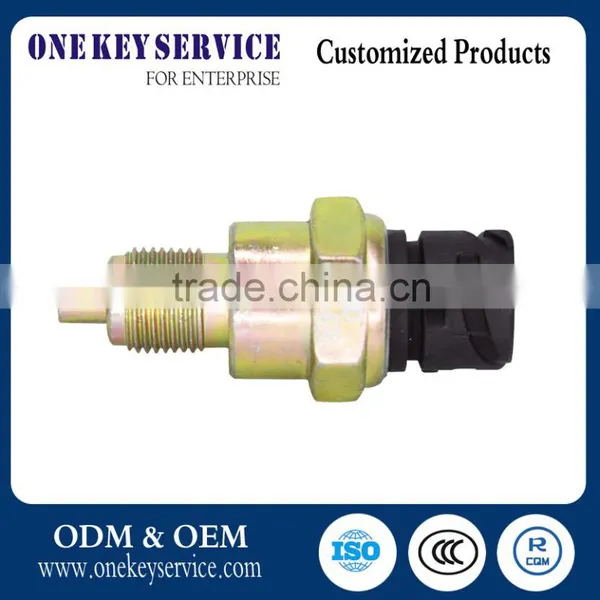 Automotive Differential Lock SwitchUS$ 1 - 100MOQ: 100 PiecesType: Other, differential lock switchSize: OEM STANDARDPlace of Origin: Hubei, ChinaBrand Name: DONGFENGHubei Yijiantong Enterprises Service Co., Ltd.
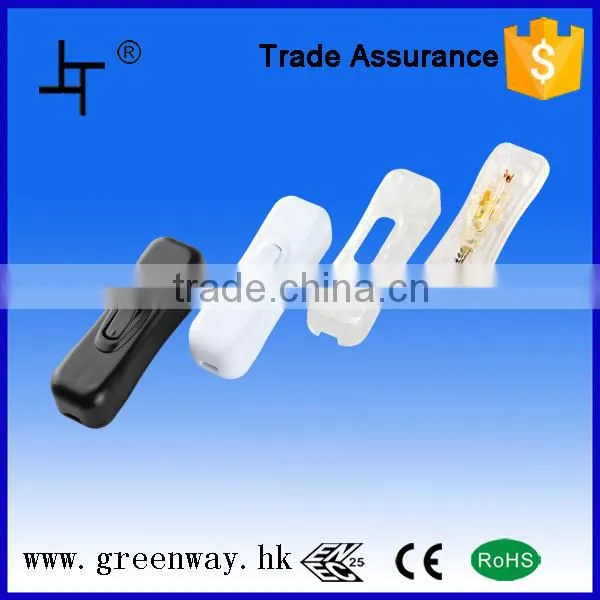 Greenway Line Lock SwitchUS$ 0.1 - 0.2MOQ: 1000 PiecesPlace of Origin: Guangdong, ChinaBrand Name: greenwayModel Number: 727Protection Level: 94V-2Greenway (Shenzhen) Electronics Co., Ltd.
 Elevator Lock Switch SK-AUS$ 1 - 100MOQ: 1 PiecePlace of Origin: Jiangsu, ChinaBrand Name: Elevator Lock SwitchModel Number: SK-ASuzhou Threemicro Household Products Co., Ltd.
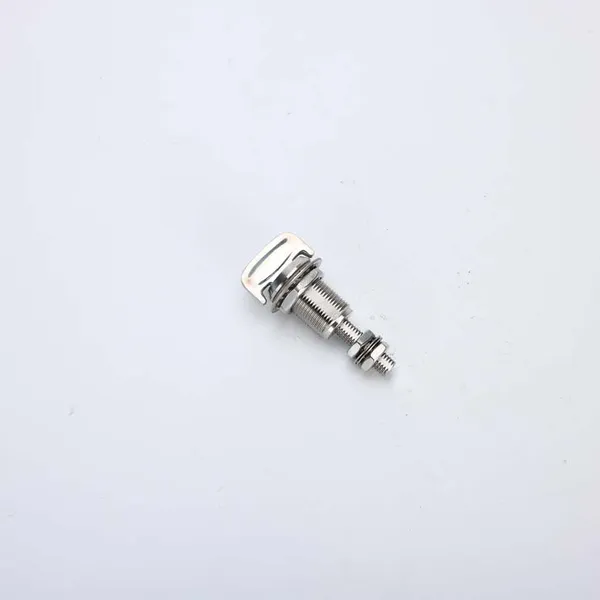 Weak Road Lock MS816 Handle Lock Switch Cabinet LockUS$ 4 - 5MOQ: 1 BagBrand Name: Wenzhou Weak Road Lock Co., LtdPlace of Origin: ChinaModel Number: MS816Wenzhou Weak Road Lock Co., Ltd
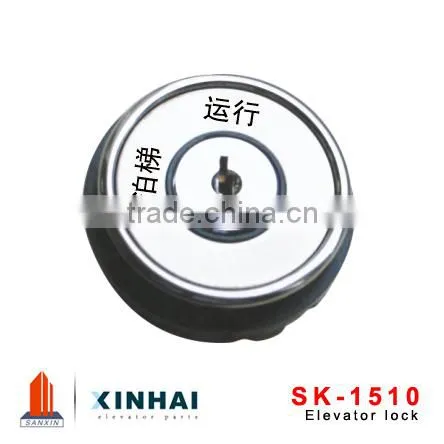 Elevator Lock Key Lock Switch SK-1510US$ 1.9 - 3.3MOQ: 1 PiecePlace of Origin: Zhejiang, ChinaBrand Name: elevator partsModel Number: elevator lock SK-1510Ningbo Beilun Xinhai Elevator Parts Factory
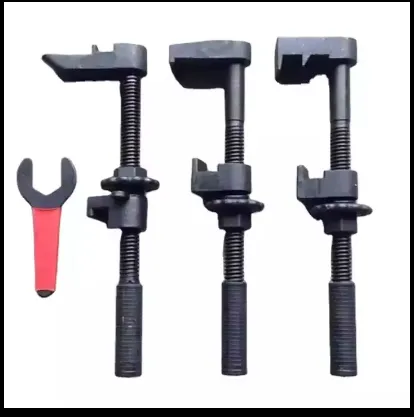 Switch Point Clamp and Lock Switch Point ClampUS$ 38 - 42MOQ: 20 PiecesBrand Name: LinkagePlace of Origin: ChinaModel Number: LJ-GSQWuhan Linkage Track Equipment Co.,ltd
 Single Pad Lock Switch Selector CAM SwitchUS$ 1.68 - 9MOQ: 100 PiecesPlace of Origin: Zhejiang, ChinaBrand Name: DixsenModel Number: DW26J SeriesMax. Current: 20~32AZhejiang Dixsen Electrical Co., Ltd.
 Switch Point Clamp and Lock /Switch Point ClampUS$ 30 - 35MOQ: 1 PieceBrand Name: linkagePlace of Origin: ChinaModel Number: LJ-GSQWuhan Linkage Track Equipment Co.,ltd
 Shacman Truck, Shacman Lock Switch LOCKING, Shacman F2000 F3000 X3000 Switch, DZ13241440032US$ 5.32 - 8.14MOQ: 1 BoxType: CabsTruck Model: Other, ShacmanSize: Standard SizeMaterial: IronJinan Shine International Trade Co., Ltd.
 Mini Self-locking Push Lock Switch 7*7US$ 0.025 - 0.03MOQ: 10000 PiecesPlace of Origin: Zhejiang, ChinaBrand Name: JMModel Number: 7*7Protection Level: N/AYueqing Sao Paulo Electronics Co., Ltd.
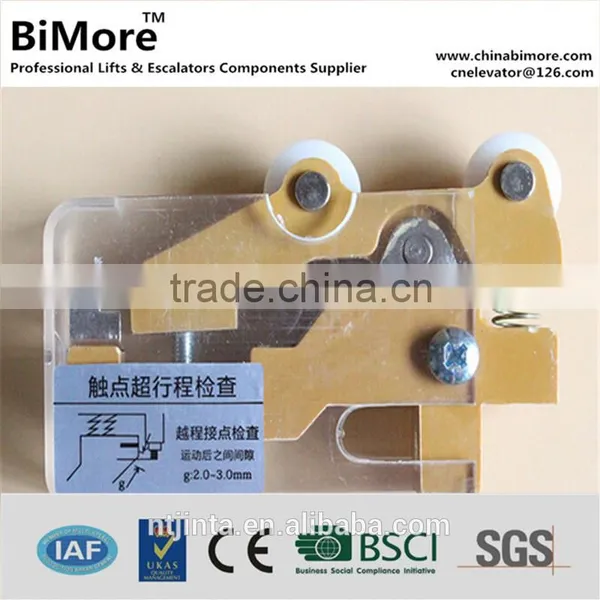 Elevator Lock Switch TKB-1ADUS$ 1 - 10MOQ: 10 PiecesPlace of Origin: Jiangsu, ChinaBrand Name: Elevator Lock SwitchModel Number: TKB-1ADNantong Jinta Elevator Components Co., Ltd.
 Procurement Lead submitted an RFQ for 22mm Key Lock Switch, 3 Position Key Switch, IP65 (GKS/GKSN223)19 hours ago
 Operations Head requested specs for MIU 50 scooter ignition key lock switch2026-09-11 06:37:18
 Procurement Specialist inquired about Left Right Lock Switch Lotion Pump2026-09-09 04:02:38
 Buyer placed an order for Dual Functioned Tubular Key Lock Switch2026-09-10 18:44:07
 Procurement Specialist negotiating terms for Big Plug 5 Wires key lock switch2026-09-12 05:24:09
 Import Coordinator negotiating terms for 7915492618 forklift truck key lock switch2026-09-09 02:09:31
 Buyer verified certifications for SCL-2012030228 CG150 best quality motorcycle fuel cap lock, motorcycle lock switch2026-09-13 13:33:24
 Operations Head requested specs for LAY3 -A key lock switch(key switch, key switch lock )2026-09-14 00:46:44
 Import Coordinator inquired about High quality LONGKING loader transmission parts JK324C Electric lock switch Ignition switch2026-09-13 12:04:38
 Procurement Lead placed an order for EFI Engine ZAX Key Lock Switch ZAX Ignition Switch Electrojet2026-09-11 19:56:46
 Business Owner inquired about Door lock switch handle electroplating processing2026-09-12 11:16:19
 Operations Head submitted an RFQ for variable frequency contro elevator door vice lock switch17 hours ago
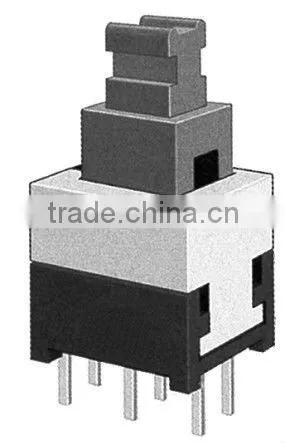 Key Lock Switch PB-22E09US$ 0.1 - 1.9MOQ: 1000 PiecesPlace of Origin: Guangdong, ChinaBrand Name: FOSENModel Number: key lock switch PB-22E09Max. Current: 0.1ADongguan Fosen Electronics Technology Co., Ltd.
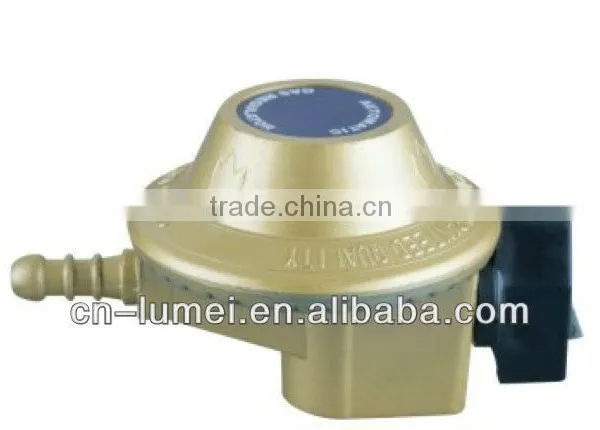 Safety Regulators With Child Lock SwitchUS$ 1.85 - 2.1MOQ: 1000 PiecesPlace of Origin: Zhejiang, ChinaBrand Name: LUMEIModel Number: LM-35-10Ningbo Lumei Gas Burner Valve Co., Ltd.
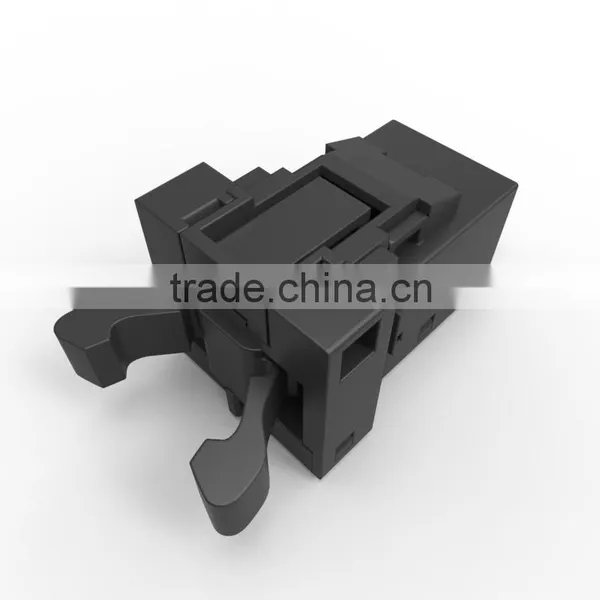 PR-11 Door Lock SwitchUS$ 0.05 - 0.5MOQ: 1000 PiecesPlace of Origin: Zhejiang, ChinaBrand Name: KhanModel Number: PR-11Yueqing Kanghong Electronic Co., Ltd.
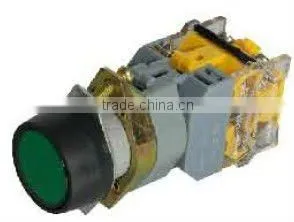 Illuminated Panel Switch , Push Lock Switch ,KD39A-11TDNegotiableMOQ: 10 PiecesPlace of Origin: Zhejiang, ChinaBrand Name: KEDAModel Number: KD39A-11TDProtection Level: otherZhejiang Kenaida Pushbutton Co., Ltd.
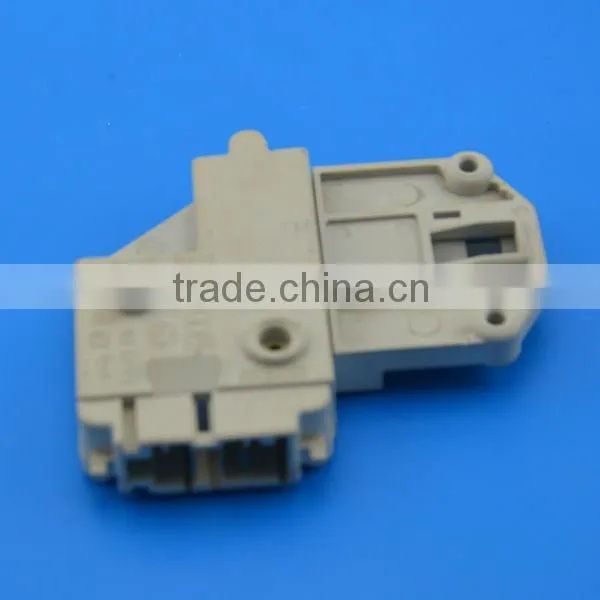 Washing Machine Door Lock SwitchUS$ 1 - 3MOQ: 2000 PiecesPlace of Origin: Shanghai, ChinaBrand Name: DNMCModel Number: KD3Shanghai Dynamic Electric Co., Ltd.
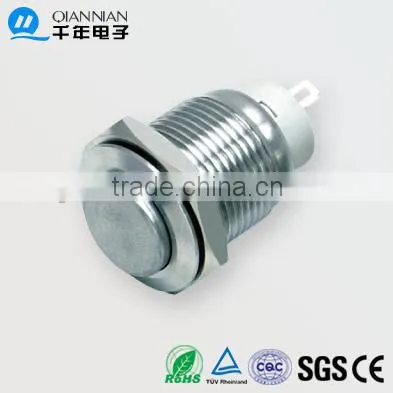 QN16-E2 16MM Latch Lock SwitchNegotiableMOQ: 10 PiecesPlace of Origin: Zhejiang, ChinaBrand Name: QNModel Number: QN16-E2Protection Level: 67Yueqing Qian Nian Electronic Co., Ltd.
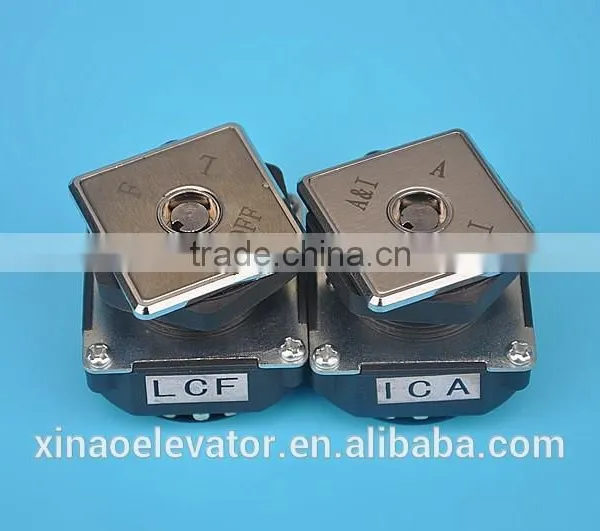 Elevator Push Tool Power Lock SwitchNegotiableMOQ: 1 PieceBrand Name: XinAoModel Number: SDK8-4Beijing Yunchang Elevator Co., Ltd.


