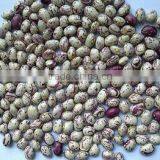
Kidney Bean Insights & Buyer's Guide
Red kidney beans together have been a staple in many kinds of cuisines across the world, and they are appreciated for their great taste and the health benefits they provide. They are colorful legumes that offer versatility in the kitchen but also provide the nutrition necessary to sustain a healthy life. Red kidney beans are a tasty and healthy option, whether one is looking for a good dose of plant-based protein or just wants to try to cook something interesting.
What Are the Nutrition Facts of Kidney Beans?
The kidney beans consist of a nutritional value and are an excellent source of vitamins and minerals. They are mainly rich in potassium, folate, and magnesium, which are all vital ingredients for health maintenance. They also carry phosphorus and zinc for better bone formation and immune function. With such a fiber content, kidney beans also help in blood sugar regulation and digestion, thereby making them fit for every diet.
What Vitamins and Minerals Do Red Kidney Beans Contain?
Red kidney beans provide various essential vitamins and minerals in one's proper diet. Especially, they have high quantities of folate, a B vitamin that supports cell growth and metabolism. Kidney beans also contain manganese, an essential mineral that supports bone formation and wound healing. The presence of magnesium and potassium further promotes heart health by lowering blood pressure and minimizing risk factors for cardiovascular disease.
How Do Dark Red Kidney Beans Fare Nutrition-wise Among Other Beans?
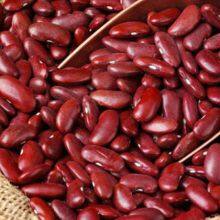
In terms of nutrition, dark red kidney beans outshine other legumes. Compared to white red kidney beans, and other varieties, dark red kidney beans are much more full of antioxidants that help fight oxidative stress and inflammation. They are also higher in complex carbohydrates that help release energy slowly and help maintain steady blood sugar levels. For its powerful and tasty character, this dark red kidney bean is often used in flavor-intensive cooking such as chili and stew.
Are Kidney Beans an Excellent Source of Plant Protein?
If you are in the plant-based or vegetarian diet categories, kidney beans are an excellent source of protein. They provide a complete protein profile when eaten in combination with grains such as rice, making dishes like red beans and rice wonderfully delicious as well as nutritionally balanced. About 8 grams of protein per 100 grams make kidney beans a perfect addition to any diet for muscle growth and repair.
How Do You Properly Cook Red Kidney Beans?
Red kidney beans need proper cooking to fully enjoy their flavor and nutritional benefits. The entire preparation of these beans is to make them safe for consumption and free from natural toxins, including phytohaemagglutinin. By following simple cooking procedures, dried kidney beans can be rendered into a very useful component in the preparation of various dishes.
Why Is It Important to Soak Kidney Beans Before Cooking?
Soaking the kidney beans before cooking is an important step to reducing the cooking time while improving digestibility. Soak in water to leach away the toxin in these beans, which is lectin. If ill-healthful quantities of these toxins are consumed, one can suffer from digestive complications such as diarrhea and vomiting. Therefore, soaking the beans in water for at least a few hours to overnight guarantees beans are safe for consumption and ease of cooking.
What Are the Steps to Boil and Cook Kidney Beans Safely?
To cook kidney beans safely, while soaking for at least 8 hours, you will need to do the following: After soaking, drain the water and wash the beans well. Place the beans in a pot and fill it with fresh water, enough to cover the beans, and bring it to a boil. Boil for 10 minutes vigorously to ensure the destruction of toxins. Reduce heat and allow to simmer until the beans are soft, which is about 45 minutes to an hour. After this, you can safely incorporate the beans into any dish of your choice.
How Can You Use Cooked Kidney Beans in Dishes?
Cooked kidney beans are versatile and can be used in many dishes. Kidney beans are used in classic dishes like chili con carne and kidney bean curry. For a vegetarian approach, you can put them on salads or into soups or stews for texture and protein. You can also mash cooked beans to form spreads or dips for snacking. When it comes to cooking, the universe is all but limitless with kidney beans.
What Are the Health Benefits of Eating Kidney Beans?
Several health benefits can be attained from including kidney beans in the diet. These beans are an excellent source of dietary fiber, which aids in the smooth functioning of the digestive system and weight control. By their high fiber content, they also aid in maintaining heart health by decreasing cholesterol levels and the onset of heart disease. Kidney beans also contain antioxidants that prevent cells from being damaged and that keep the immune system healthy.
How Do Kidney Beans Support a Nutritious Diet?
Kidney beans remain one of the integral sources of nutrition for health sustenance. They help in maintaining digestion and regulating blood sugar levels anyone with diabetes would need extremely well. Being protein and complex carbohydrate sources, they provide sustained energy to those who seek a leveled diet combined with an active lifestyle.
What Compounds in Kidney Beans Contribute to Health?
Kidney beans contain antioxidants and phytonutrients, the mutual antigens conferring anti-inflammatory and chronic disease-protective properties. The resistant starch contained in these beans is, furthermore, useful for gut health as it supports the proliferation of good bacteria therein. With all the health advantages it brings to your meals, you will simply enjoy its rich taste.
Are Kidney Beans Among the Healthiest Legumes?
Considered almost the healthiest legume, the kidney bean is due to its rich nutritional profile and variety of health advantages. They provide low fat and calories yet high protein and fiber for weight management and cardiovascular health. Furthermore, the abundantly diverse vitamins and minerals administered by kidney beans heighten the value of such food as nourishment. Therefore, for improving one's diet or just looking at plants, kidney beans stand out among all legumes.
Why Is Soaking Kidney Beans Necessary?
Soaking kidney beans is an essential step to ensure they are safe for consumption and easier to cook. It reduces natural toxins such as phytohemagglutinin, which may lead to kidney bean poisoning in cases of undercooking. Soaking reduces the cooking time, which makes this step convenient for preparing dried beans. Proper soaking will allow you to reap the maximum benefits of kidney beans without a shadow of a doubt.
How Does Soaking Affect the Cooking Time of Dried Kidney Beans?
Soaking dried kidney beans greatly reduces the cooking time required for faster preparation of meals. The soaking is an absorptive process wherein beans take in water and, in turn, soften their outer layer so they will cook faster. It is not only a time-saving process as far as kitchen work is concerned, but it is also great in the saline preparation of evenly cooked beans. Properly soaked kidney beans, regardless of time, will offer the best results.
Does Soaking Help Reduce Toxins in Kidney Beans?
Soaking indeed reduces toxins arising from natural phenomena, such as those of lectins that induce digestive distress in living beings. During soaking, such compounds leach out into the water, which should be discarded before cooking. By soaking beans, one lowers the chances of kidney bean poisoning and can safely enjoy meals prepared with them.
What Are the Best Practices for Soaking Kidney Beans?
Rinse using cold water to remove any debris. Transfer to a large bowl and fill with water so that there is ample room for expansion. Soak the kidney beans for 8 hours to overnight, immediately draining and rinsing before cooking. These best practices ensure you can derive maximum benefit from kidney beans with no concerns whatsoever.
Frequently Asked Questions(FAQs)
Q: What are the benefits of including red kidney beans in my diet?
A: Red kidney beans are a good source of protein, fiber, vitamins, and minerals, which can contribute to overall health. They are low in fat and carbs, making them a nutritious choice for many recipes.
Q: How do I properly cook red kidney beans to ensure they are safe to eat?
A: To ensure red kidney beans are safe to eat, they should be soaked in water for at least 8 hours and then boiled for at least 10 minutes at 212°F (100°C) to destroy any toxins. Undercooked kidney beans can be harmful, so proper preparation is essential.
Q: Can I use a slow cooker for cooking red kidney beans?
A: While a slow cooker or crock can be convenient, it is important to first boil the beans for at least 10 minutes before slow cooking. This step ensures any harmful substances are neutralized, as slow cookers may not reach a high enough temperature to make the beans safe to eat.
Q: Are red kidney beans similar to other types of beans?
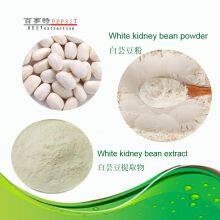
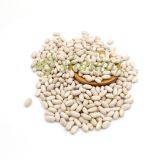
A: Red kidney beans are usually larger and have a firmer texture compared to white kidney beans, also known as cannellini beans. They have a darker red color and are plump, making them distinct in appearance and taste.
Q: How should I store red kidney beans?
A: Red kidney beans should be stored in a cool, dry place, such as a cupboard, to maintain their quality. Ensure they are kept in an airtight container to prevent moisture and pests from affecting them.
Q: What is the nutritional content of red kidney beans?
A: Red kidney beans are a good source of protein, dietary fiber, and essential nutrients such as iron, potassium, and folate. They are low in fat and carbs, making them a healthy addition to a balanced diet.
Q: Can I substitute red kidney beans with other beans in recipes?
A: While red kidney beans are unique in flavor and texture, they can often be substituted with other beans like black beans or pinto beans in recipes, depending on the desired taste and consistency.
Q: Why is it important to soak red kidney beans before cooking?
A: Soaking the beans helps to reduce cooking time and improve digestibility. It also helps to remove some of the indigestible sugars that can cause gas and bloating. Beans should be soaked in plenty of water, as they will expand to become plump and tender.