








 Contact Platform Support
 Help Center
Food-Grade 304 Stainless Bakery Shelf — Painted Racks Flake Into Dough, This One Doesn't
Product Spotlights



Related Products
-
 Hengna Durable Stainless Steel 2-Door Locker for Office & Industrial Use – High-Security Personal StorageUS$ 95 - 220MOQ: 5 Combos
 -
High-quality Modern Multi-Door Stainless Steel Locker – Strong, Secure, and Breathable for Offices and Public AreasUS$ 95 - 220MOQ: 5 Combos
-
Commercial Stainless Steel Locker With– Multi-Door Units for Schools, Gyms, and Public Spaces-Customizable Locker OptionsUS$ 95 - 220MOQ: 5 Combos
-
High-Grade Multi-Door Stainless Steel Locker With Ventilation Holes – Space-Saving Storage for Personal BelongingsUS$ 95 - 220MOQ: 5 Combos
-
Multi-Functional Commercial Stainless Steel Locker With Hanging Rod – Ideal for Storing Clothes and Personal Items-ODM/OEMUS$ 95 - 220MOQ: 5 Combos
Food-Grade 304 Stainless Bakery Shelf — Painted Racks Flake Into Dough, This One Doesn't
The reason to choose 304 stainless in a bakery is not a marketing line about "rust resistance". It is simpler and uglier than that: coated steel hides its own damage. The flake that ends up in a proofing basket starts as a chip you cannot see under the coating. Bare 304 has no coating to hide anything behind. That is the whole argument.
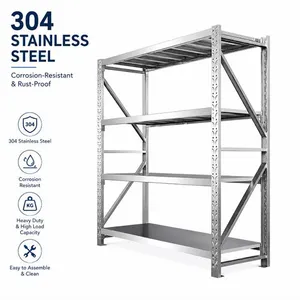
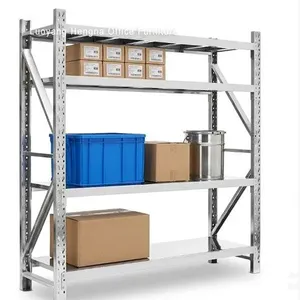
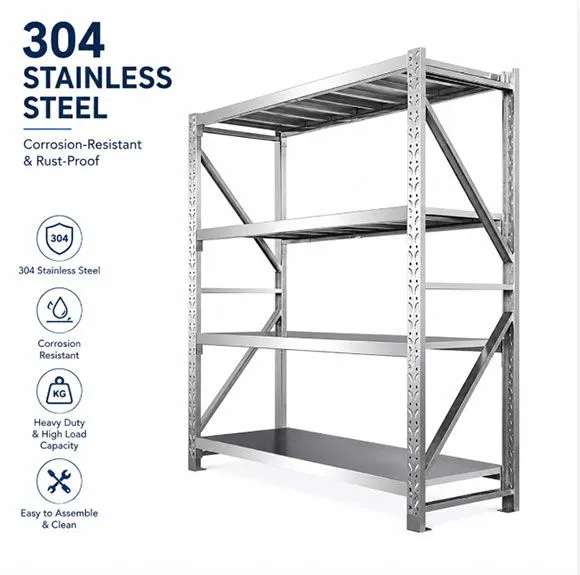
This 60x40cm bakery shelf is built from 304 stainless — 18/8 grade, the same family used for food-contact surfaces across export markets — by Luoyang Hengna Office Furniture Co., Ltd. CE certified, 2026 specification.
What "food grade" actually means
"Food grade" is not a material. It is a property a material earns: non-toxic, non-absorbent, and cleanable enough that it cannot transfer anything to food.
304 earns it the boring way. The steel carries roughly 18% chromium and 8% nickel — the reason it is also called 18/8. The chromium forms an oxide layer on the surface that is invisible, harmless, and self-repairing. Scratch it and it re-forms. That layer is what keeps the steel from reacting with dough, water or cleaning chemicals.
What "food grade" is not: a label you can bolt on. Some suppliers call any shiny metal "food grade stainless" without naming a grade. If a quotation does not say 304 or 316 in writing, it is not a specification — it is a word.
What actually happens under a coating
Painted and powder-coated racks fail on a timeline, not all at once:
Months 1-2. Looks fine. The coating is intact.
Months 3-4. First chip appears at the shelf lip, where trays slide on and off. Small enough to ignore.
Months 5-8. Moisture and dough residue sit in the chip. Rust starts under the coating — visible from the outside only as a small bubble or not at all.
Months 9 and on. The coating lifts around the damage. Flakes start coming off. This is when a grey speck shows up in a dough basket.
The dangerous step is number three. A chip you can see is a problem you can fix. A rust patch you cannot see, under intact-looking paint, is the one that eventually ends up in product.
Eighteen months in a dough room
| Surface | What happens | What an inspection sees |
|---|---|---|
| Painted steel | Chips at tray slide zones, rust under the coating | Peeling coating near food contact |
| Powder-coated steel | Similar, slower | Small impact chips, coating lifting |
| Chrome-plated wire | Plating pits at welds, moisture trapped | Corrosion at joints |
| Wood | Holds flour and moisture in the grain | Absorbent surface, written up |
| Bare 304 (this rack) | Nothing chips, nothing peels | A cleanable metal surface |
What inspectors actually check
Food-safety inspection is not a beauty contest. On shelving, the checks are mechanical:
Is the surface non-absorbent? Wood fails this. Bare metal passes.
Is it smooth and cleanable? A coating that chips is not cleanable — it is a pocket.
Is it corrosion-resistant in this room? Dough rooms are humid. The question is not whether steel can rust in a lab, it is what happens in a 60% humidity proofer room.
Do you have paperwork? For equipment near food contact, buyers increasingly ask for a material declaration. On 304 orders we can provide the material certificate on request.
Where bare stainless goes wrong — and it can
304 is not indestructible, and pretending otherwise is how people wreck it:
Chloride cleaners pit it. Bleach and chlorinated sanitisers, left to sit, will pit even 304. Rinse after sanitising.
Steel wool embeds iron in it. The iron rusts and stains the surface. Use a nylon pad.
Wipe with the grain. Brushed stainless shows every cross-grain smear. Follow the brush lines and it looks clean all day.
Get those three right and the "wipes clean in one pass" reputation is real. Get them wrong and no grade saves you.
When 304 is over-spec
Balanced answer, because it is true: 304 is not the right buy everywhere.
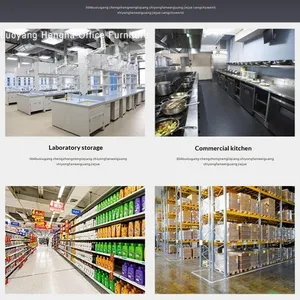
Dry ingredient store. No humidity, no washdown. 201 stainless or a good coated rack handles it and costs less.
Back-of-house dry storage. Same logic.
Retail display shelving. Looks matter more than washdown resilience.
Buy the grade for the room. If the rack lives in the dough room or the wash-down area, 304. If it lives in a dry store, save the money.
And one step further: if your room is heavy on salt or seafood, even 304 sits below 316. Tell us what is in the room before you order, not after.
At a glance
| Grade | 304 stainless (18/8) |
| Pan size | 60x40cm bakery trays, sit flat |
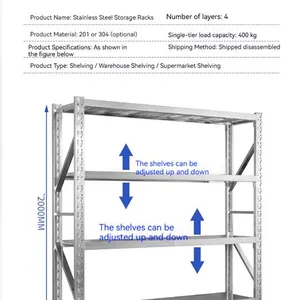
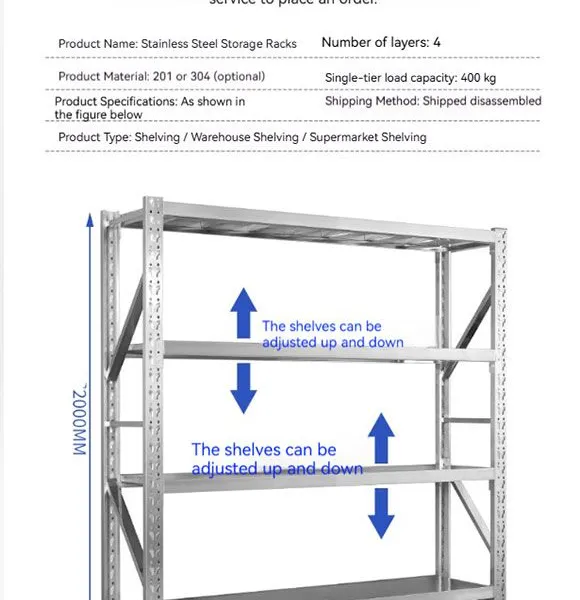
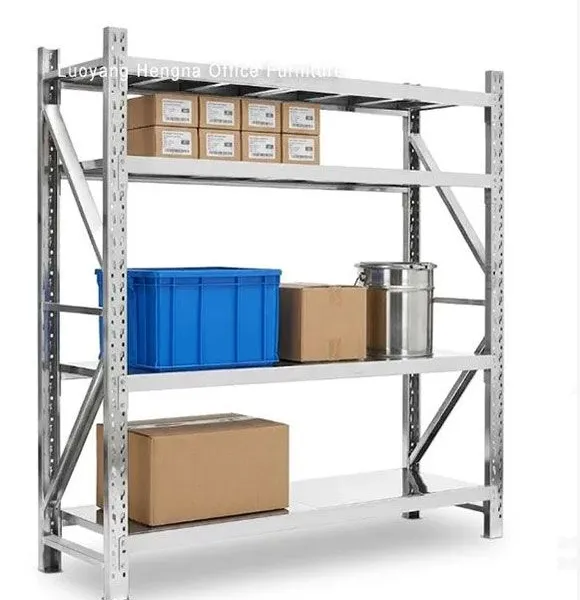
| Tiers | 4 standard, adjustable |
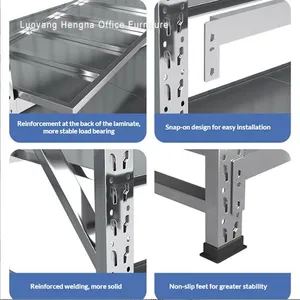
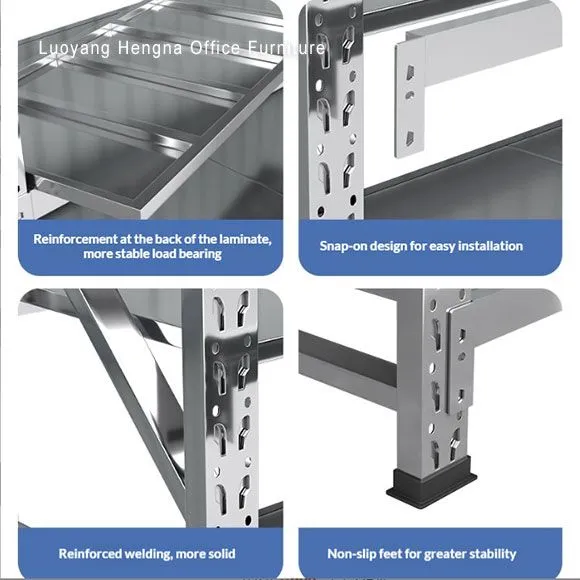
| Surface | Bare, brushed — no coating anywhere |
| Load per level | 300 / 400 / 500 kg by specification |
| Certification | CE; material certificate on request |
| Warranty | 1 year |
| Specification year | 2026 |
FAQ
Is 304 the same as 18/8?
Yes. Both names describe the same grade — around 18% chromium and 8% nickel.
What is the difference from 316?
316 adds molybdenum, which handles chlorides better. It costs more. For a bakery, 304 is normally the right grade; for salt-heavy rooms, ask about 316.
Will 304 ever rust?
Surface marks can appear if it is misused — chloride cleaners left on, iron embedded by steel wool. Genuine corrosion of the steel itself is not expected in bakery conditions if the care rules above are followed.
Is 304 magnetic?
Slightly, after forming. A fridge-magnet test cannot tell 304 from 201 — ask for the grade in writing instead.
Why do some "stainless" racks cost a fraction of others?
Often the grade, or the sheet thickness behind the same look. If the quotation does not name the grade, ask. This rack is 304, stated in writing.
Do you provide the material certificate?
Yes, on request, with 304 orders.
How fast do I get a quote?
Within 24 hours.
Get a quote
Tell us the room the rack will stand in and the tray size you run. Hengna will confirm the right grade and come back with a price within 24 hours.

Send Inquiry to This Supplier



You May Also Like
-
Space-Saving Premium Stainless Steel Locker With Ventilation Holes– Secure Storage for Employees, Students, and Gym MembersUS$ 95 - 220MOQ: 5 Combos
-
Stainless Steel Locker for Gym & School | Secure Storage for Personal ItemsUS$ 50 - 200MOQ: 2 Pieces
-
2-Door Stainless Steel Locker for Gym Changing Rooms – Durable and Rust-Resistant Storage SolutionUS$ 50 - 80MOQ: 2 Pieces
-
4-Door Stainless Steel Employee Locker for Factories – Secure Personal Storage for Industrial Workplaces SupplierUS$ 49 - 99MOQ: 2 Pieces
-
8-Door Stainless Steel Locker for Schools – Perfect for Student Storage and Classroom OrganizationUS$ 50 - 200MOQ: 2 Pieces
-
Hengna 10-Door Metal Locker for Medical Facilities – Hygienic and Easy-to-Clean Storage for Healthcare WorkersUS$ 59 - 299MOQ: 2 Pieces
-
15-Door Stainless Steel Personal Locker for Office Employees – Compact Multi-Unit Design for Workspace EfficiencyUS$ 69 - 319MOQ: 2 Pieces
-
18-Door Stainless Steel Locker for Swimming Pools and Sports Venues – Moisture-Proof and Secure Storage ManufacturerUS$ 69 - 319MOQ: 2 Pieces
-
Hengna Customizable Stainless Steel Locker - Multi-Door 304 Gym Storage CabinetUS$ 49 - 319MOQ: 2 Pieces
-
Heavy Duty Stainless Steel Locker Cabinet | Industrial Metal Locker for Workplace Storage SupplierUS$ 49 - 199MOQ: 2 Pieces


