








 Contact Platform Support
 Help Center
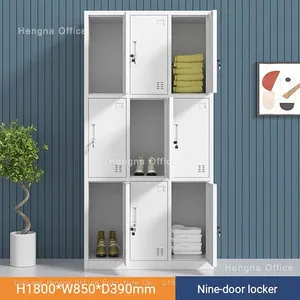
9-Door Steel School Locker – Tough, Ventilated, Labeled | Anti-Pick Lock | Built to Last
Product Spotlights



Related Products
-
 Smart E-Lockers for Public Spaces | Secure Digital Lockers for Pools & AirportsUS$ 430 - 1700MOQ: 5 Sets
 -
Smart Lockers for Schools | Student Electronic Gym & Library Lockers With USB ChargingUS$ 430 - 1700MOQ: 5 Sets
-
Smart Electronic Locker System for Schools - Digital Storage Solution With Keyless Access for StudentsUS$ 430 - 1700MOQ: 5 Sets
-
Gym Electronic Locker With Mobile App Access - Smart Storage Solution for Fitness Centers & Health ClubsUS$ 430 - 1700MOQ: 5 Sets
-
Office Electronic Locker System - RFID Card Access Smart Storage for Corporate Employee UseUS$ 430 - 1700MOQ: 5 Sets
9-Door Steel School Locker – Tough, Ventilated, Labeled | Anti-Pick Lock | Built to Last
The locker that survived year nine
A school procurement officer in Manila told this story at a conference. In 2017, her school bought sixty steel lockers for a new building. The contractor suggested the cheapest option — thin-gauge metal, painted finish, basic cam locks. The principal approved the budget.
By the end of the first semester, twelve doors were dented. By the end of the first year, three locks were broken. By the end of year two, the paint was peeling on every locker, and the ones near the toilets had rust at the base. The school replaced them all.
The second batch cost more — the procurement officer had learned her lesson. She specified heavy-gauge steel, powder coating, and anti-pick locks. That was 2019. Those lockers are still in use today. Year seven. The doors still close. The locks still turn. The coating shows scuffs from a thousand backpacks bumping against them, but no rust, no peeling, no warping.
“Buy cheap, buy twice” is not just a saying in school procurement. It is a line item in the budget.
What students actually do to lockers
School lockers do not live in a showroom. They live in a hallway where four hundred students pass between classes in five minutes. They get kicked, slammed, leaned on, climbed on, and sometimes punched. They get stickers, graffiti, and tape residue. They get wet from rain-soaked backpacks. They get warm from body heat in crowded corridors. They get tested every single day by teenagers who do not think about the things they break.
Here is what a school locker survives in a typical year:
4,000 door openings — Two opens per student per day, five days a week, forty weeks per year. That is 4,000 cycles of the lock mechanism and 4,000 impacts on the hinges.
200 backpack impacts — Students swing bags off their shoulders and into the locker. A loaded backpack weighs 5-8 kilograms. The impact hits the door panel and the shelf inside.
50 kicks — Not all students kick their lockers. But enough do. A steel-toed boot or a hard-soled shoe delivers 200-400 Newtons of force to the door panel.
30 wet backpacks — Rainy seasons mean wet bags go into lockers. The moisture sits on the steel surface for hours. If the coating is compromised, rust starts within weeks.
5 sticker-and-graffiti incidents — Students stick things on lockers. Removing stickers peels paint. Scratching graffiti damages the coating.
A locker that survives year one is a good locker. A locker that survives year nine is the right locker.
The three things a school procurement officer actually cares about
School procurement is not about specifications. It is about three things:
Budget — How much does it cost per student per year? A cheap locker that needs replacing every year costs more over time than a quality locker that lasts a decade. The upfront savings disappear the moment the first replacement is ordered.
Durability — Will it survive the students? Not in theory — in practice. The door has to resist kicking. The lock has to survive 4,000 cycles per year. The coating has to hold against stickers, graffiti, and wet backpacks.
Manageability — How do I assign lockers to students? A school with four hundred students needs four hundred lockers, each labeled with a number or name. The label has to be visible, durable, and easy to update when students graduate and new ones arrive.
This locker is built around these three priorities. Heavy-gauge steel that handles the abuse. Powder coating that holds the finish. Name card slots that make assignment simple. And a price-per-year that makes the math work.
The 9-door configuration: built for school hallways
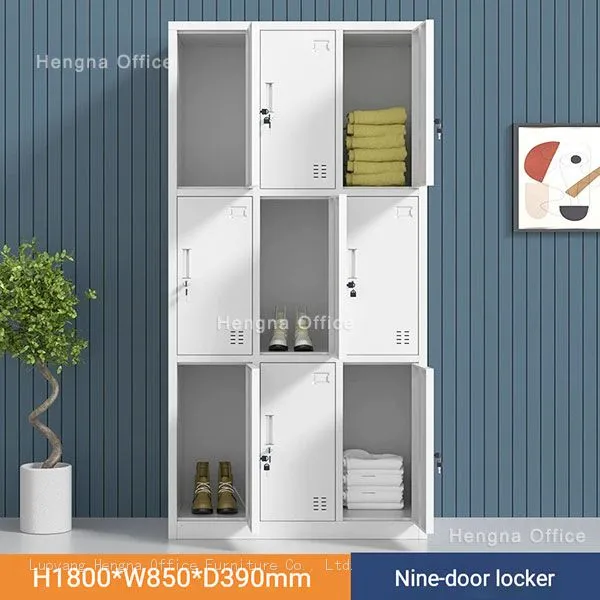
The 9-door locker is the standard for schools. Here is why:
Compartment size — Three columns of three rows. Each compartment fits a backpack, a jacket, and a pair of shoes. It does not fit a guitar case or a hockey stick — which is fine, because schools that need sports equipment storage use a different room.
Capacity per unit — Nine doors serve nine students per unit. A school with four hundred students needs approximately forty-five units (405 compartments) — enough for every student plus a small buffer for staff and visitors.
Floor space — Each 9-door unit is 900mm wide and 420mm deep. Forty-five units line up in a row that is 40.5 meters long — typically distributed along two or three hallways, not stacked in one corridor.
Name card slots — Every door has a slot for a name card or number tag. The school prints the cards, slides them into the slot, and updates them each year. No stickers, no writing on the door, no permanent markers. The card is replaceable in seconds.
| School size | Students | 9-door units needed | Compartments |
|---|---|---|---|
| Small primary | 100-200 | 12-23 | 108-207 |
| Medium secondary | 300-500 | 34-56 | 306-504 |
| Large high school | 600-1000 | 67-112 | 603-1008 |
| University department | 200-400 | 23-45 | 207-405 |
The 9-door configuration is the sweet spot: compact enough for school hallways, large enough for student belongings, and equipped with the name card system that every school needs.
Name card slots: the feature that saves hours
Every school has the same problem at the start of the year: assigning lockers to students. Without a name card system, the process looks like this — write student numbers on masking tape, stick them on the doors, peel them off at the end of the year, scrape the residue, repeat. It takes hours. It looks bad. The tape residue attracts dirt.
With name card slots, the process looks like this — print the cards, slide them into the slots, done. The cards are standard size, printable on any office printer, and replaceable in seconds. When a student leaves, pull the old card, insert the new one. The door stays clean. The hallway stays organized.
The name card slot is not a luxury. For a school with four hundred students, it saves four to six hours of labor at the start of each year. Over ten years, that is forty to sixty hours — time that the procurement officer can spend on something else.
How the locker survives students
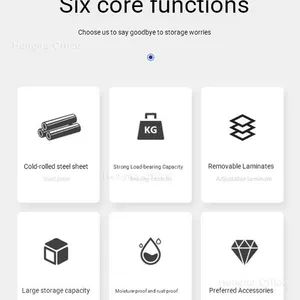
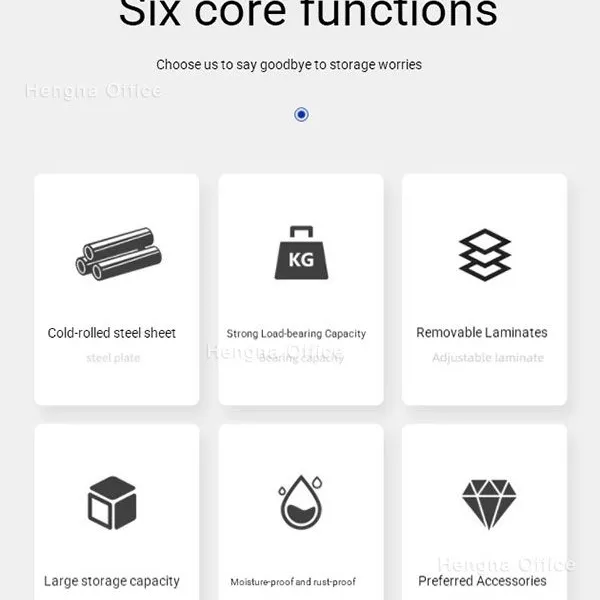
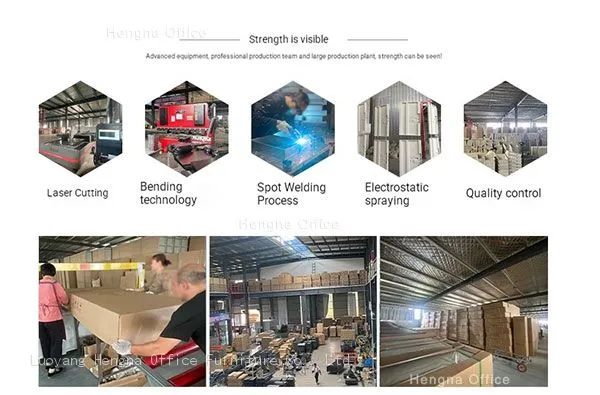
The locker is built from cold-rolled steel — the same material used in automotive body panels and appliance shells. Cold-rolled steel is pressed at room temperature, which gives it a tighter grain structure and higher strength than hot-rolled alternatives. The door panels are the thickest part of the locker — because the door is what takes the abuse.
The surface finish is electrostatic powder coating — not paint, not enamel. Powder coating is applied as a dry powder, then cured under heat to form a hard film that bonds to the steel at the molecular level. The coating does not chip when a backpack scrapes against it. It does not peel when a sticker is removed. It does not discolor when exposed to sunlight through a hallway window.
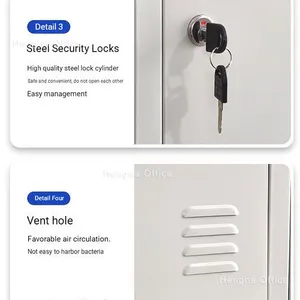
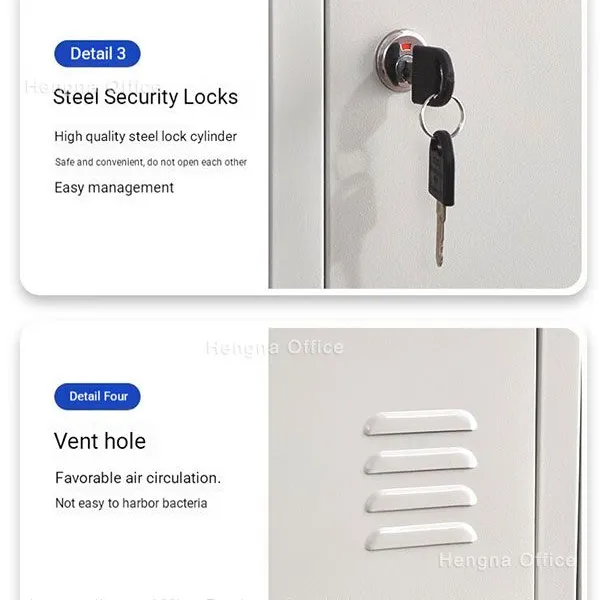
The lock is an anti-pick mechanical key lock with a restricted keyway. It resists picking, drilling, and forced turning. Each locker comes with two keys — one for the student, one for the school’s master set. The lock housing is standardized and accepts combination locks or padlock hasps if the school prefers a different system.
The ventilation is passive — louver slots stamped into every door. The slots allow air to flow through the compartment even when the door is closed, preventing the buildup of odors from gym clothes, wet shoes, and forgotten lunch containers. The louvers are angled to block dust and debris while allowing airflow.
Built to last: the math that matters
School furniture budgets are tight. Every dollar spent on lockers is a dollar not spent on textbooks, technology, or teachers. The procurement officer has to justify every purchase — and the justification has to survive a budget committee.
Here is the math:
A standard painted locker costs less upfront but needs replacement every two to three years. Over ten years, a school buys three to five sets of lockers. The total cost — purchase, delivery, assembly, disposal of old units — exceeds the cost of one quality locker that lasts the full decade.
This locker costs more per unit upfront. But it lasts ten years or more. The powder coating does not peel. The steel does not rust. The locks do not jam. The doors do not warp. The school buys once, installs once, and does not think about lockers again for a decade.
For a school with four hundred students, the difference over ten years is significant — and in hundreds of hours of procurement time that does not have to be spent on replacement cycles.
Factory-direct from Luoyang
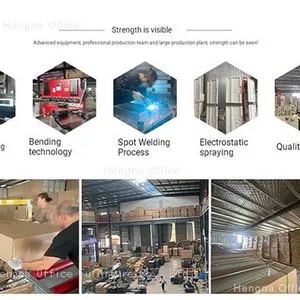
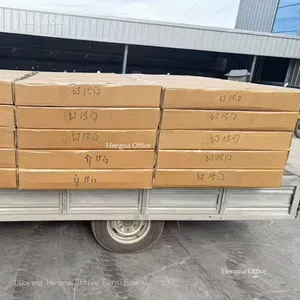
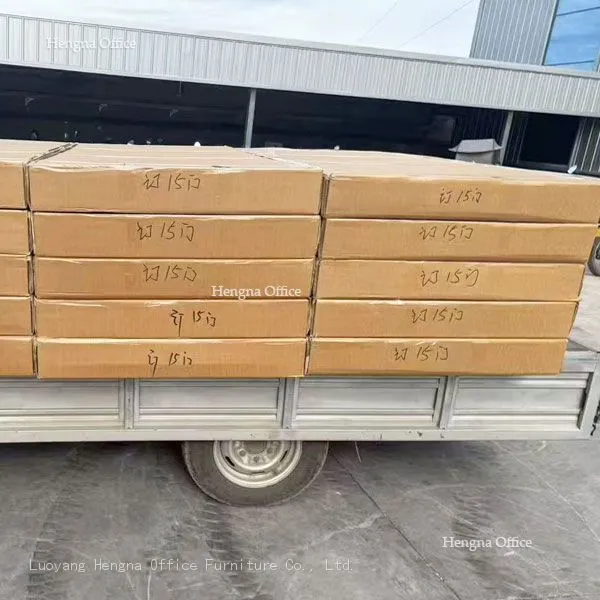
This 9-door steel school locker is made by a steel furniture factory in Luoyang, China, and it is exported to schools, universities, and educational facilities worldwide: Factory-direct pricing, with drawings and packaging spec included in every quote. KD flat-pack design for economical shipping — a 20-foot container holds 30-40 units, a 40-foot container holds 70-80 units. OEM and ODM welcome — your logo, your school colors, your lock type, your door configuration. Full range from 2-door to 32-door for schools, dormitories, and educational facilities.
Whether you are a procurement officer outfitting a new building, a principal replacing worn-out lockers, or a distributor supplying school furniture to your region, the process is the same: confirm the configuration, check the sample, receive the container.
Questions school buyers ask
How many lockers do I need for my school? A common rule: one compartment per student, plus five to ten percent for staff, visitors, and replacement units. For a school with four hundred students, plan for 420-440 compartments — approximately forty-seven 9-door units.
What size compartment fits a student backpack? The 9-door locker provides compartments large enough for a standard school backpack (approximately 300 × 250 × 400mm), a jacket, and a pair of shoes. It does not fit large sports equipment — schools typically provide separate storage for that.
How do I assign lockers to students? Every door has a name card slot. Print the student’s name or number on a standard card, slide it into the slot. Update each year by replacing the card. No stickers, no markers, no residue.
Will the locker survive students? The locker is built from heavy-gauge cold-rolled steel with a powder-coated finish. The door resists kicking, the lock survives thousands of cycles, and the coating holds against stickers, graffiti, and wet backpacks. In standard school environments, the locker lasts ten years or more.
What colors are available? Standard colors are white, light grey, and cream white. Custom RAL colors are available for orders above the minimum quantity. School logos can be printed or engraved on door panels.
How are the lockers shipped? KD flat-pack, with all panels, hardware, and instructions in a single carton. Each unit weighs approximately 25-30 kilograms. Assembly takes two people approximately thirty minutes per unit — no specialized tools required.
The locker that pays for itself
A school locker is not a purchase. It is an investment — one that pays for itself over a decade of daily use. The cheap locker costs less today and more tomorrow. The quality locker costs more today and nothing tomorrow. For a procurement officer who has to justify every line item, the math is simple: buy the locker that lasts, not the locker that gets replaced.
This locker was built for that math. Heavy-gauge steel that takes a kick without denting. Powder coating that takes a sticker without peeling. Name card slots that take the assignment headache out of the start of each year. Anti-pick locks that take four thousand cycles without jamming. It is not the locker that gets replaced every two years. It is the locker that stays for a decade.
Request a quote with your student count, your hallway layout, and your port. We will confirm the configuration, the packaging, and the freight in one reply.

Send Inquiry to This Supplier


You May Also Like
-
Airport Electronic Locker System - Automated Luggage Storage With Digital Payment IntegrationUS$ 430 - 1700MOQ: 5 Sets
-
Hospital Electronic Locker With Biometric Access - Medical Grade Smart Storage for Healthcare FacilitiesUS$ 430 - 1700MOQ: 5 Sets
-
Shopping Mall Electronic Locker System - Customer Smart Storage With QR Code AccessUS$ 430 - 1700MOQ: 5 Sets
-
Apartment Building Electronic Locker - Package Delivery System With Mobile App NotificationUS$ 430 - 1700MOQ: 5 Sets
-
Industrial Electronic Locker System - Heavy-Duty Smart Storage for Factory Workers & ToolsUS$ 430 - 1700MOQ: 5 Sets
-
Recreation Center Electronic Locker - Waterproof Smart Storage With Mobile Key AccessUS$ 430 - 1700MOQ: 5 Sets
-
Library Electronic Locker With Student ID Access - Digital Storage Solution for Educational InstitutionsUS$ 430 - 1700MOQ: 5 Sets
-
Large Capacity Multi-Door Locker for Schools & Sports FacilitiesUS$ 500 - 1000MOQ: 5 Combos
-
Multi-Color Lockers for Office and School UseUS$ 300 - 600MOQ: 5 Combos
-
Modern 2 Door Steel Locker| Metal Wardrobe With Clothes Rod & Mirror: The Ultimate Heavy Duty Storage Solution for Home、Offices and GymsUS$ 40 - 80MOQ: 5 Combos


