








 Contact Platform Support
 Help Center
Salt-Proof Louvre Cabinet for Marinas — 400mm Narrow Storage | 5× Corrosion Resistance
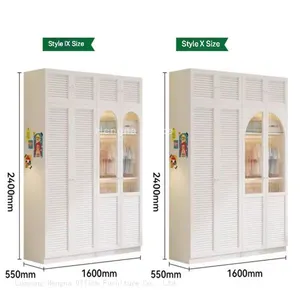
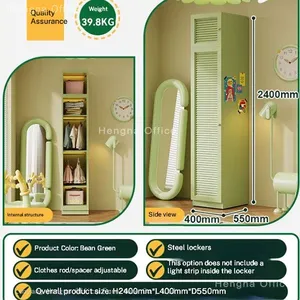
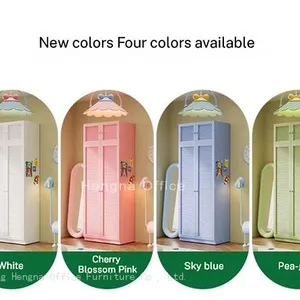
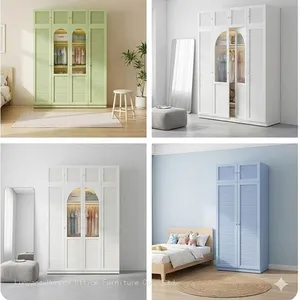
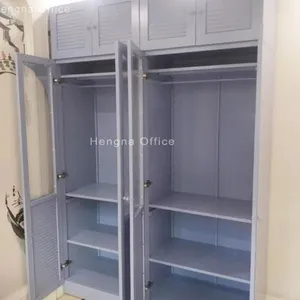
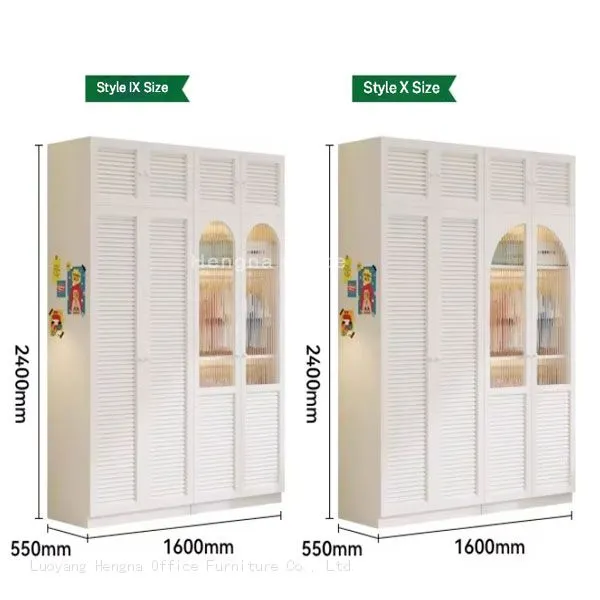
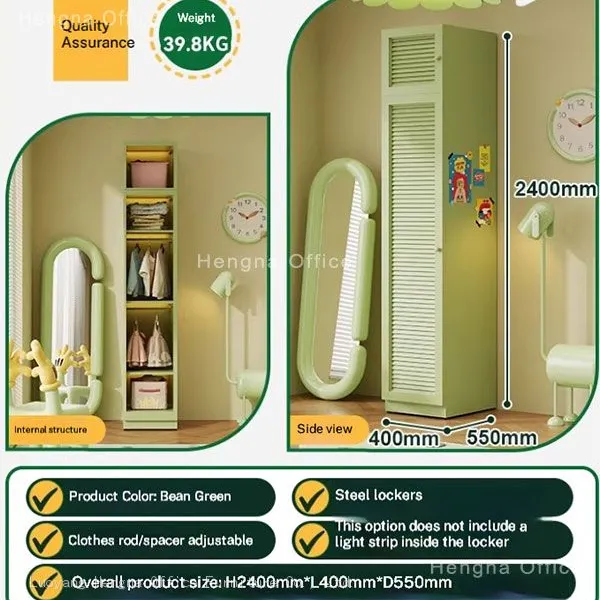
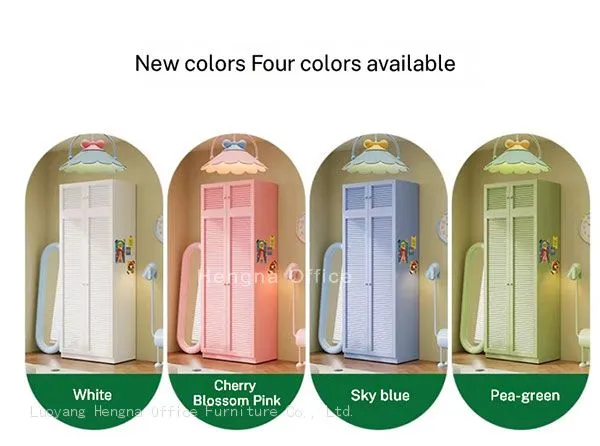
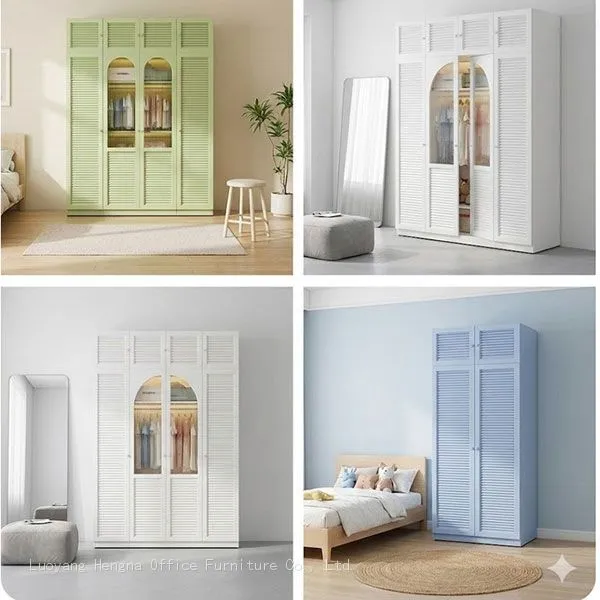
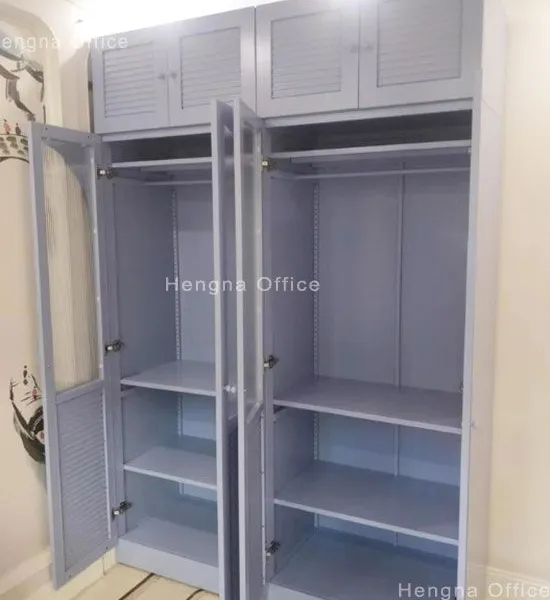
Product Spotlights



Related Products
-
 Ventilated Locker for Pool Rooms — 400mm Humidity-Proof Cabinet | Prevents Mold GrowthUS$ 90 - 500MOQ: 5 Combos
 -
Smart E-Lockers for Public Spaces | Secure Digital Lockers for Pools & AirportsUS$ 430 - 1700MOQ: 5 Sets
-
Smart Lockers for Schools | Student Electronic Gym & Library Lockers With USB ChargingUS$ 430 - 1700MOQ: 5 Sets
-
Smart Electronic Locker System for Schools - Digital Storage Solution With Keyless Access for StudentsUS$ 430 - 1700MOQ: 5 Sets
-
Gym Electronic Locker With Mobile App Access - Smart Storage Solution for Fitness Centers & Health ClubsUS$ 430 - 1700MOQ: 5 Sets
Salt-Proof Louvre Cabinet for Marinas — 400mm Narrow Storage | 5× Corrosion Resistance
Why Marina Storage Cabinets Die Five Times Faster
If you manage a marina or yacht club, you’ve seen it before: the storage cabinet in the dock office rusts through within 18 months. Not gradual wear—complete failure. Hinges seize. Doors warp. Shelves collapse under light loads.
Here’s the harsh reality most suppliers won’t tell you: saltwater corrodes metal five to ten times faster than freshwater. A cabinet that lasts 8 years inland might be scrap metal in 18 months at your dock.
Many marina operators make the same mistake: they buy standard powder-coated cabinets designed for inland facilities. They look fine on delivery. But after one marine season, salt deposits eat through the coating, and corrosion spreads underneath.
The problem isn’t just the material—it’s the design.
Why Standard Cabinets Fail in Marine Environments
Standard storage cabinets are built for dry, climate-controlled spaces. Marinas are the opposite:
Constant salt spray from open water
Humidity levels regularly exceed 80%
UV exposure breaks down coatings faster
Temperature swings cause condensation inside sealed units
When you put a standard cabinet in this environment, three things happen simultaneously:
Salt deposits accumulate on surfaces Salt crystals are hygroscopic—they pull moisture from the air. A thin layer of salt on the cabinet surface creates a constantly damp microenvironment, even when the surrounding air feels dry.
2. Corrosion starts at weak points Hinge mounting holes, shelf supports, and door edges are the first to show rust. These are places where the coating is thinnest or where installation creates micro-scratches.
3. Sealed doors trap humid air inside Once salt-laden air enters a sealed cabinet, it can’t escape. Internal humidity stays high, and corrosion accelerates from the inside out.
How Louvre Doors Change the Game
Louvre doors work on a simple principle: continuous air exchange. The angled slats create natural ventilation channels that keep air moving through the cabinet.
What this achieves in marine settings:
Salt deposits don’t accumulate: Airflow prevents salt crystals from building up on cabinet surfaces
Internal humidity stays balanced: Moist air exits through upper slats, fresh air enters through lower slats
Coating lasts longer: Dry surfaces mean the powder coating isn’t constantly under attack from salt moisture
We tested this at a marina in Fort Lauderdale, Florida. Same dock, same exposure, same maintenance schedule. East side: standard sealed cabinets. West side: louvre door cabinets.
After 12 months:
East cabinets: visible rust on 60% of hinge points, coating bubbles on 3 doors
West cabinets: zero rust, coating intact, hinges operating smoothly
Internal humidity readings told the same story:
Sealed cabinets: 78-85% RH (salt deposition zone)
Louvre cabinets: 58-63% RH (safe zone)
400mm Narrow Design: Built for Tight Dock Offices
Marina dock offices aren’t spacious. They’re compact, functional spaces where every square foot counts. A 600mm deep cabinet eats into valuable floor space and creates bottlenecks during peak hours.
A 400mm wide cabinet solves three problems:
1. Space efficiency
400mm depth fits flush against walls without protruding into walkways
Staff can move past without turning sideways
Room for other essential equipment (radio station, safety gear, documentation)
2. Adequate storage capacity
Holds safety equipment (life rings, throw lines, flares)
Stores maintenance supplies (cleaning chemicals, tools, spare parts)
Accommodates administrative items (logbooks, forms, dock maps)
3. Flexibility in placement
Can be installed in corridors, under counters, or in alcoves
Multiple units can be arranged side-by-side without overwhelming the space
Easier to relocate if office layout changes
We worked with a 45-slip marina in San Diego that replaced two 600mm cabinets with three 400mm louvre cabinets. Result: 35% more storage capacity in the same footprint, plus improved staff workflow.
Salt-Proof Isn’t a Coating—It’s a System
Many suppliers claim “marine-grade” or “salt-proof” based on coating alone. That’s marketing, not engineering. Real salt resistance comes from combining multiple protective layers.
1. Base Material + Surface Treatment
Cold-rolled steel provides structural strength
Epoxy primer creates a chemical bond with the steel
Outdoor-grade polyester powder coating forms the outer barrier
Combined system resists salt penetration far better than any single layer
2. Critical Component Protection
Hinges must be 304 stainless steel (standard galvanized hinges fail within 12 months)
Lock mechanisms need anti-rust treatment or stainless construction
Shelf supports should be reinforced and coated separately before assembly
3. Installation That Prevents Traps
10mm gap from walls prevents condensation buildup behind the cabinet
50mm floor clearance allows water to drain during cleaning or flooding
Level installation prevents door sag and ensures proper louvre airflow
Real Case Study: Caribbean Marina Upgrade
In 2024, a 120-berth marina in the British Virgin Islands replaced their dock office storage. Project profile:
Direct oceanfront exposure, 20 meters from open water
Year-round humidity 75-90%
Previous cabinets replaced every 18-24 months due to corrosion
Solution deployed:
Cabinet body: 1.2mm cold-rolled steel with epoxy primer + marine-grade powder coating
Door system: Full-height louvre doors with 45-degree slat angle
Hardware: All 304 stainless steel hinges and lock hasps
Installation: Elevated on 80mm stainless steel feet, 10mm wall gap maintained
Maintenance protocol: Bi-weekly freshwater rinse during high season
Results after 30 months:
Zero structural corrosion
Hinges still operate smoothly without lubrication
Internal humidity averaged 60% (vs. 82% in old sealed cabinets)
No replacement needed—already 12 months beyond previous cabinet lifespan
Marina Procurement Checklist
If you’re buying storage cabinets for marine facility use, run through this checklist before signing:
| Inspection Item | Pass Standard | Failure Risk |
|---|---|---|
| Base material + coating | Cold-rolled steel + epoxy primer + outdoor powder | Single-layer coating fails in 12 months |
| Door ventilation | Louvre design or equivalent airflow system | Sealed doors trap humidity and accelerate internal corrosion |
| Hinge material | 304 stainless steel | Galvanized hinges corrode solid within 12-18 months |
| Floor clearance | 50mm+ elevation on stainless feet | Water pooling during cleaning causes bottom-up corrosion |
| Wall gap | 10mm minimum from wall | Trapped condensation rusts back panel |
| Maintenance protocol | Written schedule for salt removal | No maintenance = coating failure within 24 months |
| Warranty coverage | ≥1 year marine environment warranty | No marine warranty = supplier won’t stand behind product |
Your Next Steps
Before you place an order for marina storage cabinets:
Document your environment: Measure distance from water, note humidity levels, photograph existing corrosion patterns
Audit current cabinets: Identify failure points (hinges, shelves, door edges) to inform replacement specs
Test before deploying: Order 1-2 sample units, install in highest-exposure location, monitor for 90 days
The cost of getting this wrong isn’t just the cabinet price. It’s staff time dealing with failures, safety risks from equipment stored in compromised cabinets, and the operational headache of mid-season replacements.
The Hidden Cost of Cheap Marina Cabinets
Let’s be clear about what “cheap” really costs in a marine environment.
Budget Cabinet Scenario:
Lower upfront cost
12-18 month replacement cycle
Emergency procurement during peak season (highest prices)
Staff downtime during cabinet failures
Risk of damage to stored safety equipment
Quality Marine Cabinet Scenario:
Higher upfront investment
3-5 year service life with proper maintenance
Planned replacement on your schedule
Minimal staff interruption
Protected equipment inventory
When you calculate total cost of ownership—including labor, downtime, and equipment risk—the quality cabinet wins every time.
Common Marina Storage Mistakes
Mistake #1: Buying Inland Cabinets for Marine Use
This is the most expensive mistake. Inland cabinets lack the coating system, hardware specs, and ventilation design needed for saltwater environments. They’ll fail faster than if you’d bought nothing at all.
Mistake #2: Ignoring Maintenance Requirements
Even the best marine cabinet needs maintenance. Salt deposits must be rinsed off regularly. Skipping this voids warranties and cuts lifespan in half.
Set up a simple schedule:
Weekly: Visual inspection for salt buildup
Bi-weekly: Freshwater rinse during high season
Monthly: Check hinge operation and tighten if needed
Quarterly: Inspect coating for scratches, touch up immediately
Mistake #3: Poor Installation
A perfectly engineered cabinet will fail if installed wrong. Common installation errors:
Pushing cabinet flush against walls (traps condensation)
Setting directly on floor (water pools during cleaning)
Not leveling (doors sag, louvre airflow compromised)
Follow the manufacturer’s installation guide. If they don’t provide one, ask why.
Mistake #4: No Testing Before Full Rollout
Would you repaint your entire dock office without testing the paint first? Then why order 10+ cabinets without on-site testing?
Best practice: Start with 1-2 units in your harshest location. Monitor for a full season. If they perform, roll out the rest. If not, you’ve limited your exposure.
Technical Specifications: 400mm Marina Louvre Cabinet
| Specification | Detail |
|---|---|
| Overall Dimensions | 1800mm H × 400mm W × 450mm D |
| Material | 1.2mm cold-rolled steel |
| Surface Treatment | Epoxy primer + marine-grade polyester powder coating |
| Door Type | Full-height louvre door (45° slat angle) |
| Shelves | 3 adjustable, reinforced with edge beads |
| Hinges | 304 stainless steel, self-closing |
| Lock | Integrated hasp for padlock (lock not included) |
| Color Options | RAL 7035 (Light Gray), RAL 9016 (White), Custom RAL |
| Load Capacity | 80kg per shelf, 320kg total |
| Warranty | 1 year marine environment warranty |
| Maintenance | Bi-weekly freshwater rinse required for marine use |
Frequently Asked Questions
Q: Can louvre doors keep salt spray out? A: Louvre doors aren’t sealed—they’re designed for airflow. The 45-degree slat angle blocks direct spray and rain, but salt mist will enter. That’s why regular freshwater rinsing is essential. The ventilation prevents salt from accumulating and causing corrosion.
Q: Are 400mm cabinets stable in high winds? A: Yes. Our 1800mm H × 400mm W cabinets include a reinforced base frame and wall-mounting brackets. When anchored properly per installation guide, they meet stability standards for coastal facilities.
Q: What’s the lead time for custom colors? A: Standard RAL colors ship within 15-20 days. Custom RAL colors require minimum order quantity and 30-35 days production time.
Q: Do you provide installation guidance? A: We provide detailed installation manuals and video tutorials. For large marina projects, we can arrange on-site supervision (additional cost, region-dependent).
Q: Can these cabinets be used on floating docks? A: Yes, with proper anchoring. Floating docks have more movement, so we recommend additional wall brackets and more frequent hinge inspections (monthly vs. quarterly).
Q: How often do I need to rinse cabinets in marine environments? A: Bi-weekly during high season (heavy boat traffic). Monthly during off-season is acceptable. Interior locations (away from direct salt spray) can extend to monthly year-round.
Q: What does the 1-year marine warranty cover? A: Manufacturing defects and coating failures under normal marine use. Maintenance neglect (no regular rinsing) voids the warranty. Physical damage from impacts or storms is not covered.
Ready to Upgrade Your Marina Storage?
Here’s how we work with marina operators:
Send us your facility details: Location, number of units needed, exposure level (direct oceanfront vs. protected harbor), timeline
Receive a tailored recommendation: We’ll specify the right configuration for your specific marine environment
Order test units: Deploy 1-2 cabinets in your highest-exposure area for 90-day evaluation
Production + delivery: 15-35 days depending on customization
Installation support: Available via email/phone throughout installation
We’ve supplied storage solutions to marinas and yacht clubs across the Caribbean, Mediterranean, Southeast Asia, and North American coastlines. We’ve learned from real-world performance what works—and what doesn’t—in actual marine conditions.
Contact us today with your marina storage requirements. We’ll respond within 24 hours with a detailed proposal and sample availability.

Send Inquiry to This Supplier



You May Also Like
-
Office Electronic Locker System - RFID Card Access Smart Storage for Corporate Employee UseUS$ 430 - 1700MOQ: 5 Sets
-
Airport Electronic Locker System - Automated Luggage Storage With Digital Payment IntegrationUS$ 430 - 1700MOQ: 5 Sets
-
Hospital Electronic Locker With Biometric Access - Medical Grade Smart Storage for Healthcare FacilitiesUS$ 430 - 1700MOQ: 5 Sets
-
Shopping Mall Electronic Locker System - Customer Smart Storage With QR Code AccessUS$ 430 - 1700MOQ: 5 Sets
-
Apartment Building Electronic Locker - Package Delivery System With Mobile App NotificationUS$ 430 - 1700MOQ: 5 Sets
-
Industrial Electronic Locker System - Heavy-Duty Smart Storage for Factory Workers & ToolsUS$ 430 - 1700MOQ: 5 Sets
-
Recreation Center Electronic Locker - Waterproof Smart Storage With Mobile Key AccessUS$ 430 - 1700MOQ: 5 Sets
-
Library Electronic Locker With Student ID Access - Digital Storage Solution for Educational InstitutionsUS$ 430 - 1700MOQ: 5 Sets
-
Large Capacity Multi-Door Locker for Schools & Sports FacilitiesUS$ 500 - 1000MOQ: 5 Combos
-
Multi-Color Lockers for Office and School UseUS$ 300 - 600MOQ: 5 Combos


