








 Contact Platform Support
 Help Center
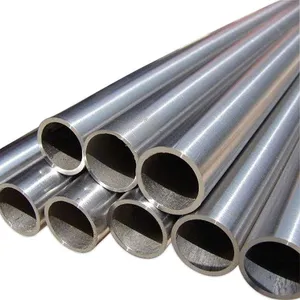
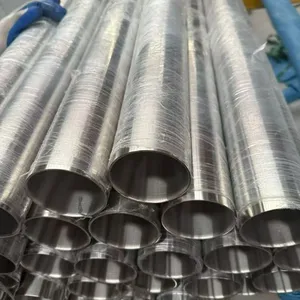
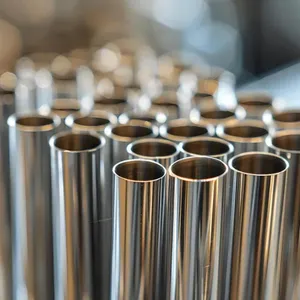
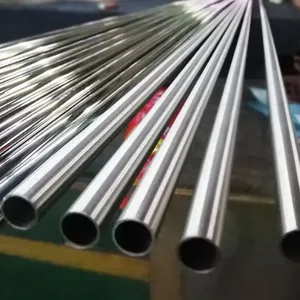
2507 Polished Super Duplex Pipe | Wall 2-15mm | OEM Supply
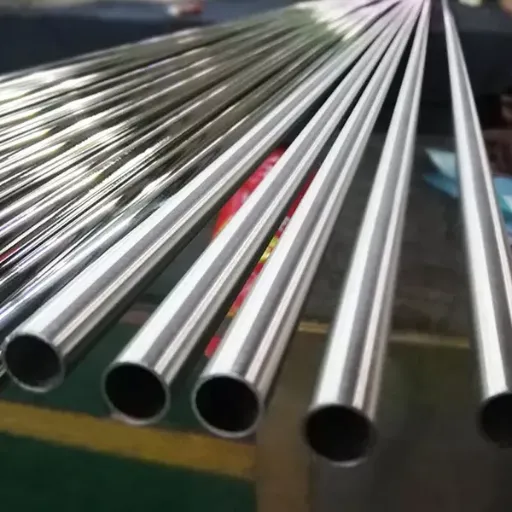
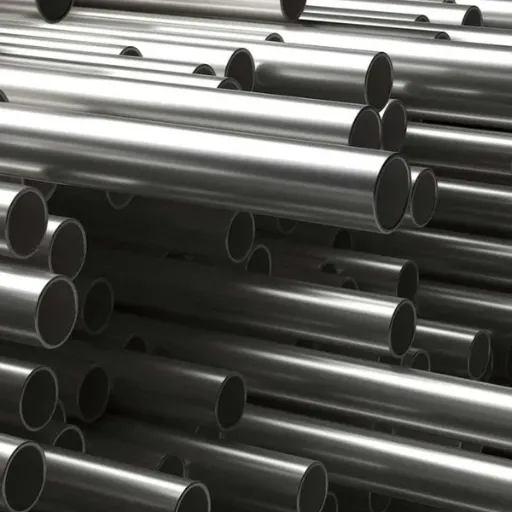
Product Spotlights
✅ Wall thickness range 2–15mm — precision-controlled tolerance suited to both process piping and structural applications
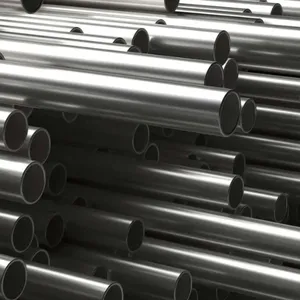
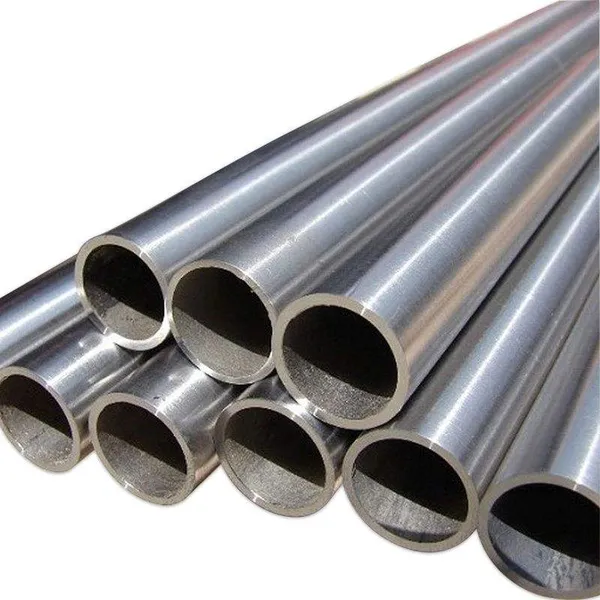
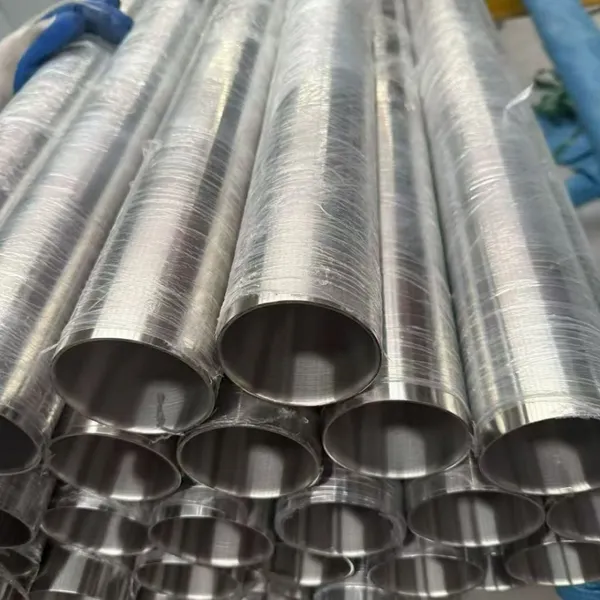
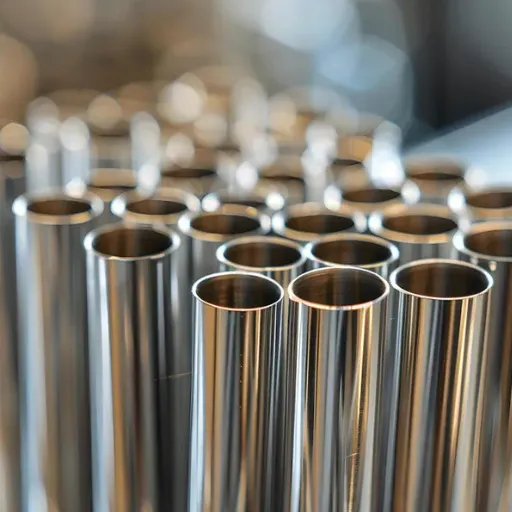
✅ Polished surface finish (No.4/mirror grade available) — smooth interior/exterior for hygienic-adjacent and high-flow process use
✅ Manufactured to ASTM A790 / A789 / EN 10216-5 — Mill Test Certificate (MTC 3.1) issued per heat, OEM drawing



Related Products
-
 ASTM A312 TP304 Seamless Stainless Steel Pipe Sch10 Sch40 1/2in-12in Chemical IndustryUS$ 1.85 - 4.15MOQ: 100 Kilograms
 -
316L / 304 Stainless Steel Seamless Pipe (ASTM A312) – Marine Seawater SystemsUS$ 1.85 - 4.15MOQ: 100 Kilograms
-
304 Stainless Steel Bright Annealed Tube (ASTM A269) – Food & Dairy Sanitary LineUS$ 1.85 - 4.15MOQ: 100 Kilograms
-
Duplex 2205 Stainless Steel Pipe (EN 10216) – Offshore Corrosion ResistanceUS$ 1.85 - 5.15MOQ: 100 Kilograms
-
316L Stainless Steel Tube (ASTM A213) – Chemical & Acid Resistant PipelinesUS$ 1.85 - 4.15MOQ: 100 Kilograms
2507 Super Duplex Pipe: A Technical Guide for OEM and High-Performance Process Applications
Duplex stainless steels occupy a distinct engineering niche between standard austenitic grades and nickel-based alloys, combining high strength with strong resistance to chloride-induced corrosion. Within the duplex family, grade 2507 represents the "super duplex" tier — an alloy specification developed for the most demanding combinations of mechanical loading, corrosive media, and long-term service life. This guide reviews the metallurgy, mechanical performance, manufacturing process, and OEM sourcing considerations for 2507 super duplex pipe.
What Is 2507 Super Duplex Stainless Steel?
2507, identified under UNS S32750 and EN designation 1.4410, is a super duplex stainless steel with a microstructure composed of roughly equal parts austenite and ferrite. This dual-phase structure is the source of the alloy's defining characteristics: substantially higher strength than single-phase austenitic grades, combined with corrosion resistance that exceeds most standard austenitic stainless steels.
Balanced austenite-ferrite microstructure (approximately 50/50) provides a strength and corrosion-resistance combination not achievable in single-phase alloys
High chromium, molybdenum, and nitrogen content produce a Pitting Resistance Equivalent Number (PREN) of 42 or higher
Lower nickel content than comparable super-austenitic grades offers a degree of cost stability against nickel price volatility
Chemical Composition
| Element | 2507 (%) | 2205 Standard Duplex (%) for reference |
|---|---|---|
| Carbon (C) | ≤ 0.03 | ≤ 0.03 |
| Chromium (Cr) | 24.0–26.0 | 21.0–23.0 |
| Nickel (Ni) | 6.0–8.0 | 4.5–6.5 |
| Molybdenum (Mo) | 3.0–5.0 | 2.5–3.5 |
| Nitrogen (N) | 0.24–0.32 | 0.08–0.20 |
| Manganese (Mn) | ≤ 1.2 | ≤ 2.0 |
| Phosphorus (P) | ≤ 0.035 | ≤ 0.03 |
| Sulfur (S) | ≤ 0.02 | ≤ 0.02 |
The higher chromium, molybdenum, and nitrogen content relative to standard 2205 duplex is what pushes 2507 into the "super duplex" category, raising its PREN from roughly 35 (2205) to 42 or above.
Mechanical Properties
| Property | Typical Value |
|---|---|
| Tensile Strength | ≥ 795 MPa (116 ksi) |
| Yield Strength (0.2% offset) | ≥ 550 MPa (80 ksi) |
| Elongation | ≥ 15% |
| Hardness (Brinell) | ≤ 310 HB |
| Density | 7.8 g/cm³ |
| Max Service Temperature | Up to 300°C (higher temperatures risk embrittlement) |
The yield strength of 2507 is approximately double that of standard 316L austenitic stainless steel. In pressure-piping design, this strength margin can allow a reduced wall thickness for the same pressure rating, subject to full engineering calculation and code compliance — a factor OEM designers frequently evaluate when targeting weight or space savings.
Why 2507 Is Specified for Demanding OEM Applications
Super duplex grades like 2507 are typically selected when a project requires both mechanical strength and chloride corrosion resistance simultaneously — a combination that would otherwise require oversized austenitic piping or a more expensive nickel-based alloy.
High mechanical strength — supports thinner wall sections, reduced weight, and higher pressure ratings versus standard austenitic pipe
Chloride pitting and crevice resistance — PREN ≥ 42 places 2507 performance close to select super-austenitic 6Mo alloys
Stress corrosion cracking resistance — the ferritic phase component significantly improves resistance to chloride stress corrosion cracking compared to fully austenitic grades
Sour service suitability — commonly specified for H2S-containing oil and gas environments per NACE MR0175/ISO 15156 criteria, subject to project-specific qualification
| Performance Factor | Standard 316L | 2205 Duplex | 2507 Super Duplex |
|---|---|---|---|
| PREN | ~24 | ~35 | ≥ 42 |
| Yield Strength | ~205 MPa | ~450 MPa | ≥ 550 MPa |
| Chloride SCC Resistance | Moderate | Good | Very good |
| Relative Cost | Lower | Moderate | Higher |
Wall Thickness and Dimensional Range
The 2–15mm wall thickness range positions this product for both precision OEM tubing applications and heavier process/structural piping needs.
| Wall Thickness Category | Typical Range | Common Use |
|---|---|---|
| Thin-wall | 2–5mm | OEM equipment tubing, instrumentation lines |
| Standard wall | 5–10mm | General process and structural piping |
| Heavy wall | 10–15mm | High-pressure process lines, subsea/offshore piping |
OEM sourcing typically involves custom OD, length, and end-preparation specifications aligned to a customer drawing, distinguishing it from standard stock-length distribution supply.
Manufacturing Process
2507 pipe production requires tightly controlled thermal processing due to the alloy's sensitivity to phase balance — deviations in heat treatment can shift the austenite-ferrite ratio away from the target 50/50 balance, affecting both mechanical and corrosion performance.
✅️Hot Forming
Billet or hollow shell is hot-worked to establish base pipe geometry
Performed within a controlled temperature window to avoid excessive ferrite formation
✅️Cold Working / Finishing
Refines dimensional tolerance and surface condition
Requires closely monitored intermediate annealing to maintain phase balance and avoid intermetallic precipitation
Post-forming processing typically includes:
Solution annealing at a controlled temperature to re-establish the target austenite-ferrite balance
Rapid water quenching to prevent secondary intermetallic phase formation (notably sigma phase)
Pickling and passivation to establish a uniform passive oxide layer
Polishing to the specified surface finish (No.4, BA, or mirror grade)
Final straightening, sizing, and dimensional inspection
Phase balance verification — typically via ferrite content measurement — is a standard quality step for 2507, since incorrect phase ratio is one of the most common sources of underperformance in duplex piping.
Surface Finish: Polished Options
Polished finish is a defining feature of this product specification, offered in multiple grades depending on application requirements:
No.4 brushed finish — uniform directional grain, commonly used for OEM equipment with moderate cleanability requirements
BA (Bright Annealed) — smooth, low-roughness finish suited to process flow applications
Mirror polish — highest surface refinement, used where flow resistance, fouling reduction, or visual/hygienic-adjacent requirements apply
Surface finish also plays a secondary corrosion-resistance role: lower surface roughness reduces the number of micro-crevice sites where localized corrosion could otherwise initiate, complementing the alloy's inherent PREN advantage.
Testing and Quality Assurance
| Test Type | Purpose |
|---|---|
| Ultrasonic Testing | Full-wall defect detection, 100% inline coverage |
| Hydrostatic Testing | Confirms pressure integrity of finished pipe |
| Chemical Composition Analysis | Verifies heat chemistry against specification limits |
| Mechanical Testing | Tensile, yield, elongation, and hardness testing per batch |
| Ferrite Content Measurement | Confirms austenite-ferrite phase balance (typically 35–65% ferrite range) |
| Pitting Resistance Test | Critical pitting temperature (CPT) per ASTM G48 where specified |
| Impact Testing | Charpy V-notch testing for low-temperature toughness where required |
| Dimensional Inspection | OD, wall thickness, ovality, and straightness verification |
Each shipment is typically accompanied by a Mill Test Certificate issued per EN 10204 3.1, with 3.2 third-party witnessed certification available — frequently required for OEM contracts supplying oil and gas or offshore equipment manufacturers.
Applicable Standards
| Standard | Scope |
|---|---|
| ASTM A790 | Seamless and welded ferritic/austenitic (duplex) stainless steel pipe |
| ASTM A789 | Seamless and welded ferritic/austenitic stainless steel tubing |
| ASTM A928 | Welded ferritic/austenitic duplex stainless pipe with filler metal additions |
| EN 10216-5 | Seamless steel tubes for pressure purposes — stainless steel tubes |
| NACE MR0175 / ISO 15156 | Sour service material qualification (where applicable) |
Compliance with duplex-specific standards, along with ferrite content and pitting resistance testing, is typically a baseline requirement for OEM contracts supplying oil and gas, offshore, and chemical processing equipment manufacturers.
OEM Supply Considerations
OEM procurement for 2507 super duplex pipe generally differs from standard distribution stock in several respects:
Custom dimensional specification — OD, wall thickness, and length matched to a customer's equipment drawing rather than standard stock sizes
End preparation — beveling, threading, or custom machining performed to OEM assembly requirements
Batch traceability — heat-to-component traceability often required for OEM quality systems and downstream customer audits
Flexible order volume — OEM supply arrangements typically support both prototype/small-batch runs and recurring production volumes under a standing specification
| OEM Consideration | Typical Requirement |
|---|---|
| Dimensional tolerance | Per customer drawing, tighter than standard mill tolerance where specified |
| Documentation | MTC 3.1/3.2, ferrite content report, dimensional inspection report |
| End preparation | Custom bevel, thread, or machined end per drawing |
| Traceability | Heat number traceable to individual pipe lengths or batches |
Selecting the Right Specification
Before finalizing an OEM order for 2507 super duplex pipe, engineering and procurement teams typically confirm:
Required wall thickness and OD based on pressure rating, mechanical load, and equipment design envelope
Applicable standard (ASTM vs EN) based on end-customer and regulatory requirements
Surface finish grade required for the application (No.4, BA, or mirror polish)
Sour service qualification requirements (NACE MR0175/ISO 15156) if applicable
Ferrite content and pitting resistance testing requirements
MTC documentation format and any additional OEM-specific quality documentation
Sourcing 2507 super duplex pipe across the 2–15mm wall thickness range from an OEM-capable manufacturer allows both prototype development and full production runs to be supported under a single qualified supply chain, reducing requalification effort across product development stages.
FAQ – Click to Expand
[+] Q1. How can I get a quick quotation from you?
A: Just send us your material grade, dimensions (thickness × width × length), required quantity, and preferred trade term (FOB/CIF/DAP). We'll reply within 24 hours – even faster for urgent requests.
[+] Q2. Do you offer free samples before I commit to a bulk order?
A: Yes, for standard stock items we provide free samples – you only cover the courier cost. For custom sizes, we may charge a small batch fee, which will be deducted from your first order.
[+] Q3. What surface finishes can you apply to stainless steel?
A: We offer 2B, BA, No.4, hairline, mirror (8K), embossed, and even custom grit levels. Please let us know your aesthetic or functional requirements.
[+] Q4. Can you supply materials with full traceability from mill to delivery?
A: Absolutely. Every coil/plate is marked with heat numbers and batch codes. We maintain a complete record – from raw material purchase to final dispatch.
[+] Q5. What is your typical packaging for export containers?
A: Standard seaworthy packaging – moisture-proof paper, galvanized steel outer wrap, and strong steel straps. For coils, we use cradle supports and inflatable dunnage bags.
[+] Q6. Do you provide technical support for welding or forming?
A: Yes, our engineers can recommend optimal welding parameters, preheating temperature, and even post-weld treatment to avoid cracking or distortion.
[+] Q7. How do you handle urgent orders during peak season?
A: We reserve a buffer stock for loyal customers. Please notify us as early as possible – we will check real-time availability and offer expedited production (surcharge may apply).
[+] Q8. What payment terms are most common for new clients?
A: We accept T/T, L/C at sight, or a combination (e.g. 30% deposit + 70% against B/L copy). Terms are negotiable based on order size and your company profile.

Send Inquiry to This Supplier



You May Also Like
-
Seamless Stainless Steel Pipe 304 / 316L – Oil & Gas High Pressure FlowlineUS$ 1.85 - 4.15MOQ: 100 Kilograms
-
321 Stainless Steel Tube (ASTM A213) – Heat Resistant Boiler & SuperheaterUS$ 1.85 - 5.15MOQ: 100 Kilograms
-
Welded Stainless Steel Tube 304 / 316L (ASTM A269) – HVAC & RefrigerationUS$ 1.85 - 4.15MOQ: 100 Kilograms
-
2507 Super Duplex Stainless Steel Pipe (ASTM A790) – Desalination & Seawater EngineeringUS$ 6.85 - 9.17MOQ: 100 Kilograms
-
Food Grade 316L Stainless Steel Tube – Polished Beverage & Dairy SystemsUS$ 1.85 - 4.15MOQ: 100 Kilograms
-
904L Stainless Steel Pipe – Strong Acid Chemical EnvironmentUS$ 10.85 - 15.15MOQ: 100 Kilograms
-
304 Stainless Steel Round Tube for Structural Handrail and Architectural Design UseUS$ 1.85 - 4.15MOQ: 100 Kilograms
-
ASTM A312 Stainless Steel Pipe 316L Seamless for Industrial Fluid Transport SystemsUS$ 1.85 - 4.15MOQ: 100 Kilograms
-
Stainless Steel Capillary Tube 304 316L for Instrumentation and Control Precision LinesUS$ 1.85 - 4.15MOQ: 100 Kilograms
-
310S Stainless Steel Tube for Furnace High Temperature Exhaust and Thermal SystemsUS$ 5.85 - 9.15MOQ: 100 Kilograms


