








 Contact Platform Support
 Help Center
2205 Duplex Cold Rolled Stainless Steel Sheet | Oil Pipe Application
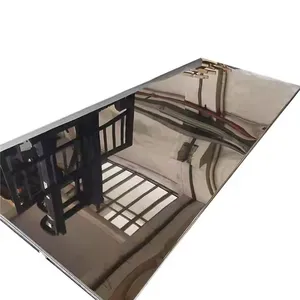
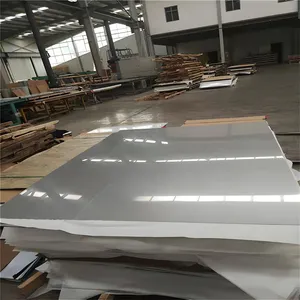
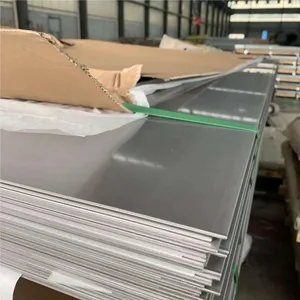
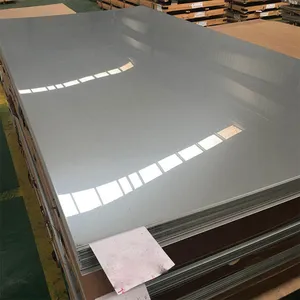
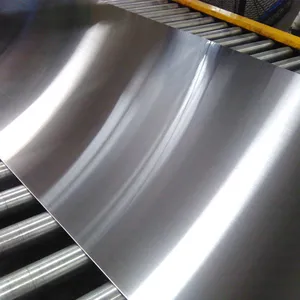
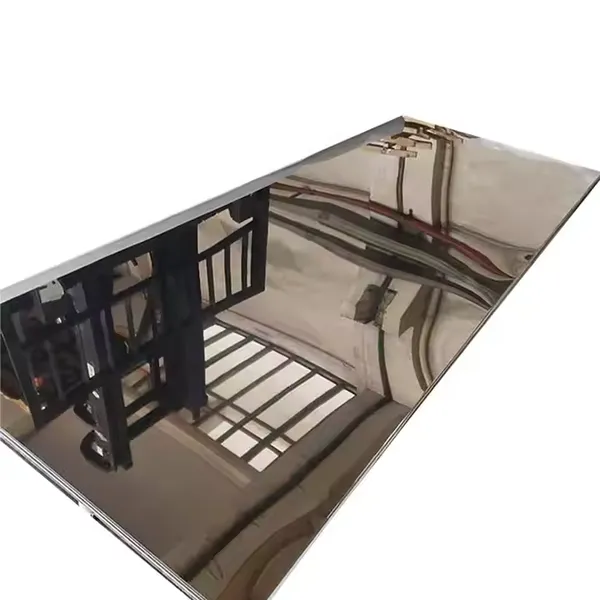
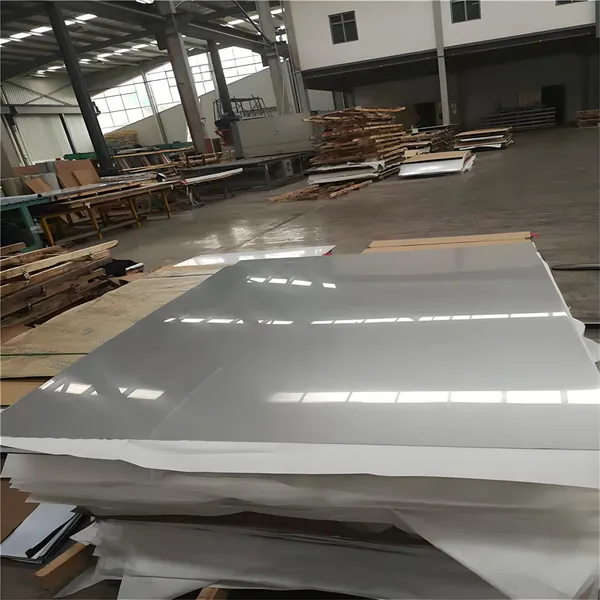
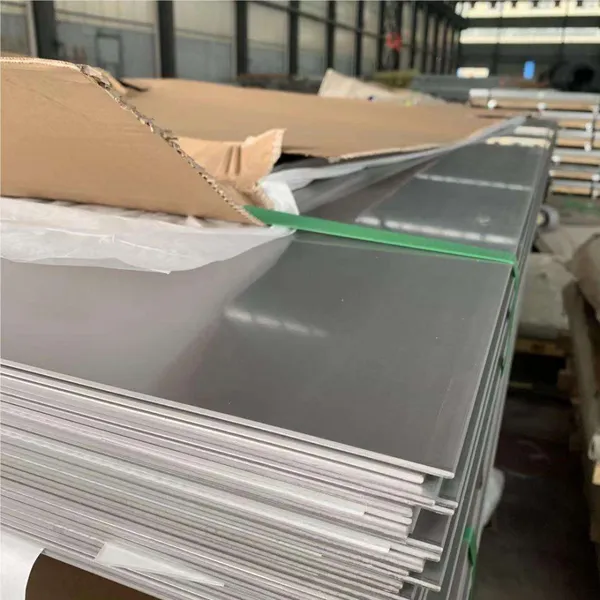
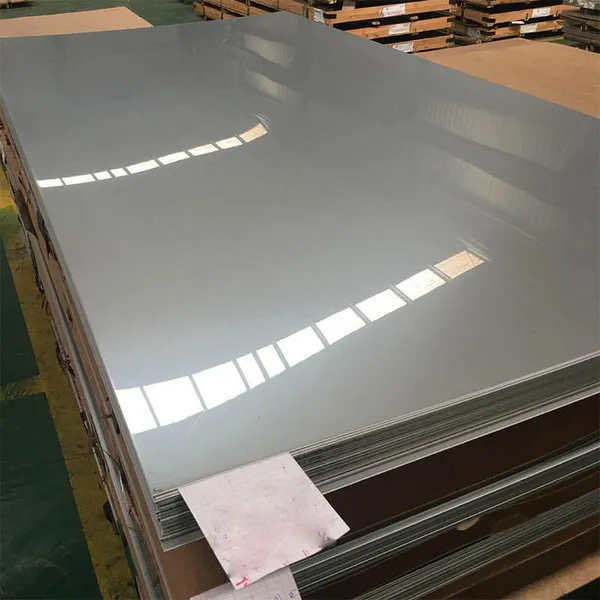
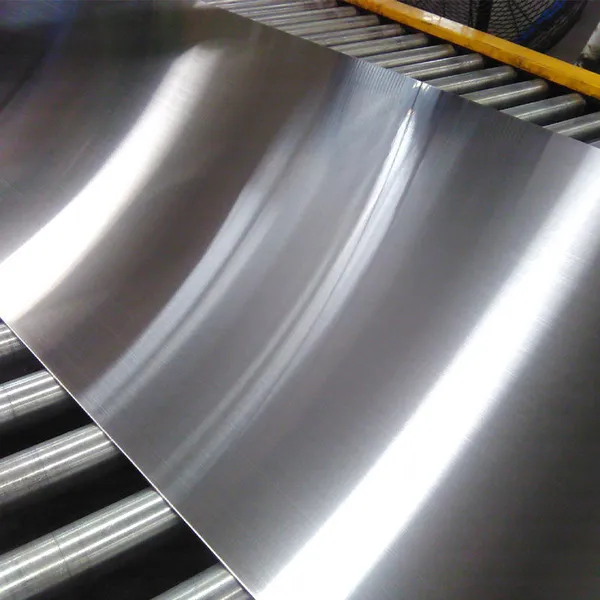
Product Spotlights



Related Products
-
 ASTM 304 Stainless Steel Sheet 2B Finish 2mm 1219x2438mm Mill Edge for Kitchen EquipmentUS$ 1.85 - 4.15MOQ: 100 Kilograms
 -
SUS304 Cold Rolled Stainless Sheet 1.5mm 1500x3000mm BA Surface Laser Cutting UseUS$ 1.85 - 4.15MOQ: 100 Kilograms
-
DIN 1.4301 Stainless Steel Plate 3mm 4x8ft No.4 Brushed Finish for Elevator PanelsUS$ 1.85 - 4.15MOQ: 100 Kilograms
-
EN X5CrNi18-10 Stainless Sheet 0.8mm 1000x2000mm 2B Surface Decorative ApplicationUS$ 1.85 - 4.15MOQ: 100 Kilograms
-
GB 06Cr19Ni10 Stainless Steel Plate 6mm 1500x6000mm Pickled Surface Tank FabricationUS$ 1.85 - 4.15MOQ: 100 Kilograms
2205 Duplex Cold Rolled Stainless Steel Plate: A Technical Guide for Oil and Gas Pipe Applications
Oil and gas production environments subject metallic components to a demanding combination of mechanical stress, chloride exposure, and, in many cases, hydrogen sulfide-bearing sour service conditions. Standard austenitic stainless steels, while corrosion resistant, often lack the strength-to-weight efficiency and stress corrosion cracking resistance required for downhole tubing, flowlines, and process piping in these environments. 2205 duplex stainless steel plate has become the material of choice for engineers specifying pipe and fabricated components in oilfield applications, owing to its dual-phase microstructure that combines the corrosion resistance of austenitic grades with the strength characteristics of ferritic grades. This article provides a technical overview of 2205 cold-rolled duplex plate, covering its metallurgy, mechanical performance, manufacturing process, and suitability for oil pipe applications.
Metallurgical Composition and Dual-Phase Structure
2205 is classified as a duplex stainless steel, meaning its microstructure consists of an approximately equal mixture of austenite and ferrite phases, typically maintained within a 40-60% ratio range. This dual-phase structure is achieved through a carefully balanced chemical composition and controlled thermal processing.
| Element | Percentage Range |
|---|---|
| Chromium (Cr) | 22.0% – 23.0% |
| Nickel (Ni) | 4.5% – 6.5% |
| Molybdenum (Mo) | 3.0% – 3.5% |
| Nitrogen (N) | 0.14% – 0.20% |
| Carbon (C) | ≤ 0.03% |
| Manganese (Mn) | ≤ 2.0% |
| Silicon (Si) | ≤ 1.0% |
| Phosphorus (P) | ≤ 0.03% |
| Sulfur (S) | ≤ 0.02% |
| Iron (Fe) | Balance |
The combination of high chromium, molybdenum, and nitrogen content gives 2205 a Pitting Resistance Equivalent Number (PREN) of approximately 34-38, calculated as Cr + 3.3(Mo) + 16(N). This is significantly higher than the PREN of 316L (24-26), positioning 2205 as a substantially more corrosion-resistant option for high-chloride and sour service environments encountered in oilfield operations.
Mechanical and Physical Properties
The dual-phase microstructure of 2205 provides a distinctive mechanical profile, combining higher strength than austenitic grades with better toughness and weldability than fully ferritic grades.
| Property | Typical Value |
|---|---|
| Tensile Strength | 620 – 880 MPa |
| Yield Strength (0.2% offset) | ≥ 450 MPa |
| Elongation at Break | ≥ 25% |
| Hardness (Brinell) | ≤ 293 HB |
| Density | 7.8 g/cm³ |
| Melting Point | 1350 – 1400°C |
| Thermal Conductivity | 19 W/m·K |
| Maximum Service Temperature | 300°C (continuous, oxidizing environments) |
The yield strength of 2205, at roughly double that of 316L, allows engineers to specify thinner wall sections for equivalent pressure ratings, reducing overall material weight and, in many cases, total installed cost despite the higher per-kilogram alloy price.
Cold Rolling Process and Phase Balance Control
Cold rolling of duplex stainless steel requires more careful process control than austenitic grades due to the need to preserve the austenite-ferrite phase balance throughout thickness reduction and subsequent heat treatment.
| Process Stage | Function |
|---|---|
| Hot Rolling (Feedstock) | Initial slab reduction, establishes preliminary phase structure |
| Solution Annealing | Homogenizes phase balance at 1020-1100°C |
| Cold Rolling | Achieves precise gauge with strain-hardening effect |
| Final Solution Annealing | Restores optimal 50/50 phase balance, relieves cold-work stress |
| Water Quenching | Rapid cooling prevents unwanted intermetallic phase formation |
| Pickling & Passivation | Removes scale, restores passive surface layer |
A critical control point in duplex processing is avoiding prolonged exposure in the 300-1000°C range, where deleterious intermetallic phases such as sigma phase can precipitate, reducing both toughness and corrosion resistance. Rapid quenching following final annealing is therefore essential to lock in the desired microstructure.
Ferrite Content and Quality Verification
Because mechanical and corrosion performance in duplex stainless steel is directly tied to phase balance, ferrite content measurement is a standard quality control step for 2205 plate intended for oil pipe applications.
| Test Method | Purpose |
|---|---|
| Magnetic Ferrite Scope | Rapid, non-destructive ferrite percentage measurement |
| Metallographic Examination | Microstructural verification of phase distribution and absence of intermetallic phases |
| Impact Testing (Charpy V-notch) | Confirms toughness, particularly at low service temperatures |
| Pitting Corrosion Test (ASTM G48) | Verifies critical pitting temperature against specification |
Mill test certificates for oilfield-grade 2205 plate typically report ferrite content within the 35-65% range, alongside tensile, hardness, and corrosion test results, providing purchasers with documented assurance of phase balance suitability for the intended service.
Corrosion Resistance in Oilfield Environments
Oil and gas production environments frequently involve a combination of corrosive mechanisms that make material selection particularly demanding:
Chloride Stress Corrosion Cracking (SCC) Resistance: The duplex microstructure provides substantially improved SCC resistance compared to austenitic grades, particularly relevant in produced water and high-chloride brine environments.
Sour Service Resistance: With appropriate hardness control, 2205 can qualify for use in hydrogen sulfide-containing environments under NACE MR0175/ISO 15156 requirements, subject to specific hardness and environmental limits.
Pitting and Crevice Corrosion Resistance: The elevated PREN value provides strong resistance to localized corrosion in high-chloride produced water and seawater injection systems.
Erosion-Corrosion Resistance: Higher strength and hardness relative to austenitic grades improve resistance to erosive wear in high-velocity flowline applications.
Compliance Standards and Certification
| Standard/Certification | Region | Relevance |
|---|---|---|
| ASTM A240 / A480 | United States | Chemical and mechanical specification for duplex plate |
| ASTM A923 | United States | Detection of detrimental intermetallic phases |
| NACE MR0175 / ISO 15156 | International | Sour service material qualification |
| EN 10088-2 | European Union | Stainless steel flat product standard |
| DNV-GL Material Approval | International | Offshore and marine equipment qualification |
| MTC 3.1 (EN 10204) | International | Independently verified material test certificate |
Purchasers specifying 2205 plate for sour or high-pressure oilfield service should confirm NACE MR0175 compliance and request ASTM A923 test results to verify the absence of detrimental intermetallic phases prior to fabrication.
Applications in Oil Pipe and Oilfield Equipment
2205 duplex plate is widely fabricated into pipe and pipe-related components across upstream and midstream oil and gas operations:
Flowlines and Gathering Systems: Transporting produced fluids containing chlorides, CO2, and in some cases H2S.
Downhole Tubing and Casing Components: Where high strength and corrosion resistance reduce wall thickness requirements.
Subsea Pipeline Systems: Benefiting from combined mechanical strength and seawater corrosion resistance.
Process Piping and Vessels: Handling produced water, injection water, and process chemicals at oil and gas processing facilities.
Wellhead and Manifold Components: Requiring resistance to sour service conditions per NACE guidelines.
Heat Exchanger Tubing and Plate: Where thermal cycling combines with corrosive process fluids.
Regional Sourcing Considerations
| Region | Common Sourcing Preference | Key Consideration |
|---|---|---|
| North America | ASTM/NACE-certified, PMI-verified | Sour service qualification for shale and offshore projects |
| Europe | EN 10088-certified, DNV-GL approved | North Sea offshore compliance requirements |
| Southeast Asia | Cost-competitive with quality certification | Growing offshore and refinery demand |
| Middle East | High-PREN grades for high-salinity, sour environments | NACE compliance for Gulf oilfield operations |
Fabrication and Welding Considerations
Successful fabrication of 2205 duplex plate into oil pipe components requires attention to process parameters that preserve the phase balance and corrosion performance established during mill processing:
Control interpass welding temperatures below 150°C to avoid excessive ferrite formation and reduced toughness in the heat-affected zone.
Use duplex-matched filler metals (such as ER2209) with slightly higher nickel content to promote adequate austenite reformation during weld cooling.
Verify post-weld ferrite content through metallographic testing to confirm phase balance meets specification before placing components into service.
Avoid mechanical or thermal processes that hold material in the sigma-phase formation range for extended periods, as this can compromise both toughness and corrosion resistance in the finished component.
Wuxi Yansheng Technology Co., Ltd. — Company Profile
Company Overview
Wuxi Yansheng Technology Co., Ltd. is located in Wuxi, Jiangsu Province — a core manufacturing hub in China's Yangtze River Delta. We are an integrated enterprise specializing in the R&D, processing, and international trade of special steels and non-ferrous metals. Leveraging Wuxi's mature steel industry cluster and efficient logistics network, we consolidate premium supply-chain resources to provide global customers with a wide range of high-quality metal materials and one-stop solutions. Our products are exported to Europe, the Americas, Southeast Asia, the Middle East, and many other regions worldwide.
Core Products
We offer a complete product portfolio spanning both ferrous and non-ferrous metals:
· Stainless Steel — 304, 316L, 430 and other grades, available in coils, plates, pipes, and profiles; widely used in petrochemicals, food processing, and architectural decoration.
· Silicon Steel (Electrical Steel) — grain-oriented (GOES) and non-oriented (CRNGO) silicon steel for transformers, motors, and new-energy applications.
· Copper — pure copper, brass, and copper alloys with excellent electrical and thermal conductivity for power, electronics, and heat-dissipation industries.
· Nickel-based Alloy — high-temperature and corrosion-resistant specialty alloys for aerospace, chemical processing, and marine engineering.
· Aluminum & Aluminum Alloys — lightweight and easy to fabricate, used in transportation, packaging, and building facades.
· PPGI (Pre-Painted Galvanized Iron) — pre-coated galvanized steel with rich colors and strong weather resistance, mainly for home appliances and exterior cladding.
· Carbon Steel — mild, high-quality, and low-alloy carbon steels covering structural, pipeline, and machinery-manufacturing applications.
Corporate Spirit & Culture
· Mission: Built on steel, driven by integrity — creating value for customers and building a shared future with partners.
· Core Values: Integrity · Professionalism · Quality · Win-Win.
· Company Spirit: Forged in fire, striving for excellence — crafting quality with dedication and earning trust through expertise.
· Quality Policy: Source-level control and full traceability. Every batch is supplied with a Mill Test Certificate (MTC) compliant with EN 10204, ensuring both material composition and performance meet specification.
Why Choose Us
· Full Range: Ferrous and non-ferrous metals from a single source, reducing multi-supplier coordination costs.
· Standard Compatibility: Proficient in ASTM, GB, JIS, and EN standards to precisely match your technical requirements.
· Trade Expertise: Skilled in all major Incoterms, offering end-to-end service from inquiry and customs clearance to ocean freight.
· Flexible Delivery: Custom specifications, small-batch orders, and mixed-container consolidation to meet global demand.
Yansheng Technology — committed to stable quality and sincere service, your trusted partner in metal materials.
Frequently Asked Questions (FAQ)
Q1. What products do you primarily supply?
We offer a wide range of metal materials, including stainless steel (grades 304, 316, BA, EP), carbon steel, silicon steel, copper, and aluminum — available in sheets, pipes, and coils. Customized processing services are also available upon request.
Q2. Do you keep stock?
Yes, we maintain ample inventory for most standard specifications. For non-standard sizes, we accept orders with reasonable production lead times.
Q3. Can you provide Mill Test Certificates (MTC)?
Absolutely. MTC is provided with every shipment. We can also arrange third-party inspections by SGS, TÜV, BV, or other accredited agencies at your request.
Q4. Is video inspection available before shipment?
Yes, we fully support live video inspection. Alternatively, you may send your own agent or a third-party inspector to visit our factory for on-site checks prior to shipment.
Q5. Which markets do you mainly export to?
Our major export destinations include Southeast Asia, the Middle East, Europe, Africa, and South America. We have extensive experience in international trade and export documentation.
Q6. What payment methods do you accept?
We accept T/T (wire transfer) and irrevocable L/C at sight. We also offer flexible combinations, such as T/T deposit plus L/C balance. Payment terms can be negotiated based on order value and customer history.
Q7. Can I get samples?
Yes, samples are available for most standard products. For custom sizes, we may need to produce small trial batches. Sample costs and shipping fees are generally borne by the customer, but we are open to discussion.
Q8. What is your typical lead time?
For stock items: 10-15 days after order confirmation.
For custom production: About 30 days, depending on specifications and order quantity.
Q9. What quality certifications do you hold?
We issue MTC with every delivery. Our partner mills are ISO9001 certified. Additionally, we can facilitate third-party inspections (SGS, TÜV, BV, etc.) whenever required.
Q10. How do I request a quotation?
Simply send us your material grade, dimensions (size, thickness, length), quantity, and preferred trade term (FOB, CIF, DAP, etc.). We will provide a detailed quote within 24 hours.

Send Inquiry to This Supplier



You May Also Like
-
ASTM 316L Stainless Plate 5mm 1500x3000mm 2B Finish for Chemical Processing EquipmentUS$ 1.85 - 4.15MOQ: 100 Kilograms
-
SUS316 Stainless Steel Sheet 2mm 1219x2438mm No.1 Surface for Marine Engineering PartsUS$ 1.85 - 4.15MOQ: 100 Kilograms
-
DIN 1.4401 Stainless Plate 8mm 2000x6000mm Hot Rolled Finish for Seawater ProjectsUS$ 1.85 - 4.15MOQ: 100 Kilograms
-
EN X2CrNiMo17-12-2 Stainless Sheet 4mm 1500mm Width 2B Surface Food Industry UseUS$ 1.85 - 4.15MOQ: 100 Kilograms
-
GB 022Cr17Ni12Mo2 Stainless Steel Plate 10mm No.1 Surface for Pressure Vessel FabricationUS$ 1.85 - 4.15MOQ: 100 Kilograms
-
ASTM 201 Stainless Steel Sheet 0.5mm 1000x2000mm BA Finish for Decorative CladdingUS$ 1.85 - 4.15MOQ: 100 Kilograms
-
SUS201 Stainless Plate 1mm Mirror Finish 1219x2438mm for Interior Wall DecorationUS$ 1.85 - 4.15MOQ: 100 Kilograms
-
DIN 1.4372 Stainless Steel Sheet 0.7mm 2B Surface Slitting Processing AvailableUS$ 1.15 - 1.85MOQ: 100 Kilograms
-
EN X12CrMnNiN17-7-5 Stainless Sheet 1.2mm Hairline Finish for Architectural PanelsUS$ 1.85 - 4.15MOQ: 100 Kilograms
-
GB 12Cr17Mn6Ni5N Stainless Steel Sheet 0.6mm 4x8ft Decorative Building MaterialUS$ 1.85 - 4.15MOQ: 100 Kilograms


