








 Contact Platform Support
 Help Center
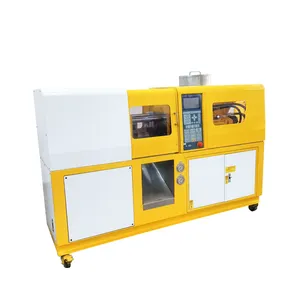
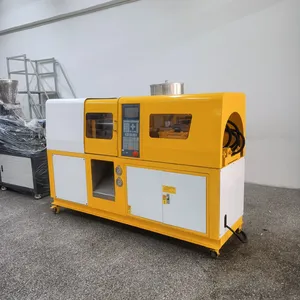
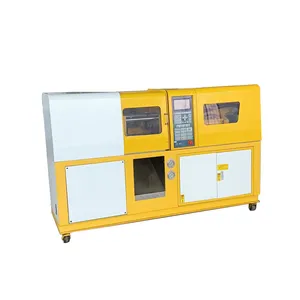
Laboratory Injection Molding Machine for Polymer Material Research Sample Preparation and Quality Testing
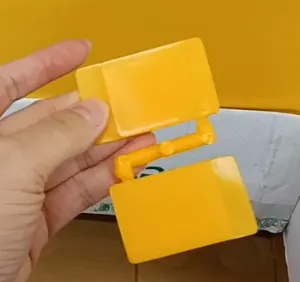
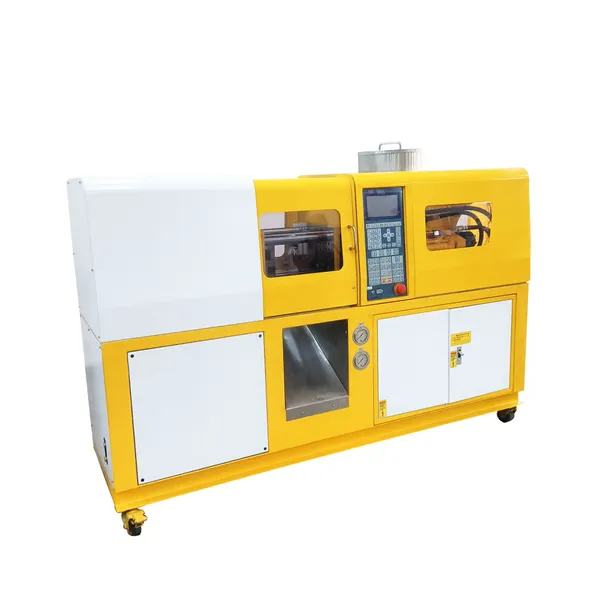
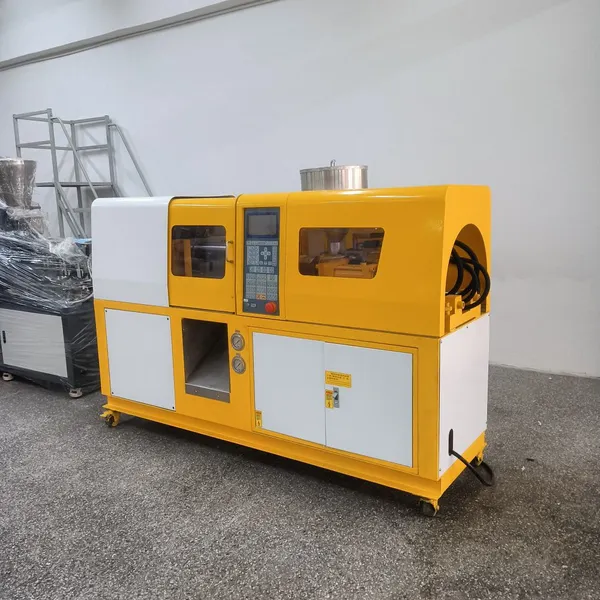
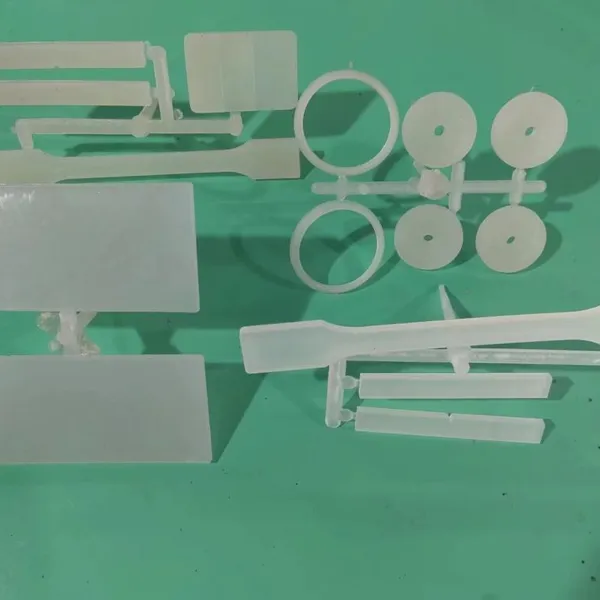
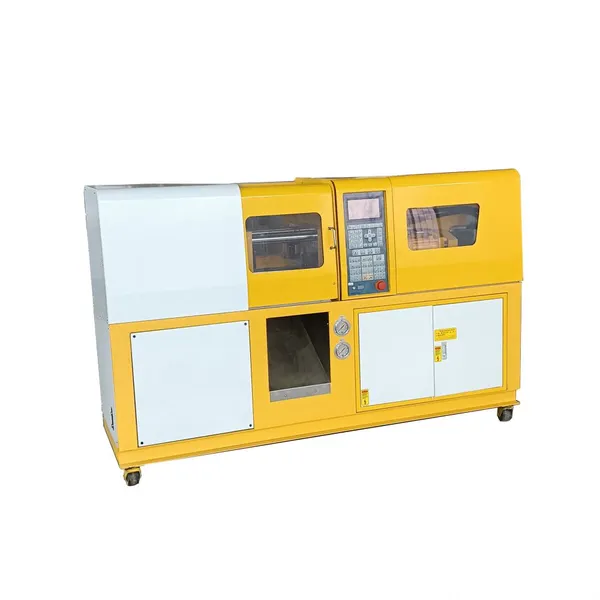
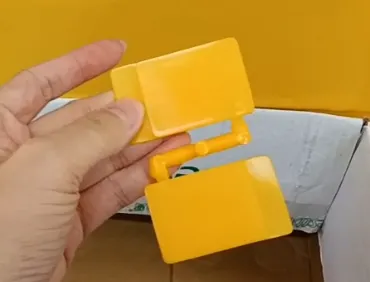
Product Spotlights
Easy Operation with Stable Performance
Precise Temperature and Injection Control
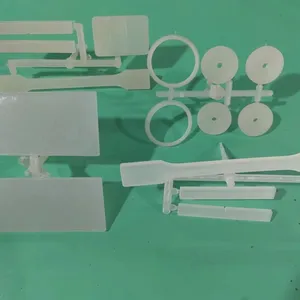
Suitable for PP, PE, ABS and Engineering Plastics
Ideal for Standard Test Specimen Preparation


Related Products
-
 Weixiang Machinery Injection Molding Machine - Ultra-Precise, Energy-Efficient, High-Speed for Engineering Plastics (PA, POM)US$ 21500MOQ: 1 Unit
 -
High Precision Servo Energy Saving Plastic Injection Molding Machine for PP PE ABS PVC ProductsUS$ 21500MOQ: 1 Unit
-
Precision Plastic Injection Molding Machine With Fast Cycle Time and Low Energy ConsumptionUS$ 21500MOQ: 1 Unit
-
Small Injection Molding Machine for Plastic Sample Preparation Polymer Research and Quality TestingUS$ 21500MOQ: 1 Unit
-
Weixiang Machine Blow Molding Machine - Ultra-Efficient, Energy-Saving, & Precision-Controlled for High-Output PE/PP Film ProductionUS$ 26800MOQ: 1 Unit
Working Principle of Injection Molding Machine (Plastic Molding)
1,The clamping unit drives the moving platen forward, closing the mold (moving half and fixed half). Then, the clamping mechanism (e.g., toggle, hydraulic cylinder) applies tremendous clamping force to lock the mold tightly, resisting the melt pressure during injection and preventing part flash.
2,The injection unit operates: After rotating for plastication, the screw acts as a plunger and advances axially under powerful hydraulic or servo motor thrust. It forces the molten plastic at the front of the barrel at high speed and pressure through the nozzle and the mold's runner system, injecting it into the closed cavity. The screw maintains forward pressure (holding/packing) to compensate for shrinkage during cooling, preventing sink marks.
3,The melt inside the cavity cools and solidifies due to the circulating cooling medium (water or oil), taking the shape of the part. Simultaneously, in the rear section of the barrel, the screw rotates, conveying fresh plastic pellets forward. Through combined external heating and shear heat from the screw, the plastic is melted (plasticated), mixed, and compacted, accumulating at the screw tip for the next shot.
4,After the part has cooled and set, the clamping force is released, and the clamping unit retracts the moving platen to open the mold. Once open, the ejection mechanism (e.g., ejector pins, plate) activates, automatically ejecting the molded part from the mold cavity or core, completing one cycle.
| Specification | Model No. | Unit | 20T | 25T | 40T | 60T |
| Injection unit | Screw diameter | mm | 22 | 22 | 25 | 28 |
| Injection pressure | kg/cm² | 2170 | 2170 | 1960 | 2170 | |
| Injection quantity | G/OZ | 40/1.4 | 40/1.4 | 64/2.2 | 80/2.8 | |
| Screw stroke | mm | 110 | 110 | 110 | 140 | |
| Injection stroke |
mm |
150 |
150 | 200 | 200 | |
| Clamp Unit | Clamping Force | Tons | 20 | 25 | 40 | 60 |
| Platen size | mm | 380*290 | 380*290 | 430*430 | 470*470 | |
| Tie-bars spacing | mm | 250*200 | 250*200 | 280*280 | 310*310 | |
| Min mold thickness | mm | 100/40 | 130/100 | 120/160 | 160/200 | |
| Mold opening stroke | mm | 215 | 215 | 215 | 250 | |
| Max mold opening distance | mm | 255/315 | 315/345 | 340/380 | 410/450 | |
| Power unit | Max hydraulic pressure | kg/cm² | 140 | |||
| Motor power |
KW | 4(5HP) | 4(5HP) | 4(5HP) | 7.5(10HP) | |
| Total power consumption | KW | 6 | 6 | 6.4 | 11.5 | |
| Other | Machine weight | kg | 1000 | 1000 | 1500 | 2000 |
| Machine dimensions | mm | 2020*600*1400 | 2400*700*1500 | 2600*700*1500 | ||

Send Inquiry to This Supplier

You May Also Like
-
Weixiang Machinery Open Mill - Ultra-Efficient, Precision-Controlled, Energy-Saving for Rubber/Plastic ProcessingUS$ 14500MOQ: 1 Unit
-
Compact Laboratory Blown Film Machine for PE PP Polymer Film Development and TestingUS$ 26800MOQ: 1 Unit
-
Compact Laboratory Two Roll Mixing Mill for PE PP Polymer Material Mixing and TestingUS$ 14500MOQ: 1 Unit
-
Hydraulic Compression Molding Press With Customizable Platen Size for Rubber and Plastic MaterialsUS$ 15500MOQ: 1 Unit
-
Laboratory Twin Screw Extrusion Pelletizing Line for Polymer Compounding Research and Material DevelopmentUS$ 24800MOQ: 1 Unit
-
Laboratory Cast Film Extrusion Line for PP PE Polymer Film Development Testing and ResearchUS$ 24800 - 25600MOQ: 1 Unit
-
Laboratory Filter Testing Machine for Masterbatch and Polymer MaterialsUS$ 24000MOQ: 1 Unit
-
Laboratory Internal Mixer Machine for Rubber Polymer Compounding Research and Formula DevelopmentUS$ 20000 - 46200MOQ: 1 Unit
-
PLC Controlled Automation System Laboratory Twin-screw Extrusion Granulation LineUS$ 24800MOQ: 1 Unit
-
High-Speed Energy-Saving LDPE/HDPE Advanced ABA 3-Layer Co-extruder Blown Film Production LineUS$ 26800MOQ: 1 Unit


