








 Contact Platform Support
 Help Center
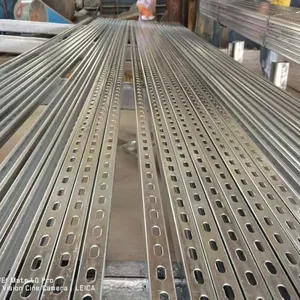
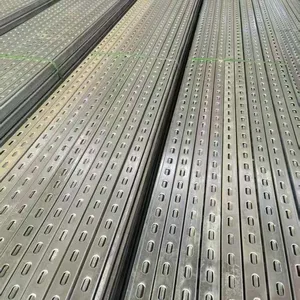
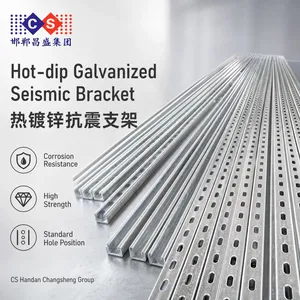
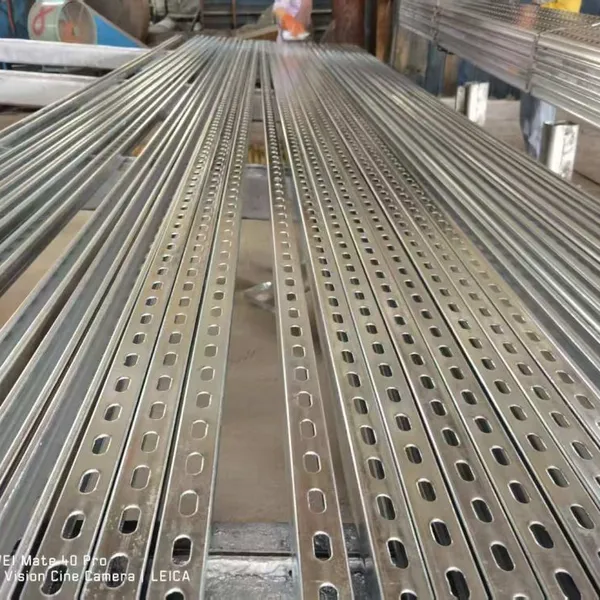
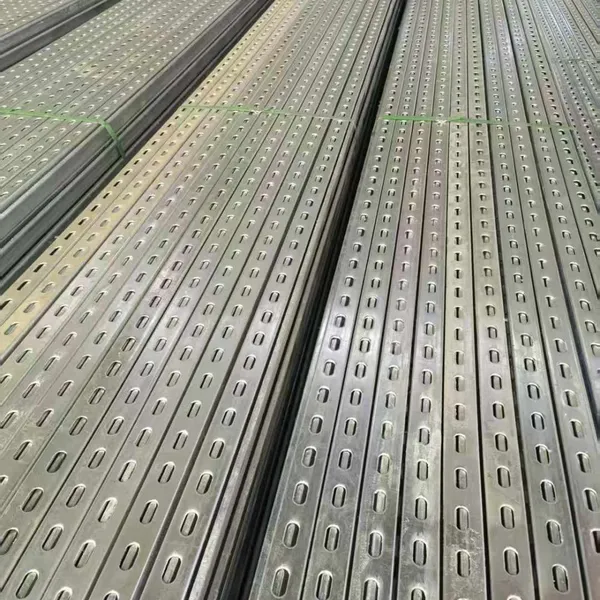
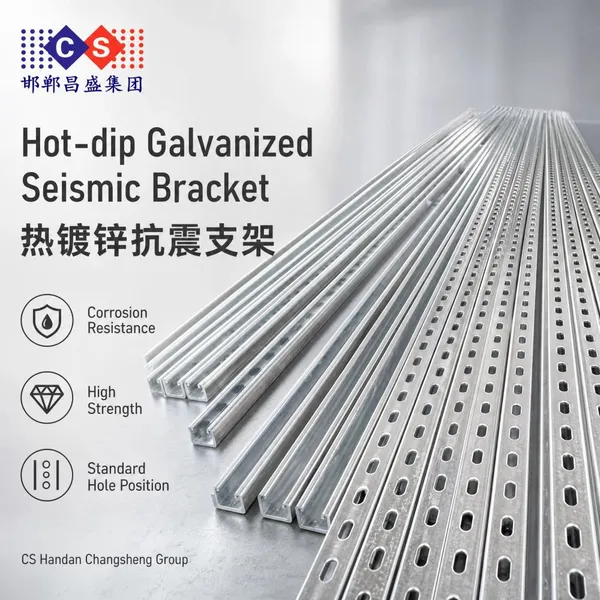
Hot-dip Galvanized C-channel Steel, PV Brackets, Seismic Supports for Fire Pipes and Cable Trays, Steel Structure Purlins

Product Spotlights



Related Products
-
 Hot-dip Galvanized C-channel Steel, PV Brackets, Seismic Supports for Fire Pipes and Cable Trays, Steel Structure PurlinsNegotiableMOQ: 5 Metric Tons
 -
Hot-dip Galvanized C-channel Steel, PV Brackets, Seismic Supports for Fire Pipes and Cable Trays, Steel Structure PurlinsNegotiableMOQ: 5 Metric Tons
-
Galvanized Flat Steel, Hot-dip Galvanized Flat Steel 50*3.5, Cold-drawn Factory Galvanized Grounding Flat SteelUS$ 550 - 600MOQ: 5 Metric Tons
-
Hot-dip Galvanized Round Steel in Various Specifications, Q235 Lightning Protection Grounding Round Steel, Direct From the FactoryUS$ 550 - 650MOQ: 5 Metric Tons
-
Hot-dip Galvanized C-channel Steel, PV Brackets, Seismic Supports for Fire Pipes and Cable Trays, Steel Structure PurlinsNegotiableMOQ: 5 Metric Tons
A photovoltaic (PV) mounting system is a metal structure used in solar PV power systems to install, fix, and support solar panels. It serves as the framework and an important component of a solar power plant.
Definition and Role
PV mounting systems are specifically designed support structures for solar panels, meant to hold the panels at certain angles and directions on rooftops, the ground, or water surfaces, ensuring they efficiently receive sunlight and operate safely. They not only support the weight of the panels but also affect the system's operational safety, damage rate, and construction costs.
Classification
PV mounting systems can be classified based on different criteria:
By installation scenario:
- Rooftop: color steel roof, sloped roof (tiled roof), flat roof mounts
- Ground: single-post mounts, double-post mounts
- Water surface: floating mounts, post-mounted water structures
By panel tilt adjustment:
- Fixed mounts: angle cannot be adjusted after installation, stable structure, suitable for various environments
- Adjustable tilt mounts: can adjust panel angles based on seasons or lighting conditions
- Tracking mounts: can rotate following the sun's path, including single-axis and dual-axis trackers, usually rigid structures
By material characteristics:
- Rigid mounts: strong structure, high load capacity
- Flexible mounts: adaptable, used for special installation conditions
Materials and Components
Common materials for PV mounts include aluminum alloy, carbon steel, and stainless steel. Aluminum alloy is widely used due to being lightweight and corrosion-resistant. Mounts mainly consist of posts, beams, rails, shafts, and various connectors. Tracking mounts additionally include transmission and control components for solar tracking.
Functions and Advantages
- High stability: Fixed mounts remain stable in windy, rainy, or cold environments
- Increased power generation: Proper angles and placement maximize sunlight absorption
- Adaptable to various environments: Suitable for rooftop, ground, and water-based PV plants
- Easy installation and maintenance: Modular and pre-assembled designs reduce construction difficulty
As the core framework of a PV system, mounts not only ensure the safety and stability of the panels but also directly impact the power generation efficiency and economic performance of a solar plant. ...

Send Inquiry to This Supplier


You May Also Like
-
Aluminium Alloy Round Tube 6061 T6 Seamless Extruded Pipe Custom Size for Photovoltaic Solar BracketUS$ 2 - 5MOQ: 100 Kilograms
-
Steel Angle Bar for Transmission Tower and Solar BracketUS$ 420 - 450MOQ: 10 Tons
-
Hot Dipped Galvanized Unequal Angle Iron For Outdoor Solar BracketNegotiableMOQ: 1 Metric Ton
-
European Zm310 Zm430 Zn-Al-Mg Zinc-Aluminum-Magnesium S350gd/S550gd Steel Coil for Solar BracketUS$ 3000 - 6000MOQ: 1 Ton
-
Solar BracketUS$ 2,500 - 3,500MOQ: 1 Ton
-
Steel Solar Bracket With Black Powder CoatingUS$ 3 - 3.5MOQ: 1000 Pieces
-
Custom & Standard 6063 T5/t6 Aluminum Racking for PV Solar Bracket System China Manufacturer With Iso CertificatesUS$ 2.65 - 3.12MOQ: 1 Ton
-
Solar Bracket / Mounting Brackets /solar Mounting BracketsUS$ 0.07 - 0.13MOQ: 10000 Watts
-
Solar Panel Bracket, Aluminum Solar Bracket, Aluminum Bracket for Solar PanelUS$ 2,000 - 10,000MOQ: 1 Ton
-
Solar BracketUS$ 5 - 30MOQ: 100 Pieces


