








 Contact Platform Support
 Help Center
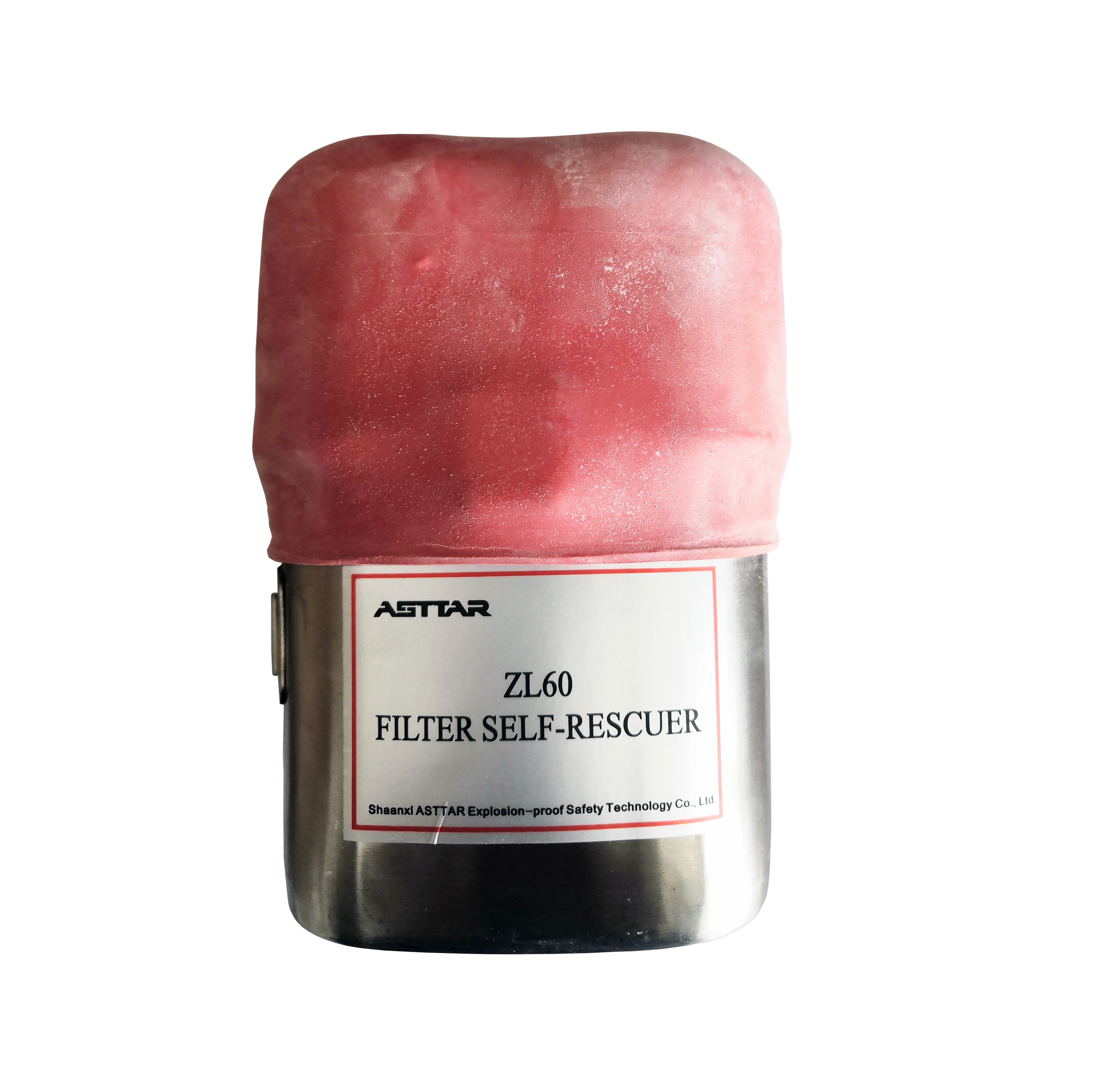
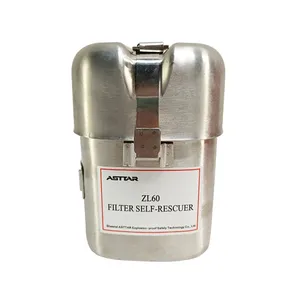
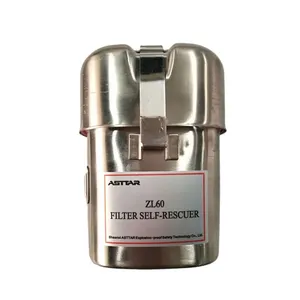
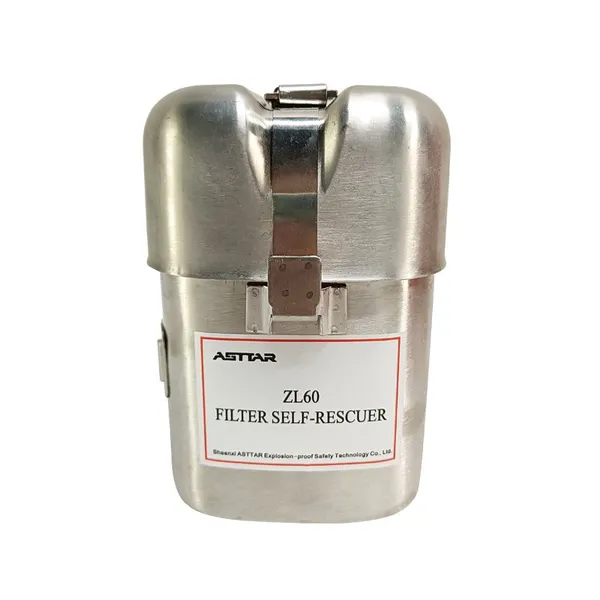
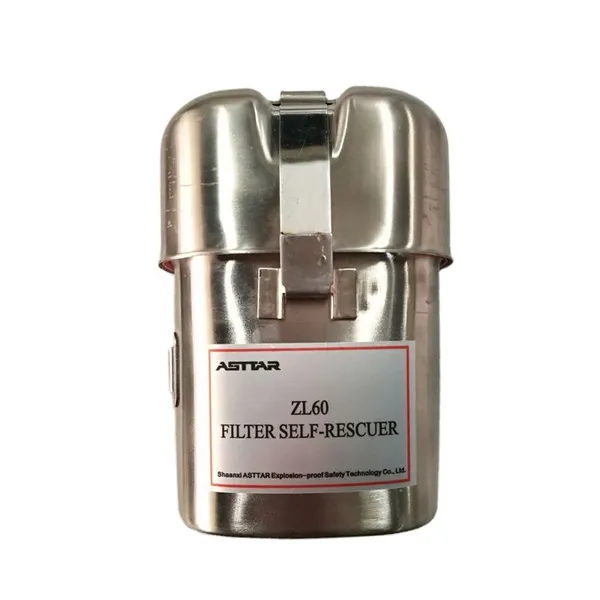
ZL60 Filter Self Rescuer With Desiccant And Catalyst Layer Anti Poison Design
Product Spotlights


Related Products
-
 Portable ZL60 Filter Self Rescuer Lightweight Underground Personal Breathing DeviceNegotiableMOQ: 1 Piece
 -
Portable ZL60 Filter Self Rescuer Lightweight Underground Personal Breathing DeviceNegotiableMOQ: 1 Piece
-
Medical Portable Oxygen Breathing Apparatus Chemical Escape Compressed Self-Rescuer for Mining and FireNegotiableMOQ: 1 Piece
-
ZY30X Oxygen Self Rescuer Mining Self Rescuer Self Rescue Packs For Oxygen Deficient EnvironmentUS$ 120 - 150MOQ: 1 Piece
-
Portable ZY30X Self Rescue Breathing Apparatus Emergency Escape Breathing Devices For MineUS$ 120 - 150MOQ: 1 Piece
Overview
1. Application
ZL60 type filter self-rescuer (hereinafter referred to as self-rescuer) is suitable for mines without coal, gas and carbon dioxide outbursts. The oxygen concentration in the ambient atmosphere is not less than 18%, the carbon monoxide concentration is not more than 1.5%, and the air does not contain other toxic gases. It is a personal respiratory protective device used in coal mines to prevent carbon monoxide (CO) poisoning in the event of fire or gas explosion. Operators must carry it with them for emergency use. This self-rescuer is only for personal escape use.
2. Type marking
3. Standard
MT 709-1997 Carbon Monoxide Filter Self-Rescuer
Working principle and Structure
This self-rescuer is designed based on the principle that a carbon monoxide catalyst (catalyst, the same below) reacts chemically with carbon monoxide (CO) in the air at normal temperature to produce carbon dioxide (CO2). Its chemical reaction principle can be expressed by the following formula:
The above formula indicates that the filter self-rescuer will generate heat during the reaction, therefore, cooling measures are provided in the structure of the self-rescuer.
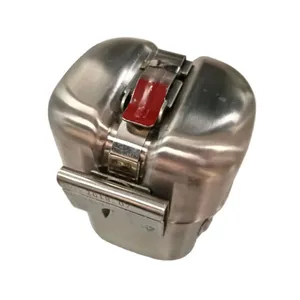
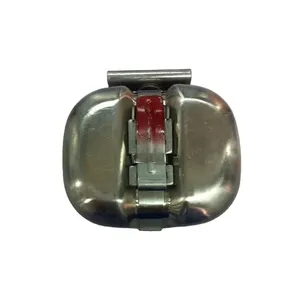
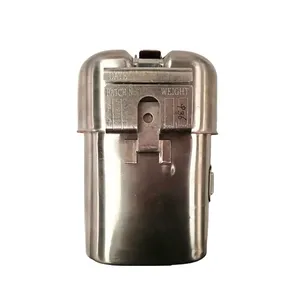
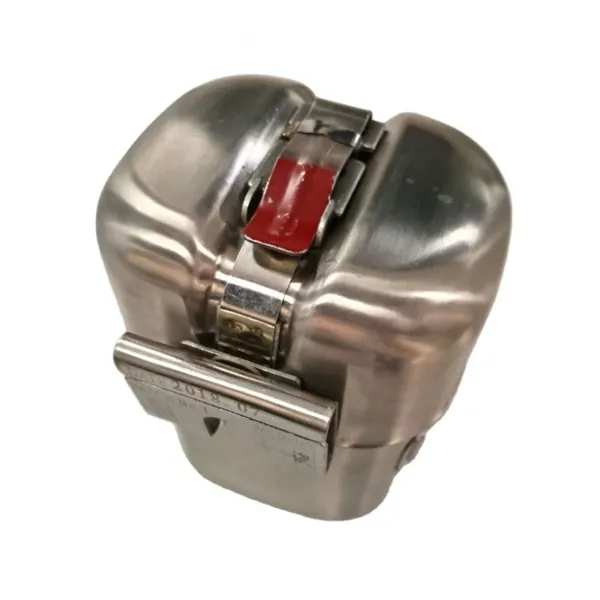
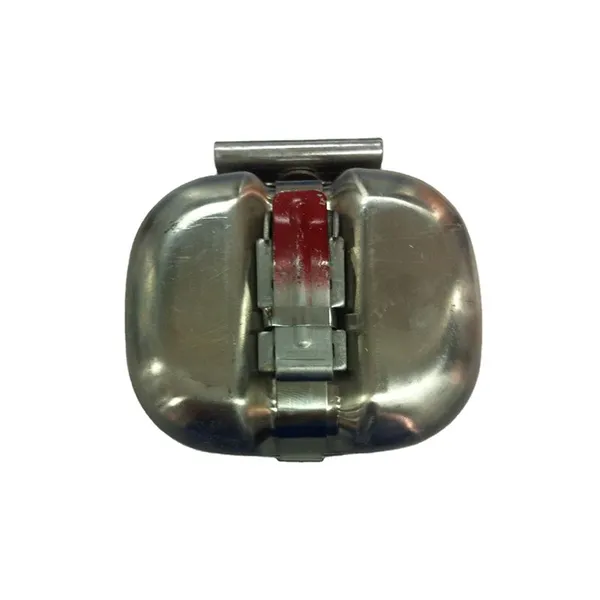
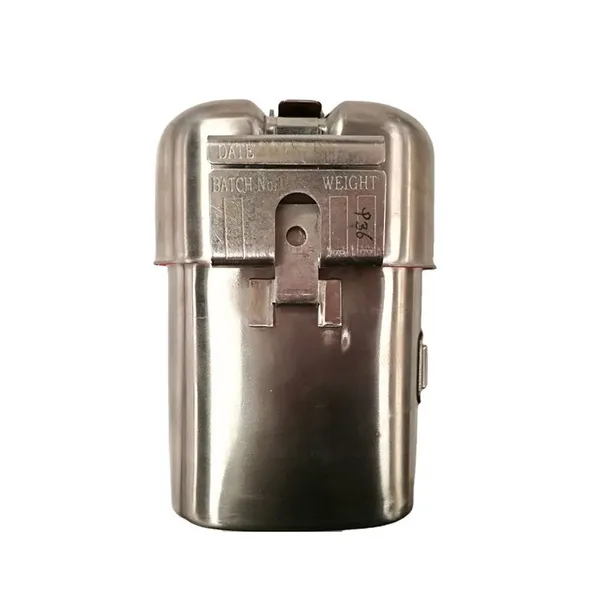
A canister of the self-rescuer is sealed in the shell which consists of the upper/bottom shells, sealing ring, locking strap, opening wrench, belt loop, sealing strip and number plate. It has impact-resistant shell, can be carried or stored for long time after sealing. See figure 1 for the structure of the self-rescuer and see figure 2 for canister structure.
1. sealing strip; tection cover; 3. opening wrench; 4. locking strap; 5. belt loop; 6.upper shell; 7.number plate; 8. bottom shell
When using the canister, the air containing carbon monoxide enters the drying agent layer through the dust filter layer, which can effectively filter the moisture in the gas and prevent catalyst poisoning and failure. The dried gas enters the catalyst layer for oxidation reaction, oxidizing toxic carbon monoxide (CO) into non-toxic carbon dioxide (CO2) gas. After passing through the cooling net, the user can inhale through the mouthpiece, and the exhaled gas is directly discharged through the exhalation valve. In order to avoid free space in the chemicals layer due to shaking or collision, the canister uses a compensation spring device.
The carbon monoxide accelerant complies with requirement of MT 869-2000 Carbon Monoxide Accelerant for Filter Self-Rescuer
The drying agent complies with requirement of MT 868-2000 Drying Agent for Filter Self-Rescuer
1. nose clip; 2.exhalation valve; 3.headband; 4. cooling net; 5.teeth cushion; 6.mouthpiece; 7. saliva baffle; 8.dust filter plate;
9. carbon monoxide catalyst layer; 10.thermal insulation gauze sack; 11.drying agent; pensating spring; 13.dust filter layer; 14. shock absorbing pad
Main technical parameters
Diagram for use
Precautions
1. Please read this operation manual seriously before using, and operate it correctly.
2. When signs of fire or gas explosion are found underground, you must immediately wear a self-rescuer and leave the site immediately. Don't wait until you see smoke before wearing it, as odorless carbon monoxide may spread before the smoke appears.
3. When the concentration of carbon monoxide in the air reaches 0.5% or above, the wearer may feel uncomfortable due to dryness and heat during the inhalation process. This is a normal phenomenon for self-rescuers to work effectively and must be worn to a safe area.
4. When wearing a self-rescuer to escape, do not talk, and walk at a steady speed, and keep breathing evenly.
5. Wearing a self-rescuer requires accurate and rapid operation. Therefore, users must undergo pre training and assessment before being equipped.
6. This product should be avoided from being dropped or bumped to prevent air leakage and failure.
7. This product is a disposable product and cannot be opened at will. All self-rescuers that have been opened should be scrapped regardless of the length of use and are not allowed to be reused.
8. The rubber protection cover of the self-rescuer is a protective device that prevents the self-rescuer from opening due to collision or misoperation. If the protection cover is damaged, it should be replaced in time.
9. A number plate provided with the self-rescuer is an accessory for the user to number the self-rescuer. The user can not knock and print mark on sealing strap or any other places, to avoid deformation and gas leakage.
Maintenance and inspection
1. The self-rescuer must be avoided to fall to the ground or bump against other objects to prevent it from air leak and fault. The self-rescuer should be inspected regularly for its air tightness and weight increase.
(1) Air tightness inspection
Place the self-rescuer inside the chamber of the air tightness test instrument (see figure 3) according to the requirement of MT709 (notice: if there is too much space left, put some stuffing inside appropriately). Close the cover of the instrument and make the pressure reach 13.34KPa, the self-rescuer is proved to be qualified if the internal pressure is reduced by no more than 98 Pa in 15s.
The self-rescuer taken along with the user should be inspected once 1~2 months and the self-rescuer bumped heavily and possible air leakage must be inspected immediately.
(2) Weight gain inspection
Take off the protection cover of the self-rescuer, wipe away the dust and water on its surface and put it on a scale with a sensibility of 1g. This weight minus the weight when leaving factory is the weight increase (The weight when leaving factory was marked on the belt loop). In general, inspect once every quarter and the self-rescuer can be used continuously if the increase is less than 10g.
Whole set
1) Self-rescuer 1pc
2) Number plate 1pc
3) Protection cover 1pc
4) Operation manual 1pc
Transportation and storage
1. When conducting transportation, it is not allowed to mix the self-rescuers with oil or corrosive chemical goods, and some sun-proof and rainproof measures should be provided.
2. The self-rescuers should be stored in the well ventilation and dry storeroom where the temperature should be(5~35)℃, far away from the heat source and corrosive materials.

Send Inquiry to This Supplier



You May Also Like
-
ZY30X Isolated Compressed Oxygen Self Rescuer 30 Minute Mining Oxygen Self RescuerUS$ 120 - 150MOQ: 1 Piece
-
Industrial Mining Self Rescuer ZY30X Self Rescue Respirator Closed Circuit Oxygen EquipmentUS$ 120 - 150MOQ: 1 Piece
-
ZY30X Compressed Oxygen Self-Rescuer – 30min Protection, 0.45L Capacity, Standard CompliantUS$ 120 - 150MOQ: 1 Piece
-
ZY30X Isolated Compressed Oxygen Self Rescuer Self Contained Breathing Escape DeviceUS$ 120 - 150MOQ: 1 Piece
-
Portable ZY30X Self Rescue Breathing Apparatus Emergency Escape Breathing Devices For MineUS$ 120 - 150MOQ: 1 Piece
-
ZY30X Isolated Compressed Oxygen Self-Rescuer With 30min Rated Protection & 0.45L Oxygen BottleUS$ 120 - 150MOQ: 1 Piece
-
ZY30X Emergency Escape Breathing Devices Oxygen Self Rescuer For Coal Mine Disaster EvacuationUS$ 120 - 150MOQ: 1 Piece
-
Isolated Oxygen Self-Rescuer ZY30X – Emergency Escape Device for Fire & Confined SpaceUS$ 120 - 150MOQ: 1 Piece
-
ZY45X Emergency Escape Breathing Devices Oxygen Self Rescuer For Mine Disaster EvacuationNegotiableMOQ: 1 Piece
-
ZY45X Closed Circuit Mining Self Rescuer Self Contained Self Rescuer For Long Time Underground EscapeNegotiableMOQ: 1 Piece


